Understanding symmetry Normal Worksheets
5 filtered results
-
From - To
Welcome to our "Understanding Symmetry Normal Worksheets" page! Here, young learners can explore the fascinating world of symmetry through engaging and interactive worksheets. Designed for early grade students, these resources encourage children to identify, create, and understand symmetrical shapes in a fun way. Each worksheet is crafted to promote critical thinking and improve spatial awareness, making math both enjoyable and educational. From simple mirroring exercises to more challenging tasks, our worksheets cater to varied skill levels. Perfect for classrooms or home learning, these materials will help your child master symmetry concepts while developing their creativity and analytical skills!
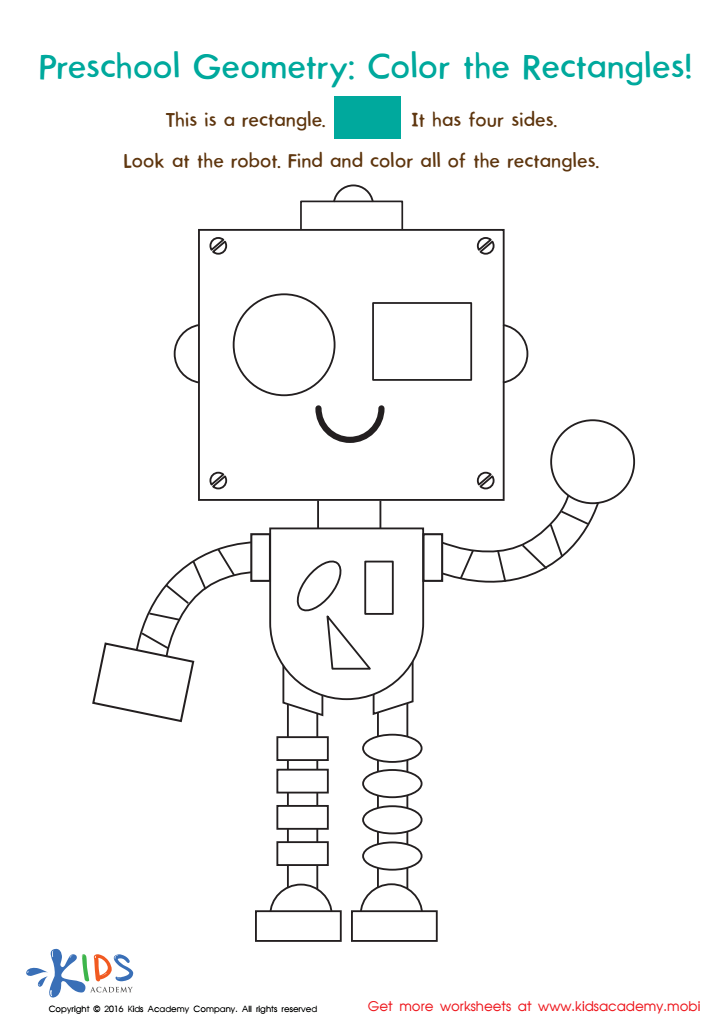
Geometry Worksheet
 Assign to My Students
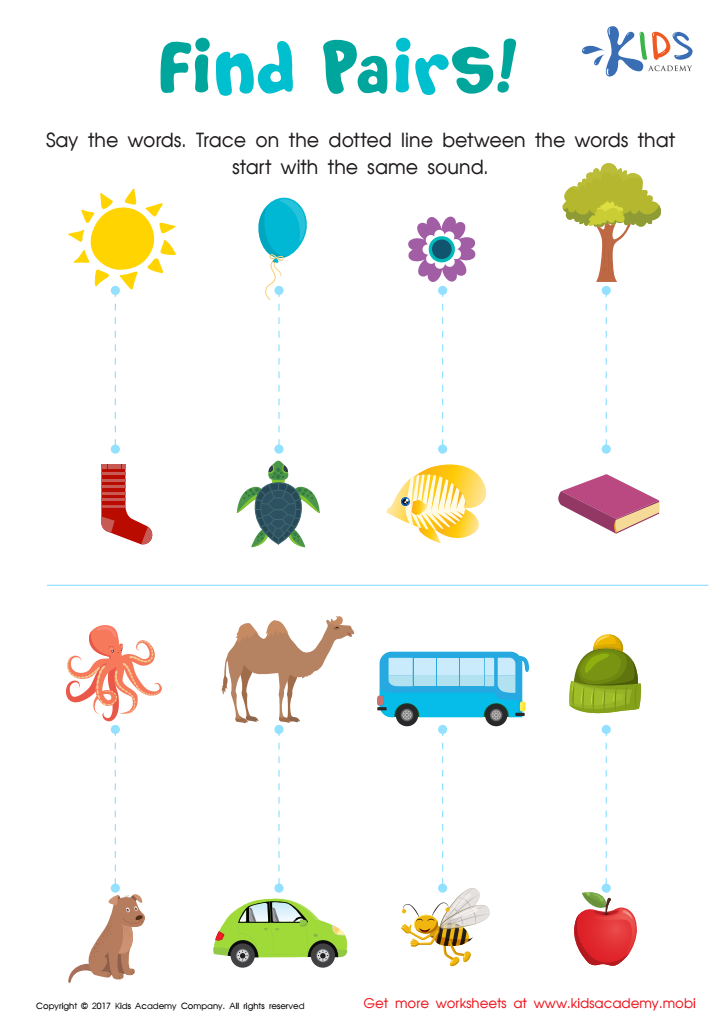
Beginning Sound: Find Pairs Worksheet
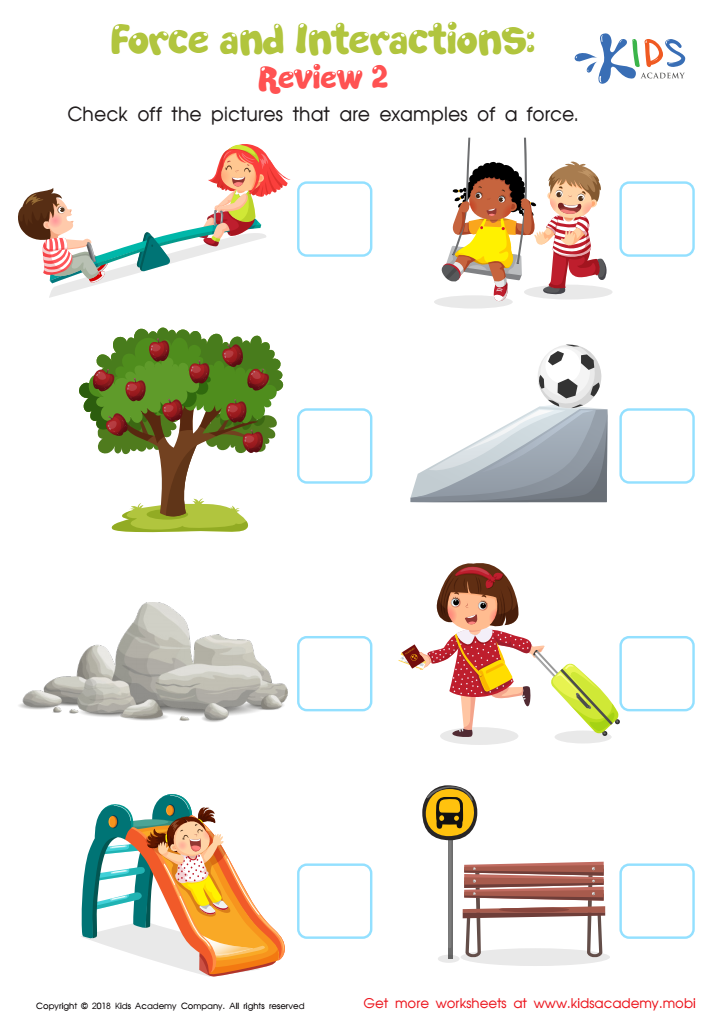
Force and Interactions: Review 2 Worksheet
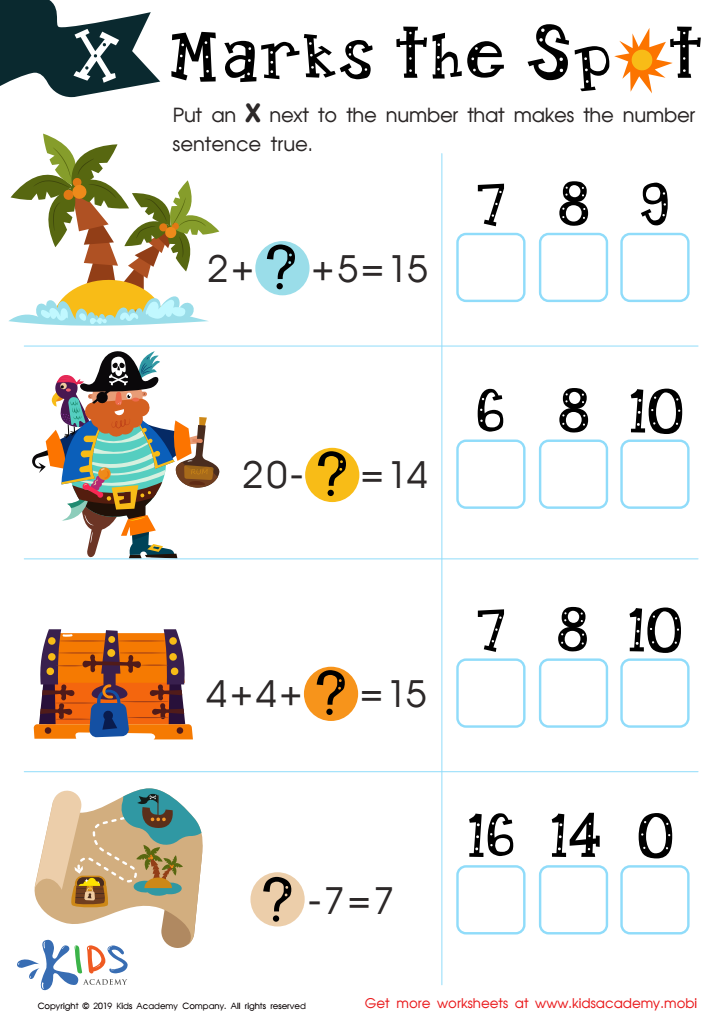
X Marks the Spot Worksheet
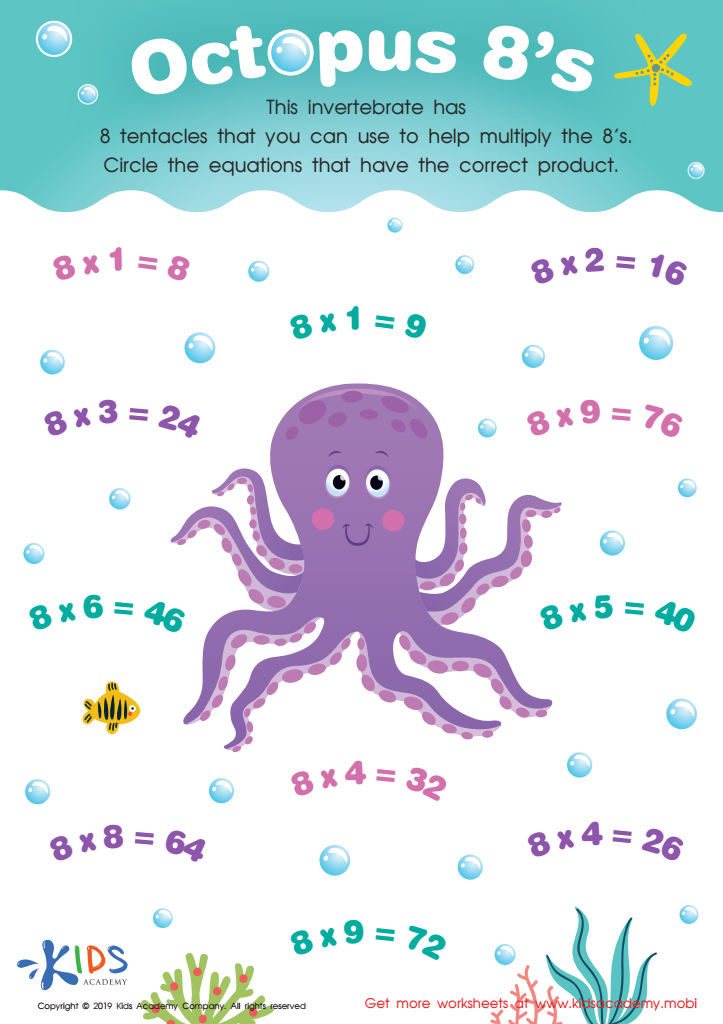
Octopus 8’s Worksheet


.jpg)




Understanding symmetry is crucial for both parents and teachers as it lays a strong foundation for critical thinking and problem-solving skills in early childhood education. Symmetry not only enhances kids' spatial awareness, enabling them to recognize patterns and shapes, but it also connects to various subjects, including math, art, and science. For example, recognizing symmetrical patterns can improve a child’s abilities in geometry and mathematical reasoning.
Moreover, symmetry is deeply embedded in nature and everyday life, making it relevant and engaging. When children learn about symmetry, they develop observational skills and appreciate nature's design, which can ignite curiosity and a love for learning.
Furthermore, discussing symmetry can promote creativity when children explore it in art, creating visually appealing projects that encourage self-expression. This critical understanding fosters confidence and a sense of achievement as they notice symmetry in the environment, leading to deeper cognitive development.
Promoting symmetry literacy helps set a solid foundation for more advanced concepts and encourages collaborative learning through activities and discussions, fostering communication skills. For these reasons, both parents and teachers should prioritize teaching and exploring symmetry to support holistic development during critical learning years.








