
Visual recognition Normal Worksheets
8 filtered results
Difficulty Level
Grade
Age
-
From - To
Subject
Activity
Standards
Discover our Visual Recognition Normal Worksheets designed to enhance your child's ability to identify and differentiate between various images and patterns. These engaging worksheets are perfect for preschool and early grade students, promoting essential cognitive skills through fun and interactive activities. Each worksheet provides a variety of exercises that support visual discrimination, memory, and critical thinking, making learning enjoyable and effective. Whether at home or in the classroom, these printable resources are easy to use and offer a structured approach to developing visual recognition skills. Help your child boost their confidence and readiness for future learning with our thoughtfully crafted worksheets!
Favorites
With answer key
Interactive
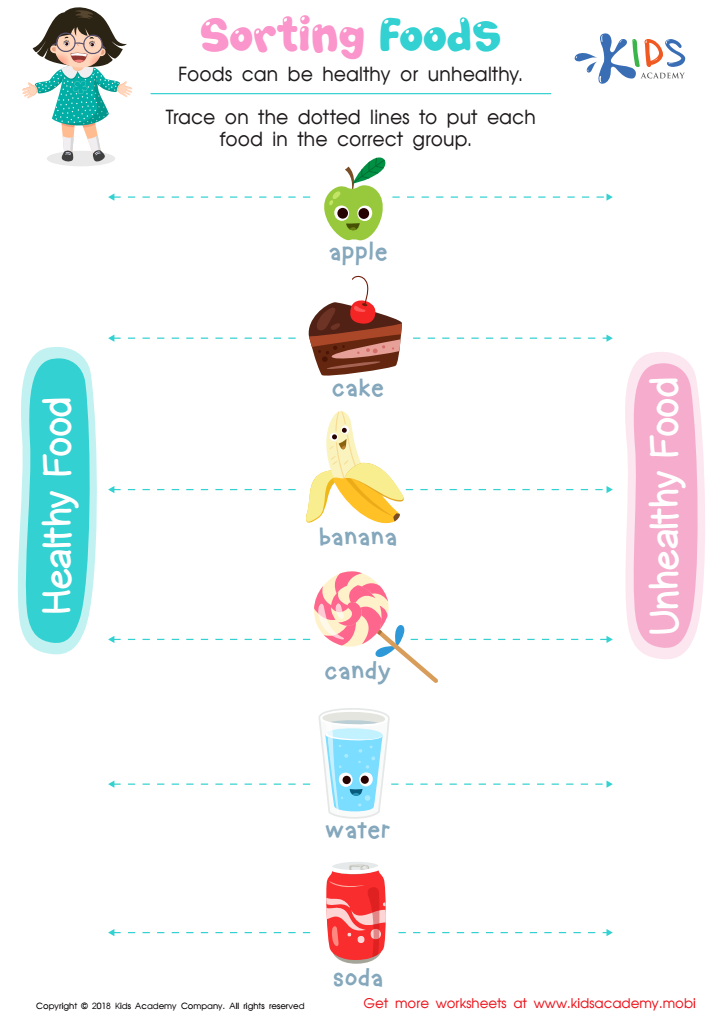
Sorting Food Worksheet
This delightful worksheet boosts critical thinking and fine motor skills. Kids use prior knowledge and pictures to sort foods into healthy and unhealthy groups. Tracing lines support accurate sorting and matching. Enjoy fun and free learning!
 Assign to My Students
Sorting Food Worksheet
Worksheet
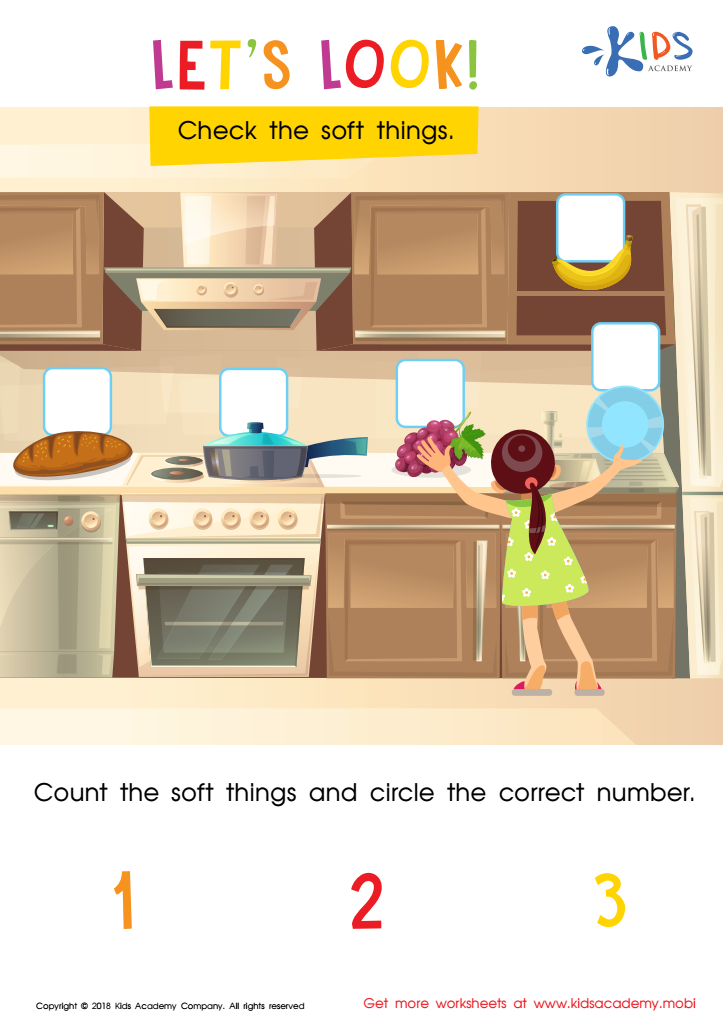
Let's Look! Assessment Worksheet
Have your child look at the picture in the printout and name the objects. Ask which ones are soft and hard and have them count the soft objects and circle the number. This worksheet will engage your child's thinking and teach them about texture.
Let's Look! Assessment Worksheet
Worksheet
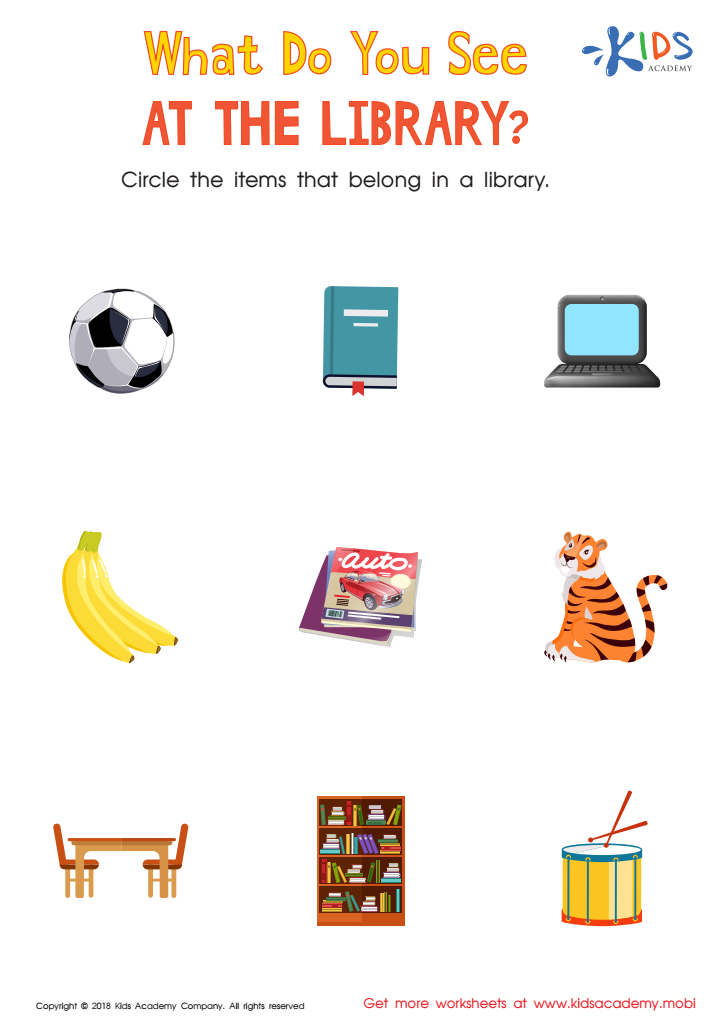
What Do you See at the Library? Worksheet
Let your kids look at the worksheet with pictures of objects found in libraries and those that don't. Ask them to list some, then circle the ones that belong in a library. Can they identify them? See if you can spot any they miss!
What Do you See at the Library? Worksheet
Worksheet
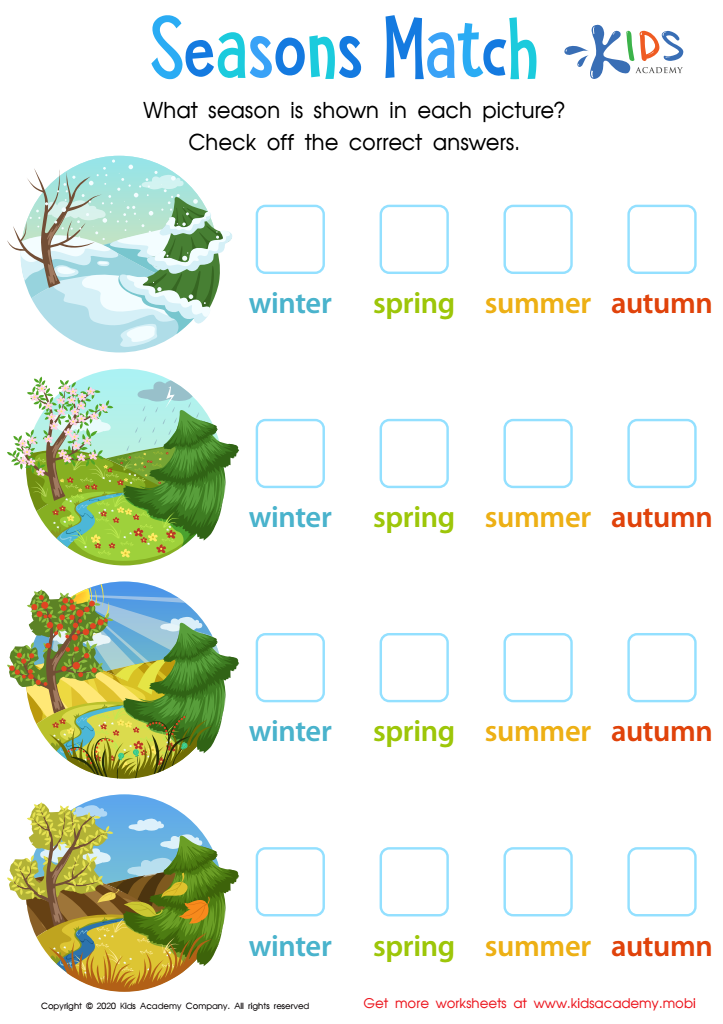
Seasons Match Worksheet
Preschoolers should begin learning about seasons and weather early. Most can tell what season it is by upcoming holidays or school activities. Test their knowledge with a printable PDF worksheet. It asks them to match each image with its corresponding season!
Seasons Match Worksheet
Worksheet
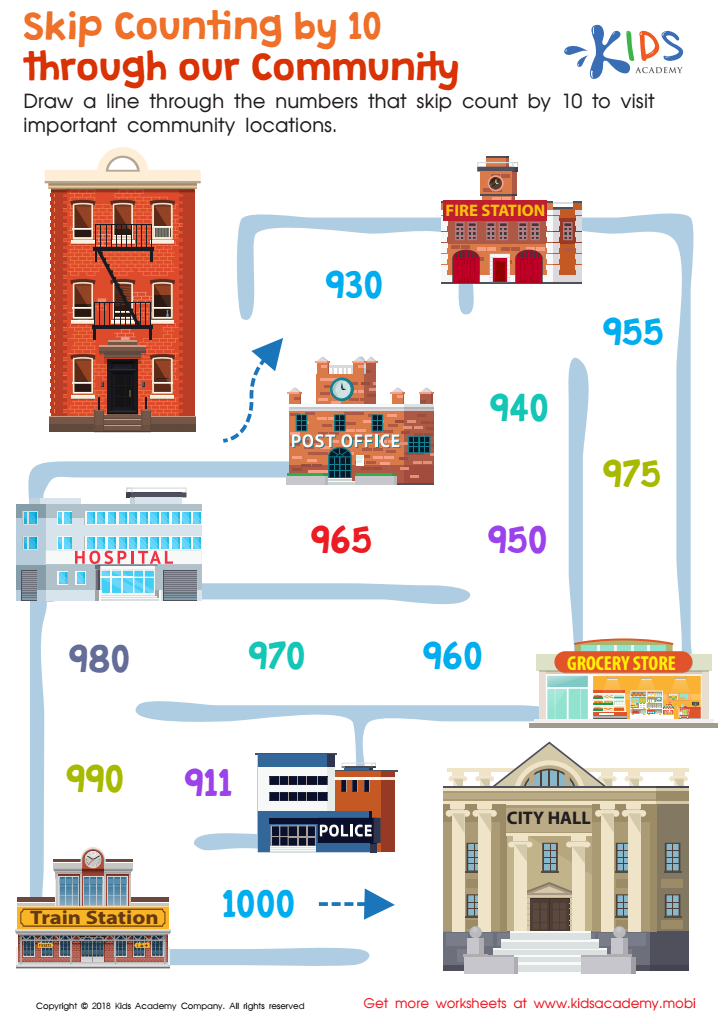
Skip Counting by 10 Through Our Community Worksheet
Our kids need to 'make a ten' and skip count by tens to boost their speed and accuracy in math. This cool, free worksheet takes them on a journey through their local community to practice counting by tens. They'll work on social studies and fine motor skills while having fun with the maze they get to count by tens in!
Skip Counting by 10 Through Our Community Worksheet
Worksheet
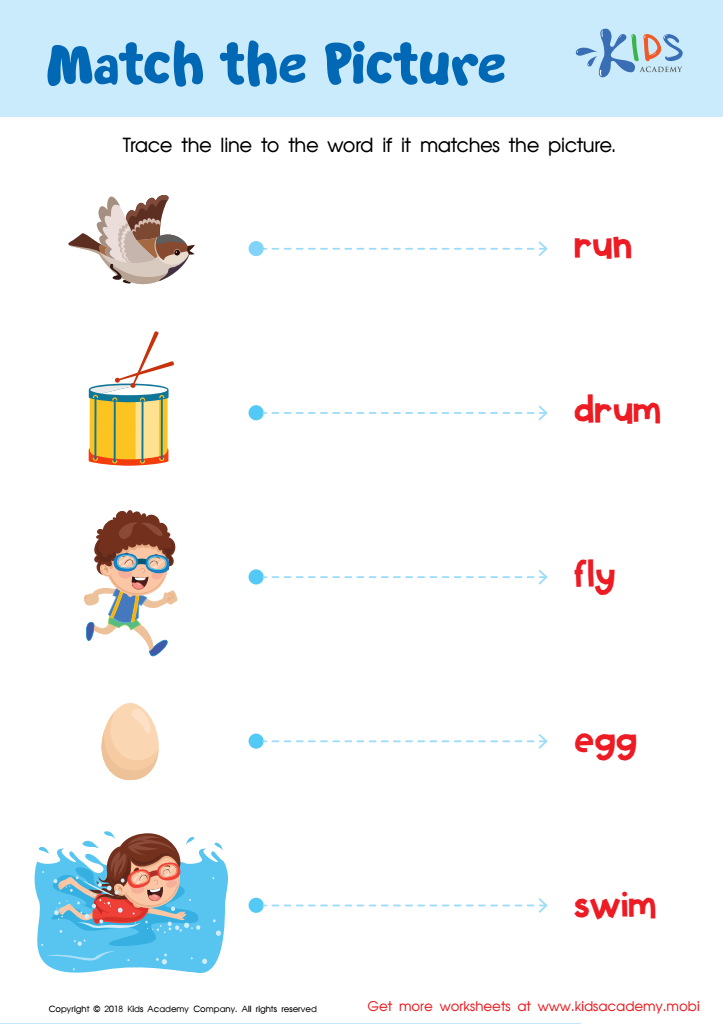
Match the Picture Worksheet
This tracing worksheet is a fun way to teach little ones that learning can be fun! Ask them to name the five images on the left and then read the words on the right. Do they match? Help them trace the line connecting the picture to the word that matches. Learning doesn't have to mean stuffy classrooms and drudgery!
Match the Picture Worksheet
Worksheet
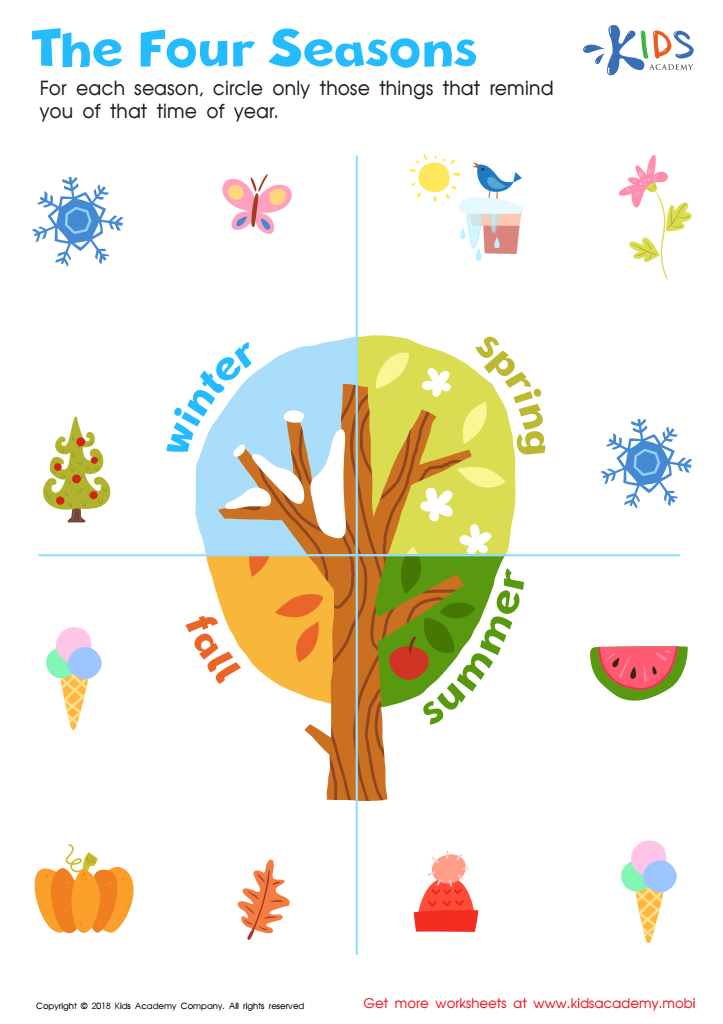
The Four Seasons Worksheet
Tell your child to circle things that remind them of each season. The tree has four squares, one for each season. Some things in each square match the season, others don't. Ask if any are out of place. Help them circle only items that remind them of that season.
The Four Seasons Worksheet
Worksheet
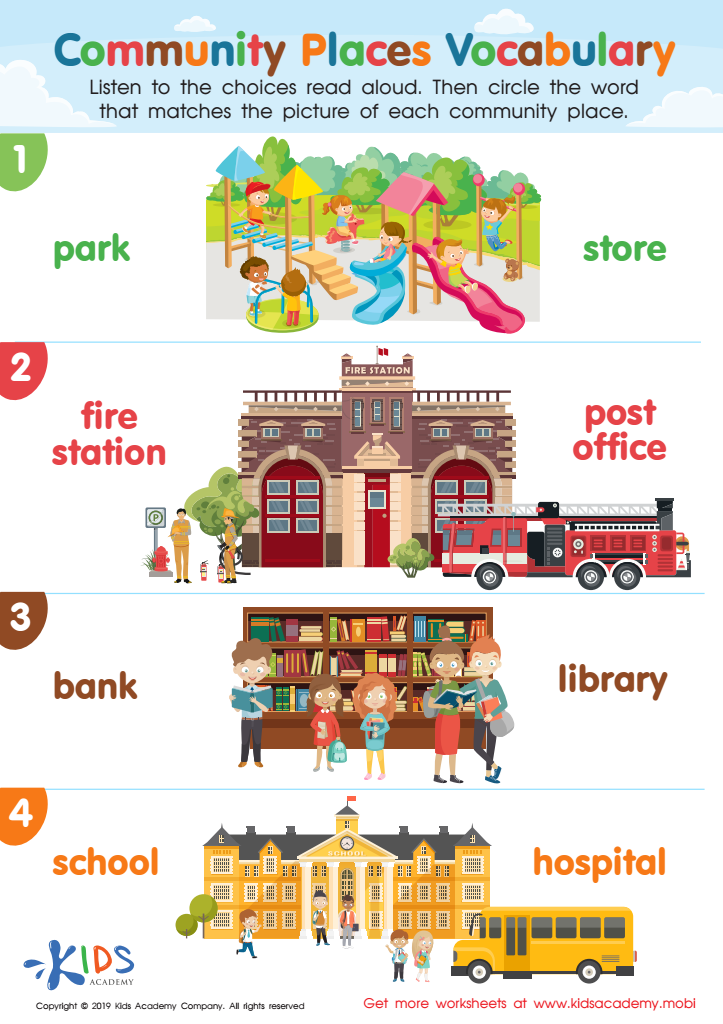
Community Places Vocabulary Worksheet
Help your kids identify community places with this fun worksheet. Ask them to listen to the choices read aloud and circle the word that matches the picture. This activity encourages dialogue about different people, places, and things in their community and the places they love to visit.
Community Places Vocabulary Worksheet
Worksheet
Join Kids Academy for Free
Who is primarily going to use this learning content?








Visual recognition normal, often referred to as visual perceptual skills, is crucial for children's overall development. Parents and teachers should care about these skills as they form the foundation for academic achievement, especially in reading, math, and science. These skills enable children to interpret visual information, recognize patterns, and understand spatial relationships, which are essential for problem-solving and critical thinking.
Good visual recognition supports literacy development. For example, children need to recognize letters and words quickly to comprehend what they read. Additionally, visual-spatial skills are vital for math, helping children understand geometric shapes and measurements.
Beyond academics, strong visual recognition fosters independence. Kids who can interpret visual cues are better equipped to navigate their environments, from reading signs to organizing their belongings. It also promotes social skills, allowing kids to read non-verbal cues in social interactions.
Finally, early detection of any visual recognition deficits can lead to timely intervention, ensuring children receive the support they need. By prioritizing visual recognition, parents and teachers can significantly enhance children's confidence, academic success, and social interactions, laying the groundwork for a bright future. Thus, nurturing these skills should be a shared responsibility between home and school.








