Counting skills Normal 2D Shapes Worksheets
4 filtered results
-
From - To
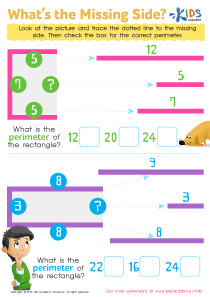
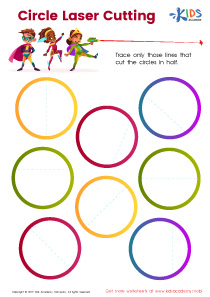
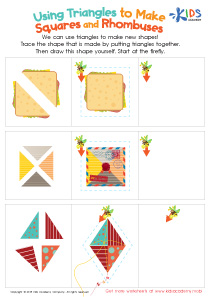
Enhance your child's counting and geometry skills with our "Counting Skills Normal 2D Shapes Worksheets." Perfectly designed for early learners, these engaging worksheets combine the fun of identifying common 2D shapes like circles, squares, triangles, and rectangles with fundamental counting practice. Each worksheet encourages kids to count, trace, and color shapes, reinforcing essential math concepts. Ideal for classroom or at-home learning, our worksheets provide a solid foundation in both counting and geometry, making math exciting and accessible. Boost your child’s confidence and watch their skills develop with these expertly crafted educational tools. Explore and download now for free!
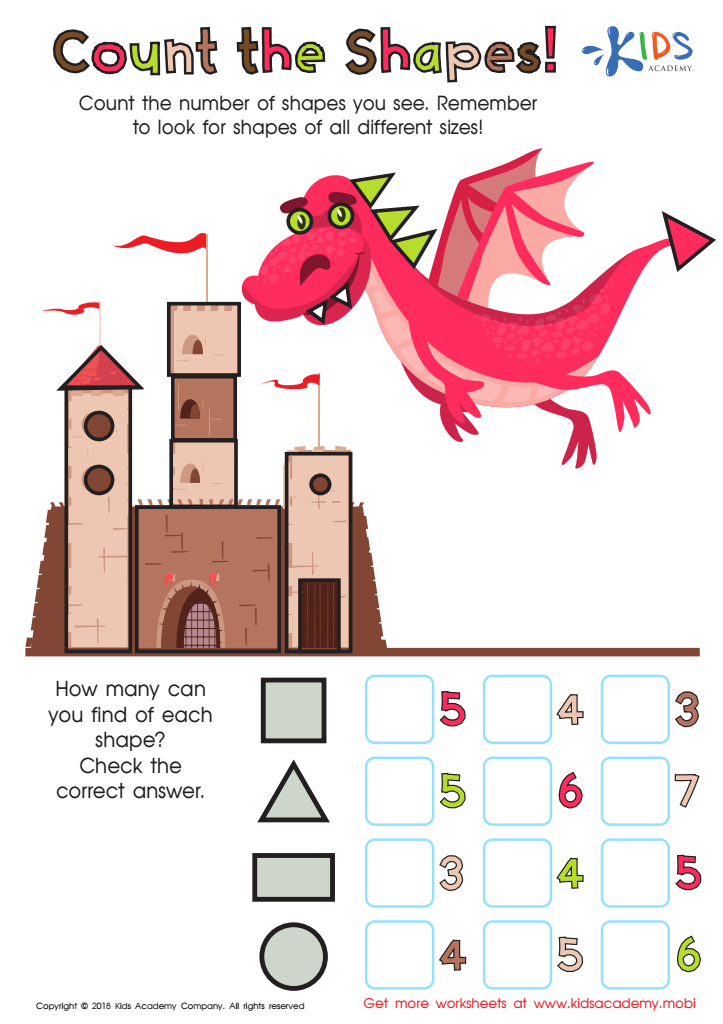
Count the Shapes Worksheet
 Assign to My Students


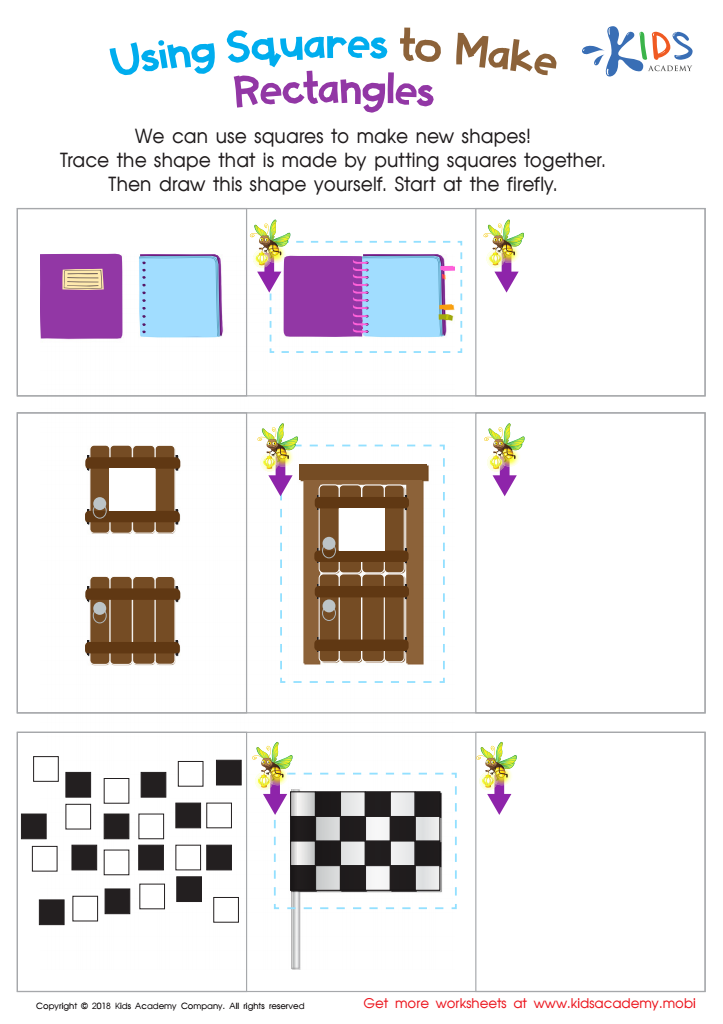
Using Squares to Make Rectangles Worksheet
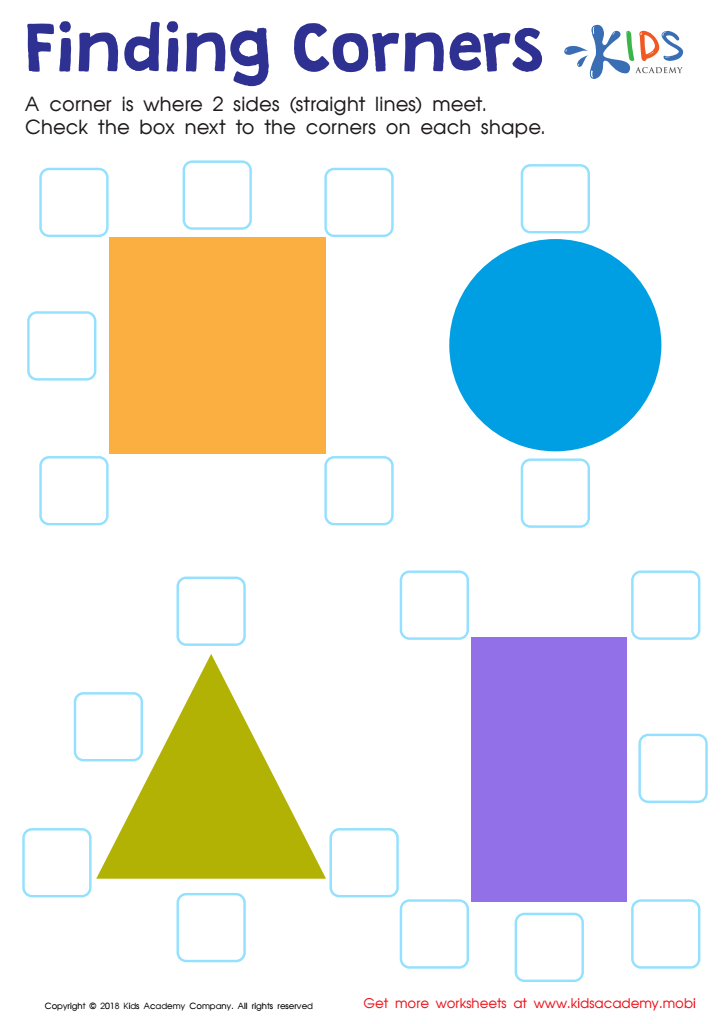
Finding Corners Worksheet
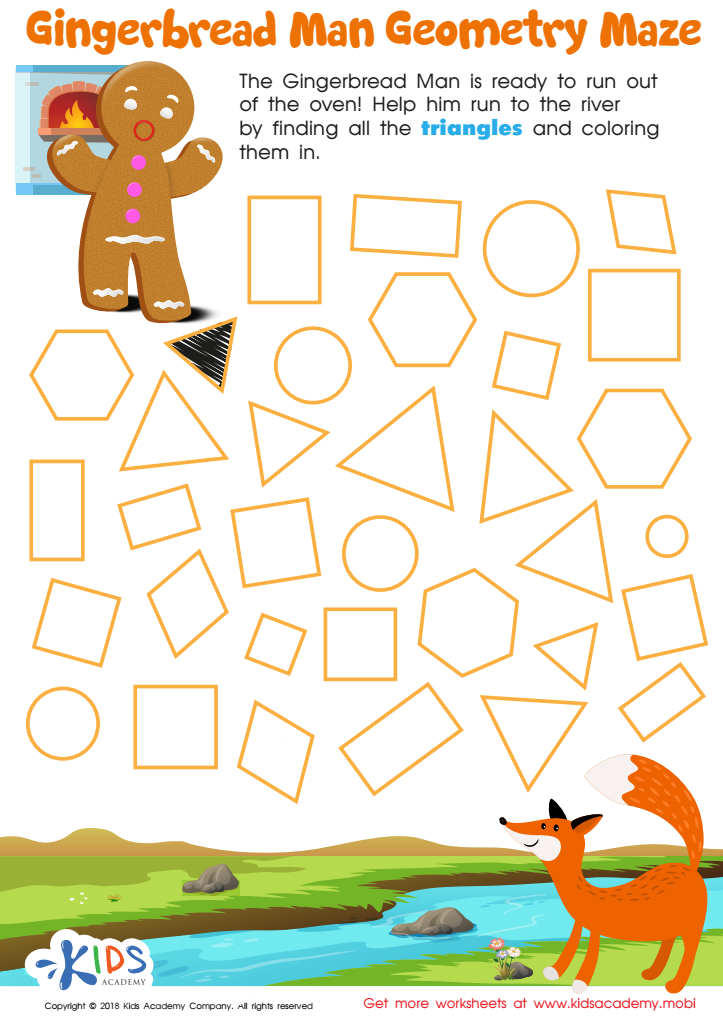
Gingerbread Man Geometry Maze Worksheet








Counting skills and knowledge of basic 2D shapes are crucial building blocks in early childhood education, laying the foundation for more complex mathematical concepts. When children master counting, they develop the ability to understand quantity, sequence, and the value of numbers. This fundamental skill supports them in various daily activities, such as measuring ingredients for a recipe, telling time, or engaging in games that require number knowledge.
2D shapes, such as circles, squares, and triangles, are equally important in early education. Recognizing and understanding these shapes helps children comprehend the physical world around them. For example, identifying shapes can enhance their spatial awareness and reasoning skills, which are essential for tasks like sorting and organizing objects, solving puzzles, and even in early literacy as children learn to differentiate letters and numbers.
Educators and parents should emphasize these skills because they foster critical thinking and problem-solving abilities. Moreover, a solid grasp of counting and shapes is linked to success in more advanced areas of math and science, influencing future academic achievements. Encouraging practice and play with counting and 2D shape activities can make learning enjoyable yet effective, setting the stage for ongoing educational growth and curiosity.