Comparison Skills Normal Math Worksheets
3 filtered results
-
From - To
Introduction to Comparison Skills Normal Math Worksheets:
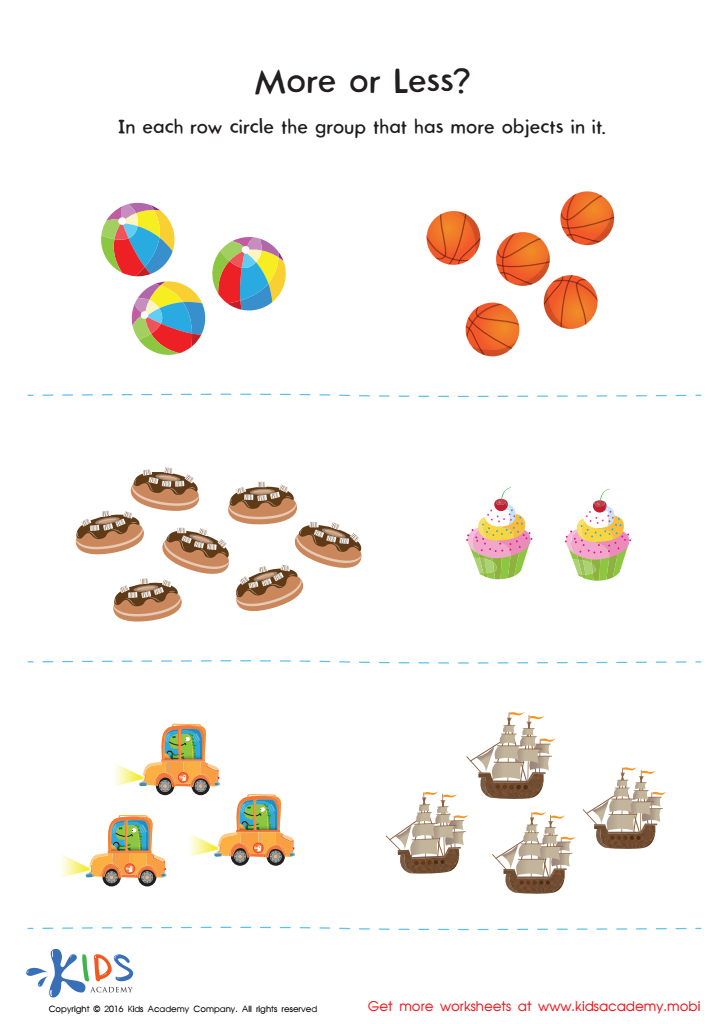
Our Comparison Skills Normal Math Worksheets are designed to help young learners develop critical thinking and analytical abilities. These engaging worksheets focus on comparing numbers, sizes, weights, and quantities through a variety of fun, educational activities. Ideal for preschool to elementary students, these exercises enhance understanding of fundamental math concepts like greater than, less than, and equal to. Created by expert educators, each worksheet supports curriculum goals, boosting students' confidence and proficiency in math. Equip your child with the skills they need for academic success through engaging and effective practice with direction and feedback shapes.
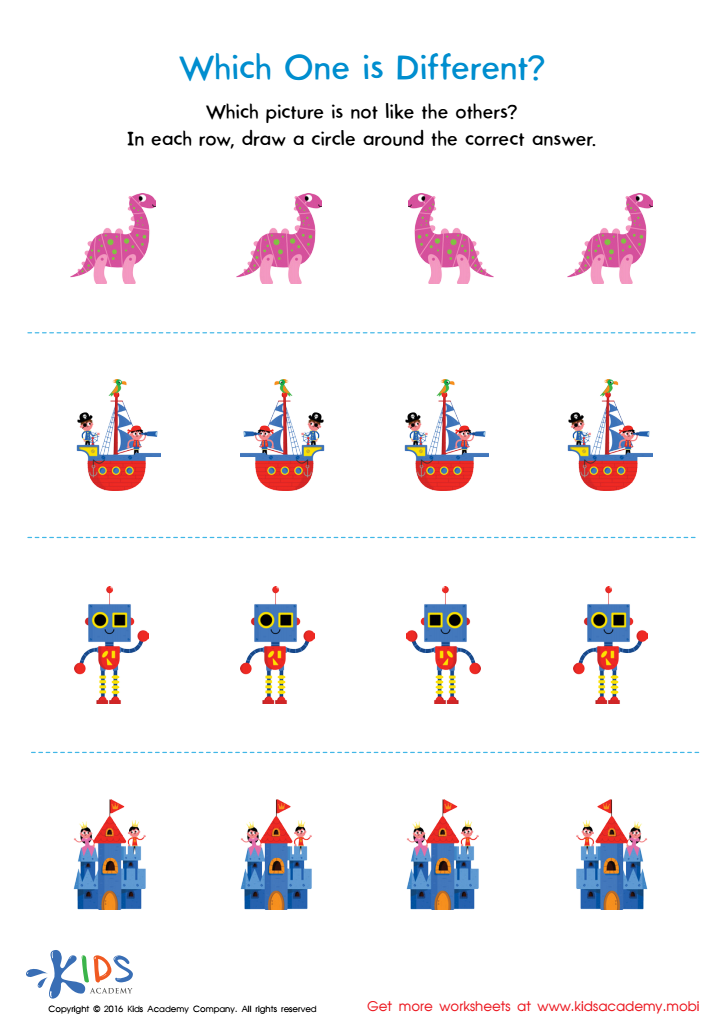
Which One Is Different Worksheet
 Assign to My Students
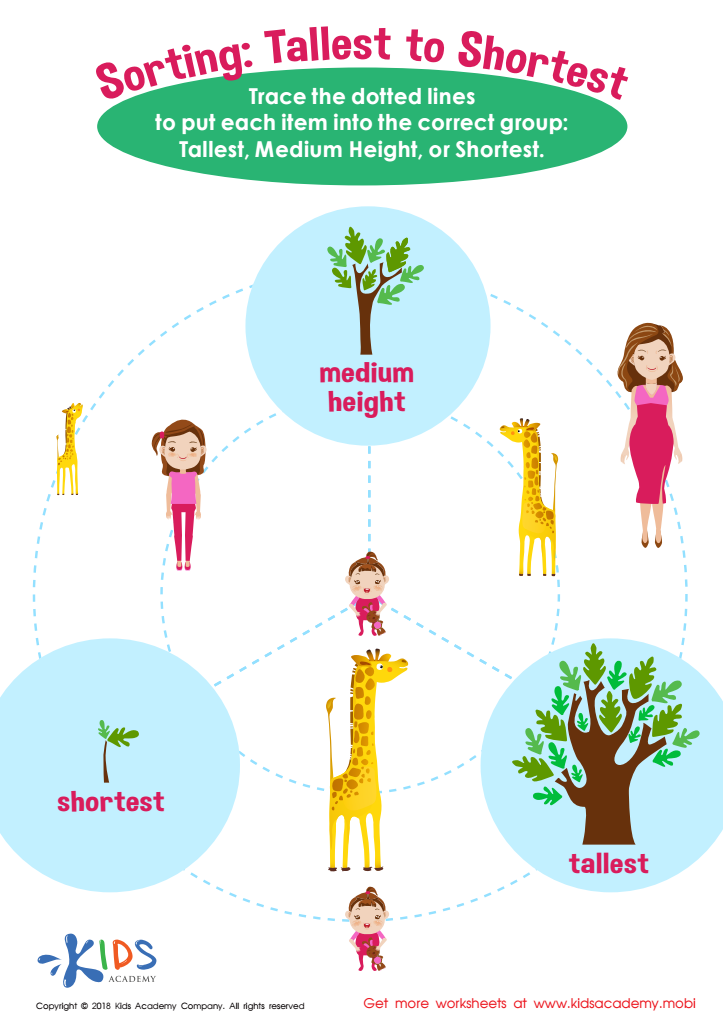
Sorting: Tallest to Shortest Worksheet




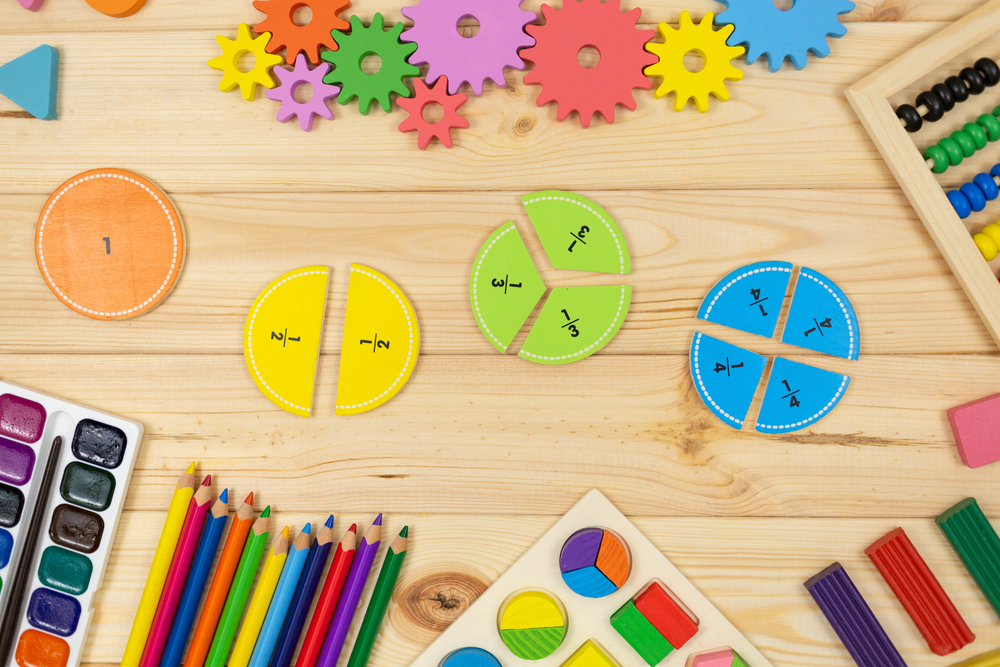



Comparison skills are a foundational aspect of normal math education, critical for early learners' cognitive development. These skills enable children to understand basic numerical relationships and build a concrete basis for more advanced math concepts. Parents and teachers who emphasize comparison skills are providing crucial support for later academic success.
Firstly, learning to compare quantities helps children grasp the concepts of "more than", "less than", and "equal to", which are essential for understanding addition, subtraction, and number value. This foundational understanding also aids in solving word problems, estimating, and making reasoned decisions in everyday life.
Moreover, comparison skills extend beyond numbers. They enhance critical thinking and analytical skills. When children keenly observe and assess various attributes like size, length, or volume, they become more detail-oriented and capable of logical reasoning. These abilities are invaluable across all subject areas, leading to overall academic improvement.
Lastly, nurturing comparison skills at home or in school fosters a positive attitude towards learning math. Early experiences with math that are engaging and relatable can dispel math anxiety and build confidence, fostering a lifelong interest and aptitude for the subject.
By prioritizing comparison skills, parents and teachers are not just enhancing math proficiency but also equipping children with life skills necessary for varied academic and real-world pursuits.








