Sorting skills Normal Math Worksheets
8 filtered results
-
From - To
Enhance your child's sorting skills with our engaging normal math worksheets! Designed for early learners, these worksheets provide a fun and interactive way to practice sorting objects based on various attributes such as size, shape, and color. Each worksheet features vibrant illustrations and clear instructions that help kids develop critical thinking and organizational skills while keeping them entertained. Ideal for both classroom use and at-home learning, our sorting skills worksheets support foundational math concepts and promote cognitive growth. Boost your child's confidence and make learning enjoyable with our carefully curated resources tailored for young minds! Explore our worksheets today!
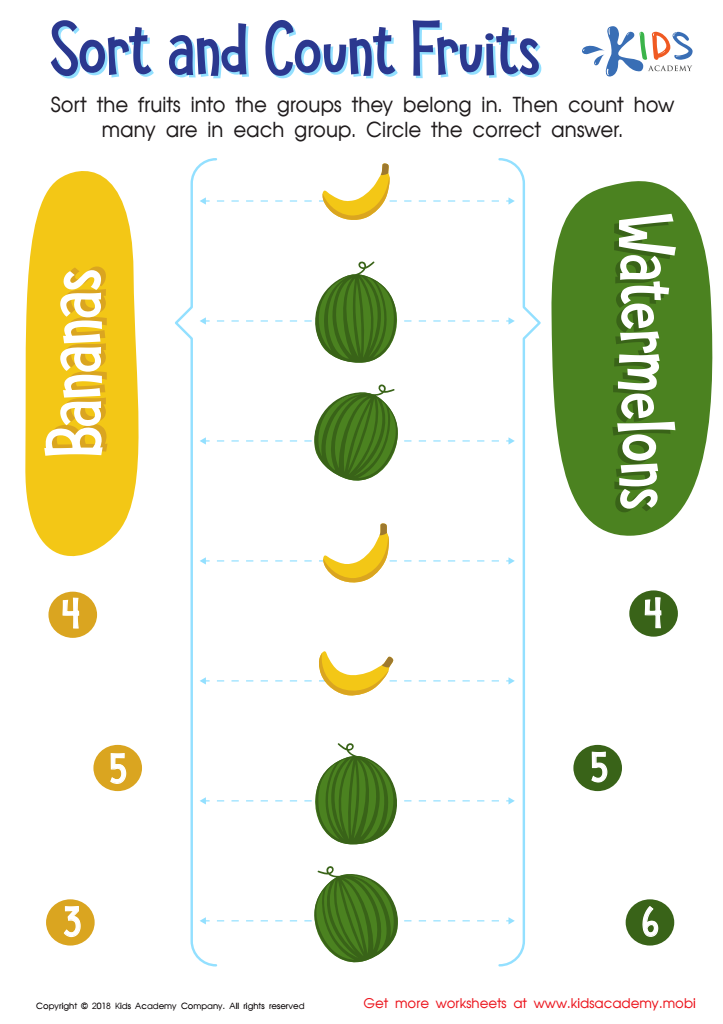
Sort and Count Fruits Worksheet
 Assign to My Students
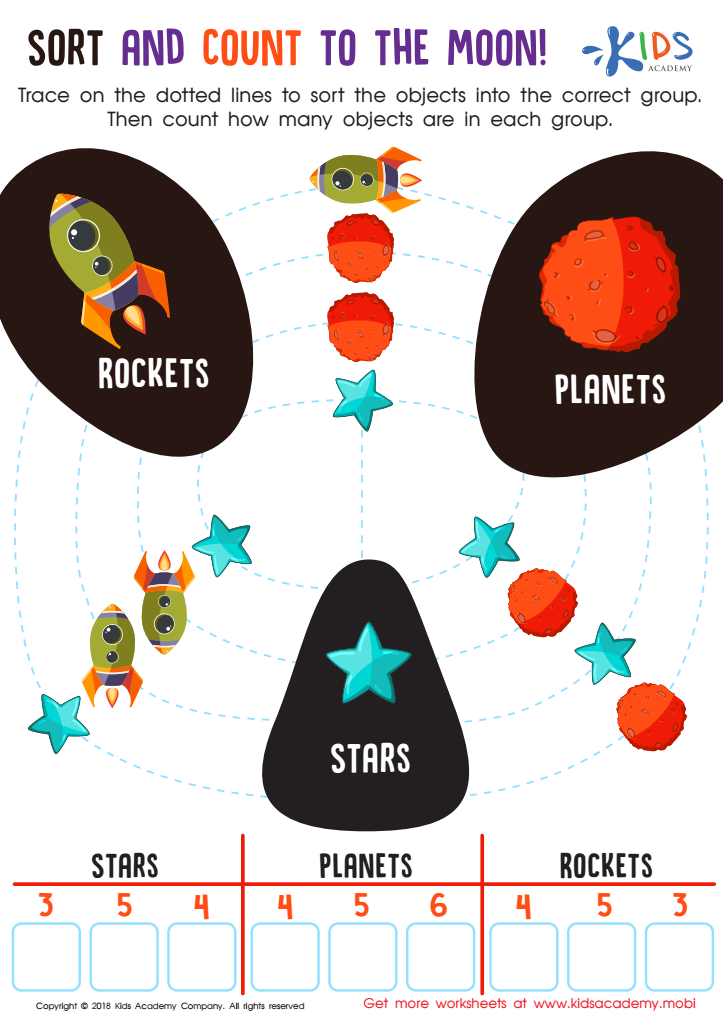
Sort and Count to the Moon Worksheet
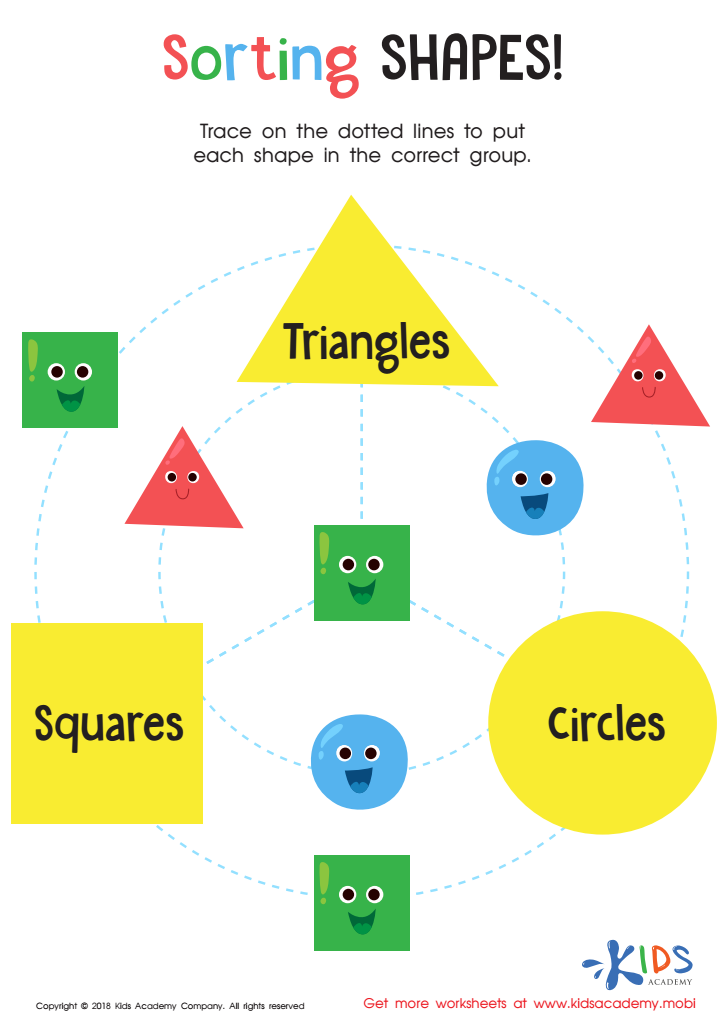
Sorting Shapes - Part 3 Worksheet
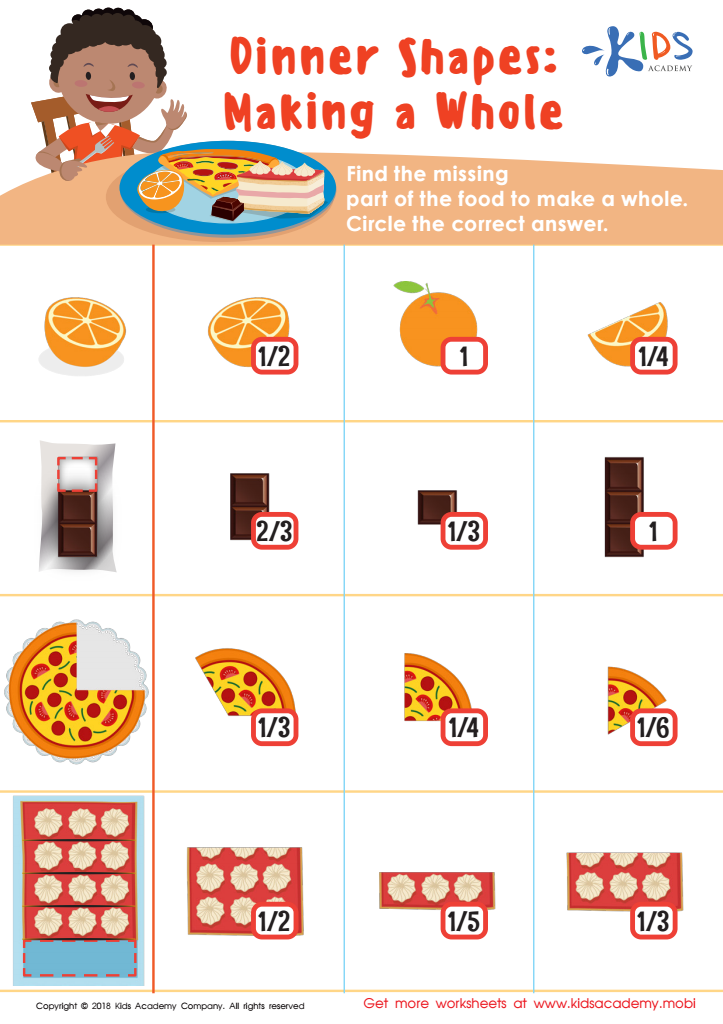
Dinner Shapes: Making a Whole Worksheet
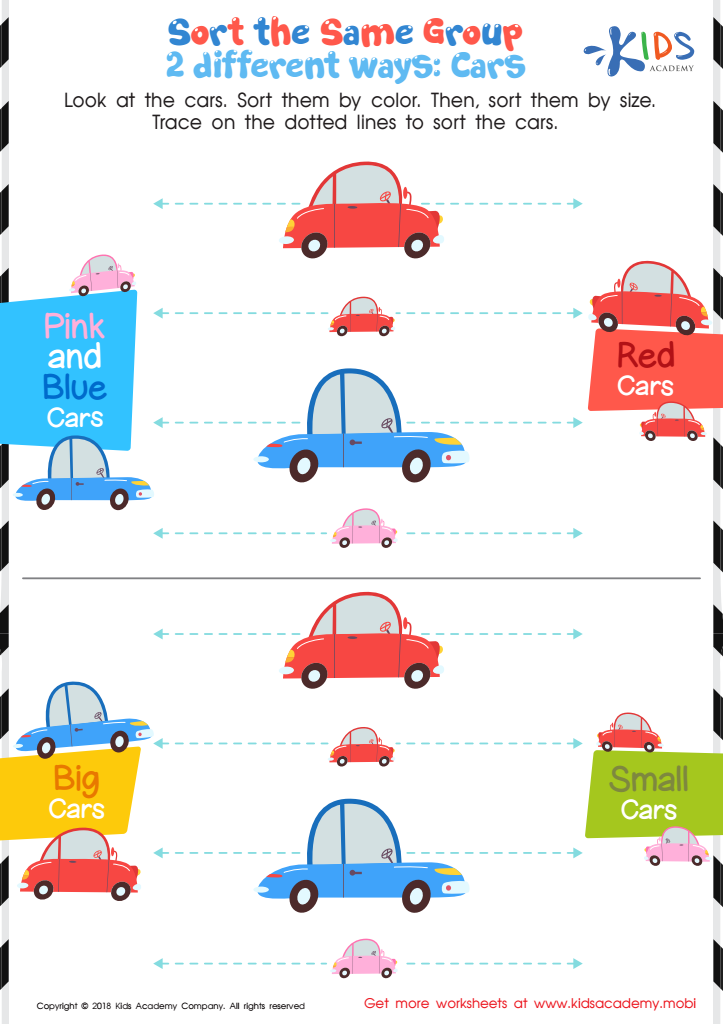
Sort the Same Group 2 Different Ways: Cars Worksheet
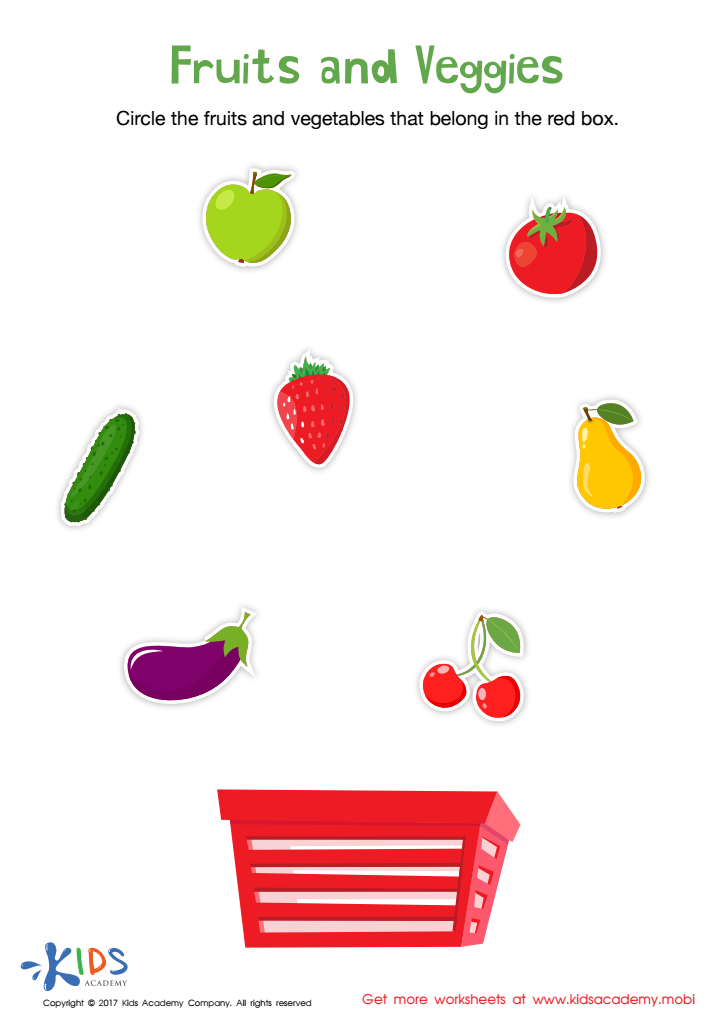
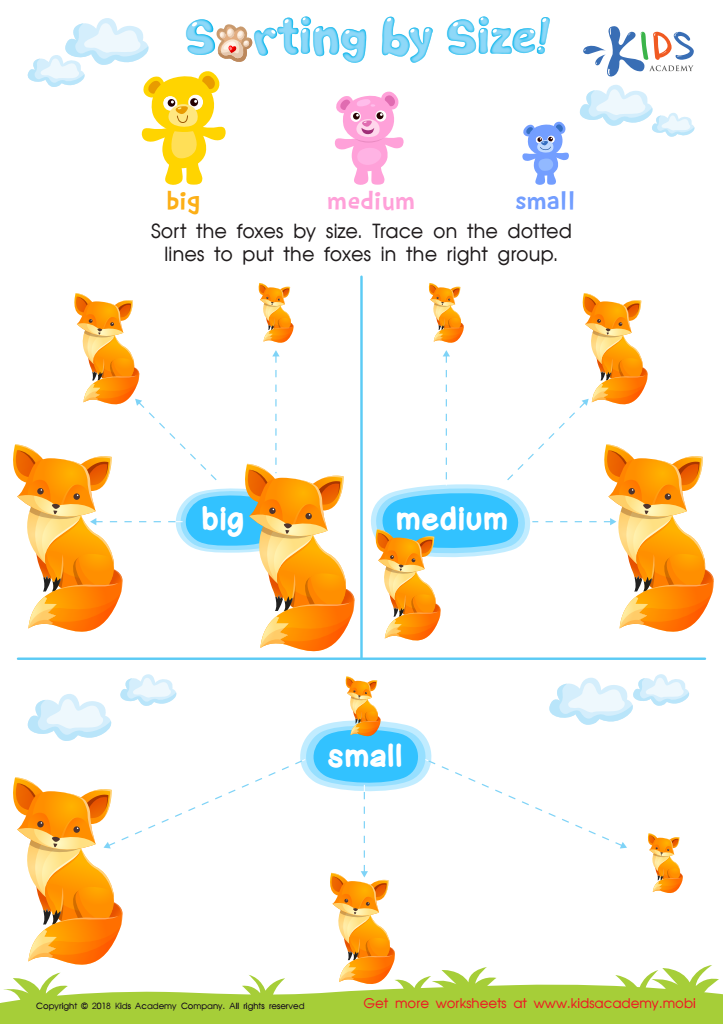
Sorting by Size Worksheet
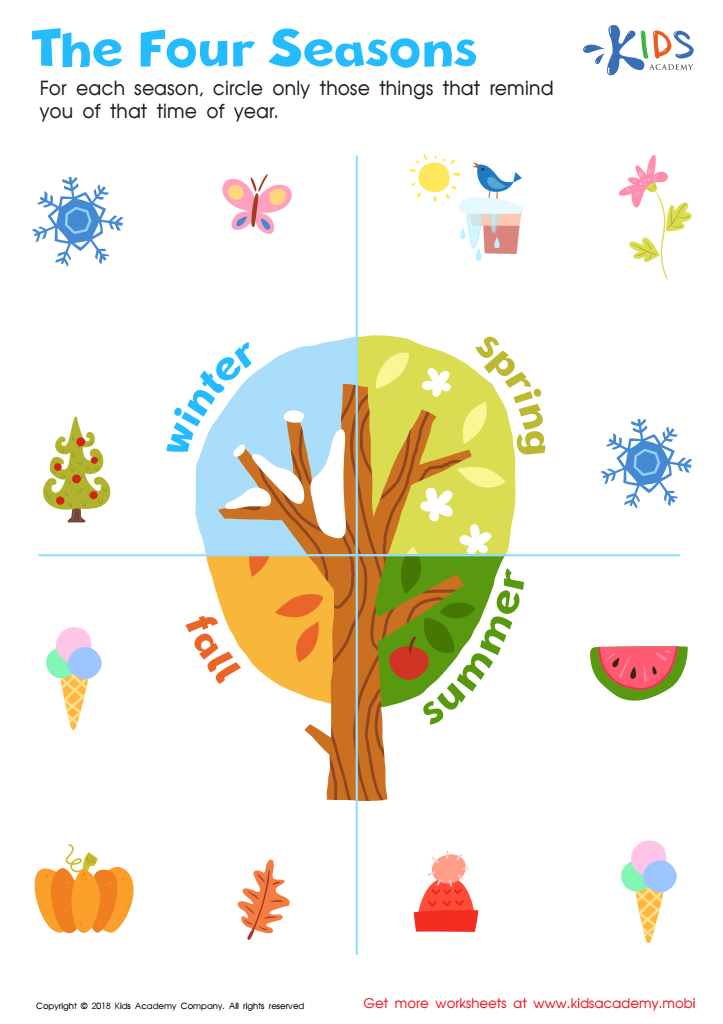
The Four Seasons Worksheet








Sorting skills are foundational to a child's mathematical development and critical thinking abilities. At an early age, children learn to categorize objects based on different attributes such as shape, size, color, and quantity. This process helps them understand relationships and patterns, laying the groundwork for more complex mathematical concepts. By mastering sorting, children develop cognitive abilities including problem-solving and logical reasoning, which are essential throughout their education and everyday life.
Furthermore, sorting skills improve a child's ability to organize information, which can enhance their comprehension and retention in other subjects. For teachers and parents, supporting the development of these skills can encourage independence and boost self-confidence in young learners. Incorporating sorting activities in various contexts, such as during play or practical exercises, makes learning engaging and promotes an appreciation for mathematics.
Lastly, sorting fosters collaboration and social skills, as children often work together to categorize items. Recognizing the importance of sorting skills helps teachers design lessons that strengthen fundamental math foundations, preparing students for future academic success. Parents and educators should prioritize these skills, as they form the basis for critical thinking and lifelong learning, ultimately shaping a well-rounded thinker.








