Understanding directions Normal Math Worksheets
3 filtered results
-
From - To
Discover the "Understanding Directions Normal Math Worksheets" for young learners, designed to enhance critical thinking and comprehension skills. Our engaging worksheets focus on helping students grasp directional concepts essential for mastering math problems. These activities use simple language and relatable scenarios, fostering confidence in following directions while developing essential math skills. Perfect for children in early grades, these worksheets promote independent learning and problem-solving abilities, ensuring that students can understand and apply instructions effectively. Enhance your teaching toolkit and empower your students with clear guidance and practice through our thoughtfully crafted math worksheets, making learning enjoyable and interactive!
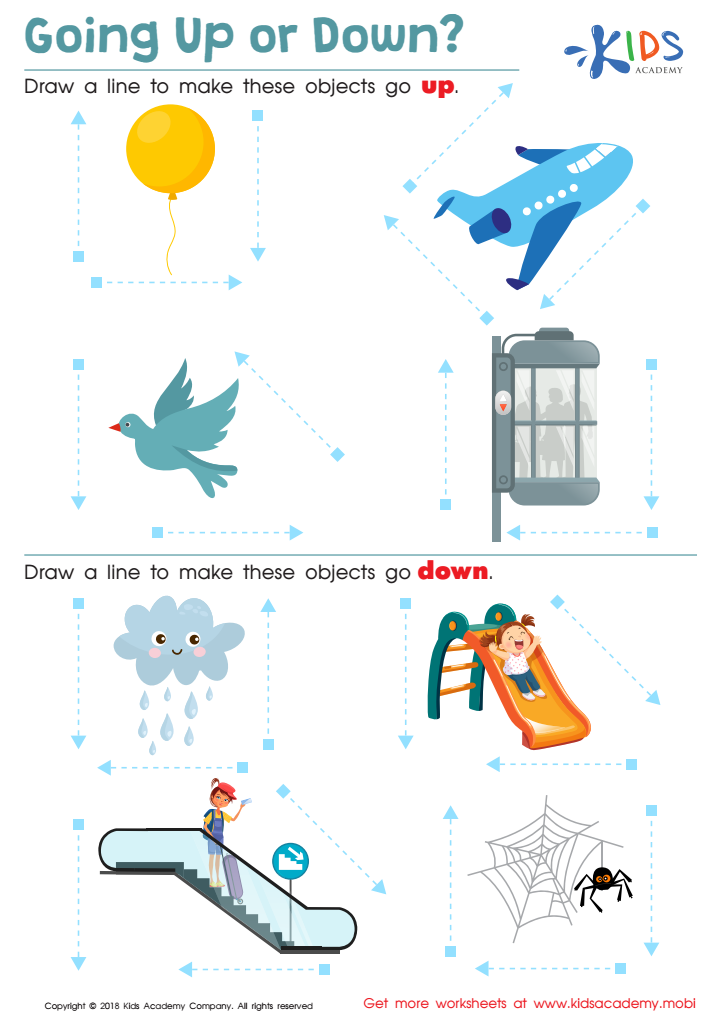
Going up or Down? Worksheet
 Assign to My Students
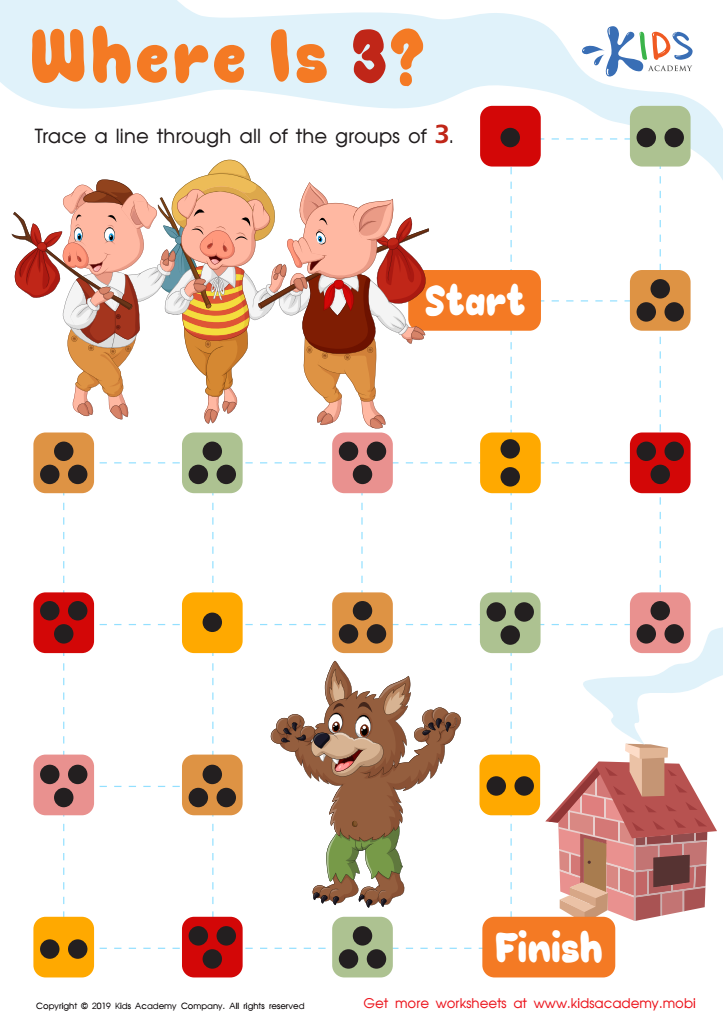
Where Is 3? Worksheet
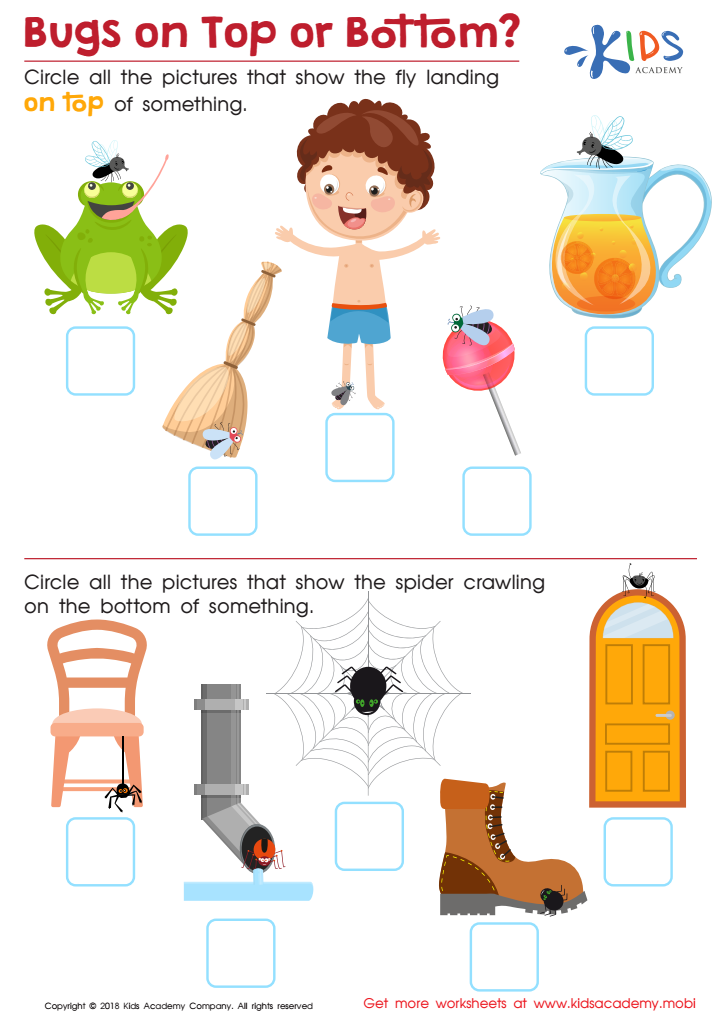
Bugs on Top or Bottom? Worksheet







Understanding directions in Normal Math is crucial for both parents and teachers because it lays the foundation for students' overall mathematical competence and confidence. Clear understanding of directions ensures that children can accurately interpret what is being asked of them, which directly impacts their ability to complete tasks correctly. When children grasp mathematical concepts and can follow multimodal directives—like verbal, written, or even visual instruction—they become more independent learners, better equipped to tackle challenges in both academic and everyday scenarios.
Moreover, strong directional comprehension fosters critical thinking skills, allowing children to break down complex problems and follow step-by-step solutions. For parents, especially, witnessing their child master direction-based tasks can be empowering, enabling them to better support their child's learning journey. It encourages positive engagement in math, transforming it from a dreaded subject into an enjoyable and interactive experience.
Finally, understanding directions is not limited to math alone; it translates into broader life skills, helping children navigate instructions in various contexts, from following recipes to engaging in sports. By nurturing this skill in students, parents and teachers create a strong foundation for lifelong learning and problem-solving abilities.








