Vocabulary development Normal Math Worksheets
7 filtered results
-
From - To
Enhance your child’s language skills with our Vocabulary Development Normal Math Worksheets! Designed to engage and educate, these worksheets seamlessly blend math concepts with vocabulary enrichment. Students will explore mathematical language, improving their understanding of key terms while practicing essential skills such as addition, subtraction, and problem-solving. Our user-friendly format fosters independent learning, making it easy for students to grasp complex ideas. Perfect for early learners, these resources build a strong foundation for future academic success. Download and print our worksheets today to support your child's growth in both math and vocabulary, ensuring they become confident, well-rounded learners!
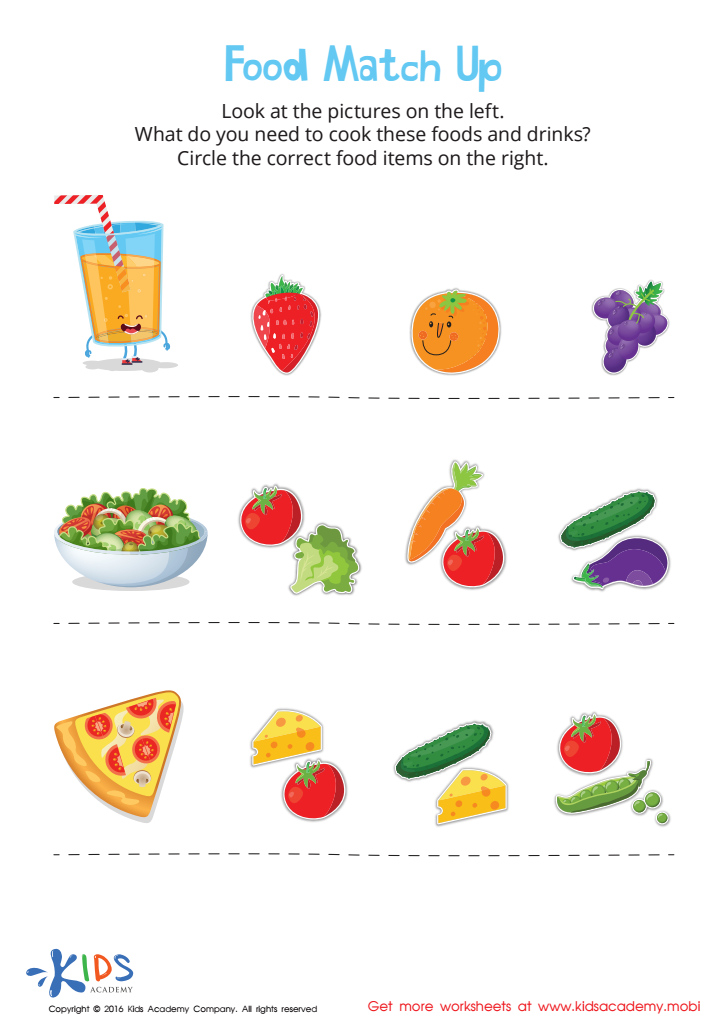
Food Match Up Worksheet
 Assign to My Students
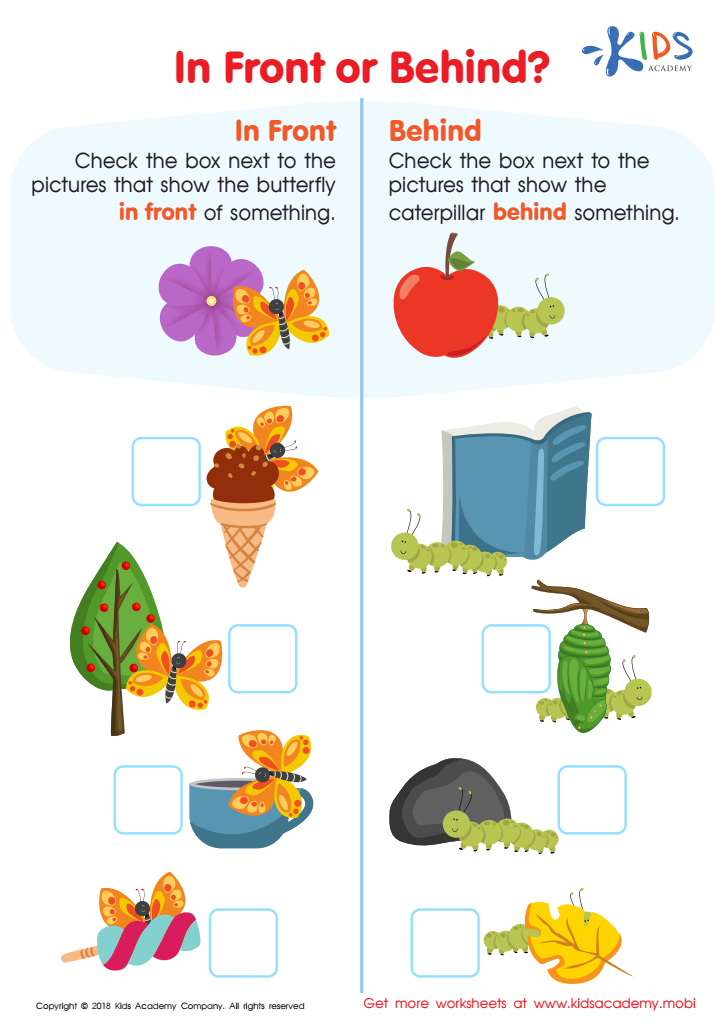
In Front or Behind Worksheet
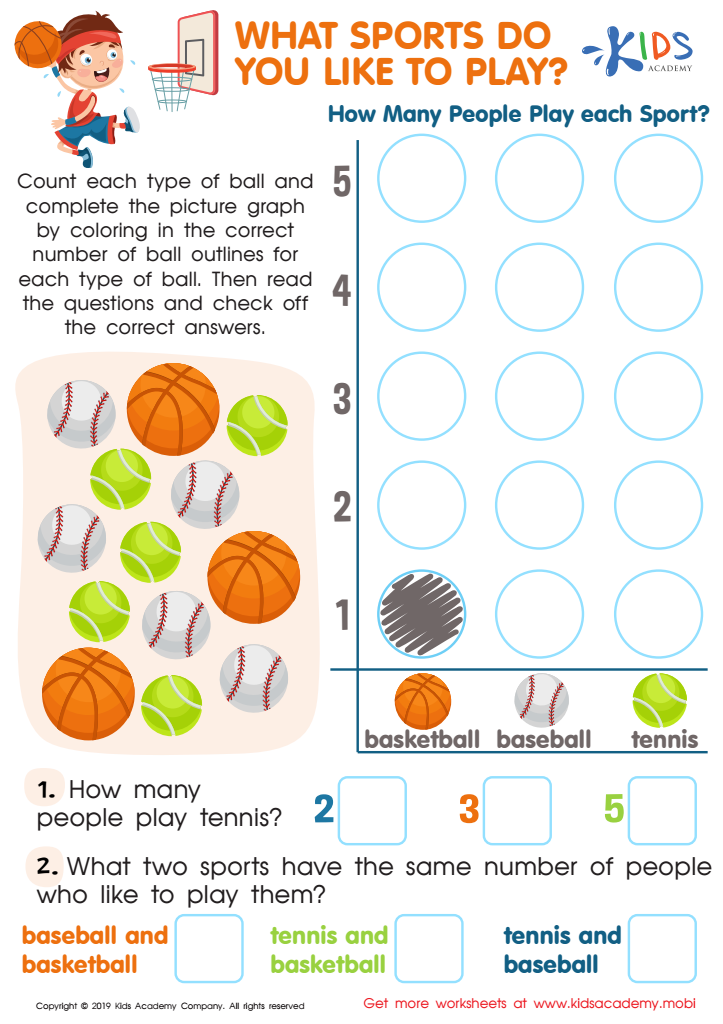
What Sports Do You Like to Play Worksheet
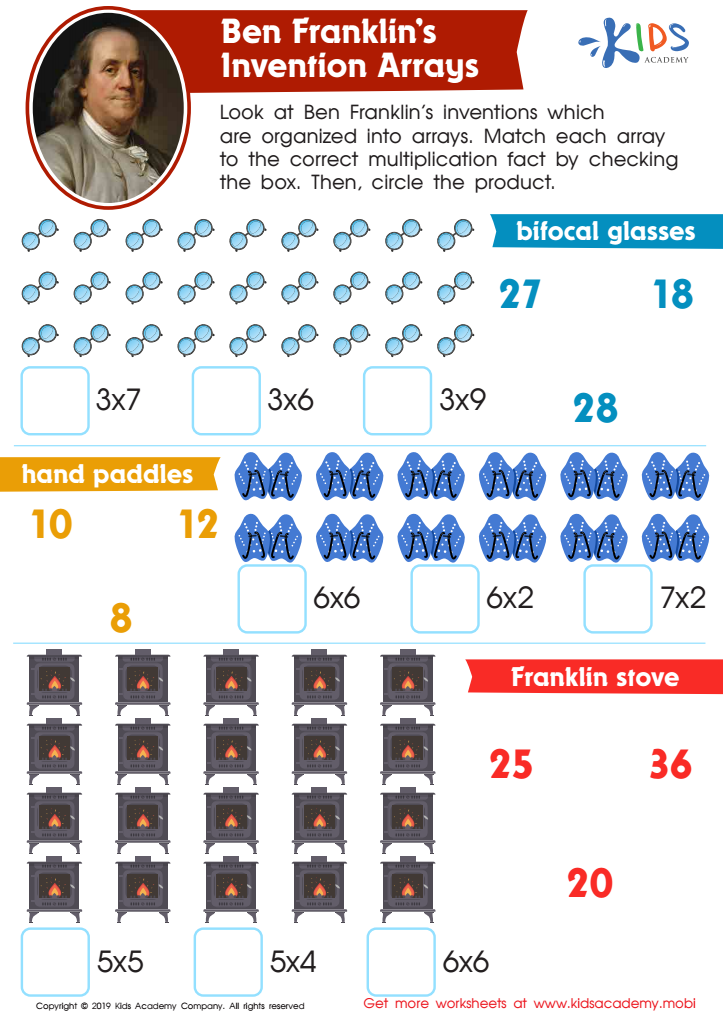
Ben Franklin’s Invention Arrays Worksheet
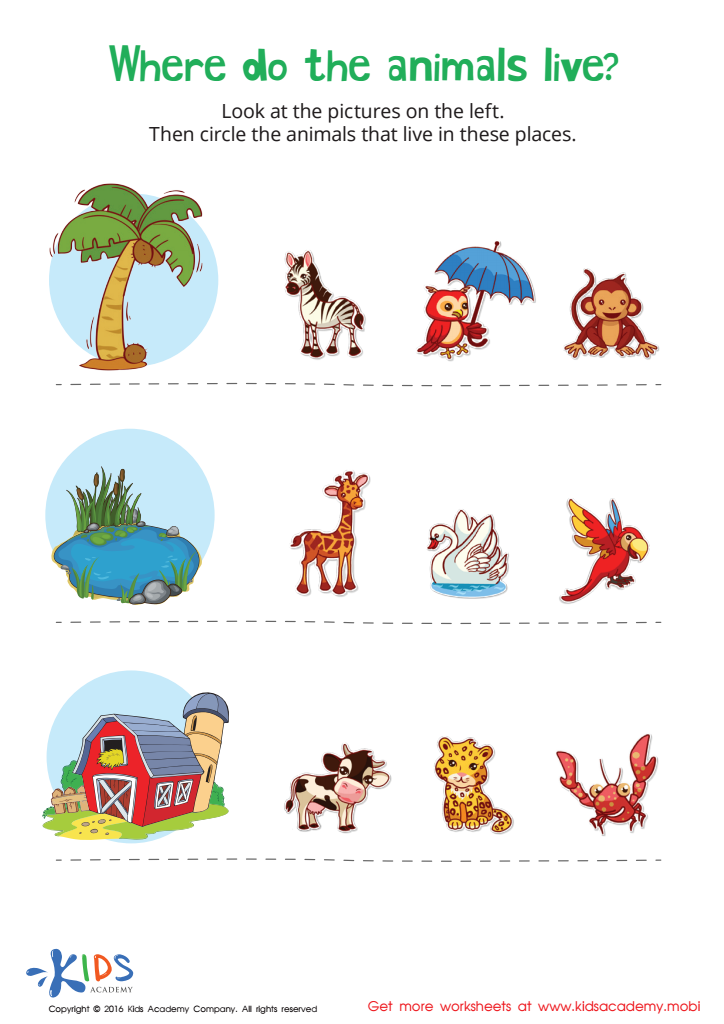
Where Animals Live Worksheet
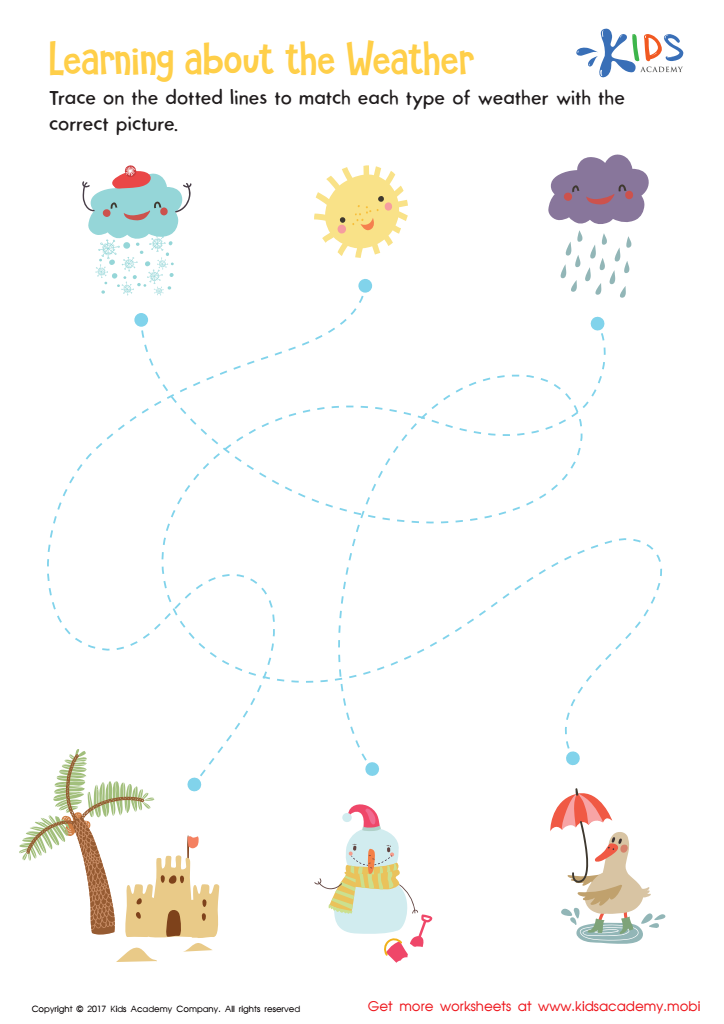
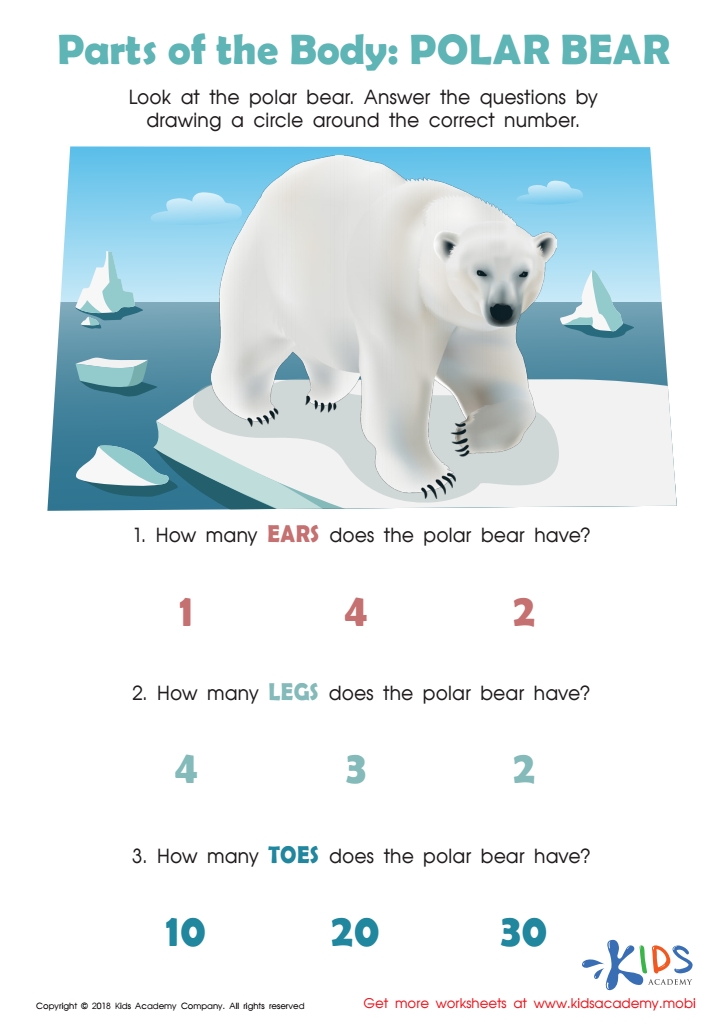
Parts of the Body: Polar Body Worksheet








Vocabulary development in early education, particularly in subjects such as mathematics, is crucial for several reasons. First, a strong vocabulary serves as the foundation for comprehension. Children must understand mathematical terms, symbols, and concepts to solve problems effectively. When students encounter words like "sum," "difference," or "equivalent," their grasp of these terms directly influences their ability to grasp the underlying mathematical principles.
Furthermore, vocabulary is linked to overall academic success. Research indicates that early vocabulary skills predict future reading abilities, which are crucial in all subjects, including math. Students with a rich vocabulary can better articulate their thoughts, ask questions, and engage in discussions, leading to a deeper understanding of mathematical concepts.
Moreover, developing vocabulary helps foster critical thinking and problem-solving skills. It empowers students to express their reasoning, discuss methods with peers, and approach math with confidence. For parents and teachers, prioritizing vocabulary development ensures that students not only excel in math but also build a versatile set of skills that will benefit them across all areas of learning. By instilling strong vocabulary skills, we equip children for future academic challenges and life experiences.








