Fine Motor Skills Normal Matching Worksheets
4 filtered results
-
From - To
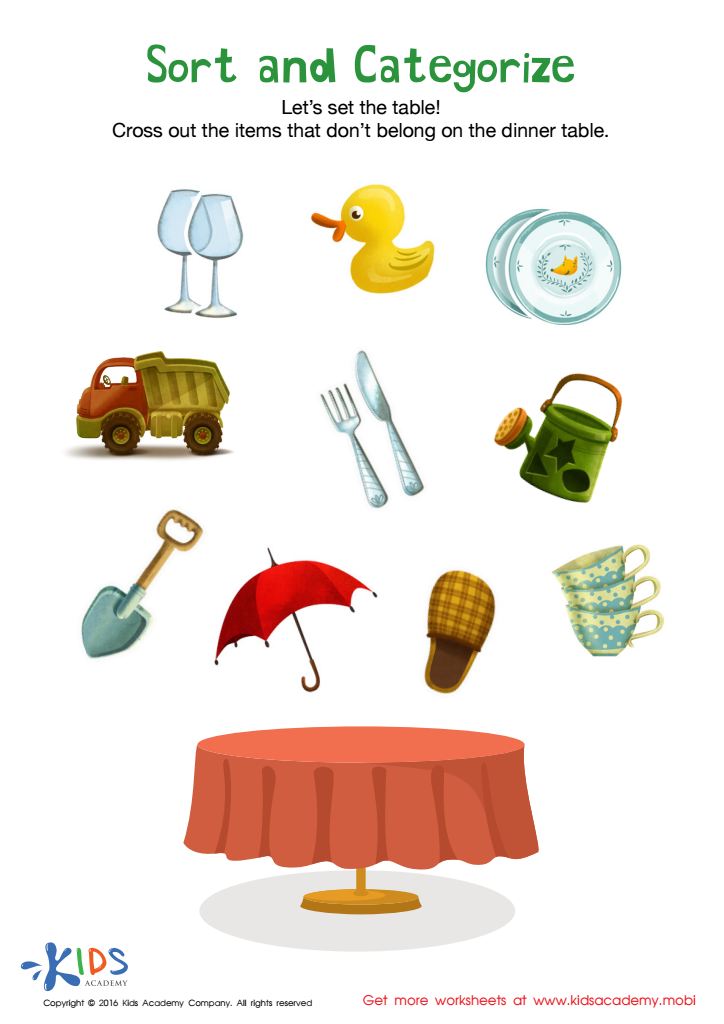
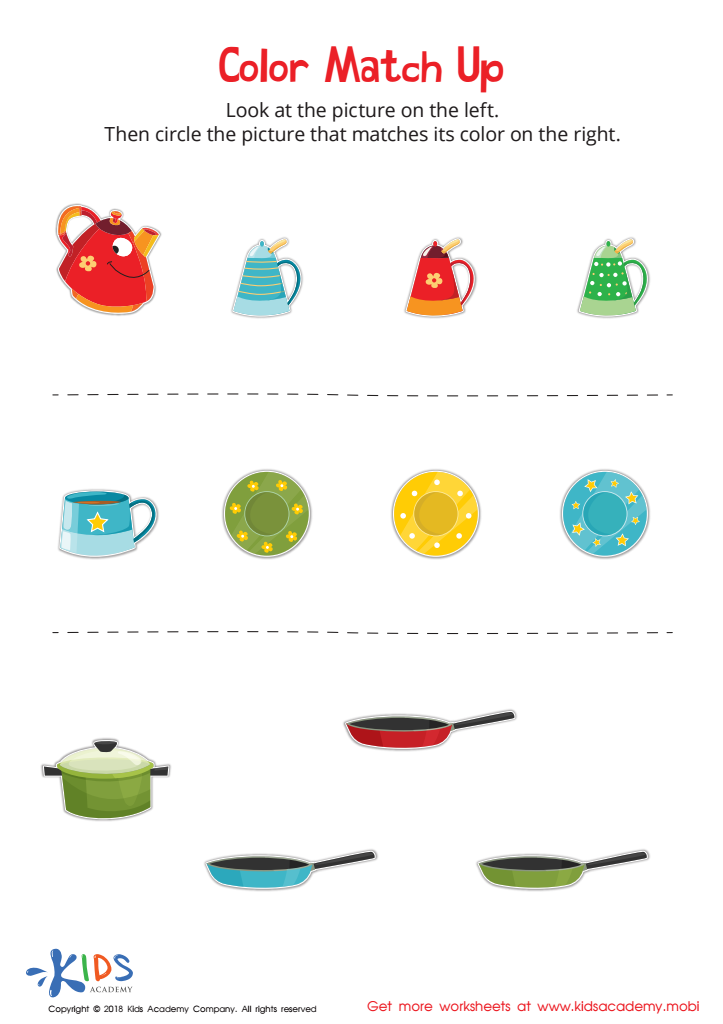
Introduce your child to the world of fine motor skills with our comprehensive set of Matching Worksheets. Specifically designed for young learners, these engaging and fun activities help children develop their hand-eye coordination, precision, and pencil control. Perfect for budding minds, our worksheets are comprised of thoughtfully created tasks such as drawing lines to connect pairs, tracing shapes, and matching pictures. Each worksheet not only builds essential motor skills but also boosts cognitive abilities and memory. Suitable for at-home practice or classroom use, these activities lay a strong foundation for writing and daily tasks. Cultivate your child's find motor skills today!
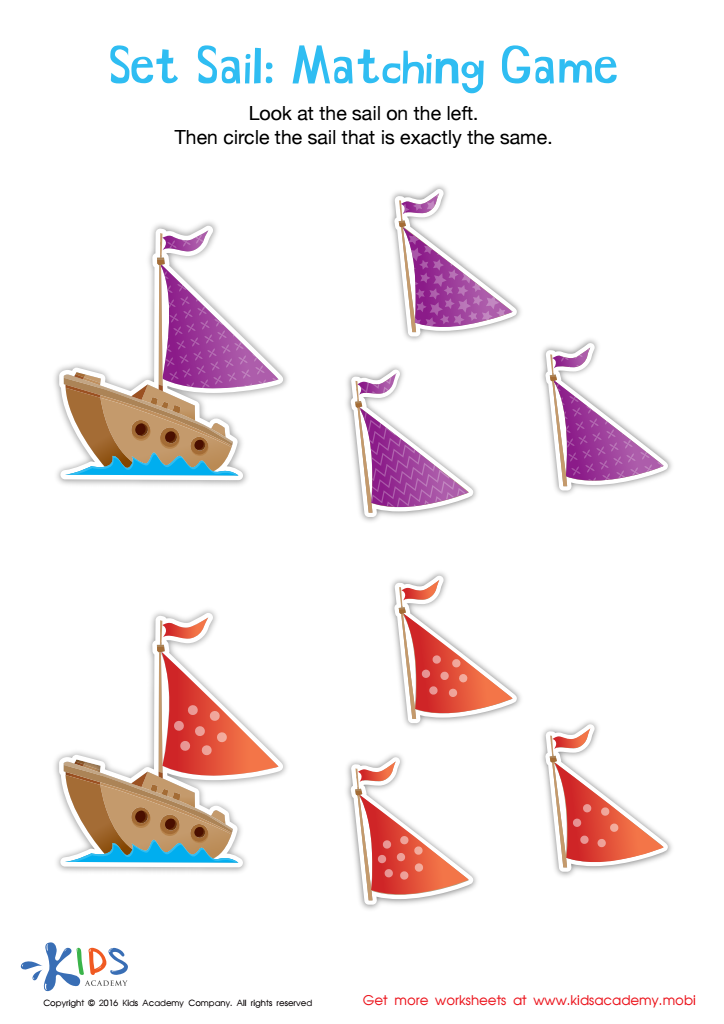
Set Sail Worksheet
 Assign to My Students
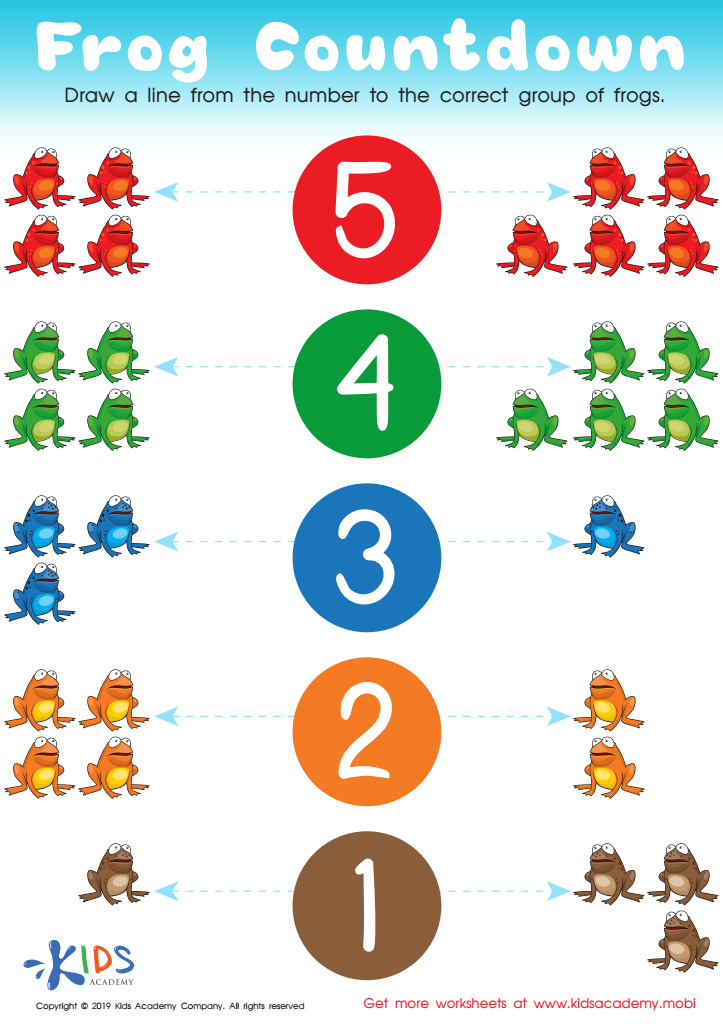
Frog Countdown Worksheet








Fine motor skills are essential for children’s overall development and academic success, thus meriting careful attention from both parents and teachers. These skills involve the coordination of small muscle movements in the hands and fingers, enabling children to perform tasks such as writing, buttoning clothes, and using utensils. Proficiency in fine motor skills is foundational for learning to write; a child who struggles with these skills may find it challenging to form letters, stay within the lines, or control a pencil. This can impact not just penmanship, but also a child’s confidence, academic performance, and classroom participation.
Additionally, fine motor skills influence a child’s ability to perform self-care tasks, which contribute to their independence and self-esteem. When children can easily dress themselves, eat without assistance, and manage other everyday functions, they build a sense of autonomy and competence.
From a developmental perspective, fine motor skills are intertwined with cognitive skills. Activities that promote these skills, like puzzles and drawing, also enhance problem-solving abilities, spatial awareness, and creativity. Recognizing and fostering fine motor skill development can prevent future challenges, support academic success, emotional well-being, and promote a lifetime of learning and independence.operand








