Visual discrimination Normal Matching Worksheets
3 filtered results
-
From - To
Boost your child's cognitive skills with our Visual Discrimination Normal Matching Worksheets! These engaging worksheets are expertly designed to enhance visual perceptual abilities and critical thinking in early learners. Children practice recognizing and distinguishing shapes, patterns, and objects, an essential skill for reading and math success. Ideal for preschool to elementary grades, our worksheets turn learning into an enjoyable experience. Perfect for classroom and at-home use, they support educational development through fun and interactive matching exercises. Help your child excel with our high-quality, printable worksheets that make mastering visual discrimination skills exciting and effective!
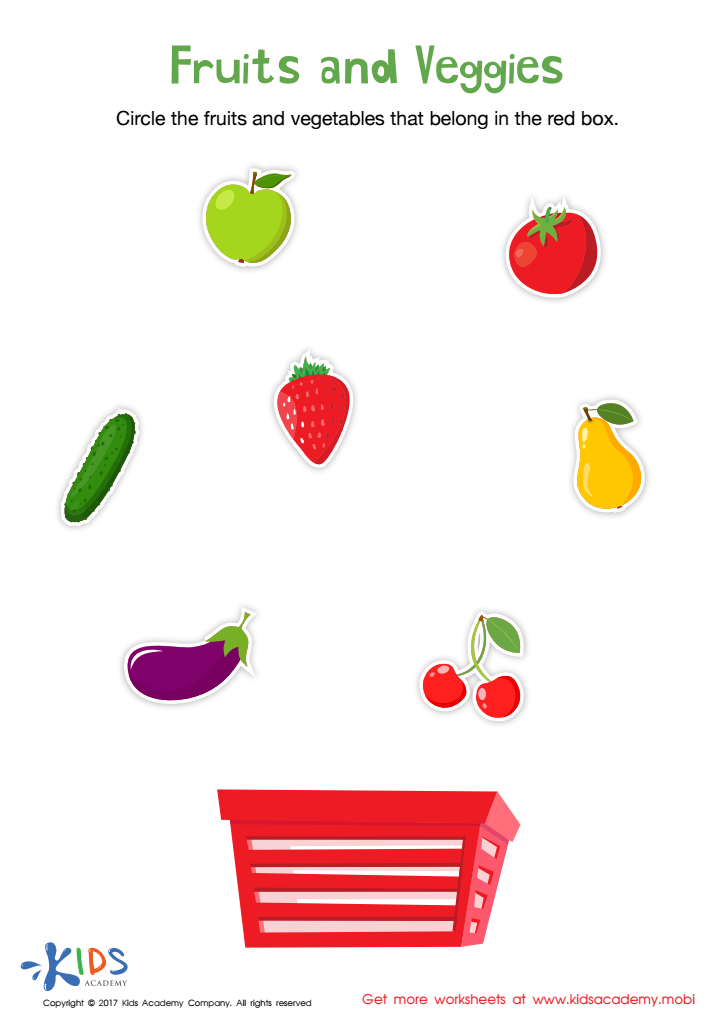
 Assign to My Students
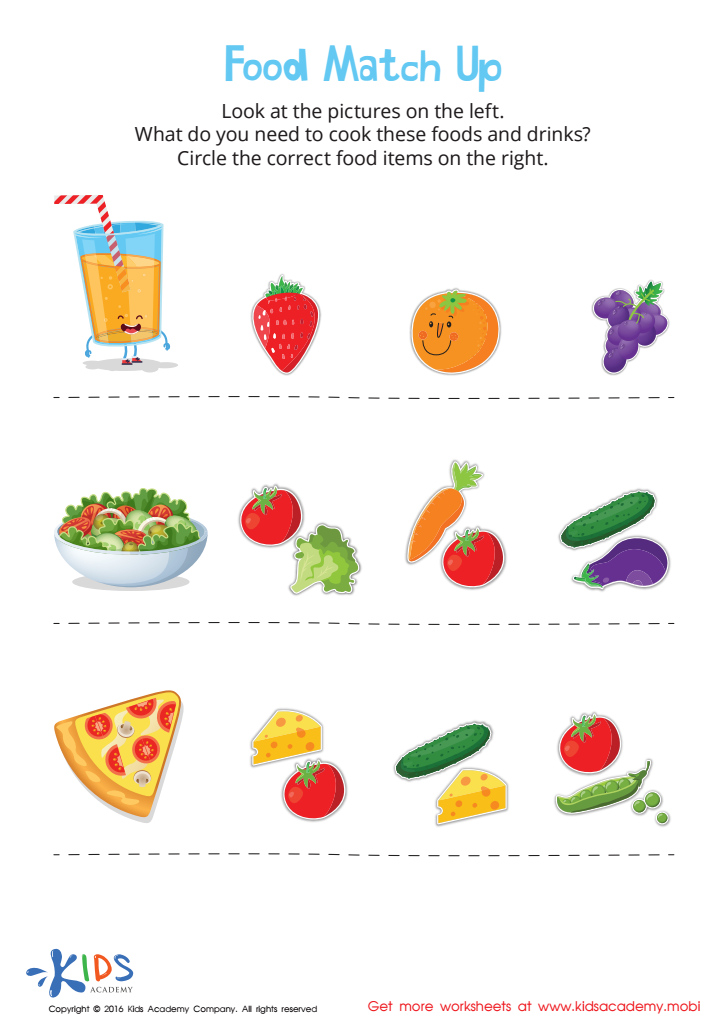
Food Match Up Worksheet
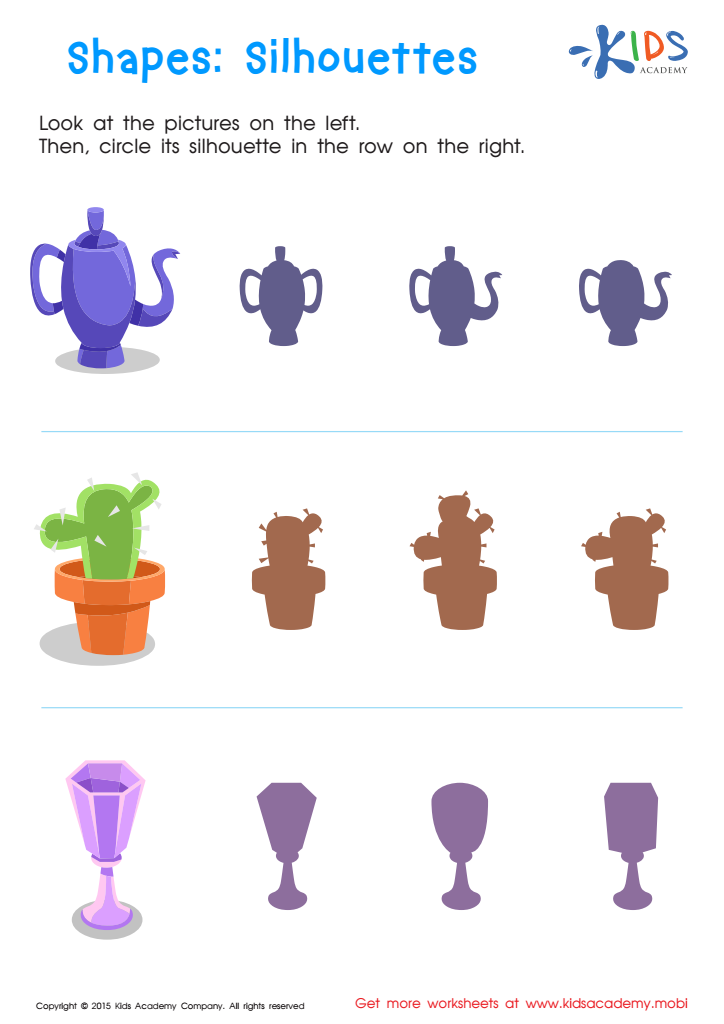
Silhouettes – Shapes Worksheet




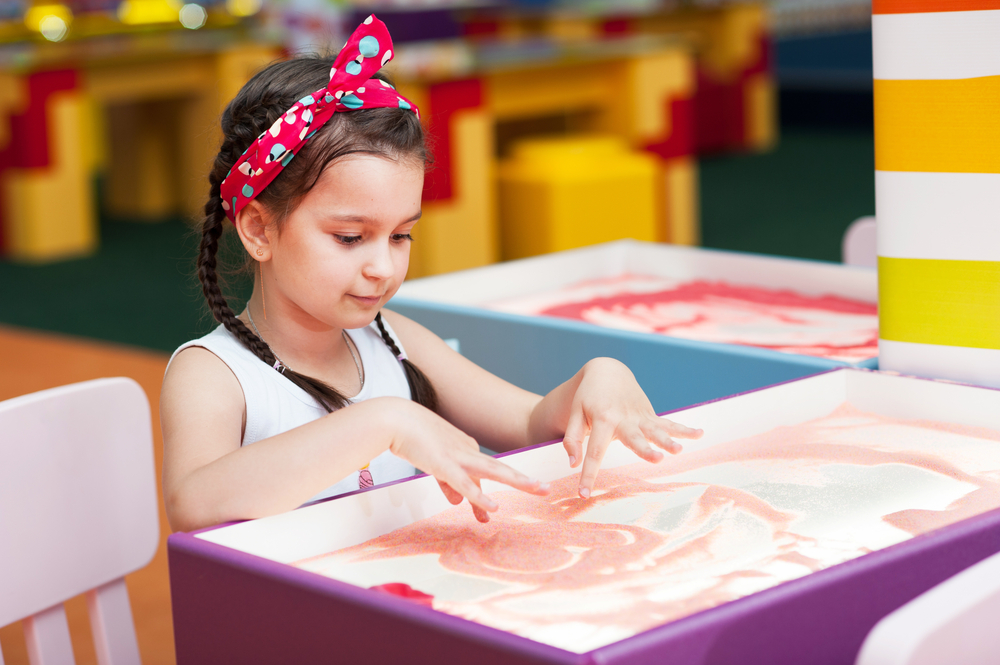


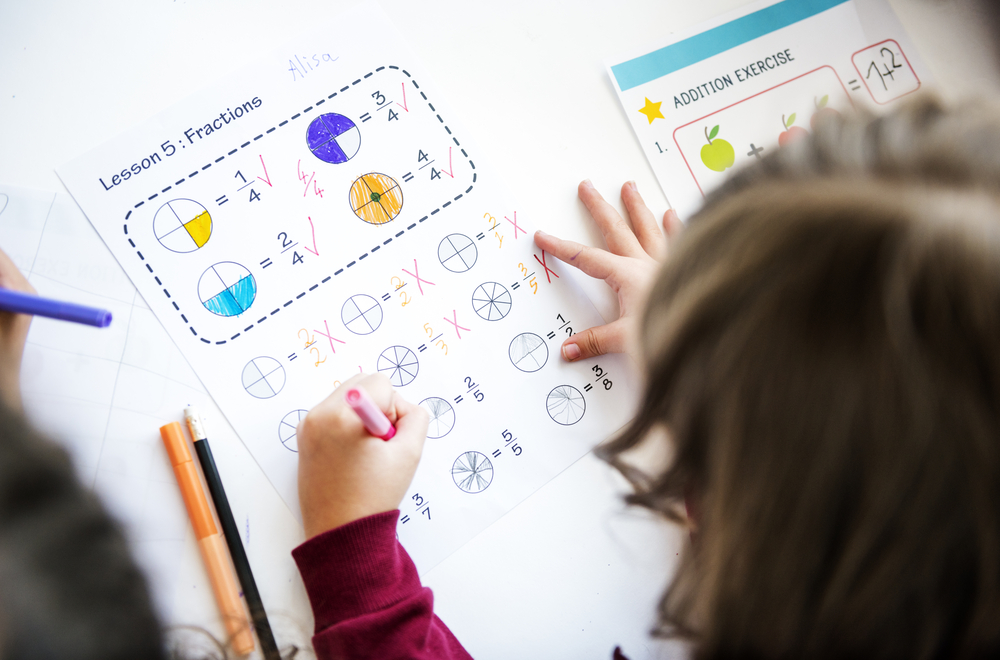
Visual discrimination is the ability to notice and compare the features of different items and distinguish one item from another that may be similar. This cognitive skill is vital for early learners as it influences their capacities in essential academic areas, such as reading, writing, and mathematics.
Parents and teachers should pay close attention to visual discrimination and normal matching because these skills underpin the recognition of letters and numbers, which are foundational for literacy and numeracy. For instance, discernment between similarly shaped letters, such as 'b' and 'd,' or similar numbers, such as '6' and '9,' is paramount for accurate reading and comprehension. Without strong visual discrimination, children might struggle to understand printed text, leading to broader academic difficulties.
Moreover, visual discrimination is pivotal in the development of fine motor skills and hand-eye coordination, enabling children to replicate shapes, patterns, and sequences. Inconsistent ability in these areas can impair writing skills and everyday actions like tying shoelaces or cutting with scissors.
By fostering visual discrimination through engaging activities and structured practice, parents and teachers can help ensure children build a robust academic foundation, promoting confidence and curiosity in their educational journey. Early attention to and intervention in this area can rectify potential learning challenges, paving the way for a more successful school experience.








