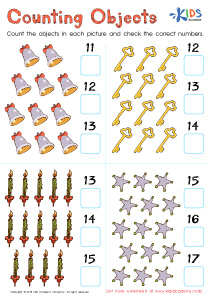
Addition Practice Normal Place Value Worksheets
5 filtered results
-
From - To
Enhance your child's math skills with our Addition Practice Normal Place Value Worksheets! Designed for young learners, these engaging resources focus on the fundamentals of addition while reinforcing place value concepts. Each worksheet provides fun exercises that help children grasp the relationship between numbers, making addition a breeze. Our printable worksheets cater to various learning levels, ensuring that every child can build confidence in their math abilities. Perfect for both classroom and home use, these worksheets promote critical thinking and independent learning. Download your free Addition Practice worksheets today and watch your little ones excel in math!
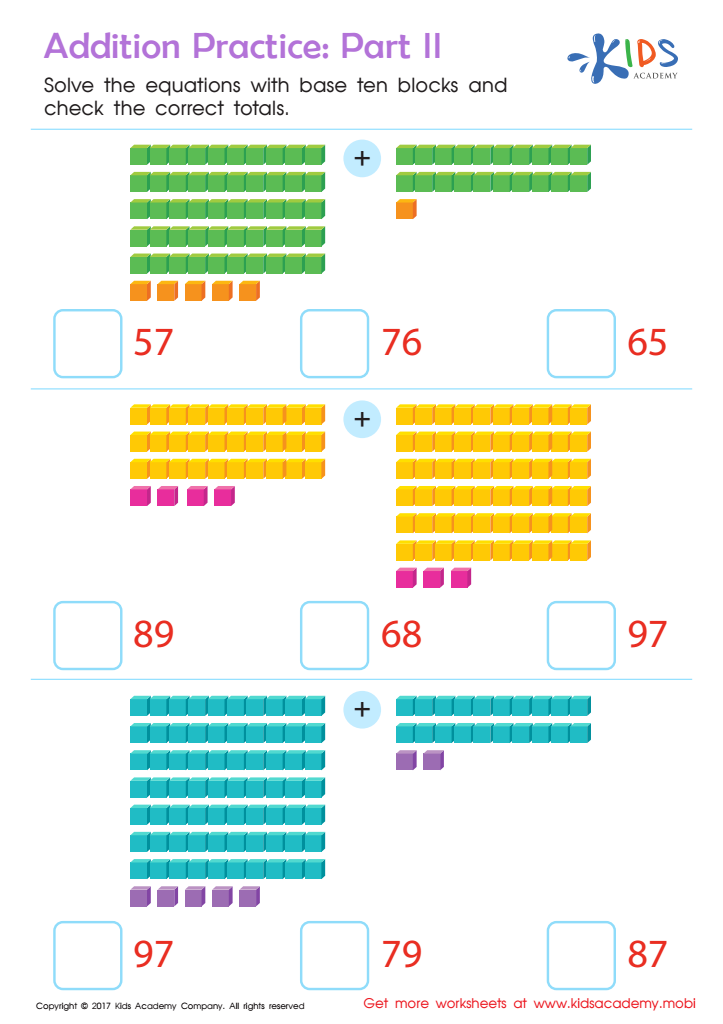
Addition Practice Sheet: Part 2
 Assign to My Students
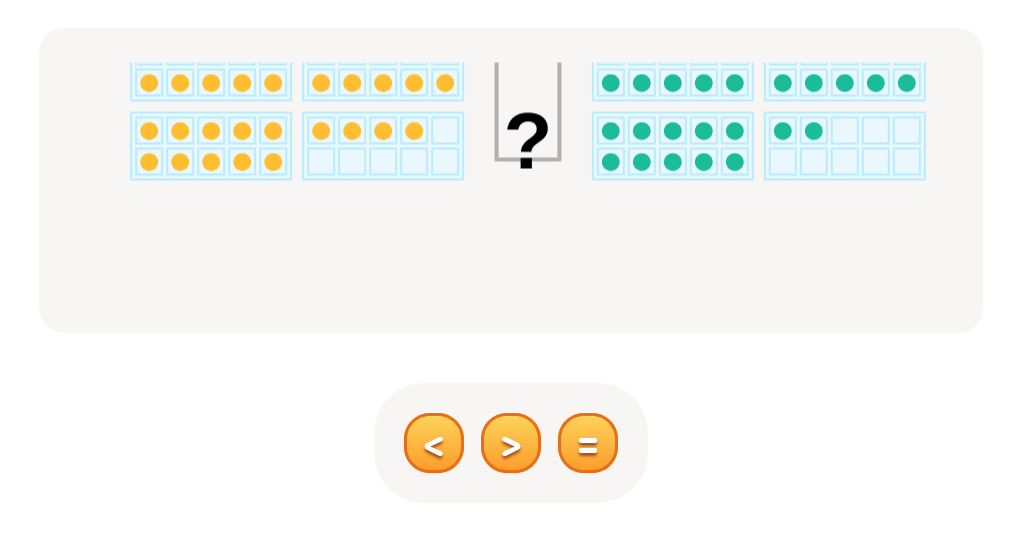

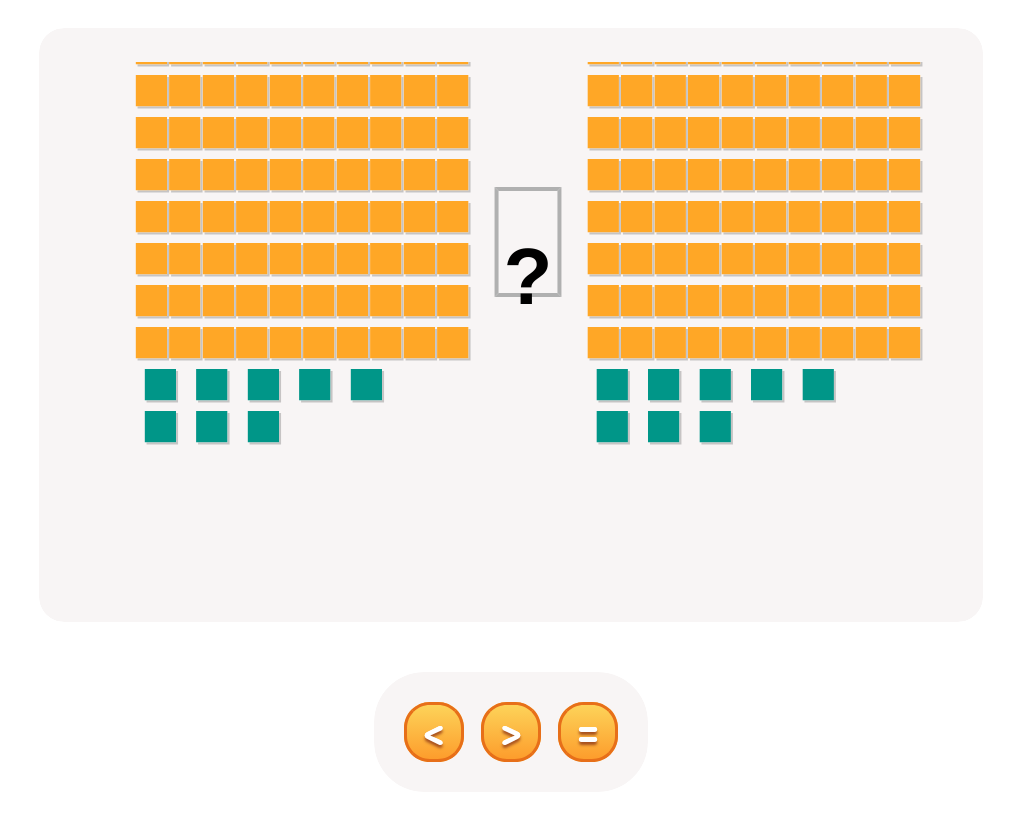
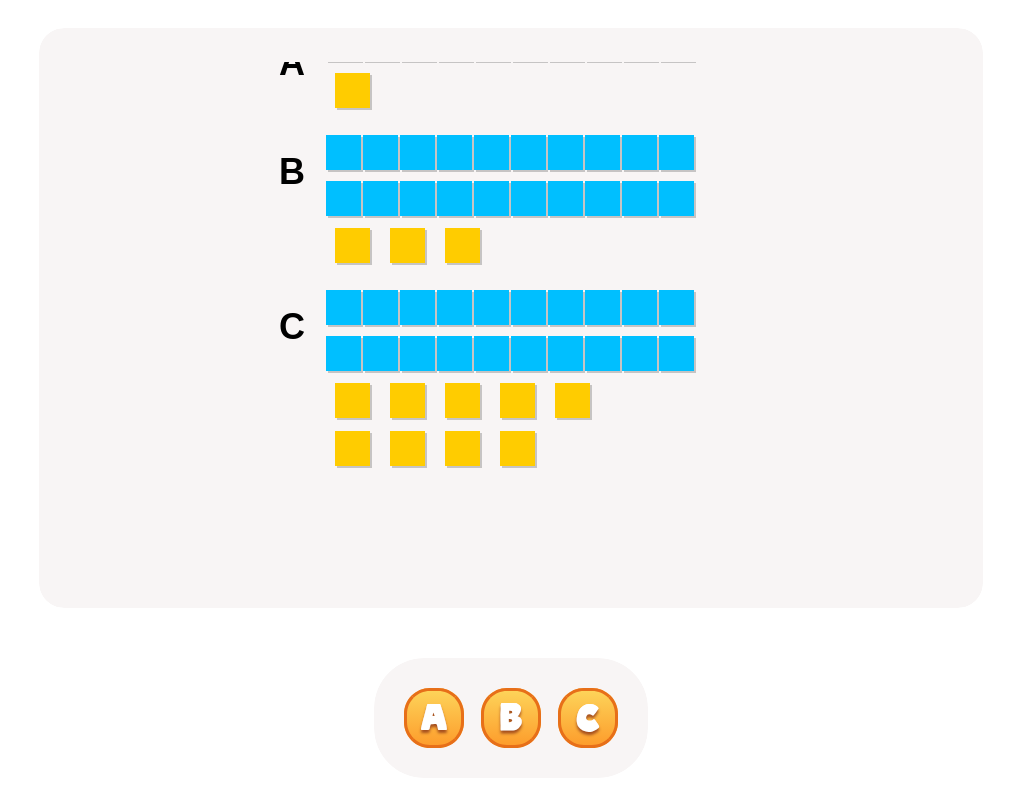
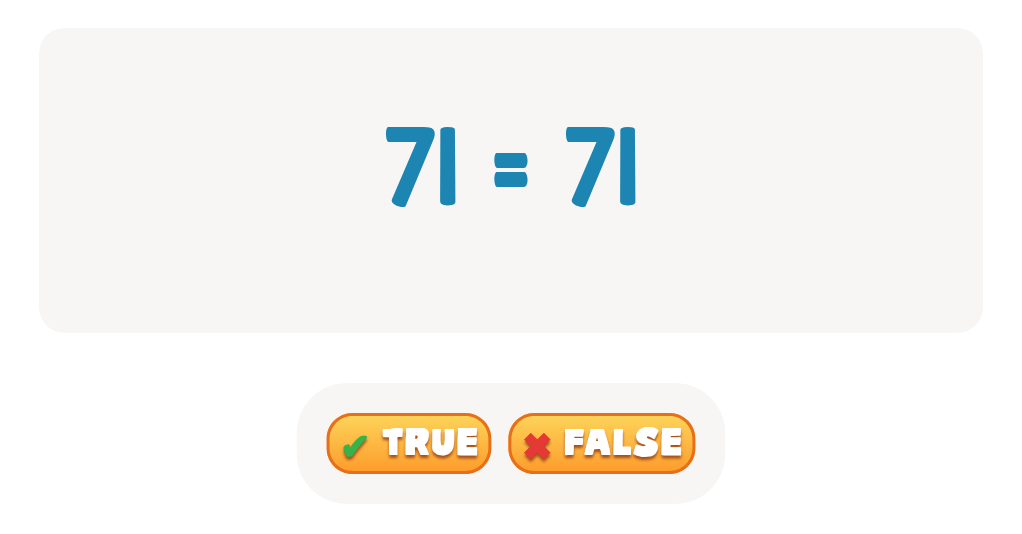
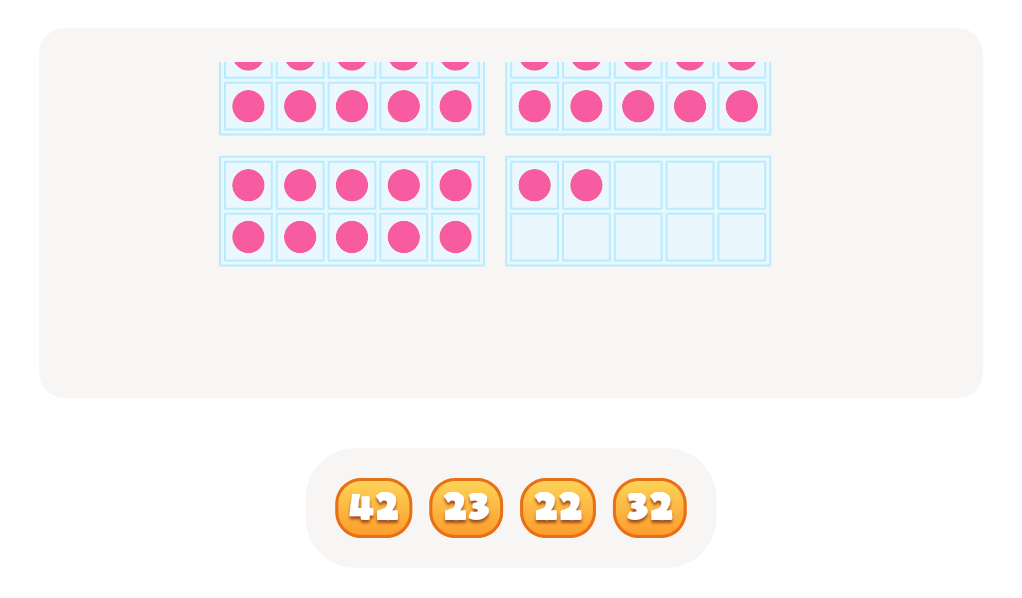
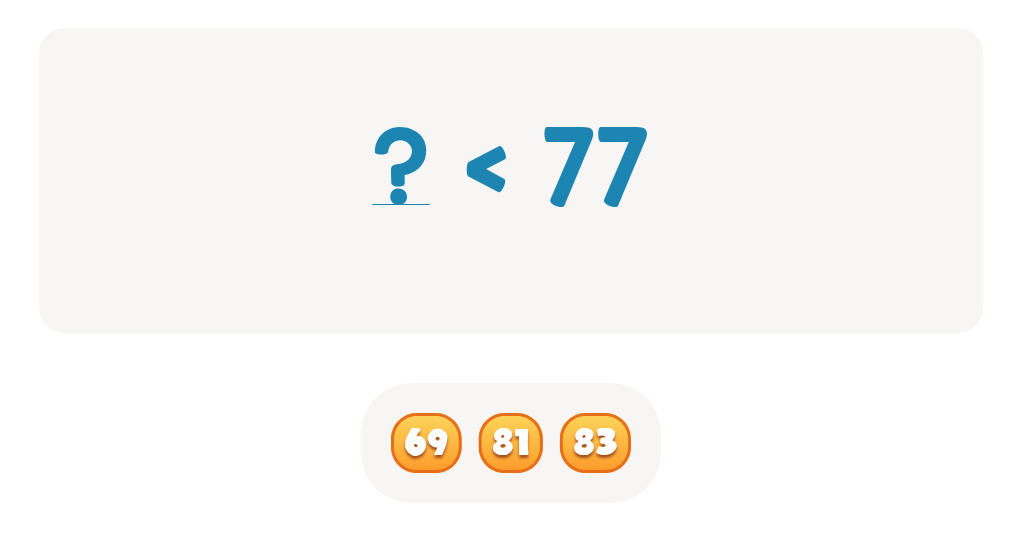
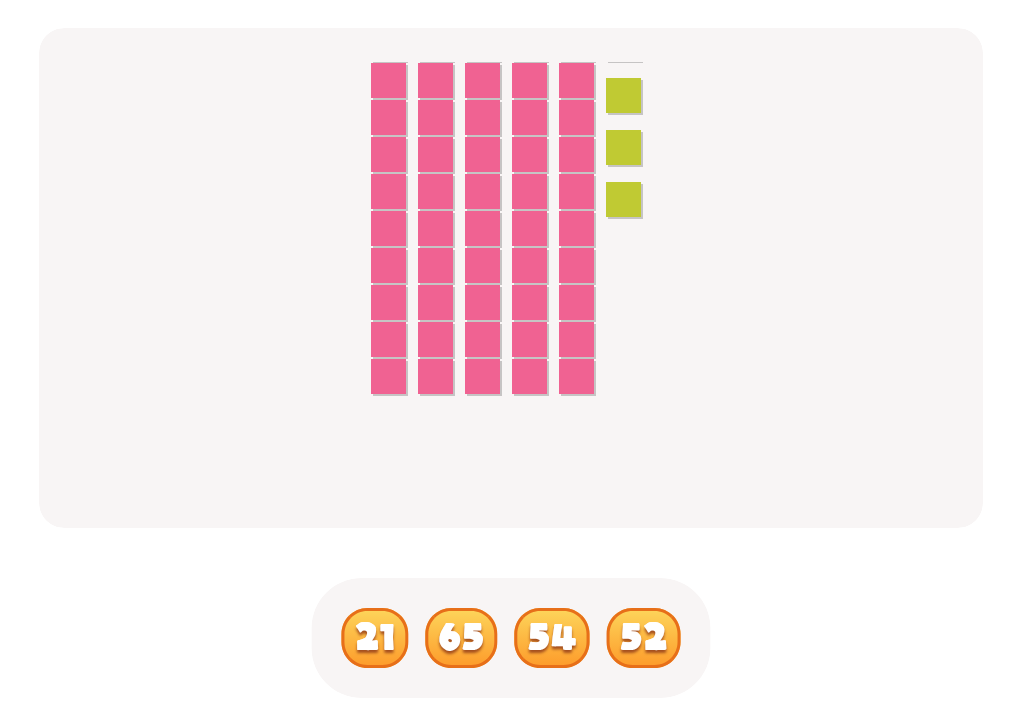
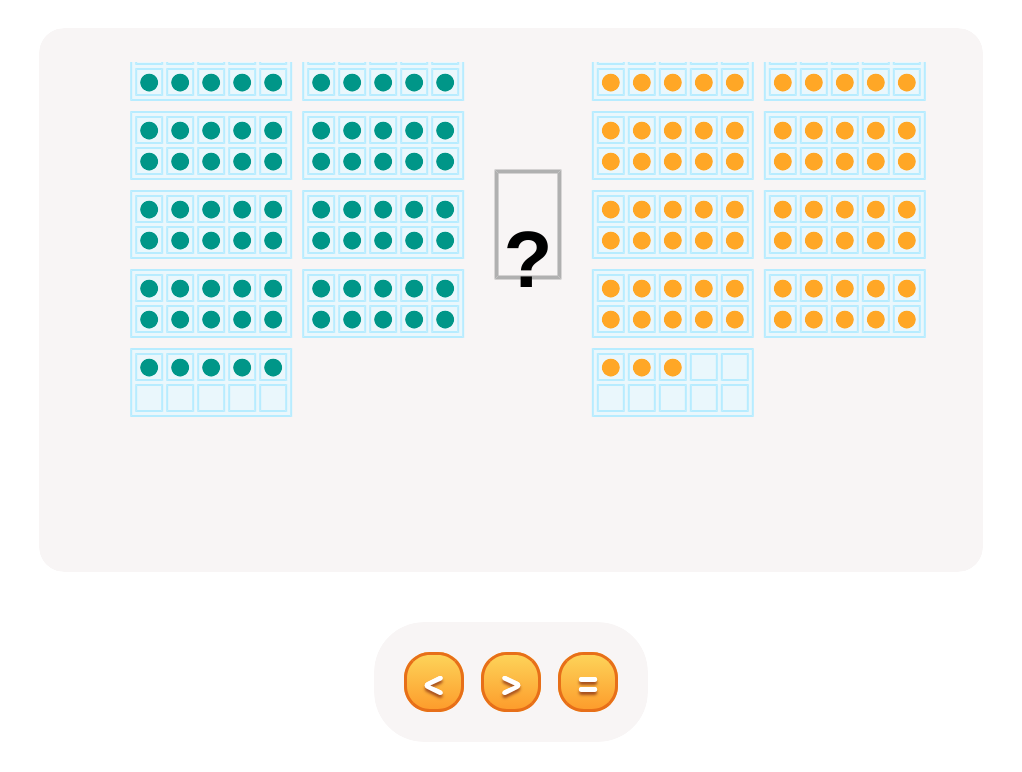
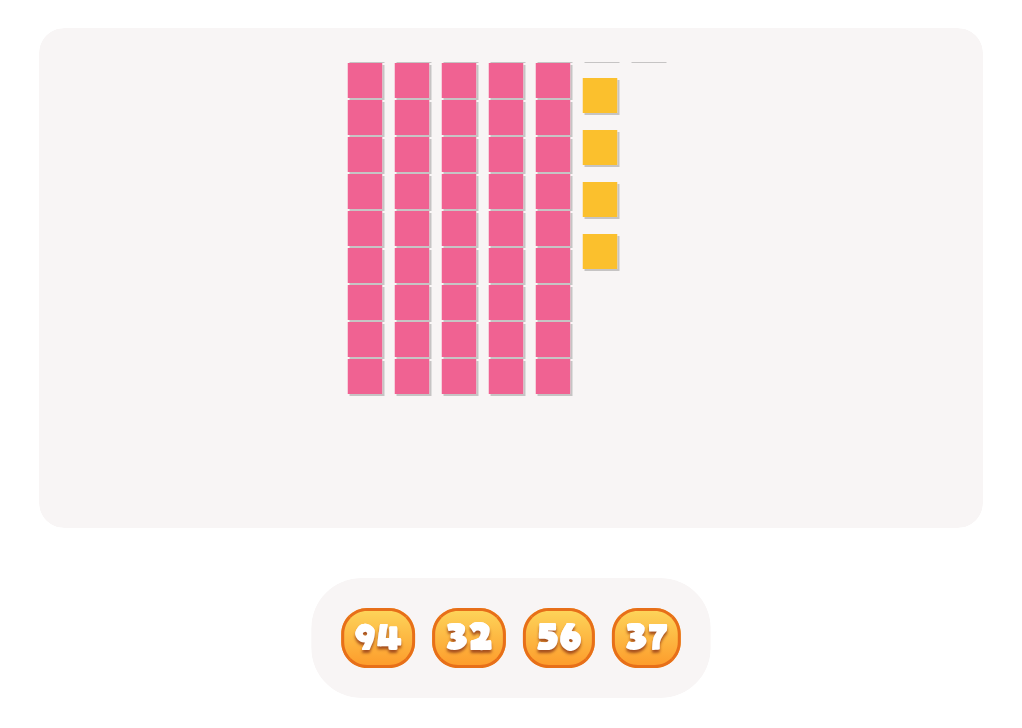
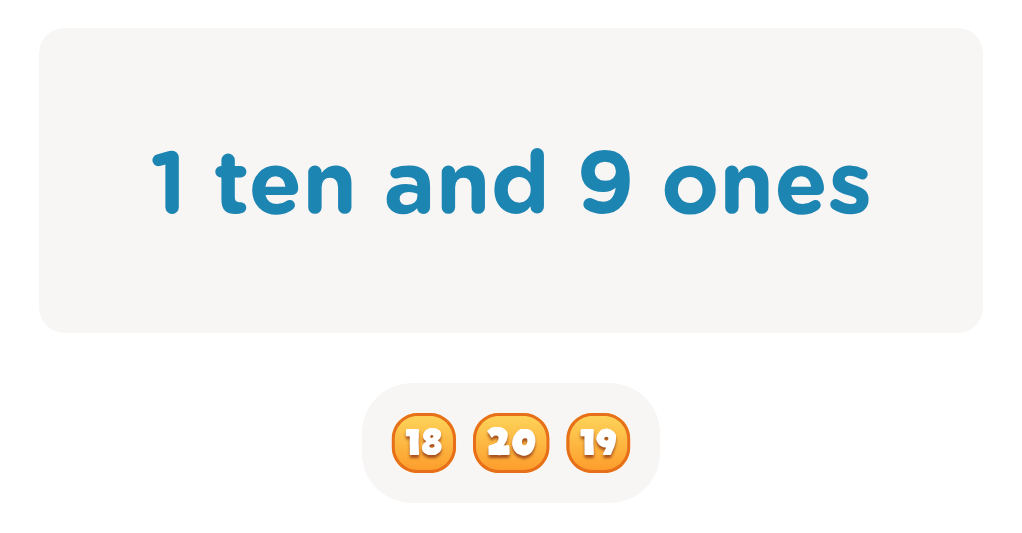
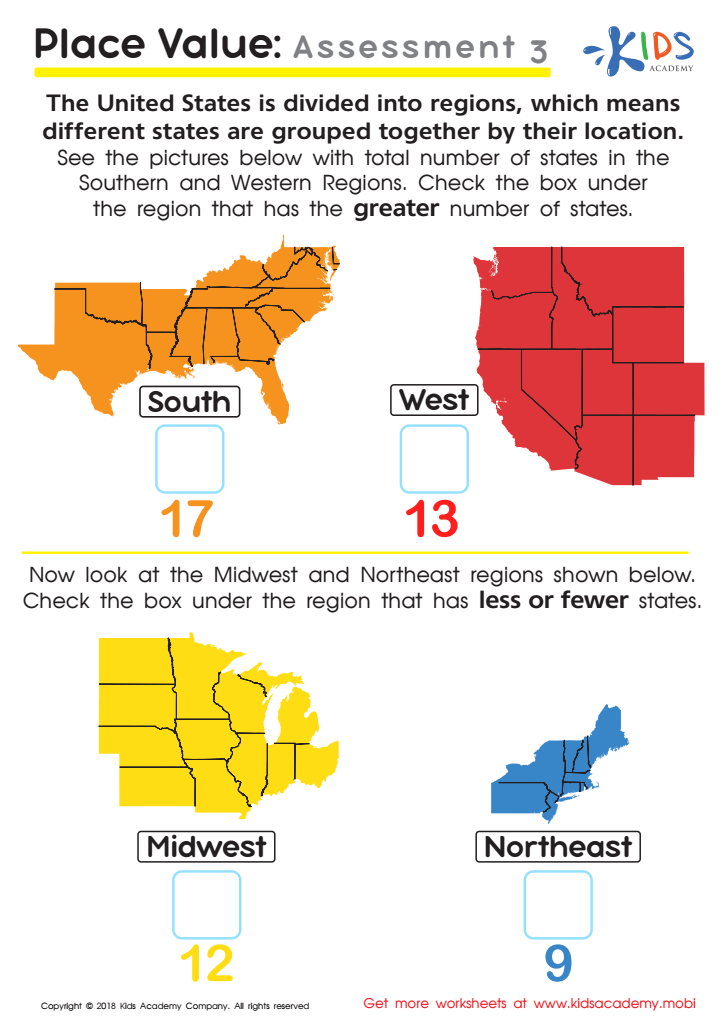
Place Value: Assessment 3 Worksheet
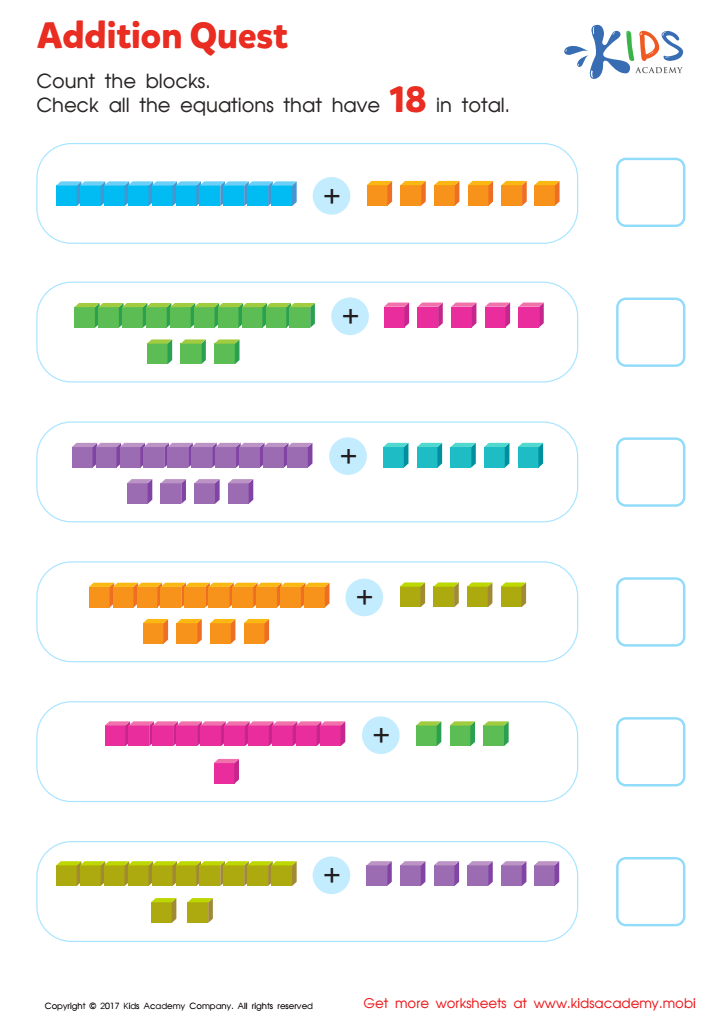
Addition Quest Worksheet: Part 2
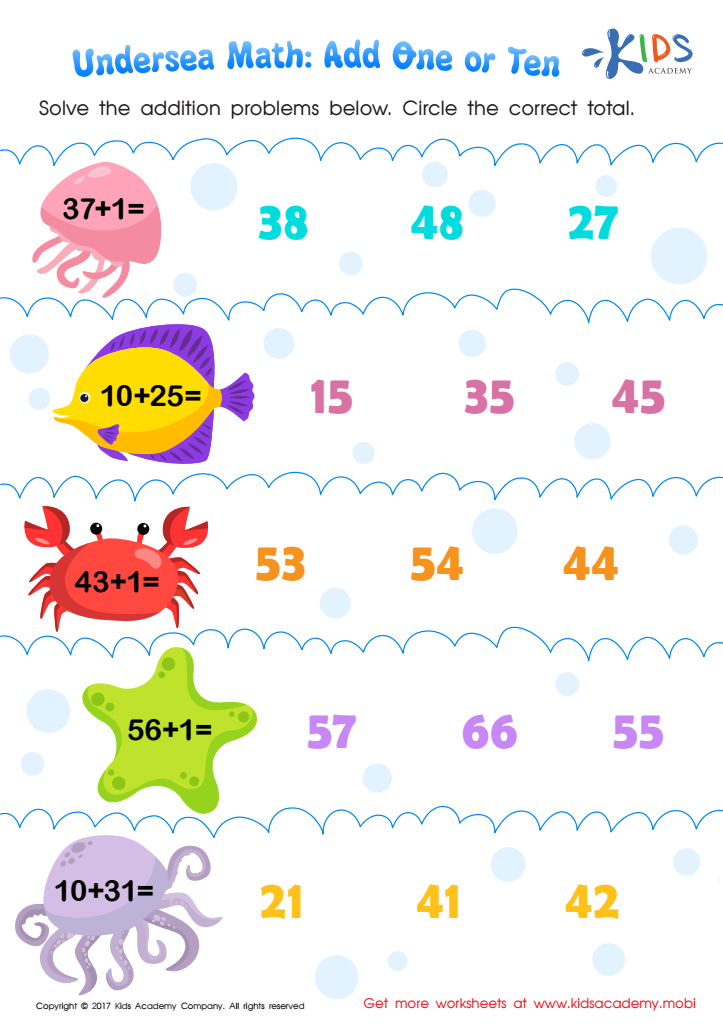
Undersea Math Worksheet
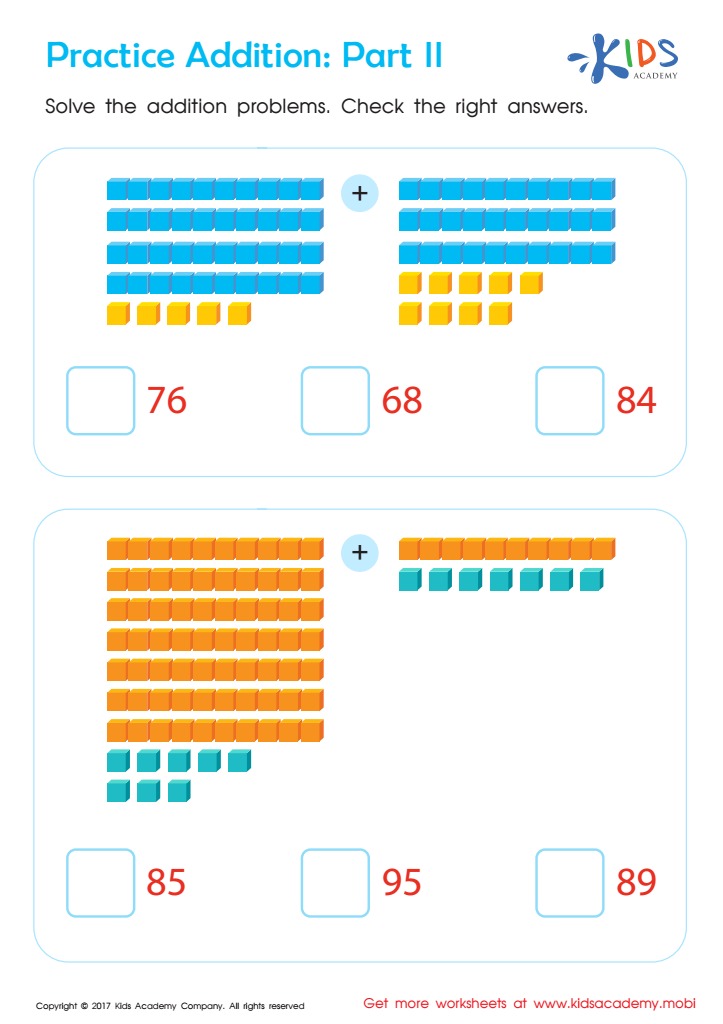
Practice Addition: Part 2 Worksheet








Addition practice in conjunction with understanding normal place value is fundamental to a child's mathematical development. When parents and teachers focus on these concepts, they lay the groundwork for essential skills that extend beyond simple arithmetic. A strong grasp of addition helps children develop number sense, enabling them to understand how numbers work together, fostering confidence in solving problems.
Place value, on the other hand, teaches children that the position of a digit affects its value. Understanding this principle is crucial for mastering larger numbers and operations like subtraction and multiplication. It reinforces concepts like regrouping, especially in multi-digit addition, which can often be a stumbling block for young learners.
Moreover, reinforcing these skills at an early age encourages mathematical reasoning and critical thinking. It allows children to explore various strategies for solving problems rather than relying solely on memorization. This deeper understanding not only aids in their current learning but also sets the stage for success in future math courses.
Ultimately, when parents and teachers engage with children in addition practice and place value, they cultivate a positive attitude towards math, promote persistence in problem-solving, and create lifelong learners who appreciate the role of mathematics in daily life.