Letter recognition Normal Preschool Alphabet Worksheets - Page 2
30 filtered results
-
From - To
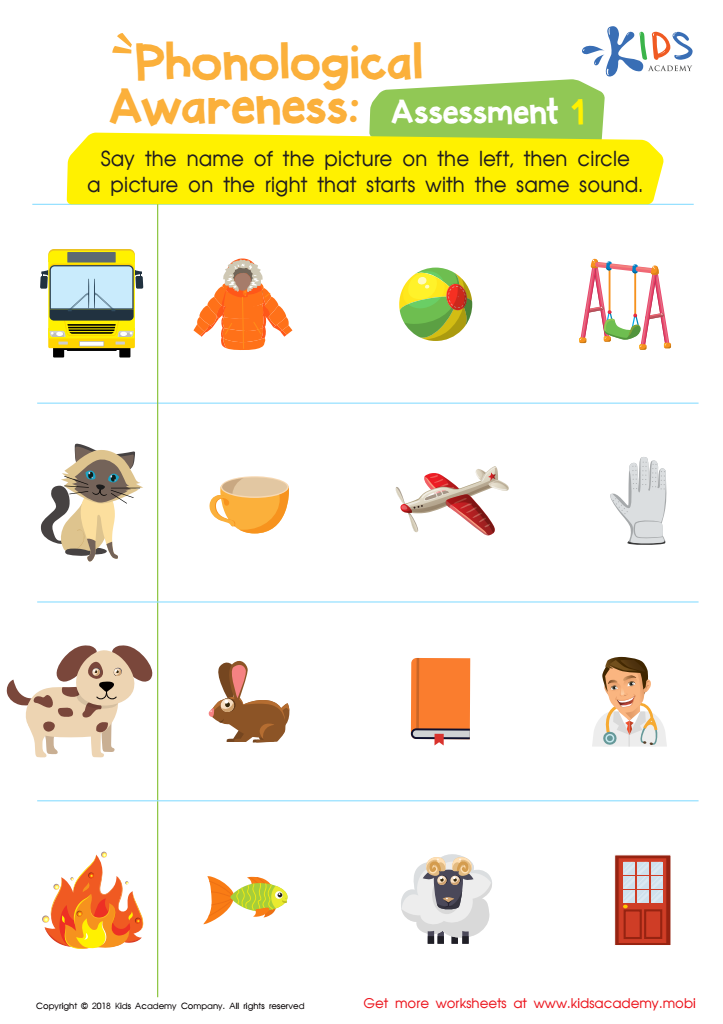
Phonological Awareness: Assessment 1 Worksheet
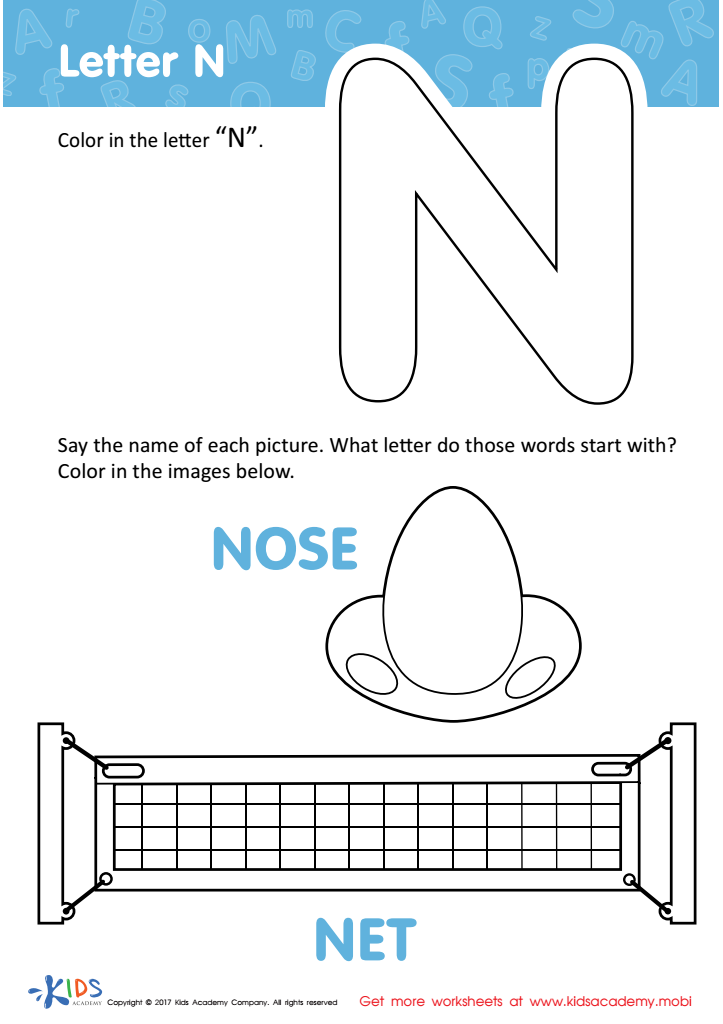
Letter N Coloring Sheet
 Assign to My Students
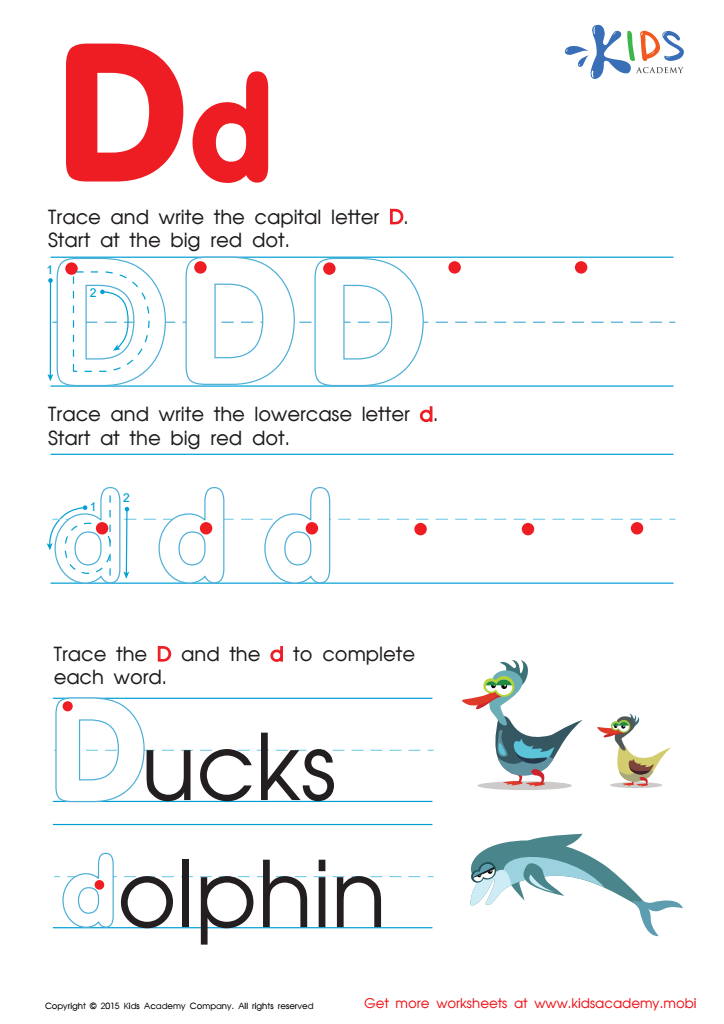
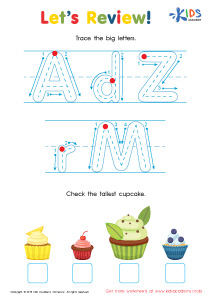
Letter D Tracing Page
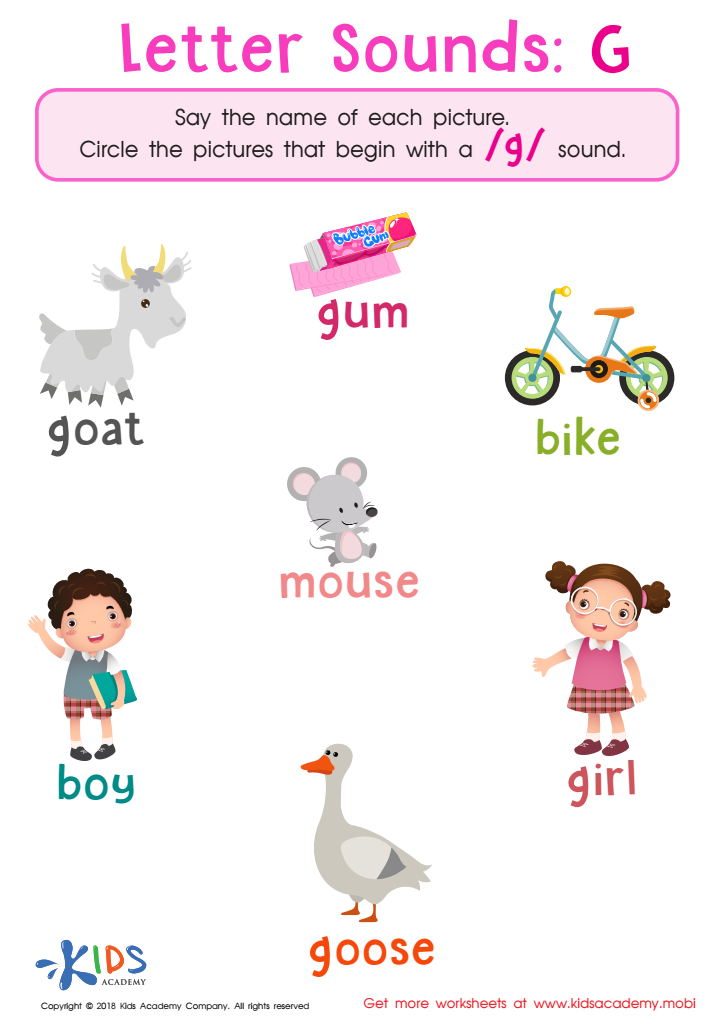
Letter G Sounds Worksheet
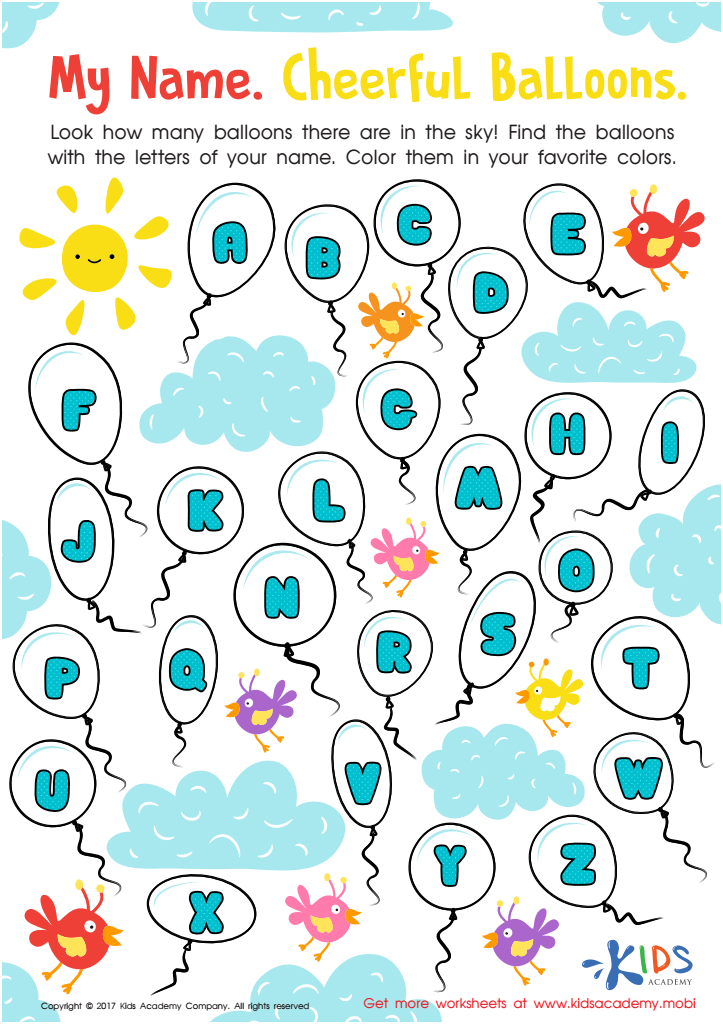
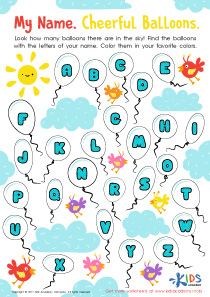
My Name: Cheerful Balloons Worksheet
Assign to My Students
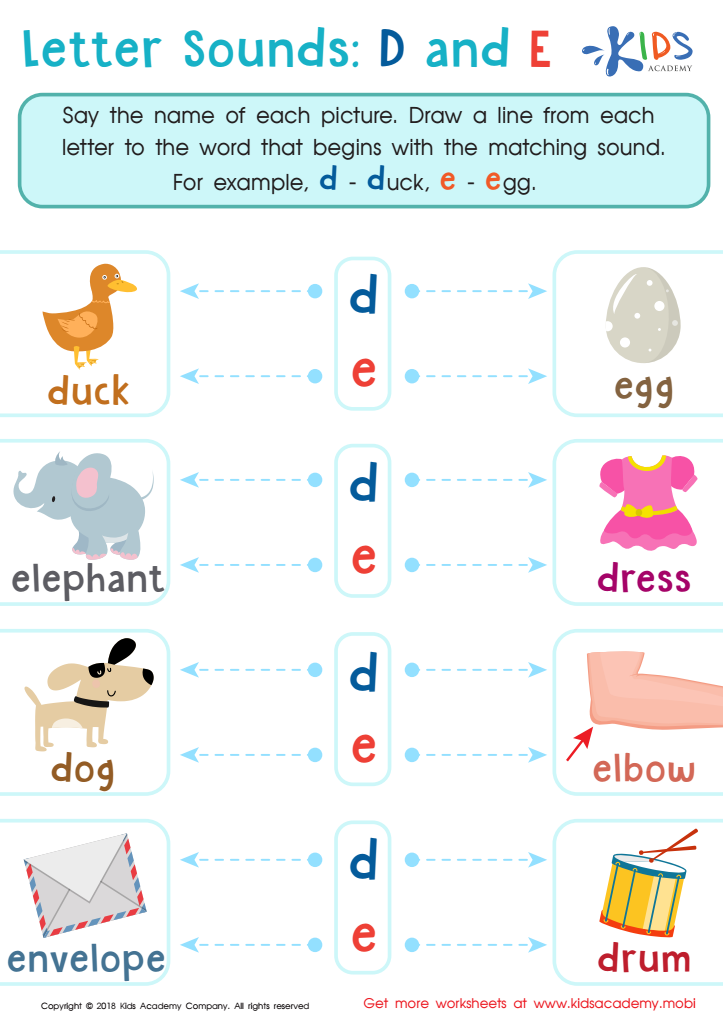
Letter D and E Sounds Worksheet






.jpg)

Letter recognition is a fundamental skill that serves as the foundation for literacy development in young children. Parents and teachers should care about this skill because it directly impacts a child's ability to read and write. In preschool, children learn to identify both uppercase and lowercase letters, which helps them connect letters with sounds and eventually form words.
By focusing on letter recognition, educators and parents can foster a child's phonemic awareness, which is critical for later literacy success. The ability to recognize letters also enhances vocabulary development since children begin to understand that letters represent sounds which combine to form spoken language.
Moreover, early letter recognition can boost a child's confidence in their learning journey. When children can identify letters, they are more likely to engage with books, show interest in writing, and participate in literacy-related activities. This engagement lays the groundwork for future academic success and helps cultivate a lifelong love for reading.
In addition, recognizing letters can contribute to a child's cognitive development, enhancing their memory, attention, and critical thinking skills. Therefore, recognizing the importance of letter recognition in a preschool setting is essential for parents and teachers in nurturing well-rounded, literate individuals.