Handwriting practice Normal Preschool Worksheets - Page 2
35 filtered results
-
From - To
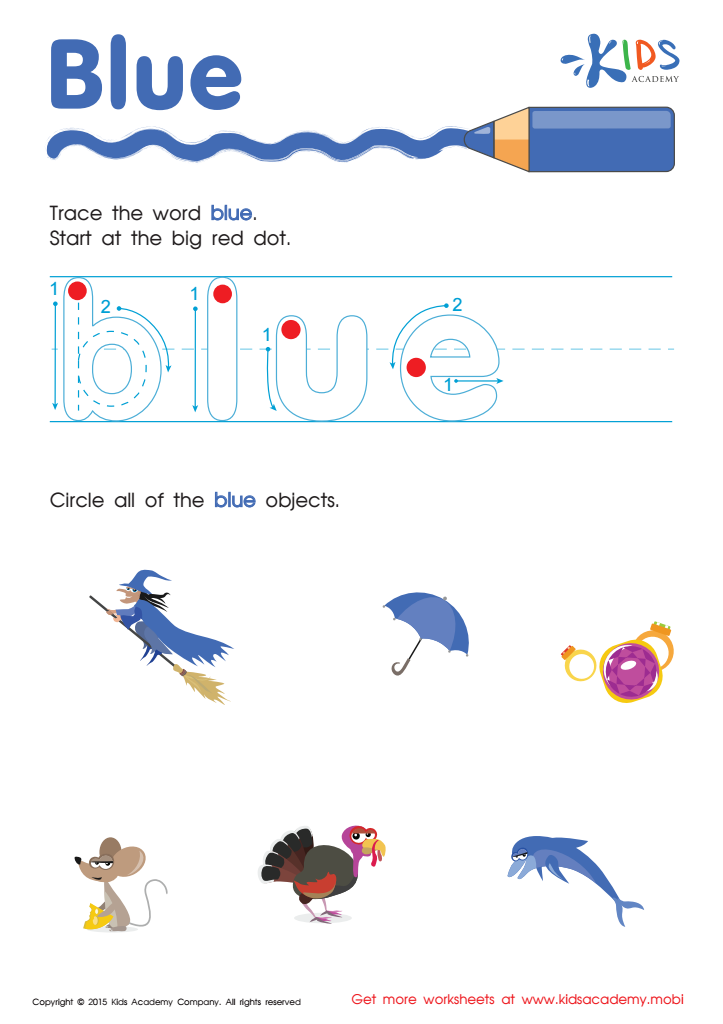
Blue Tracing Color Words Printable
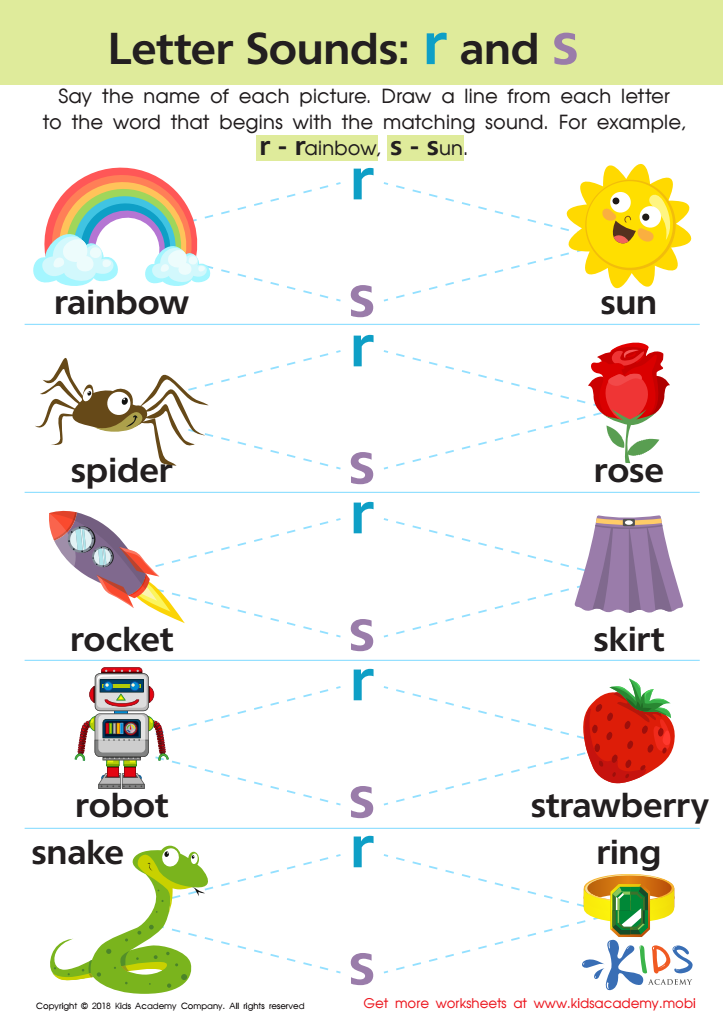
Letter R and S Sounds Worksheet
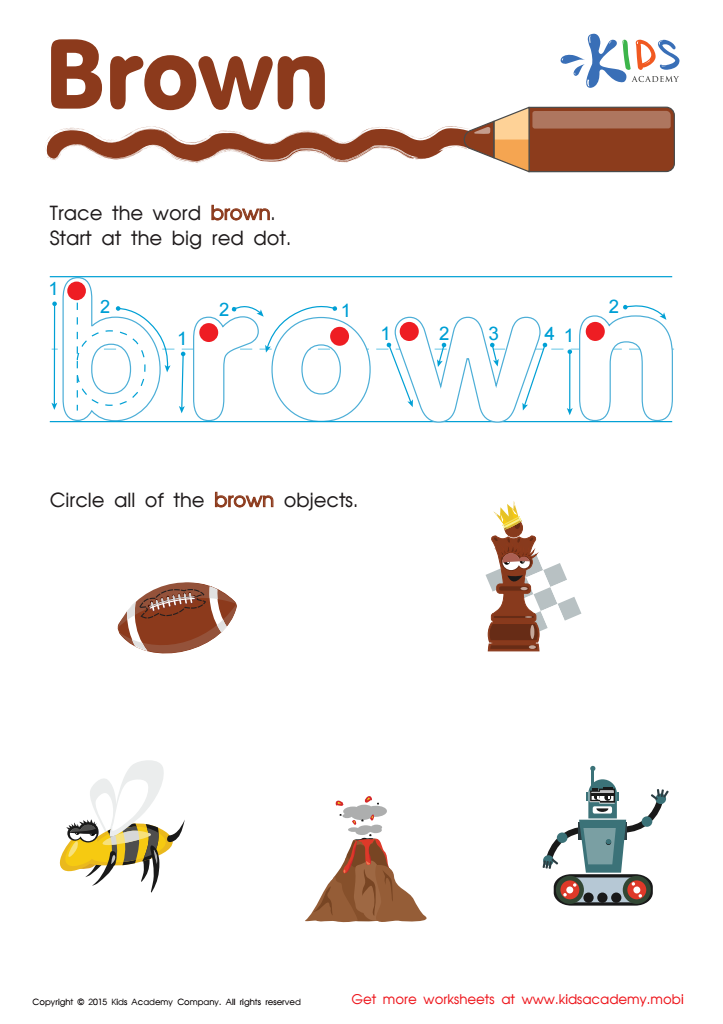
Brown Tracing Color Words Worksheet
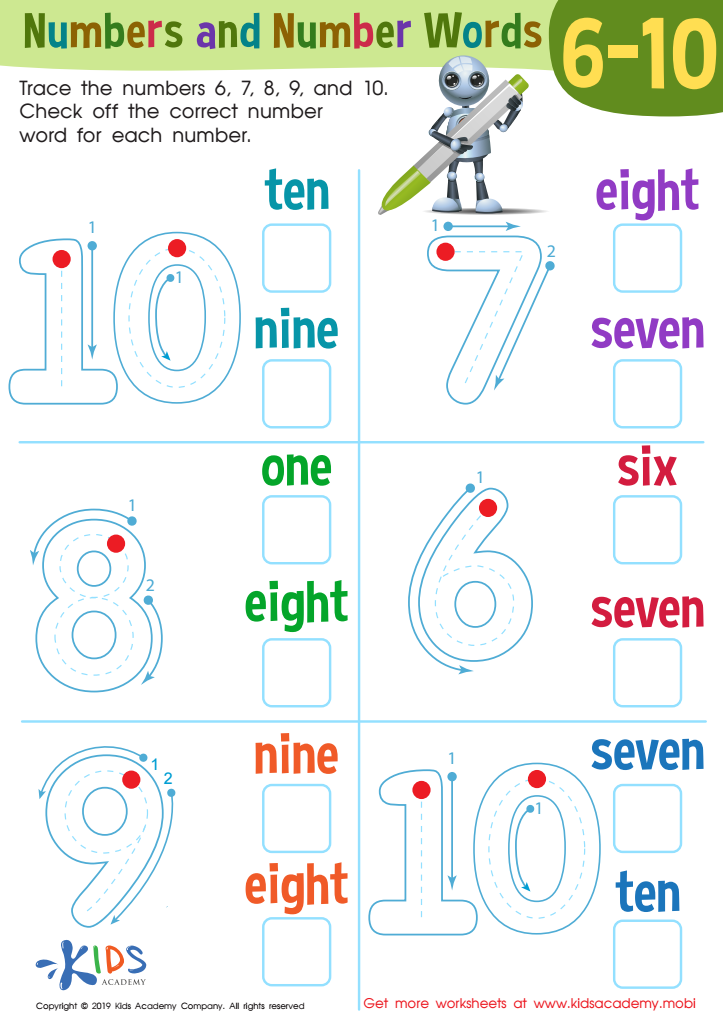
Numbers and Number Words 6–1 Worksheet
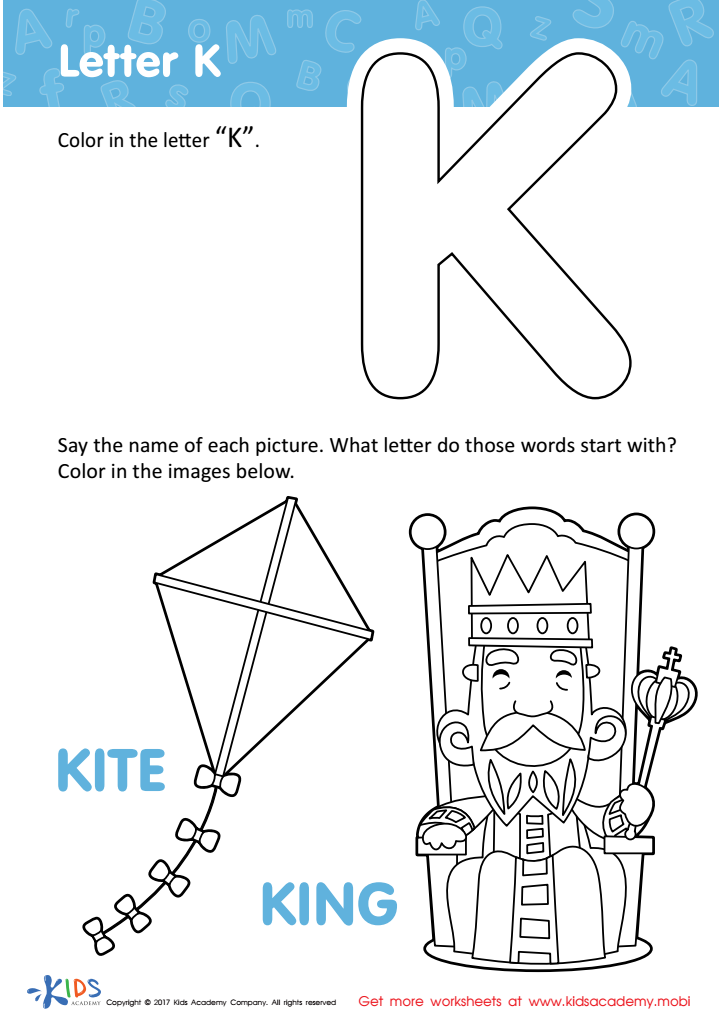
Letter K Coloring Sheet
 Assign to My Students
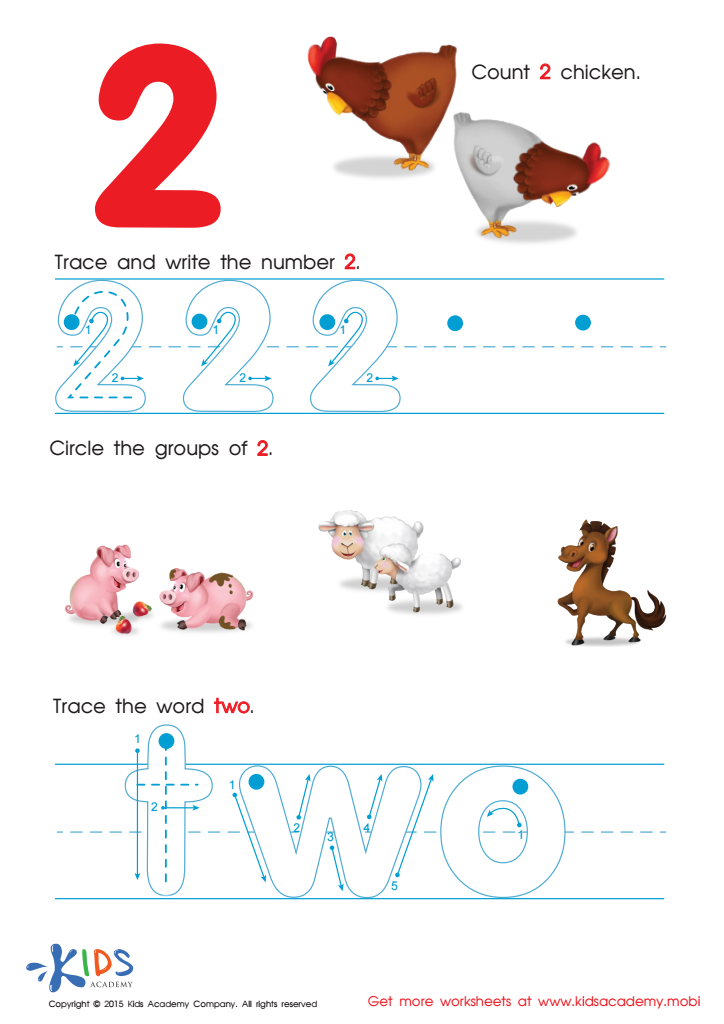
Learn to Write the Number 2 Worksheet
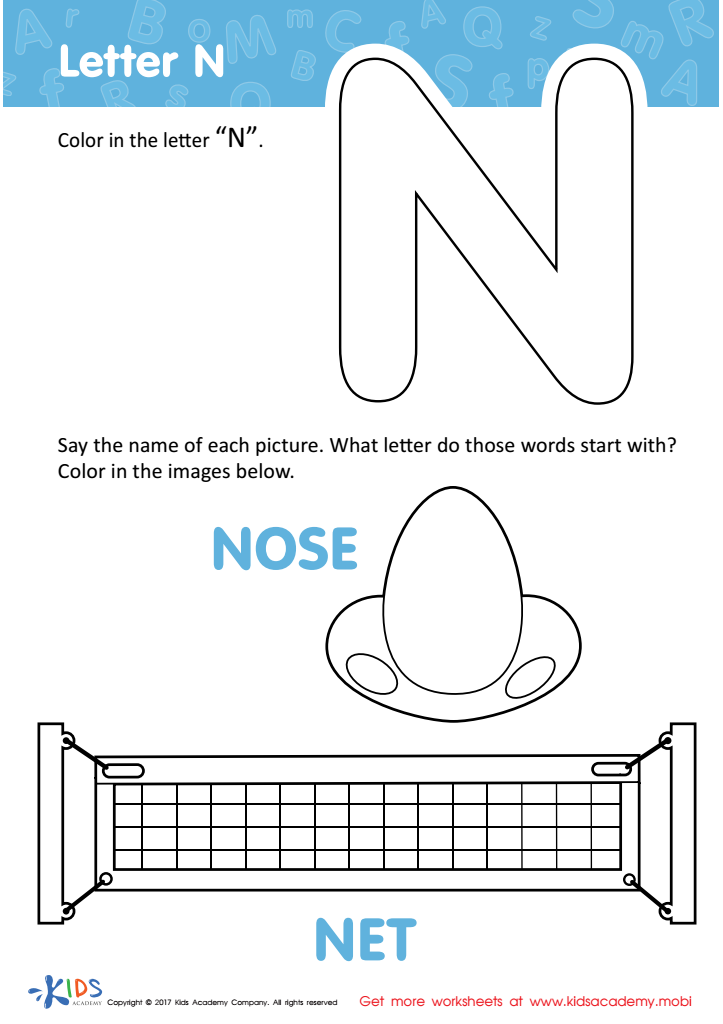
Letter N Coloring Sheet
Assign to My Students
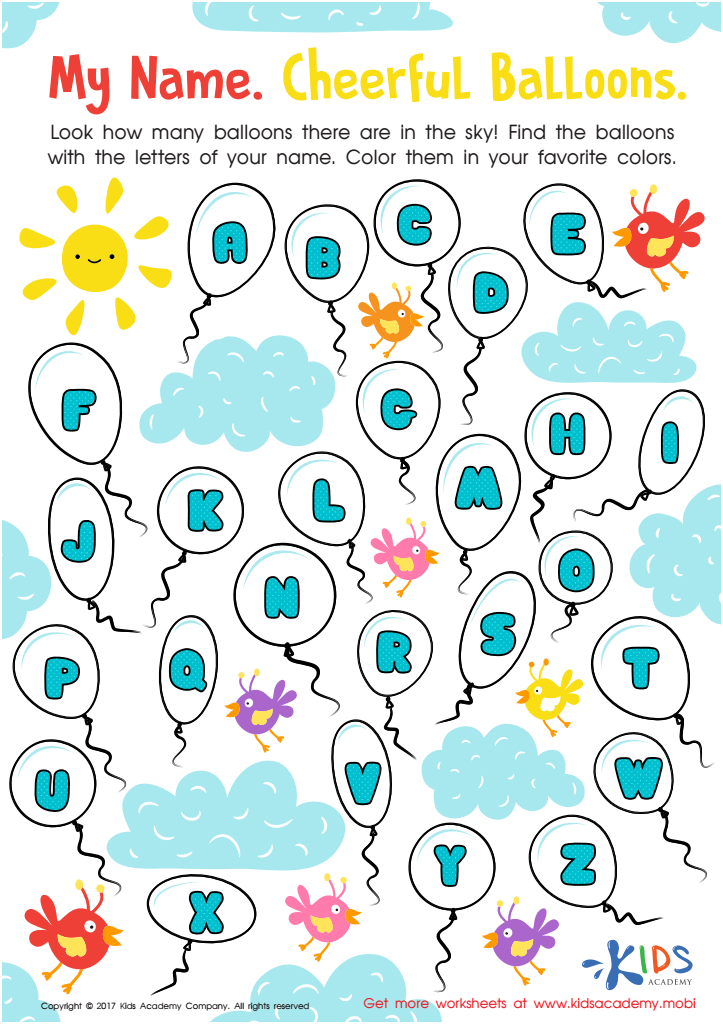
My Name: Cheerful Balloons Worksheet
Assign to My Students
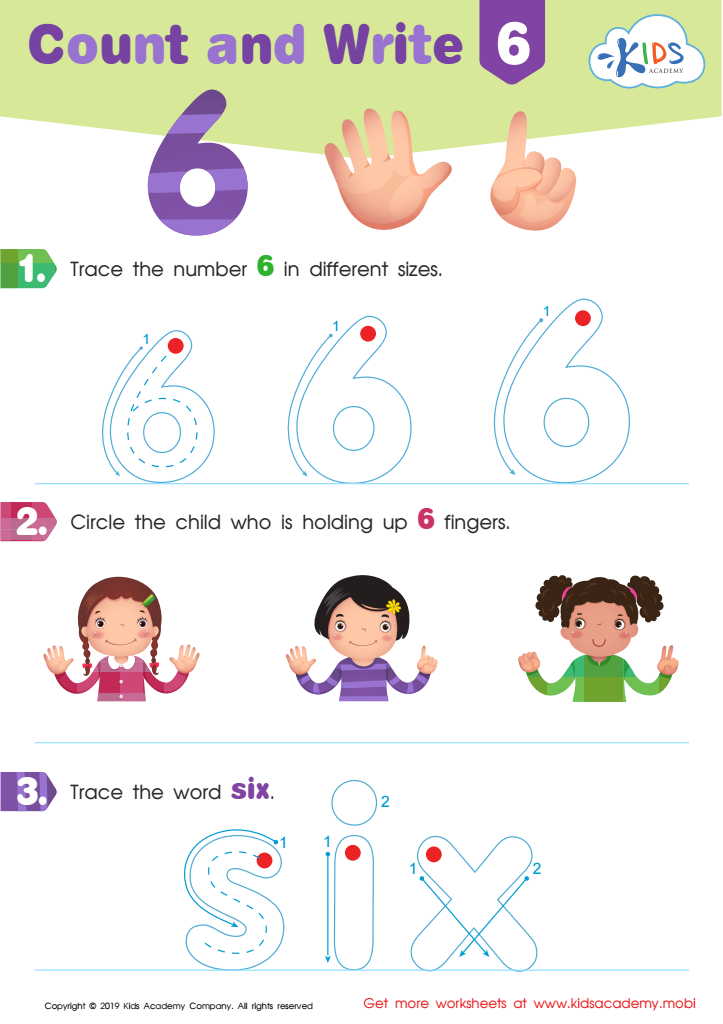
Count and Write 6 Worksheet
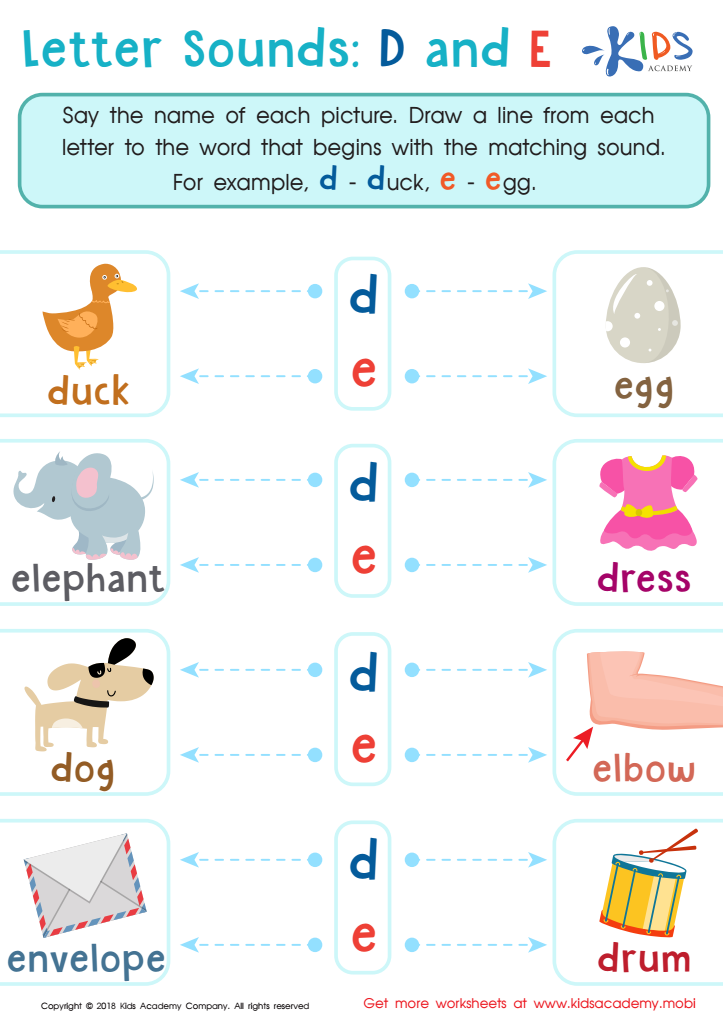
Letter D and E Sounds Worksheet
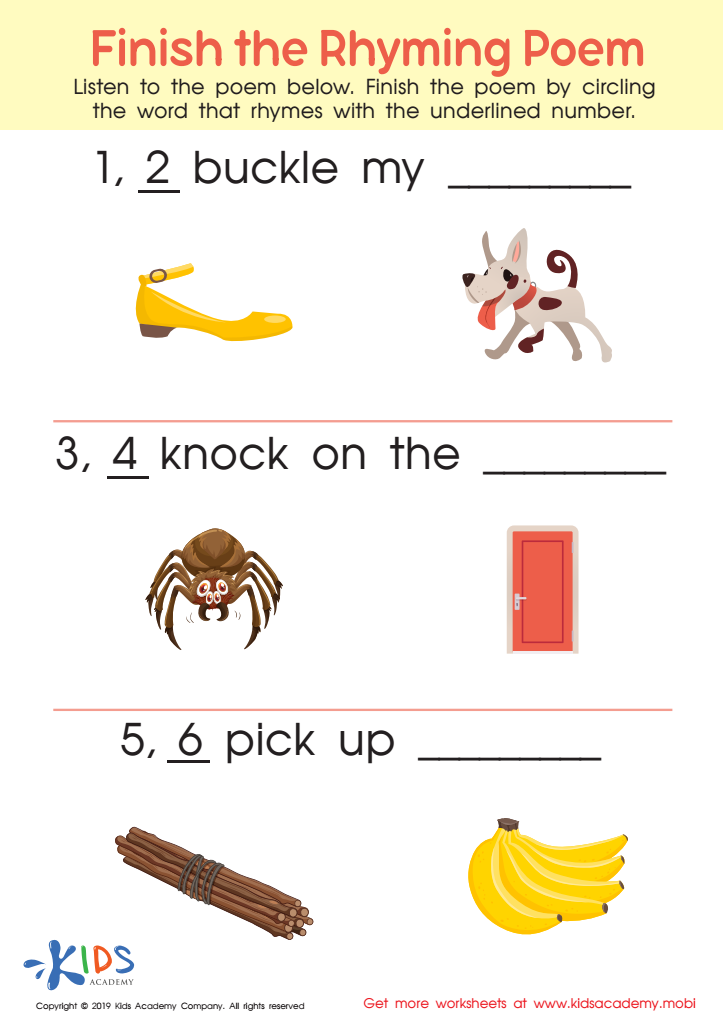
Finish Rhyming Poem Worksheet








Handwriting practice in preschool is vital for a child’s overall development and foundational skills. First and foremost, it aids in developing fine motor skills, which are essential for tasks such as buttoning clothes and holding utensils. The act of writing fosters hand-eye coordination, enabling children to control their movements more precisely.
Moreover, handwriting encourages cognitive growth. As children learn to form letters and words, they engage in visual processing and memory skills. This practice also promotes literacy development; children learn to associate sounds with letters, improving their phonemic awareness and reading readiness. Well-developed handwriting skills can lead to greater confidence in academic settings, as children take pride in their written work.
Additionally, handwriting offers a unique opportunity for self-expression. By creating letters and words, children communicate their thoughts and feelings, enhancing their emotional development. When parents and teachers emphasize handwriting practice, they contribute to cultivating a positive educational environment that values patience and persistence.
In conclusion, parents and teachers should prioritize handwriting practice in preschool, as it plays a crucial role in nurturing fine motor skills, cognitive abilities, literacy development, and emotional expression, all of which set a strong foundation for a child’s learning journey.