Identification skills Normal Preschool Worksheets
3 filtered results
-
From - To
Enhance your preschooler's identification skills with our engaging and interactive worksheets! Designed for young learners, our printable resources focus on recognizing letters, numbers, shapes, and various objects in a fun and visually appealing way. These worksheets are tailored to support early childhood education goals, fostering critical thinking and observational skills. With a variety of exercises that encourage children to match, sort, and identify, your child will develop confidence in their abilities while enjoying the learning process. Our "Identification Skills Normal Preschool Worksheets" are perfect for home or classroom use, making learning a delightful adventure. Start your child's journey today!
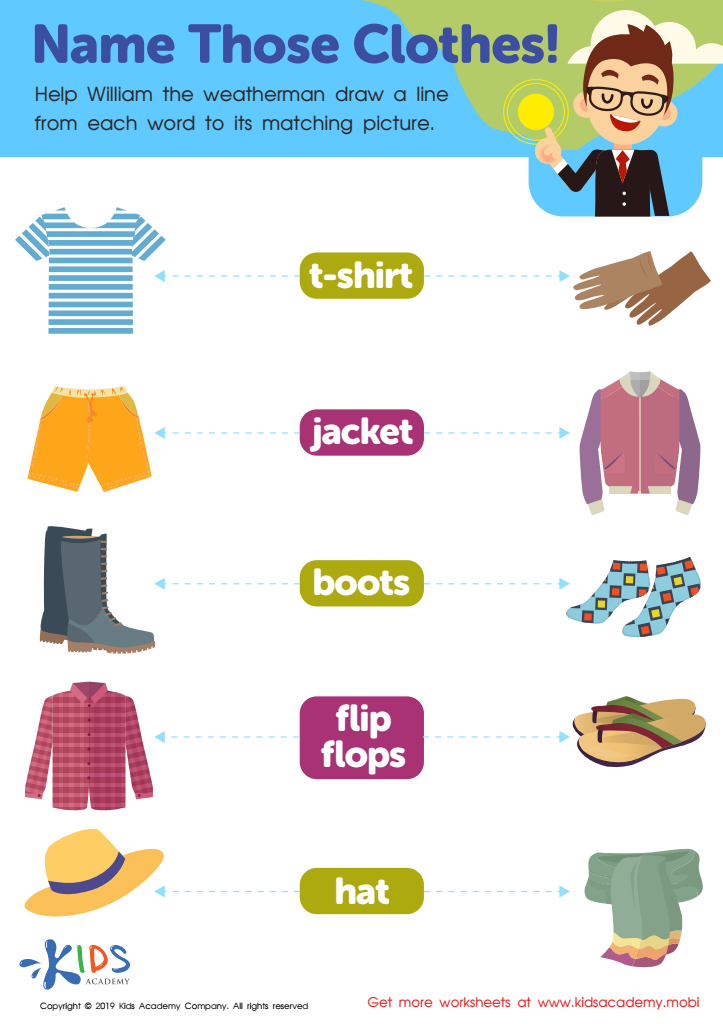
Name Those Clothes Worksheet
 Assign to My Students
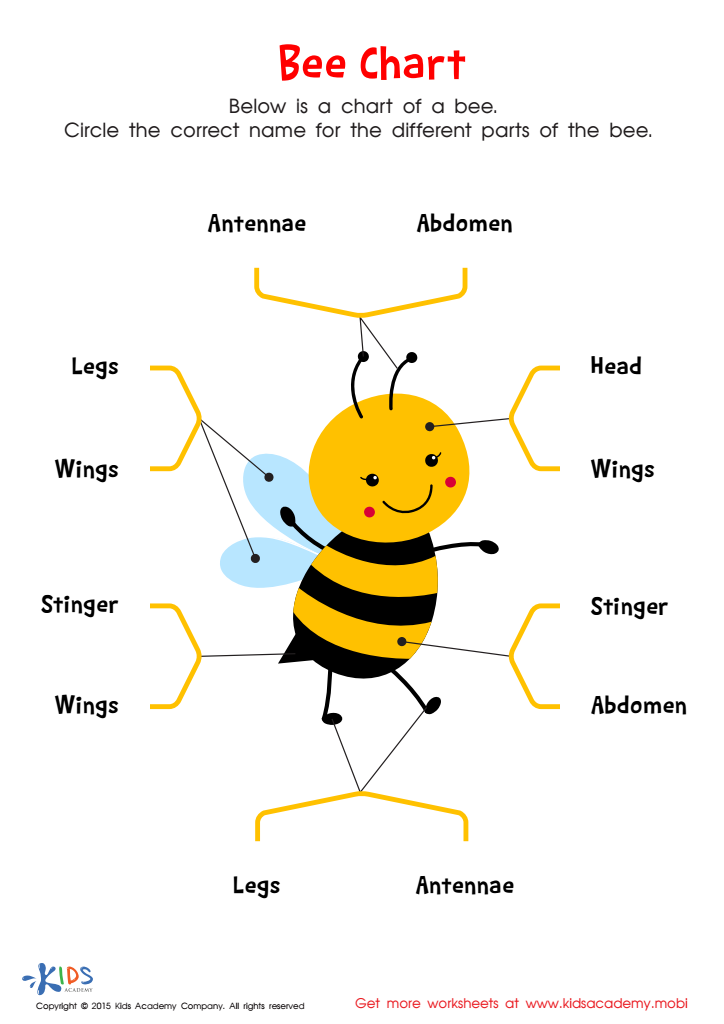
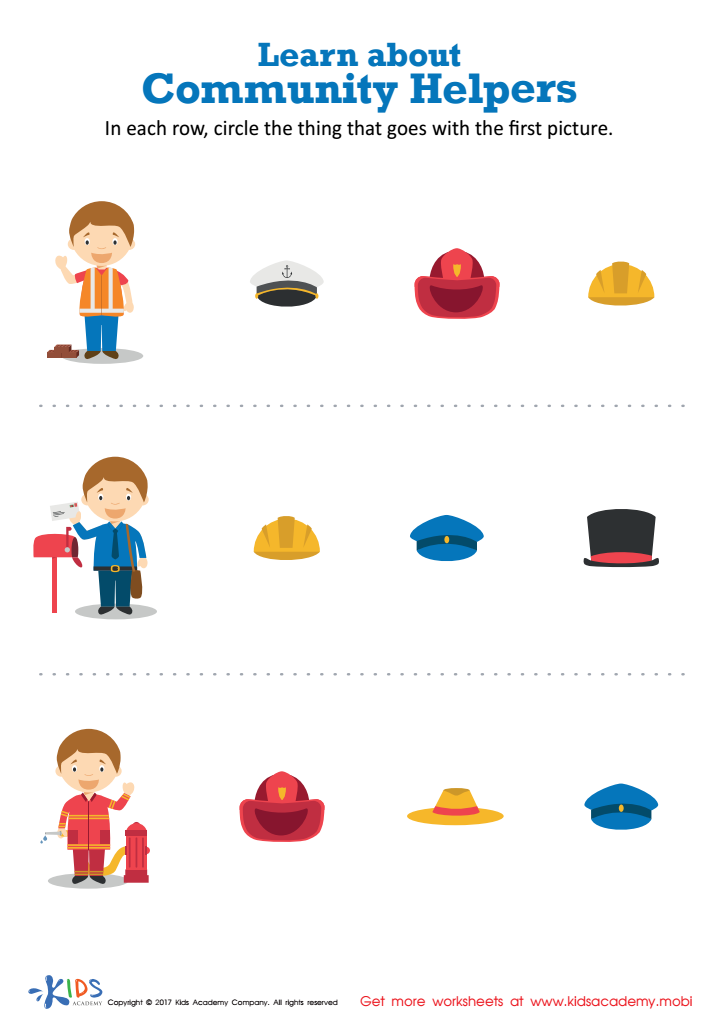
Learn about Community Helpers Printable


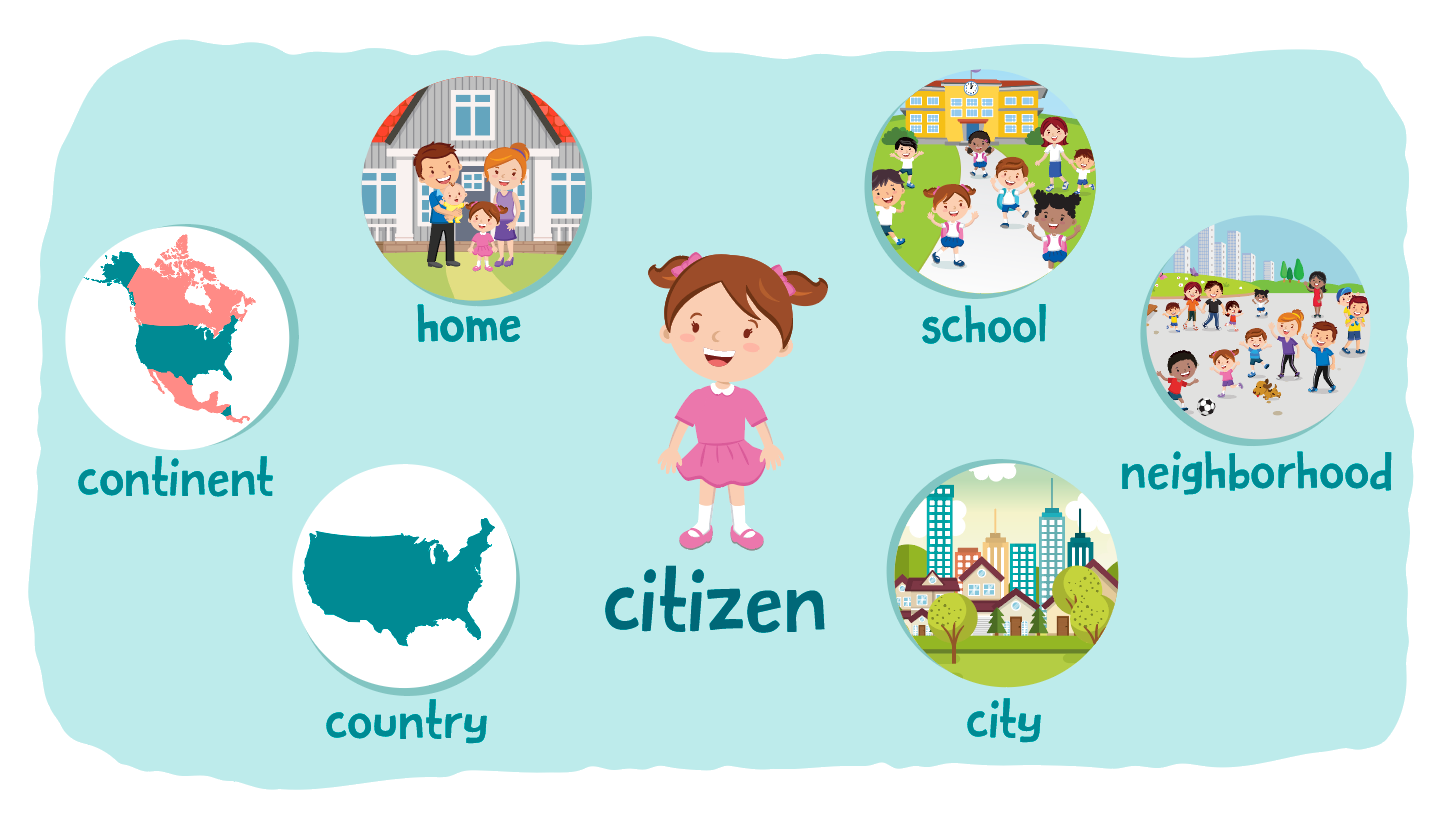


.jpg)


Identification skills are crucial in normal preschool settings as they lay the foundation for a child's cognitive and social development. These skills encompass the ability to recognize and name objects, colors, shapes, letters, and numbers, which are essential for early literacy and numeracy. When children can identify these elements, they improve their communication abilities, fostering better social interactions with peers and adults.
Parents and teachers should care because strong identification skills promote confidence and motivation to learn. Children who can recognize and name various objects are more likely to engage in classroom activities and discussions. This engagement lays the groundwork for critical thinking and problem-solving skills. Furthermore, teaching identification skills in preschool helps individuals transition smoothly to elementary school, where more advanced concepts build on these basics.
Moreover, early mastery of identification assists in personalizing learning; educators can tailor lessons to target individual gaps or strengthen existing abilities. Overall, prioritizing identification skills in preschool benefits not only the child but also supports a more effective, inclusive learning environment. By fostering these competencies, parents and teachers contribute to a child's overall growth, enjoyment of learning, and future academic success.