Phonics Skills Normal Preschool Worksheets
8 filtered results
-
From - To
Discover our comprehensive collection of Phonics Skills Normal Preschool Worksheets designed to enhance early literacy development in young learners. Tailored for preschool children, these engaging worksheets feature fun activities that promote recognition of letter sounds, blending, and vocabulary skills. Utilizing vibrant illustrations and interactive exercises, our resources make phonics learning exciting and accessible. Perfect for parents and educators alike, the worksheets facilitate independent practice and reinforce essential reading skills. Whether at home or in the classroom, our phonics worksheets are a valuable tool to support children on their educational journey, fostering a strong foundation for future reading success. Start exploring today!
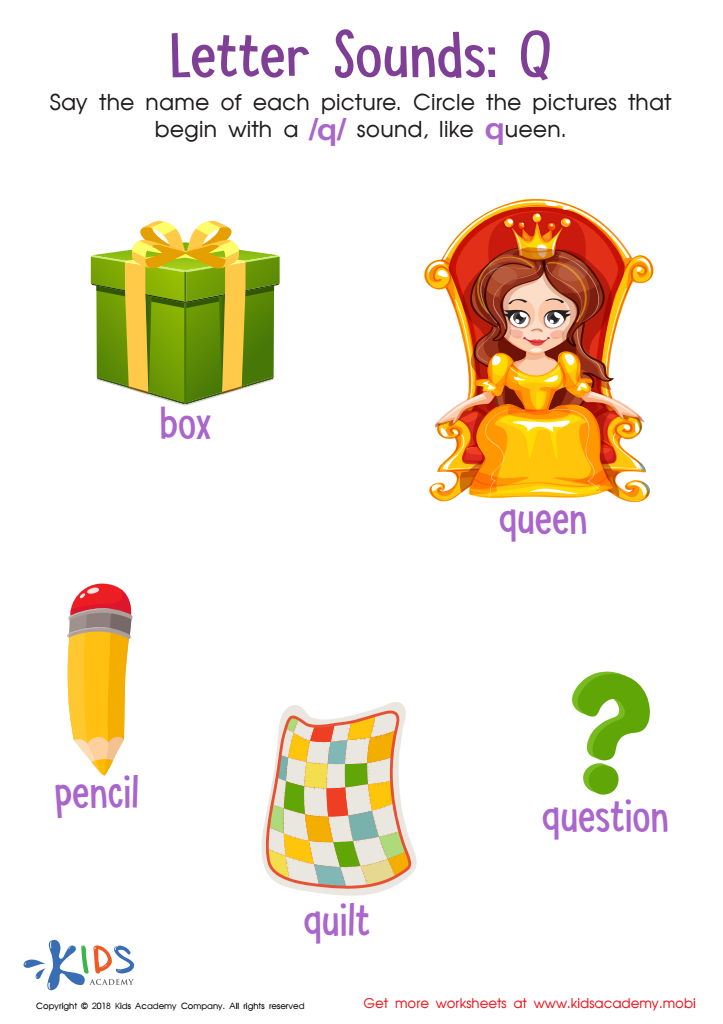
Letter Q Sounds Worksheet
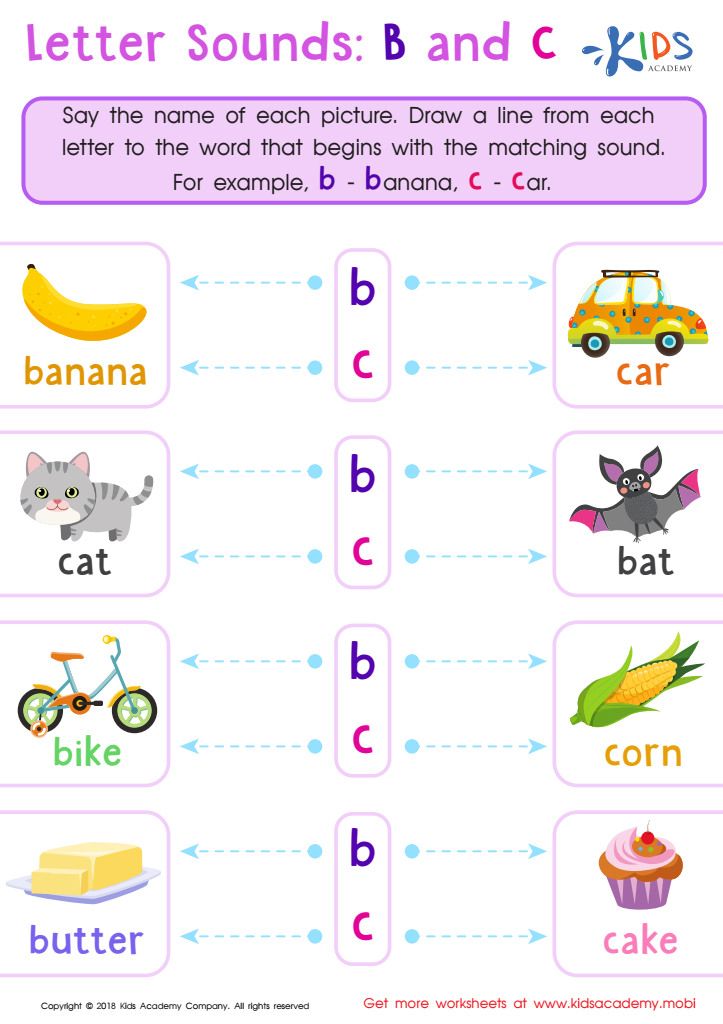
Letter B and C Sounds Worksheet
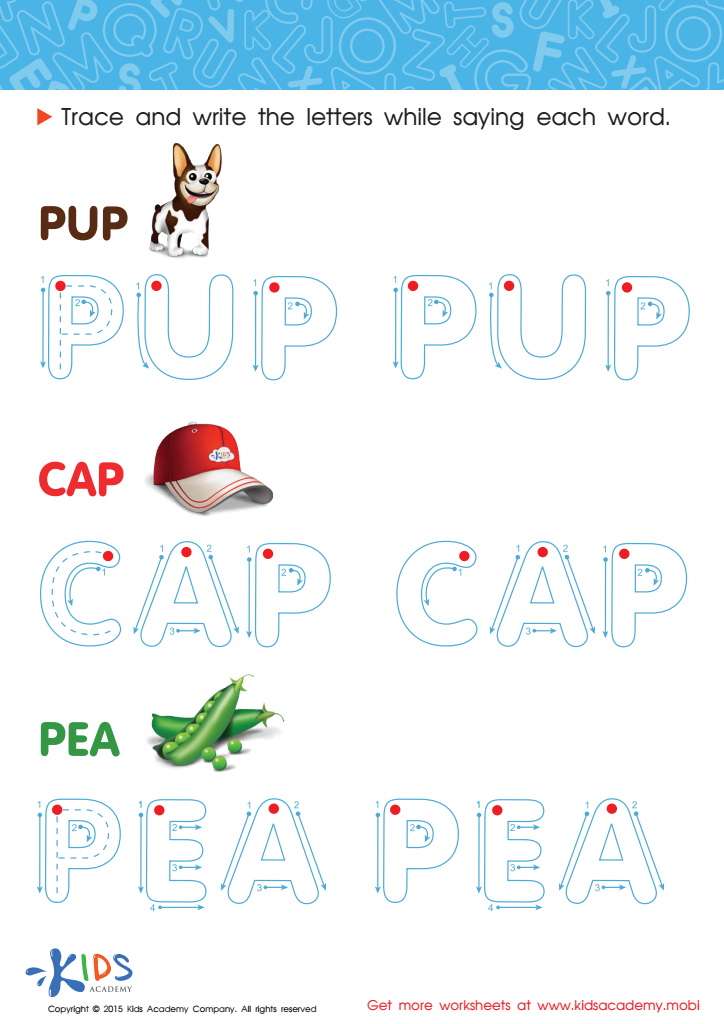
A Pup, a Cap and a Pea Spelling Worksheet
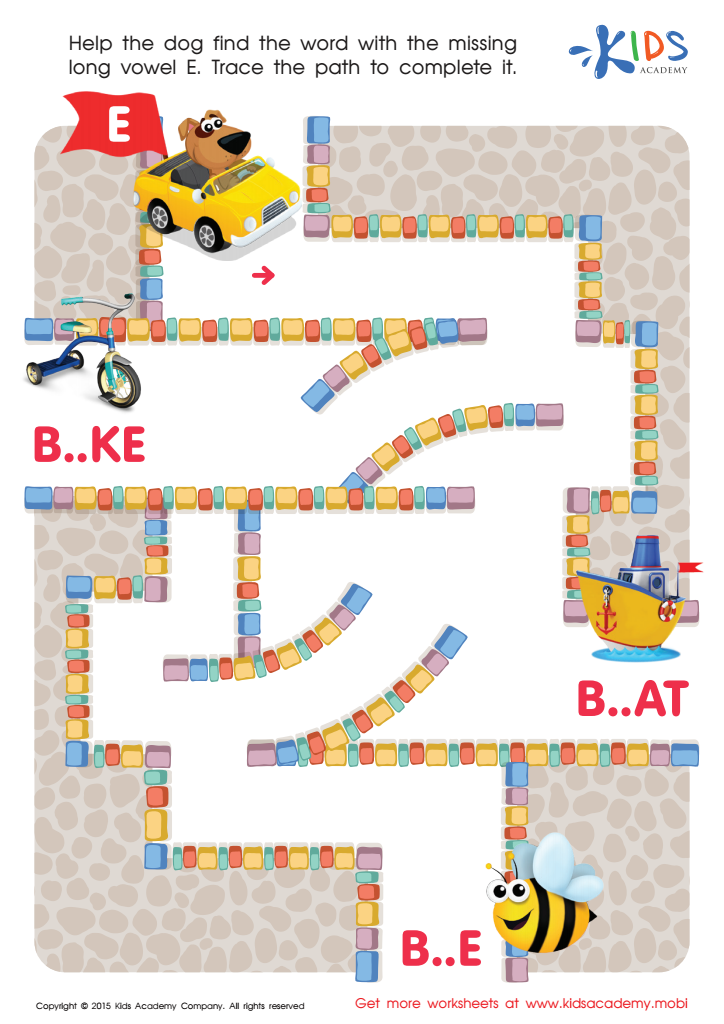
Long Vowel Sound E Worksheet
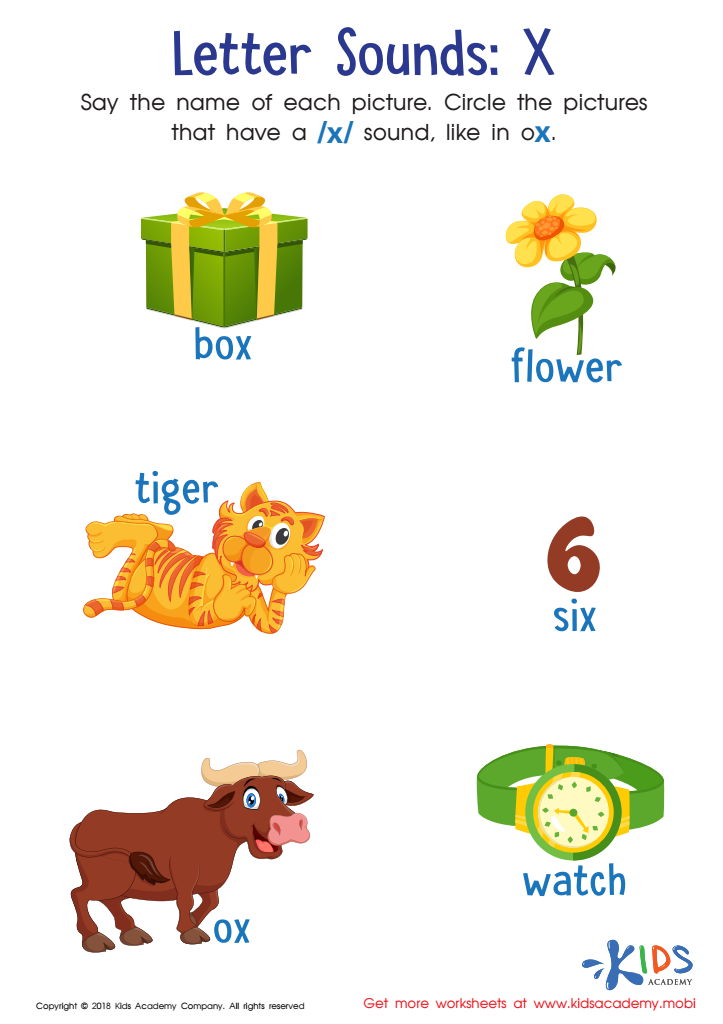
Letter X Sounds Worksheet
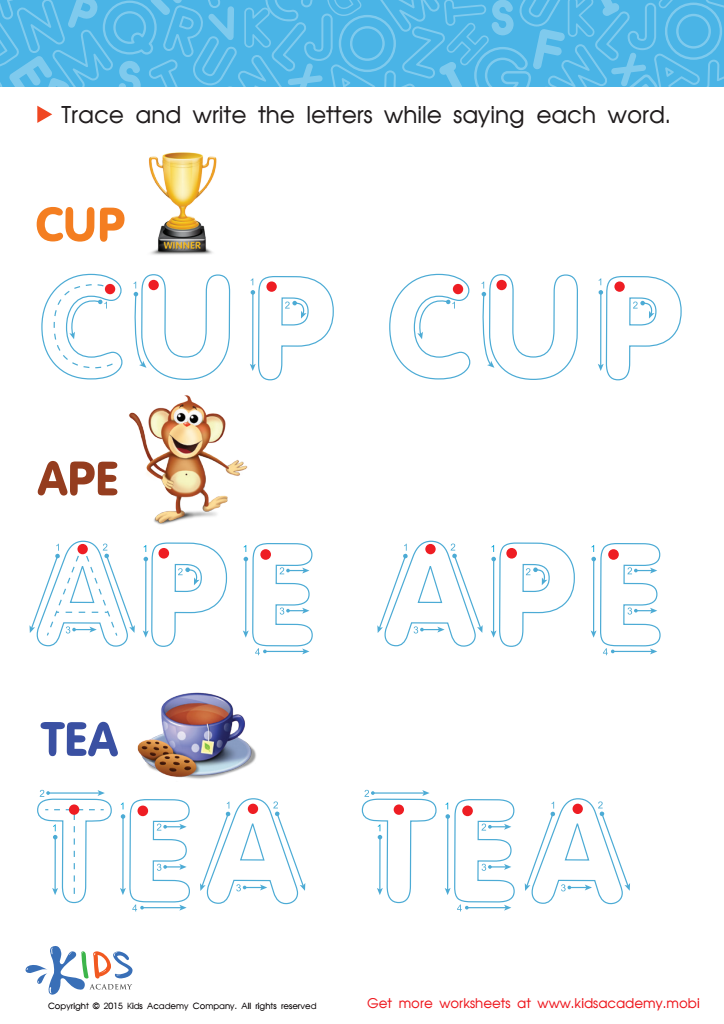
A Cup, an Ape and Tea Spelling Worksheet
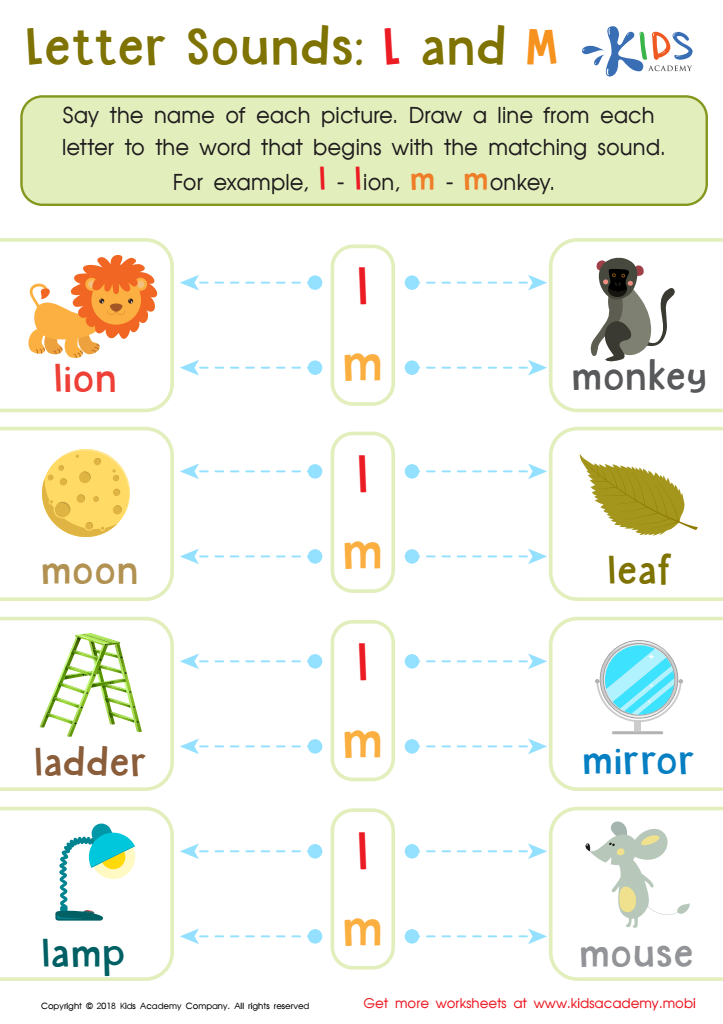
Letter l and M Sounds Worksheet

Long and Short E Worksheet
 Assign to My Students








Phonics skills are crucial for preschool children as they form the foundation for reading and writing. Understanding phonics helps children identify and manipulate sounds in words, building their ability to decode and spell. This skill is essential for early literacy development, enabling kids to transition smoothly into more complex reading behaviors as they advance in their education.
Parents and teachers should prioritize phonics skills in preschool because they significantly impact a child’s overall academic success. Strong phonics knowledge allows children to tackle new words independently, fostering confidence in their reading abilities. Furthermore, early mastery of phonics enhances comprehension, leading to a more enriching reading experience.
Engaging with phonics encourages collaboration in learning. Children often learn phonetic sounds through interactive games and songs, making the learning process enjoyable. This fosters a love for literacy at an early age, which is critical for lifelong learning. Ultimately, by emphasizing phonics skills in preschool, parents and teachers can create a supportive environment that nurtures both language development and critical thinking skills, equipping children with the tools they need for future academic achievements. This early intervention can help prevent future reading difficulties and pave the way for better educational outcomes.