Sentence construction Normal Preschool Worksheets
3 filtered results
-
From - To
Discover our engaging "Sentence Construction Normal Preschool Worksheets," designed to help young learners develop their language skills in a fun and interactive way. These worksheets introduce preschoolers to the basics of structuring sentences, fostering early literacy skills through vibrant visuals and simple exercises. Kids will enjoy matching words, completing sentences, and illustrating their ideas, making learning enjoyable and effective. Ideal for classroom activities or at-home learning, our worksheets cater to diverse learning styles, ensuring every child participates and thrives. Perfect for sparking your child's creativity and enhancing their understanding of sentence structure, these resources lay the foundation for future language development. Start exploring today!
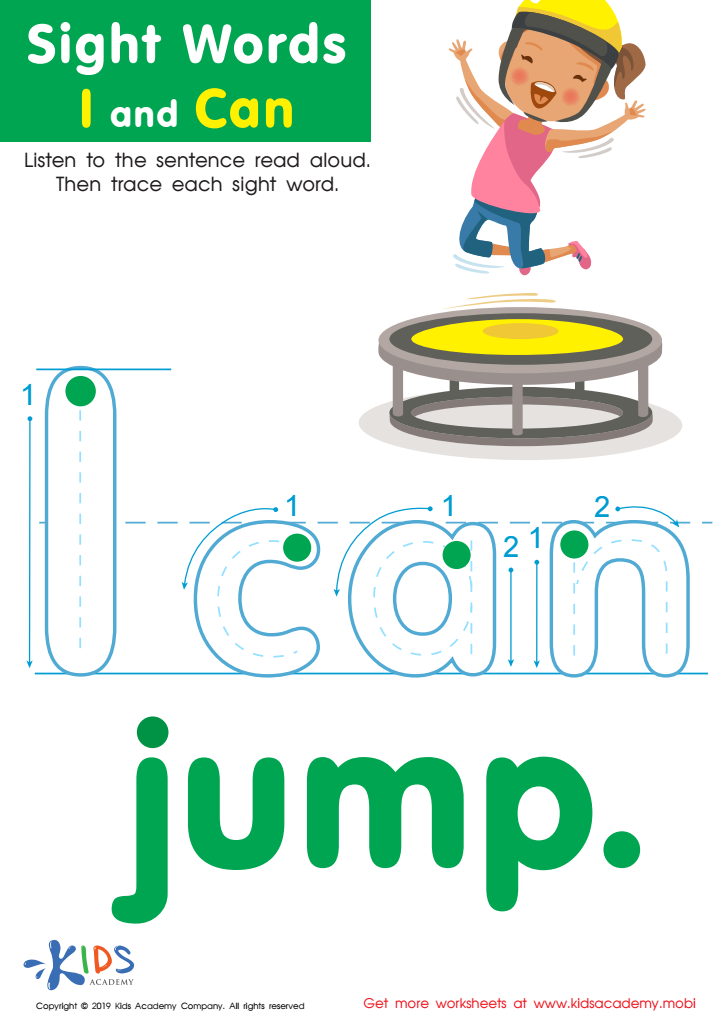
Sight Words I Can Worksheet
 Assign to My Students
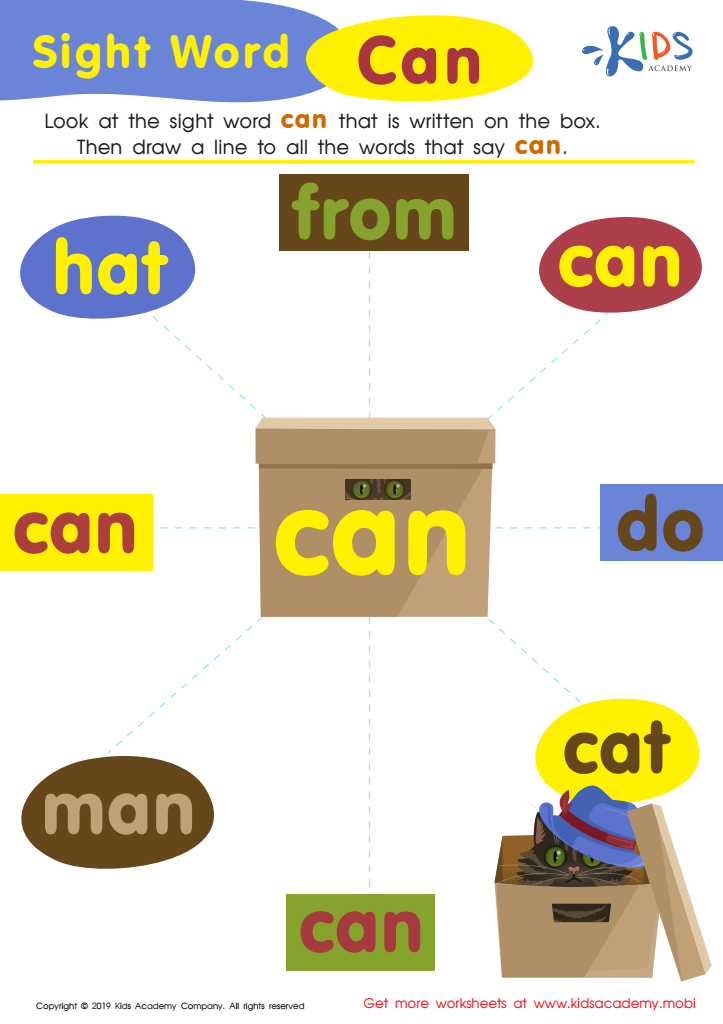
Sight Word Can Worksheet
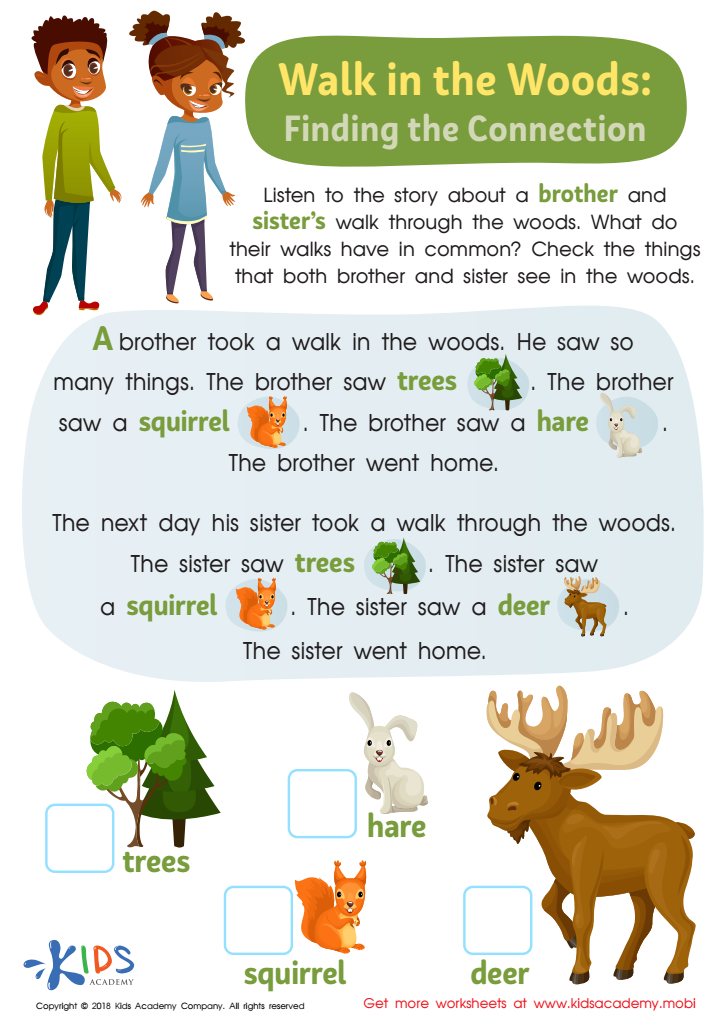
Walk In the Woods: Finding Connections Worksheet








Parents and teachers should emphasize sentence construction in preschool because it lays the foundation for effective communication and literacy development. At this early stage, children are not only learning to speak, but also to express their thoughts and ideas clearly. Engaging in activities that promote sentence construction helps improve vocabulary, comprehension, and overall language skills.
When children learn to form sentences, they enhance their ability to generate questions, share experiences, and convey emotions, fostering social interactions with peers and adults. This skill is essential for building confidence and encouraging further discussions, as children feel empowered to express themselves.
Additionally, strong sentence construction skills are crucial for future literacy and academic success. Children who practice speaking and forming sentences in preschool are more likely to transition smoothly into reading and writing. Through playing with language—like using storytelling, rhyming, and descriptive words—children develop critical thinking skills and creativity.
Moreover, parents and teachers can longitudinally observe patterns of growth in a child’s language development. By valuing sentence construction, adults can significantly influence a child’s educational journey and overall emotional well-being, nurturing compassionate communication and effective learning habits that last a lifetime. Ultimately, fostering these skills is an investment in a child’s future.