Fine Motor Skills Normal Preschool Counting Worksheets
3 filtered results
Difficulty Level
Grade
Age
-
From - To
Subject
Activity
Standards
Enhance your preschooler's fine motor skills while teaching them the fundamentals of counting with our engaging counting worksheets! Designed specifically for young learners, these worksheets feature fun and interactive activities that not only promote numerical recognition but also strengthen hand-eye coordination and dexterity. By combining counting exercises with tracing, drawing, and cutting tasks, children develop essential motor skills needed for writing and self-care tasks. Perfect for classrooms or homeschooling, our printable worksheets provide a playful approach to learning, fostering a love for math and fine motor development. Explore our collection and give your preschooler the tools they need for an exciting learning journey!
Favorites
With answer key
Interactive
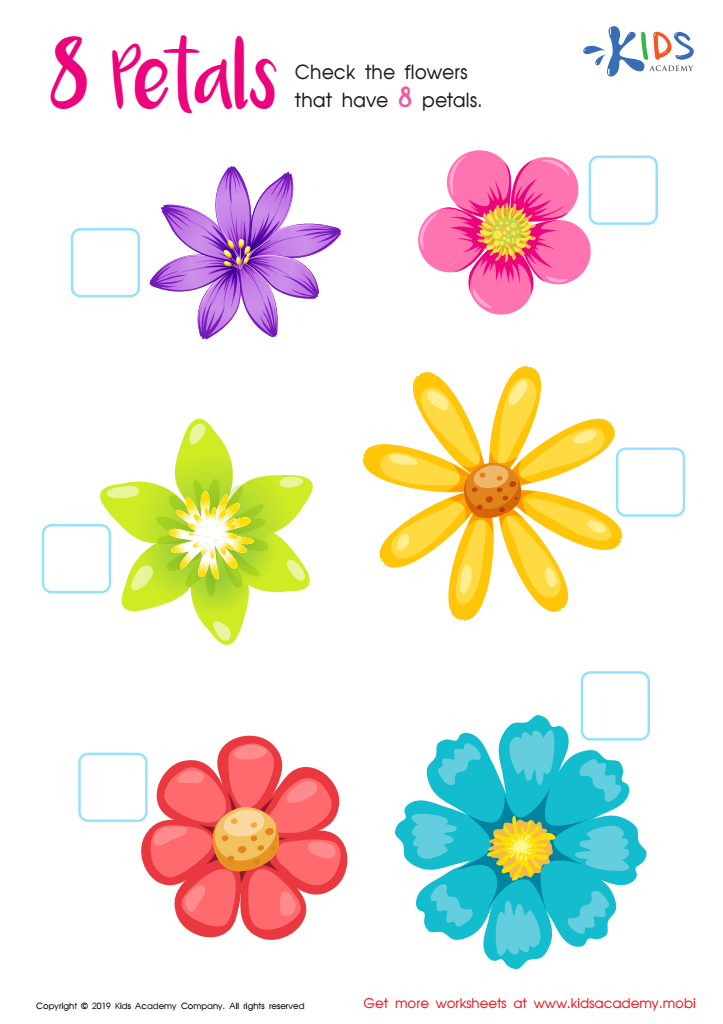
8 Petals Worksheet
Help your children master counting with this fun worksheet. It's filled with colorful flowers and they must count the petals and check the flowers with 8 petals. It's a great way to practice their counting skills and have some fun too!
 Assign to My Students
8 Petals Worksheet
Worksheet


Ten Spots Worksheet
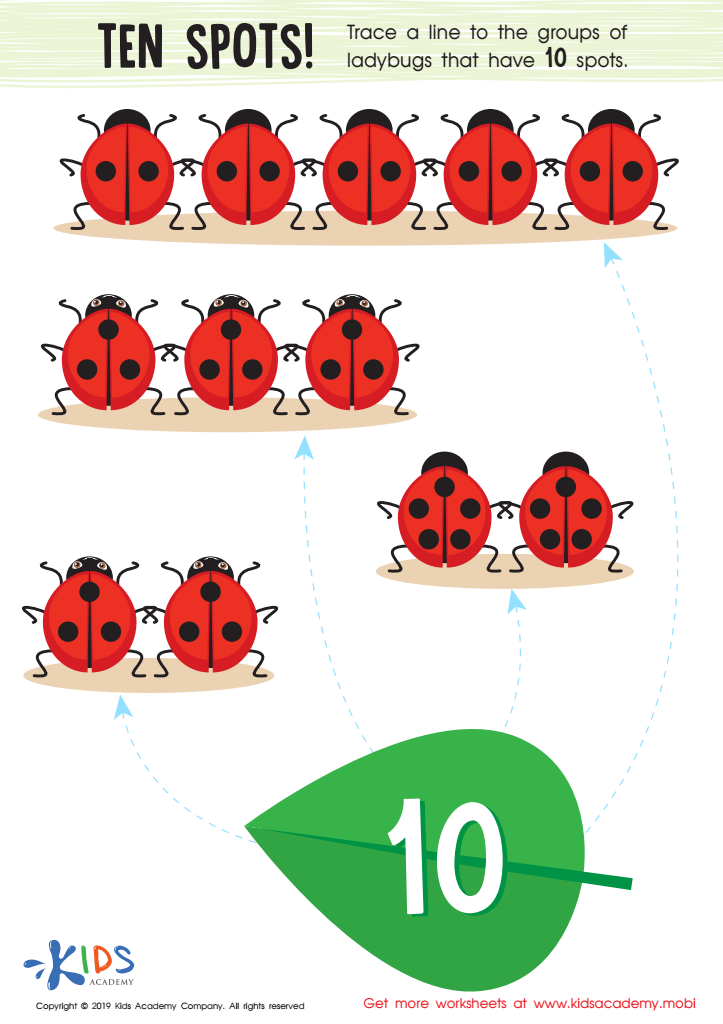
Kids love ladybugs! Ask them to tell you what stands out most--the spots. Show them a picture and help them count the spots. Trace a line to the group with 10 spots for a fun counting lesson.
Ten Spots Worksheet
Worksheet
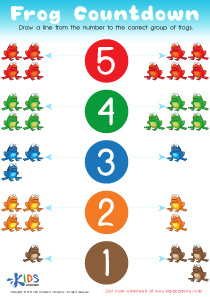
Frog Countdown Worksheet
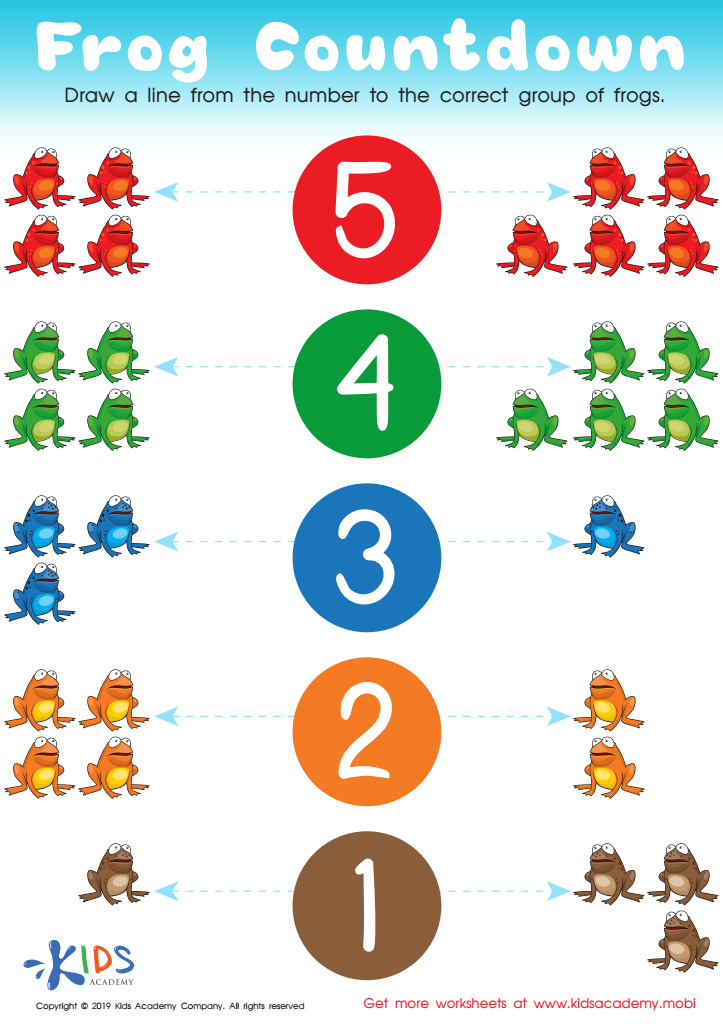
Make learning fun for kids with traceable printouts! This exercise has kids counting frogs and drawing a line to match the number. Expand their knowledge with activities like this, beyond the basics they learn in school. Help them explore new ways of learning and make it enjoyable.
Frog Countdown Worksheet
Worksheet
Join Kids Academy for Free
Who is primarily going to use this learning content?








Fine motor skills and counting are foundational components of early childhood development that significantly influence a child's overall learning and future academic success.
Fine motor skills, involving coordinated movements of small muscles, are crucial for tasks such as writing, using scissors, and managing buttons. As children sharpen these skills, they enhance their ability to manipulate objects, which is vital for both everyday functions and effective learning in the classroom. Strong fine motor skills contribute to improved concentration, hand-eye coordination, and creativity.
On the other hand, the ability to count lays the groundwork for mathematical understanding and problem-solving. Preschool counting practices help children recognize numbers, understand quantity, and develop early numeracy skills, all of which support later learning in mathematics. When children engage with counting through playful activities—such as counting blocks, singing counting songs, or playing games—they not only grasp numerical concepts but also foster a positive attitude towards learning.
Therefore, parents and teachers should prioritize fine motor skills and counting in preschool education. By fostering these skills, they ensure that children build confidence and competence as learners, setting the stage for lifelong academic achievement and critical thinking. Combining these crucial areas enriches a child’s holistic development, creating a strong foundation for future learning.