Color recognition Normal Preschool Reading Worksheets
3 filtered results
Difficulty Level
Grade
Age
-
From - To
Subject
Activity
Standards
Enhance your child's color recognition skills with our "Normal Preschool Reading Worksheets." Perfect for preschoolers, these engaging worksheets combine fun with learning to make color identification easy and enjoyable. Each sheet is thoughtfully designed to introduce and reinforce basic color concepts, promoting visual discrimination and cognitive development. Ideal for both classroom settings and at-home activities, our worksheets support early readers through interactive exercises featuring vibrant imagery and simple, clear instructions. Empower your preschooler’s learning journey with tools built to inspire confidence and prepare them for future academic success. Discover our range of printable worksheets today!
Favorites
With answer key
Interactive
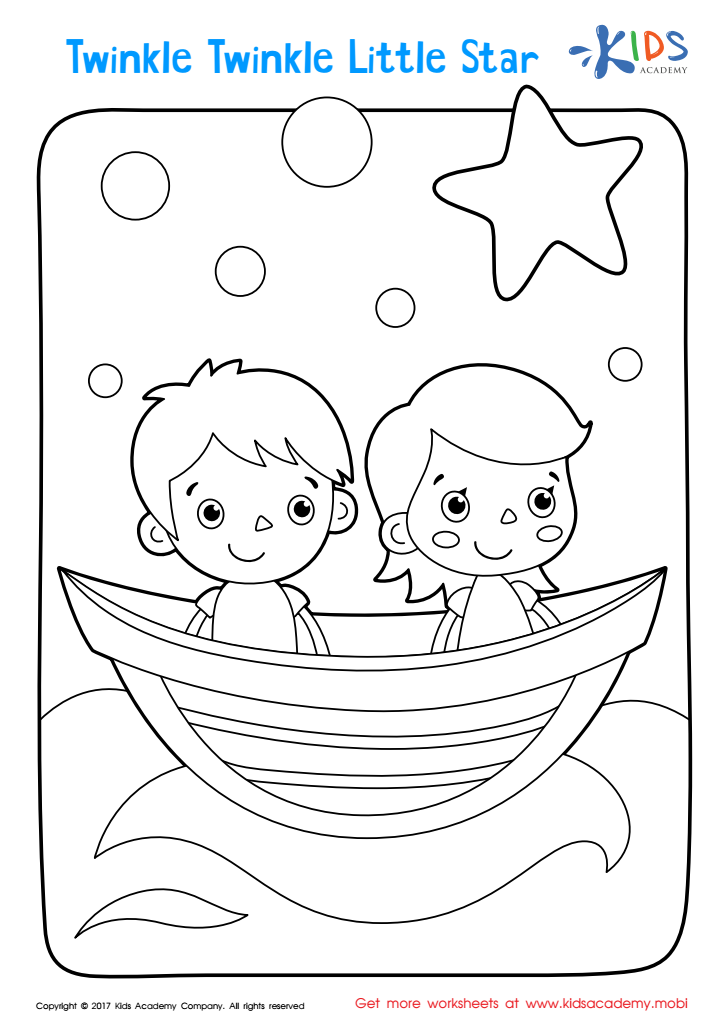
Twinkle Twinkle Little Star Coloring Page
Let your child wish upon a star as they color this scene of boy and girl stargazing. Sing Twinkle Twinkle Little Star while they choose colors to show the star twinkling in the night sky.
Download (PDF)
 Assign to My Students
Assign to My Students
Twinkle Twinkle Little Star Coloring Page
Worksheet
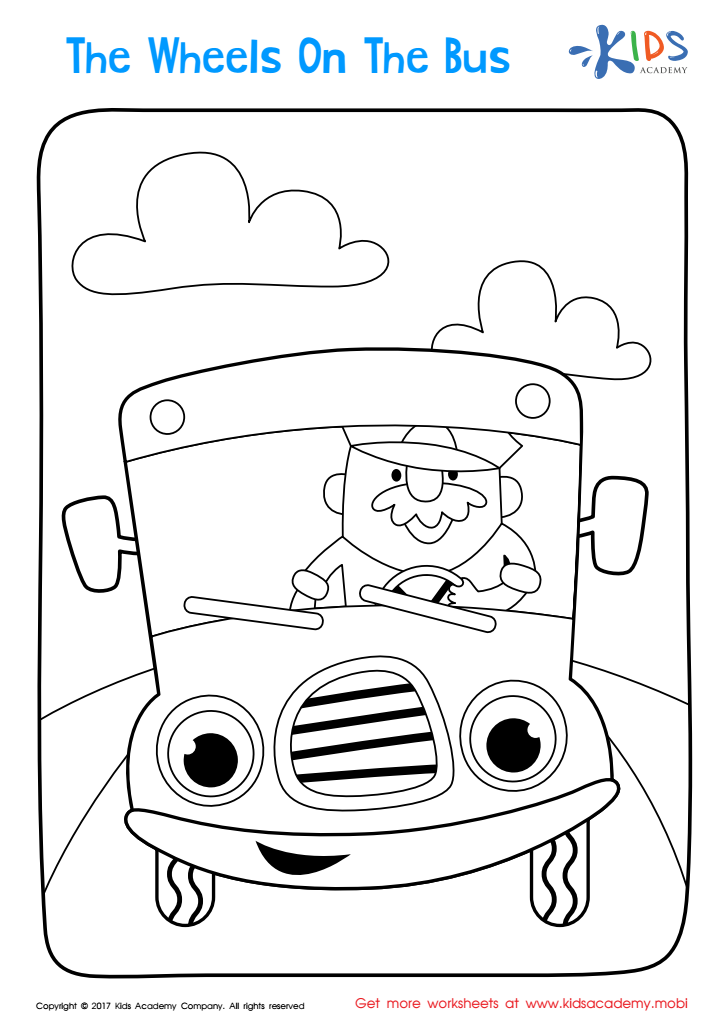
The Wheels on the Bus Coloring Page
Colour and sing with this printable Wheels on the Bus page! Let your child have fun singing the song with you as they colour. It'll make the activity even more entertaining and memorable.
Download (PDF)
Assign to My Students
Assign to My Students
The Wheels on the Bus Coloring Page
Worksheet
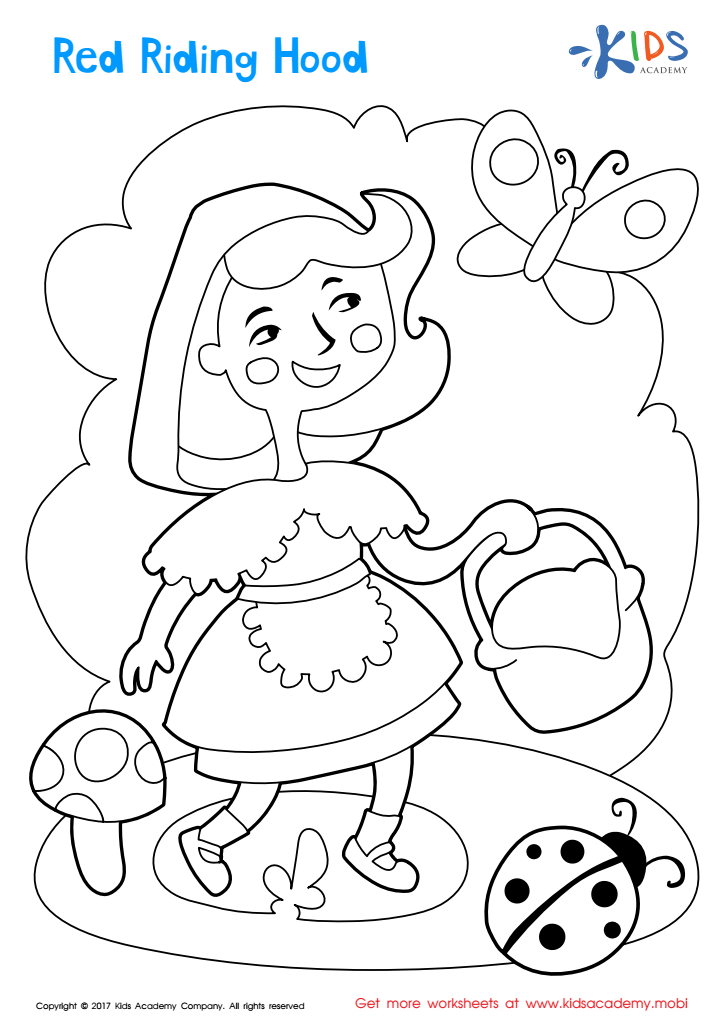
Red Riding Hood Coloring Page
Red Riding Hood awaits in the woods, with a butterfly, mushroom, and ladybug around her. Let your child bring the story to life with this magical printable coloring page. Fairytale fun for all!
Download (PDF)
Assign to My Students
Assign to My Students
Red Riding Hood Coloring Page
Worksheet
Join Kids Academy for Free
Who is primarily going to use this learning content?







Color recognition is a foundational skill in early childhood development and can significantly benefit both parents and teachers to care about it under preschool reading programs. Colors appeal naturally to young children and make learning engaging and fun. When teachers integrate color recognition into preschool reading, it aids in memory retention and cognitive development, as children often use colors as codes to assimilate and recall information.
Caring about color recognition in preschool not only helps to enhance visual discrimination skills, but it also fosters language development. As children learn to identify and name various colors, they expand their vocabulary and improve descriptive language skills. This makes reading more accessible as children create pictures in their minds for better comprehension.
Additionally, recognizing colors is crucial in teaching another essential skill: following instructions. Many preschool activities involve colored objects, helping children can stay organized, follow multi-step instructions, and develop problem-solving skills.
Therefore, parents and teachers who focus on color recognition during preschool reading sessions contribute significantly to a child's holistic development. They lay a strong educational foundation that aligns cognitive skills with linguistic abilities, preparing children not just for reading, but for all future academic endeavors.