Logical Reasoning Normal Reading Worksheets
11 filtered results
-
From - To
Enhance your child's development with our "Logical Reasoning Normal Reading Worksheets." Designed to hone critical thinking skills, these worksheets engage young minds through a series of interactive reading exercises. Each worksheet presents carefully curated content that challenges and nurtures problem-solving abilities essential for academic success. With vibrant visuals and age-appropriate texts, these resources are perfect for cultivating logical reasoning and reading comprehension in early learners. Ideal for use both in classrooms and at home, our worksheets offer a fun and effective way to build foundational learning skills. Discover how logical reasoning can transform your child's educational journey today!
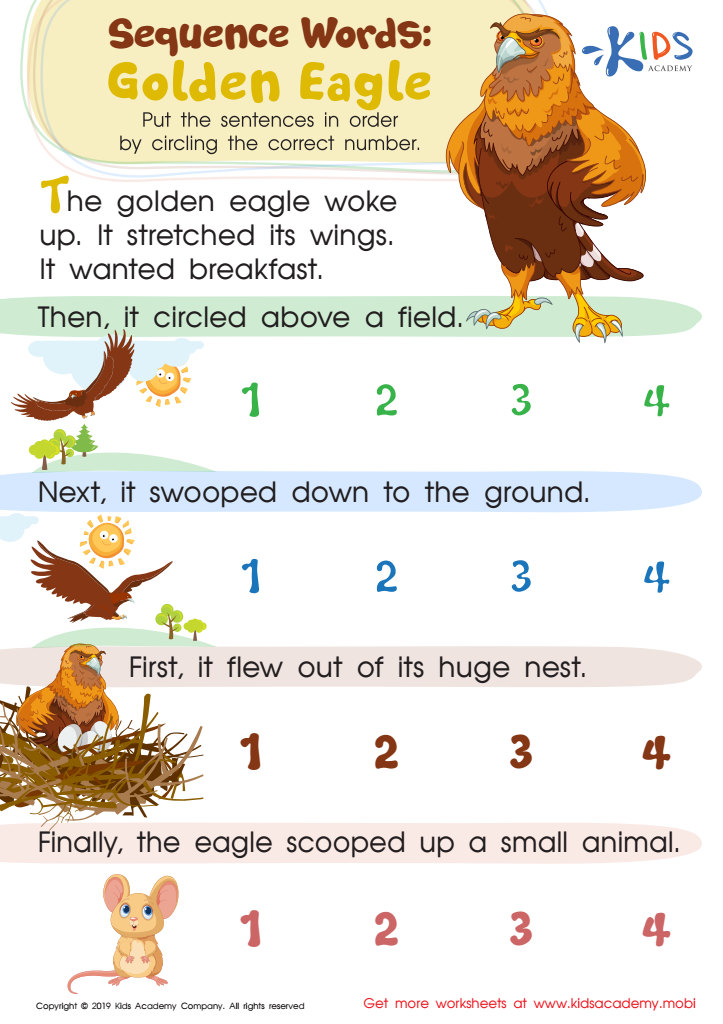
Sequence Word Eagle Worksheet
 Assign to My Students
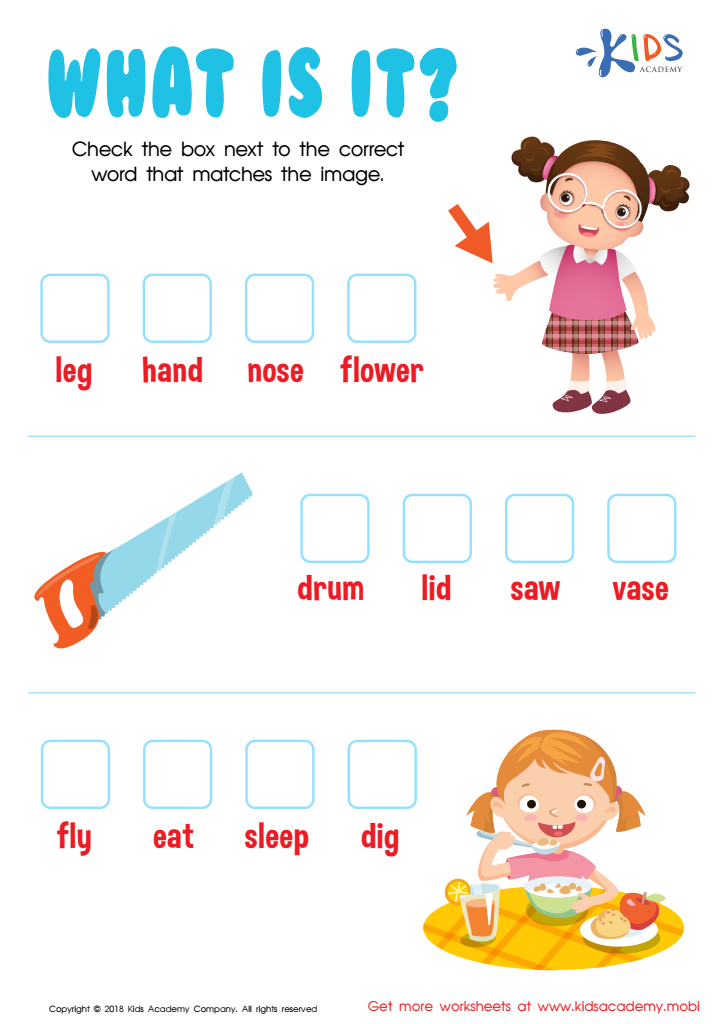
What Is It? Worksheet
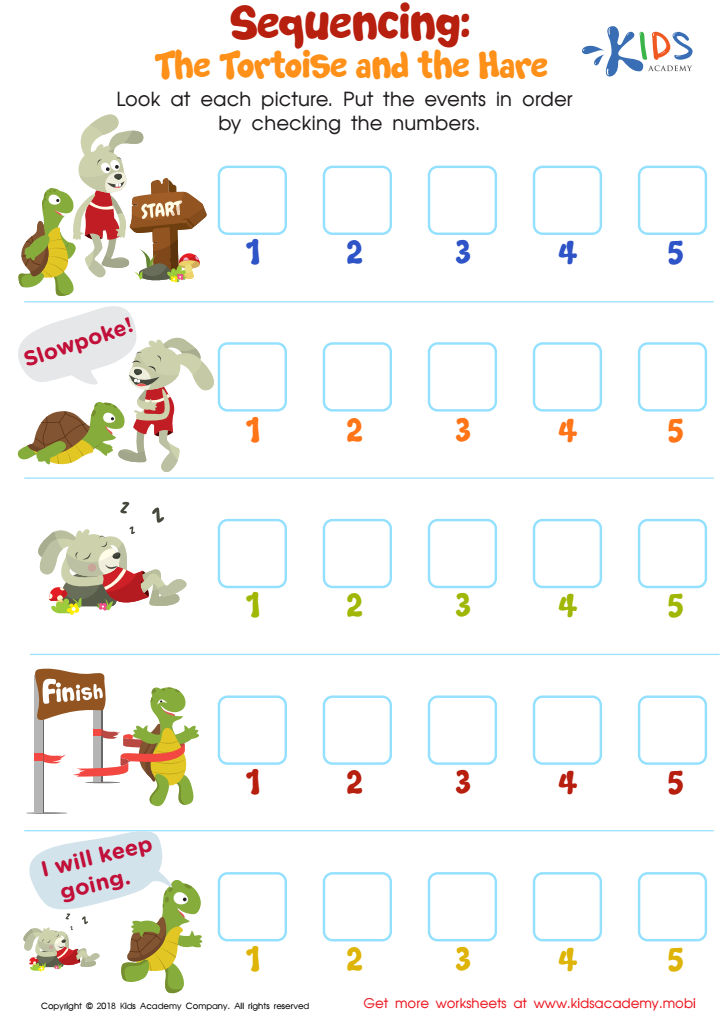
Sequencing: The Tortoise and the Hare Worksheet
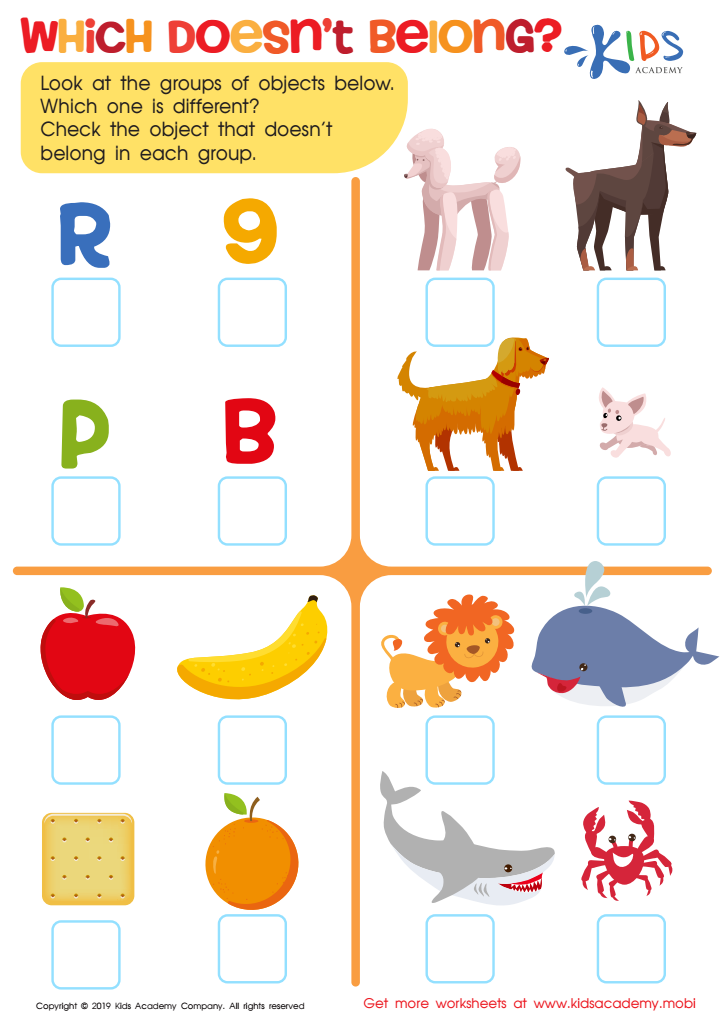
Which Doesn't Belong? Worksheet
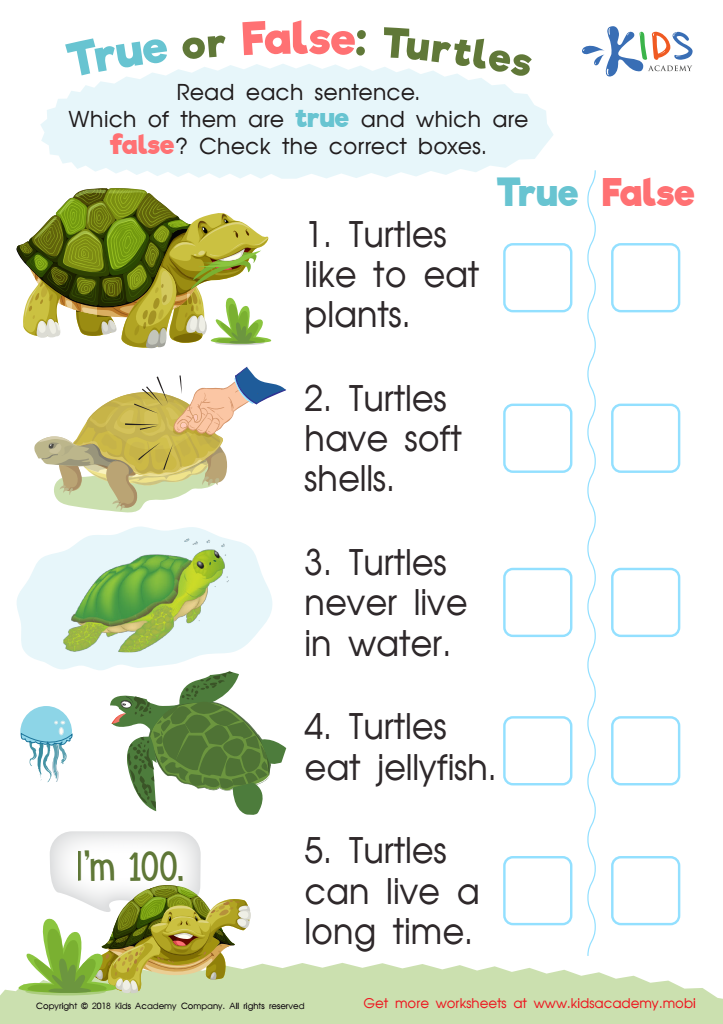
True or False: Turtles Worksheet
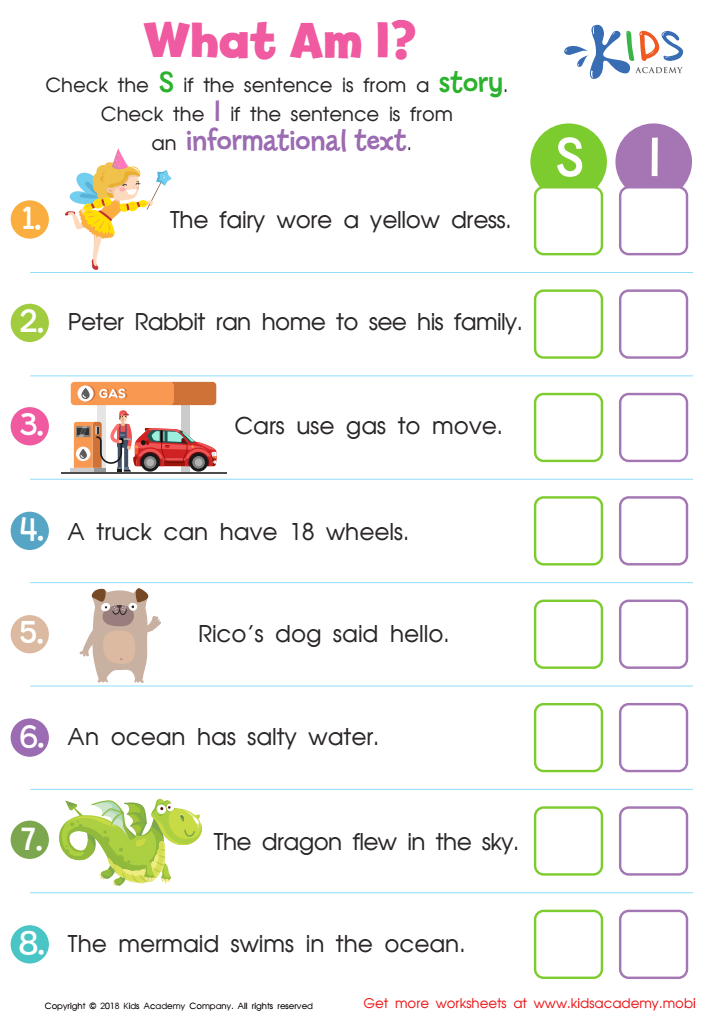
What Am I? Worksheet
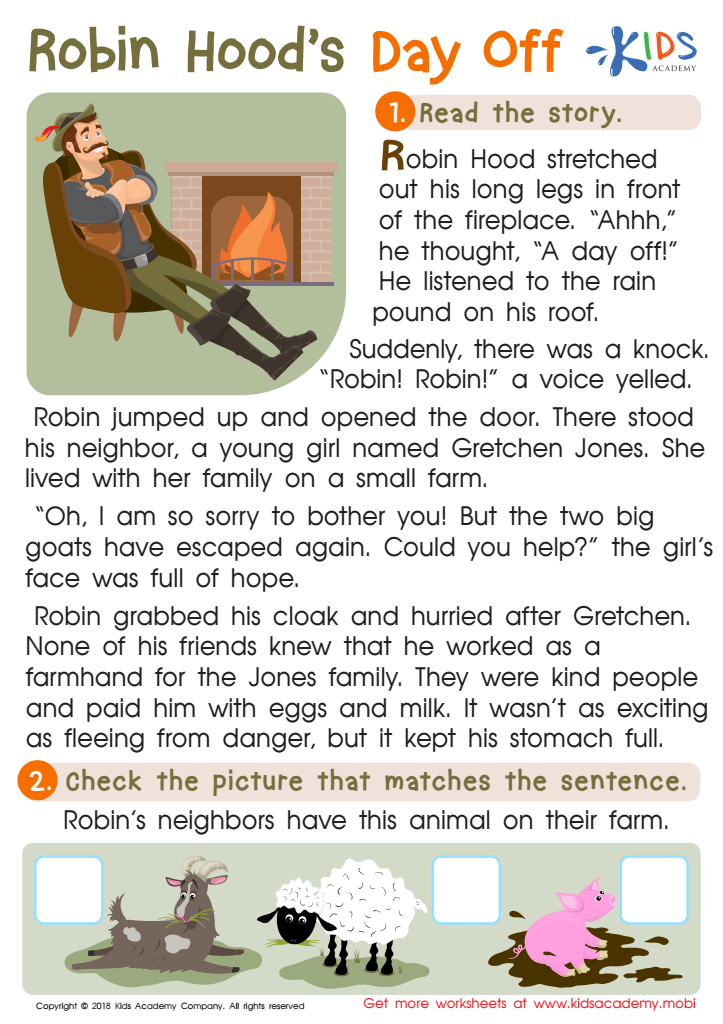
Robin Hood's Day Off Worksheet
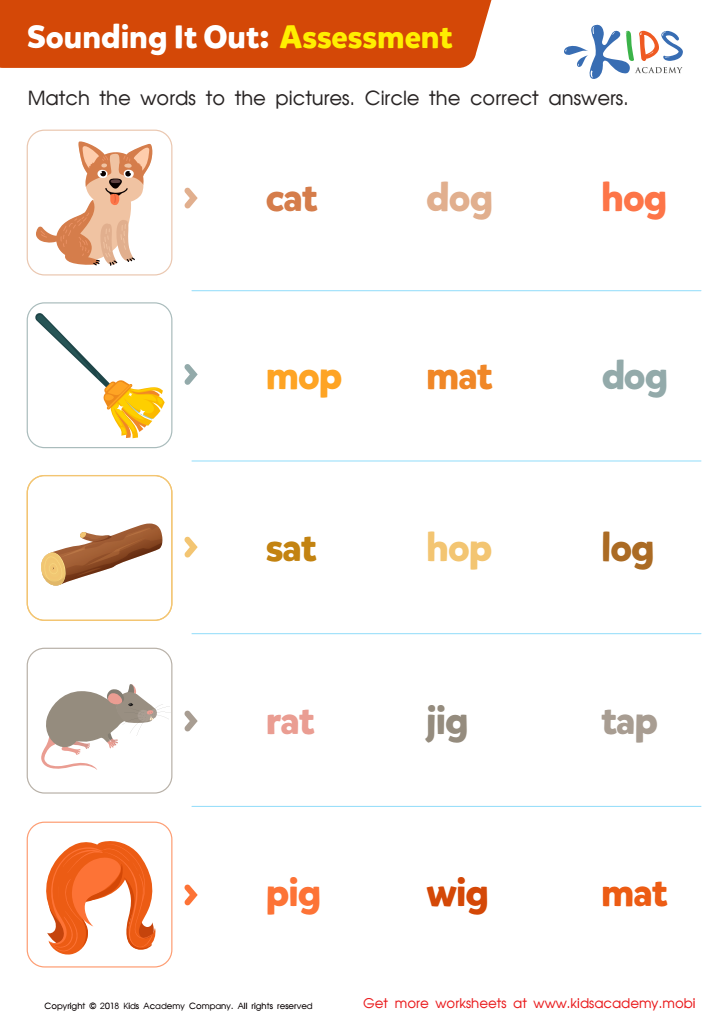
Sounding it Out: Assessment Worksheet
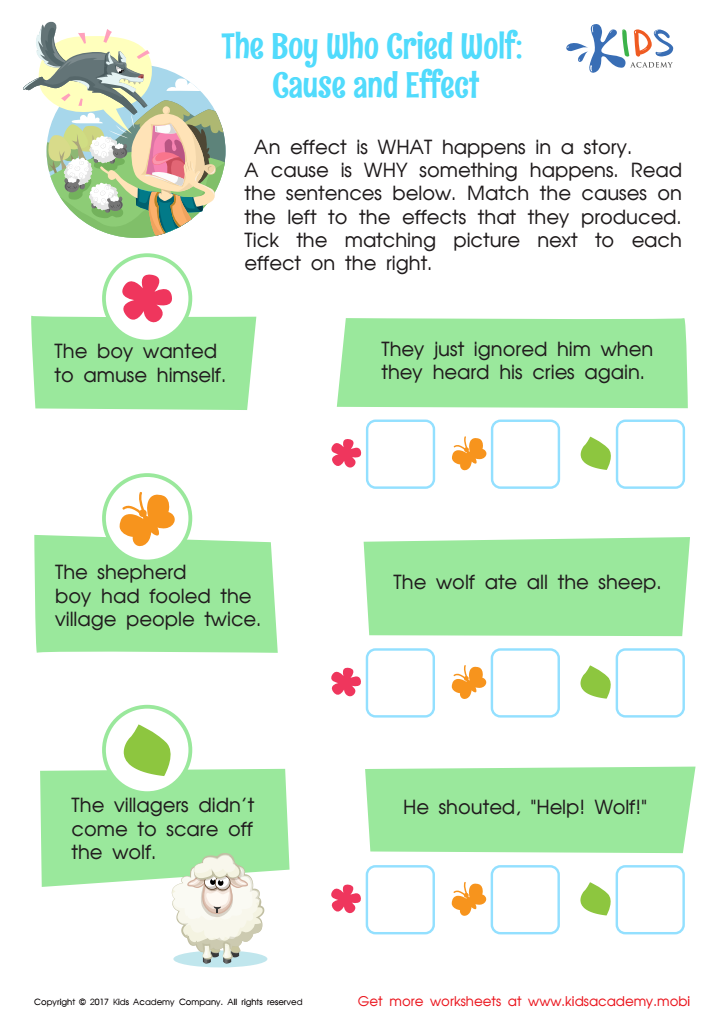
The Boy Who Cried Wolf: Cause and Effect Worksheet
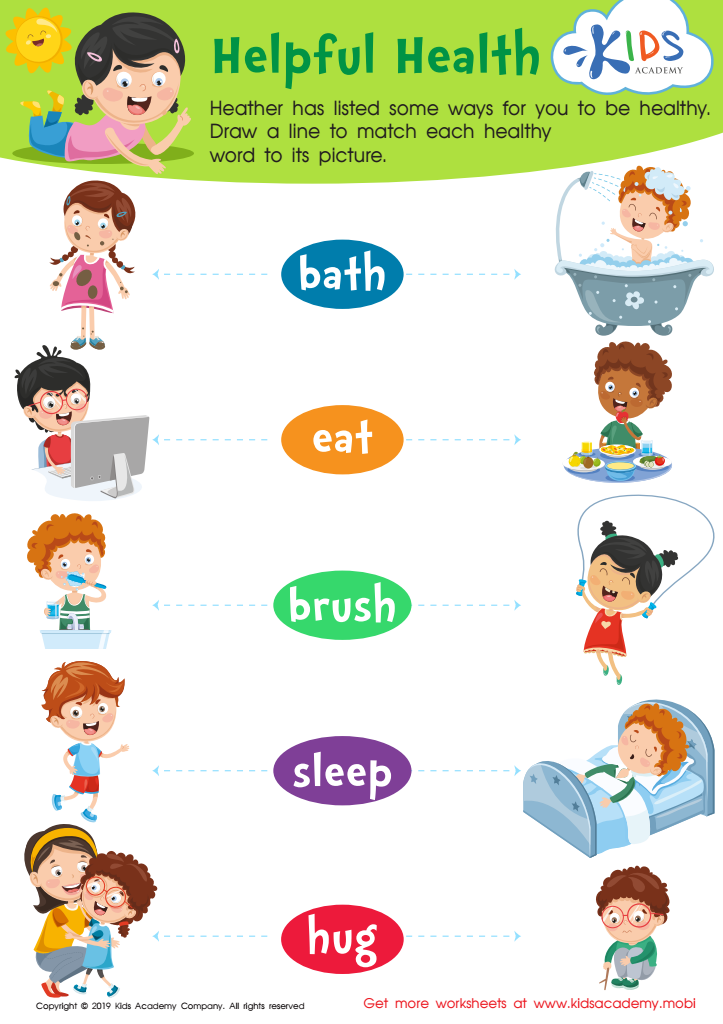
Helpful Health Worksheet
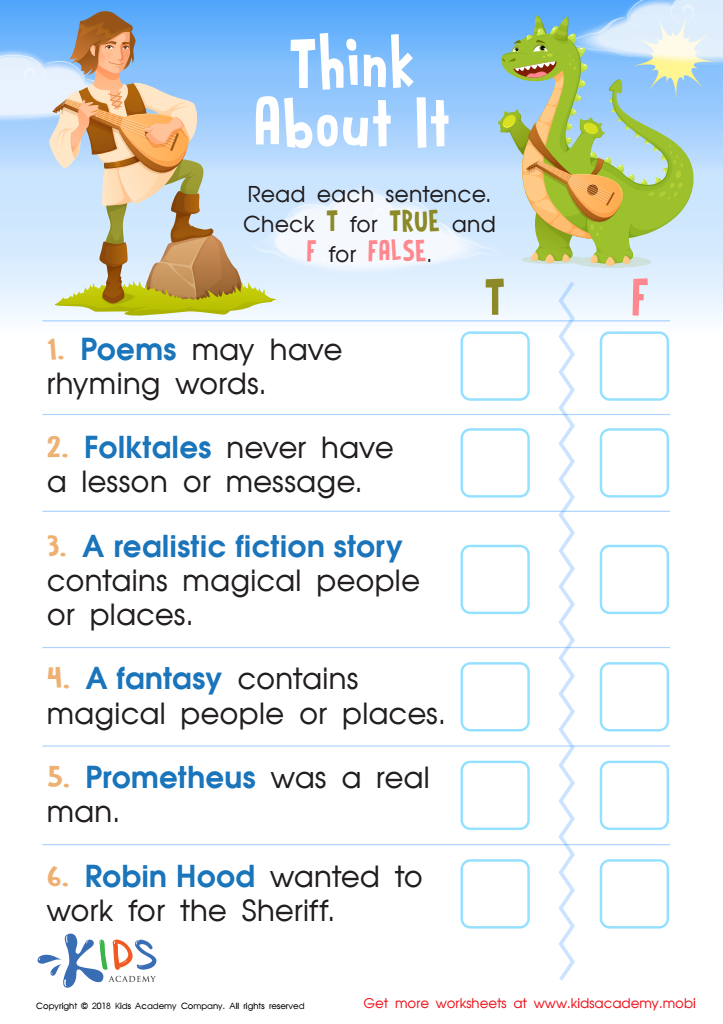
Think About It: Assessment Worksheet


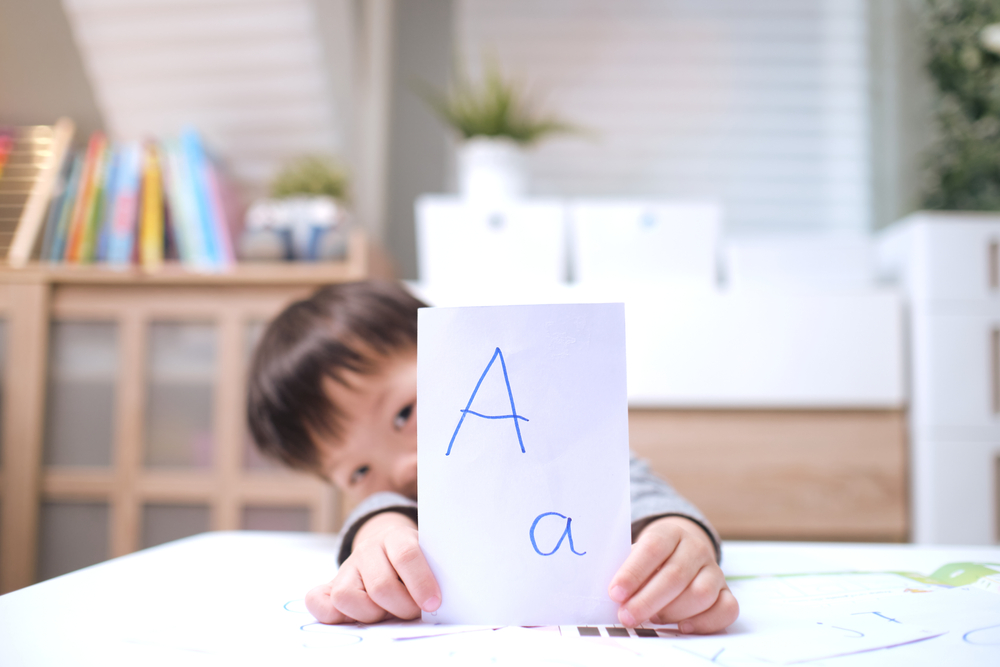





Logical reasoning and normal reading are fundamental skills that support a child's overall cognitive and emotional development, making them essential for both parents and teachers to prioritize.
Firstly, logical reasoning helps children make sense of the world. It enhances their problem-solving abilities, enabling them to approach challenges systematically and think analytically. For example, children trained in logical reasoning can better understand mathematical concepts, make sound decisions, and articulate their thoughts clearly.
Normal reading, on the other hand, ensures that children develop strong literacy skills. Reading fluency contributes to improved comprehension, vocabulary, and knowledge. It equips children to access and engage with a wide range of information, fostering curiosity and lifelong learning.
When combined, logical reasoning and reading skills lead to greater academic success. Students who can read effectively and think logically perform better across subjects, as these skills underpin many educational curricula. Furthermore, strong reasoning and comprehension skills build confidence, allowing children to participate more actively in classroom discussions and social interactions.
Parents and teachers play crucial roles in cultivating these skills by providing abundant opportunities for reading and problem-solving activities. Engaging stories, challenging puzzles, and practical reasoning exercises can stimulate young minds. By investing time and resources in developing logical reasoning and normal reading, parents and teachers set children on a path toward intellectual growth and personal fulfillment.








