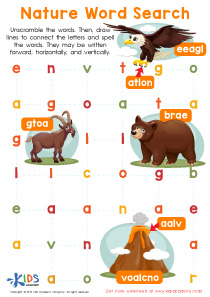
Sight word recognition Normal Sight Words Worksheets
7 filtered results
-
From - To
Enhance your child’s reading skills with our "Sight Word Recognition Normal Sight Words Worksheets." Designed for early learners, these worksheets focus on helping children identify and recognize commonly used sight words that are crucial for reading fluency. Our engaging exercises guide students through fun activities that reinforce their understanding and retention of sight words in context. Parents and educators can easily adapt these resources to suit individual learning styles, ensuring that every child gains confidence in their reading abilities. With clear layouts and interactive elements, these printable worksheets make learning to read enjoyable and effective. Start your journey to literacy today!
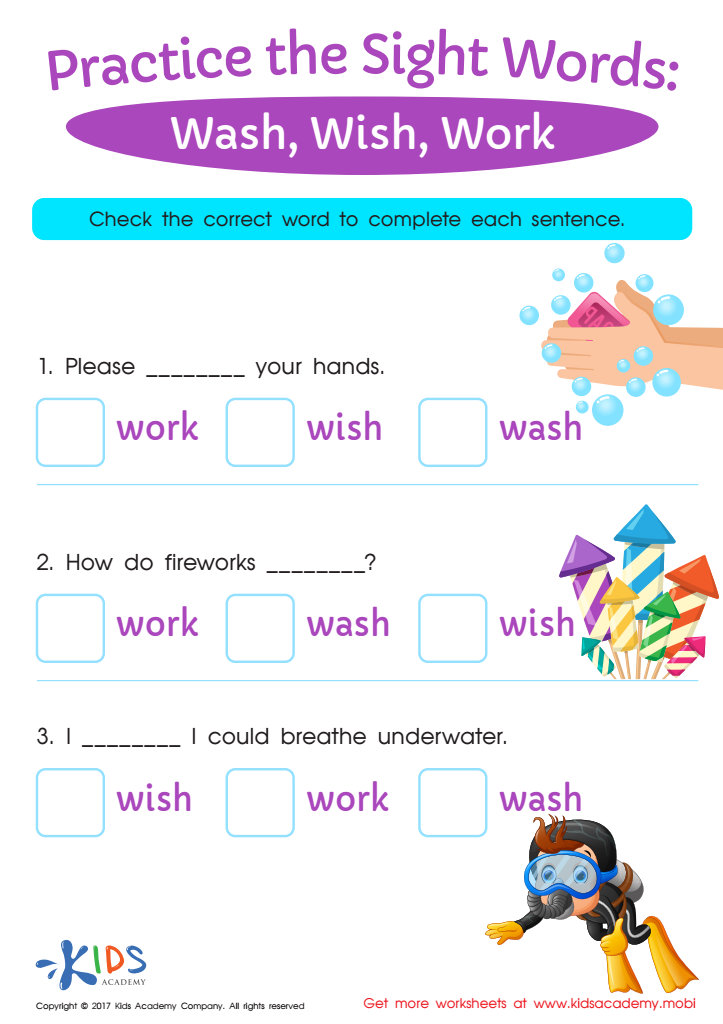
Wash, Wish, Work Sight Words Worksheet
 Assign to My Students






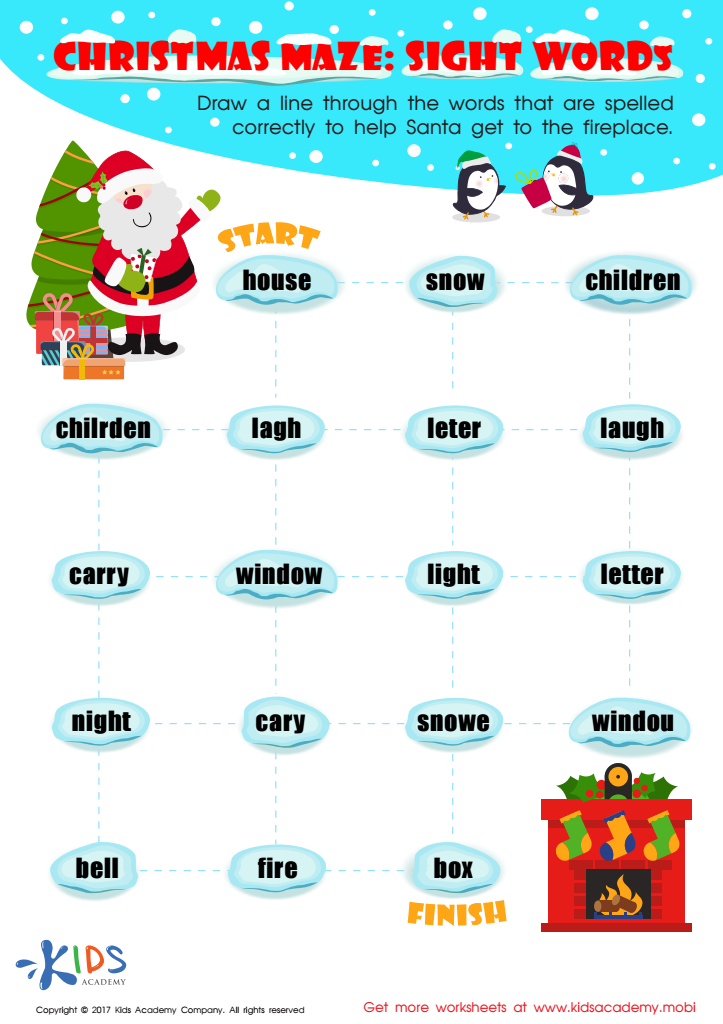
Sight Words Christmas Maze Printable
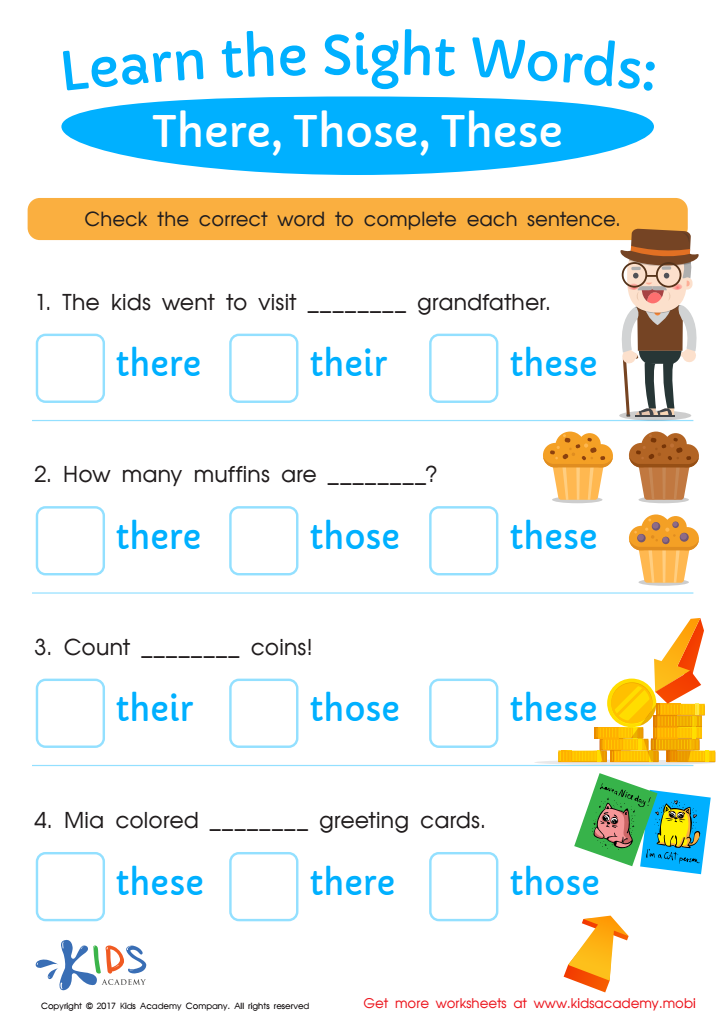
There, Those and These Sight Words Worksheet
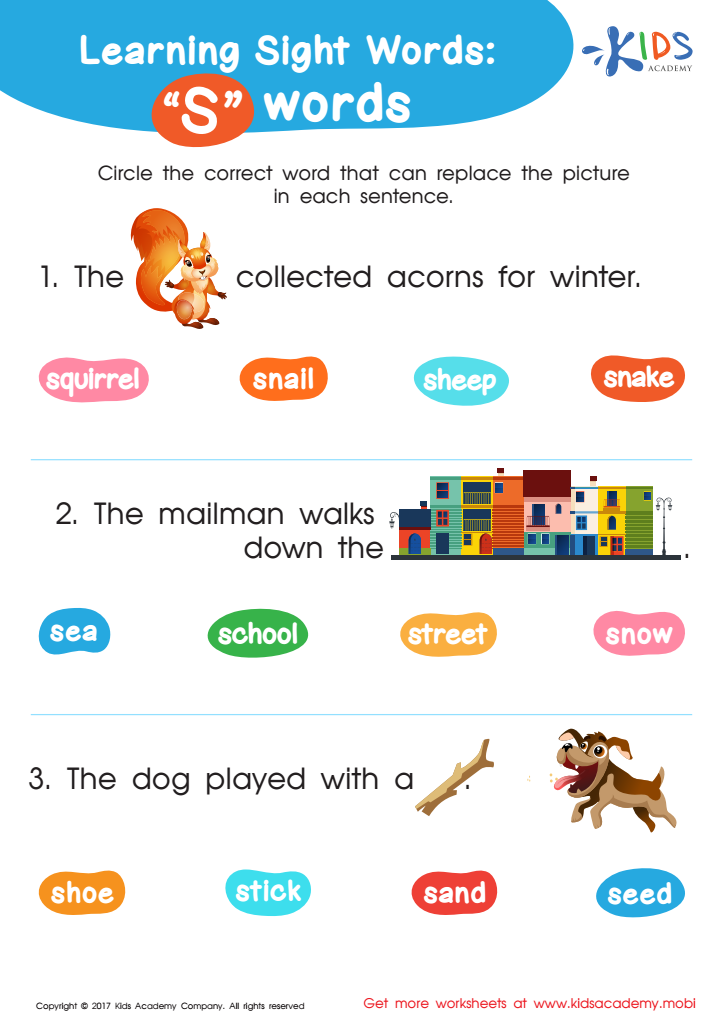
S Words Sight Words Worksheet
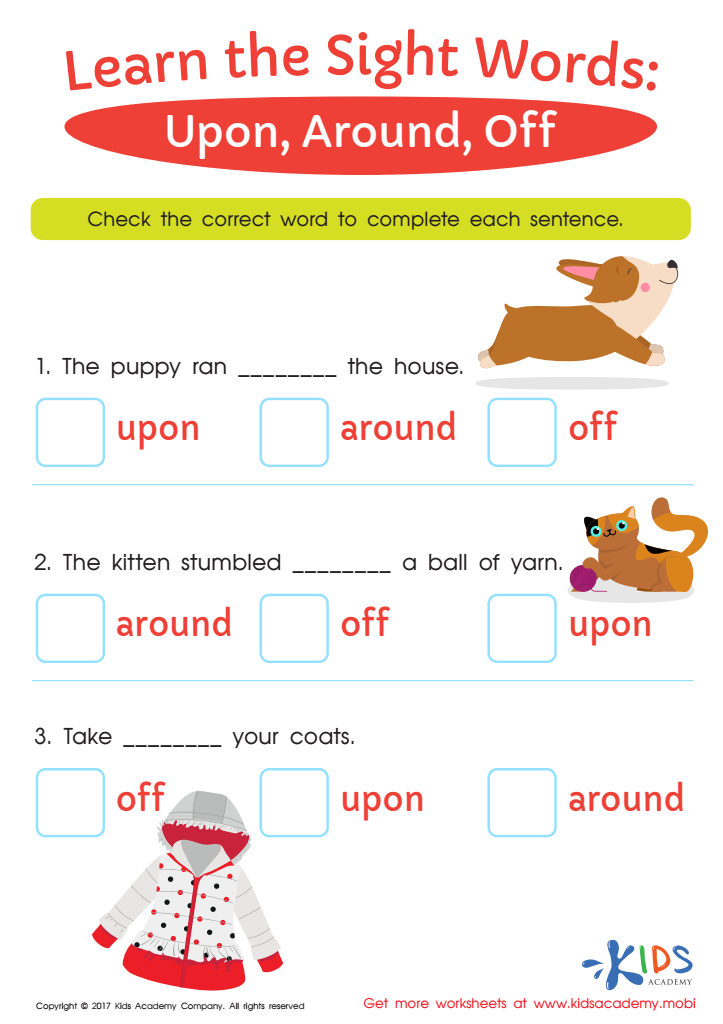
Upon, Around, Off Sight Words Worksheet
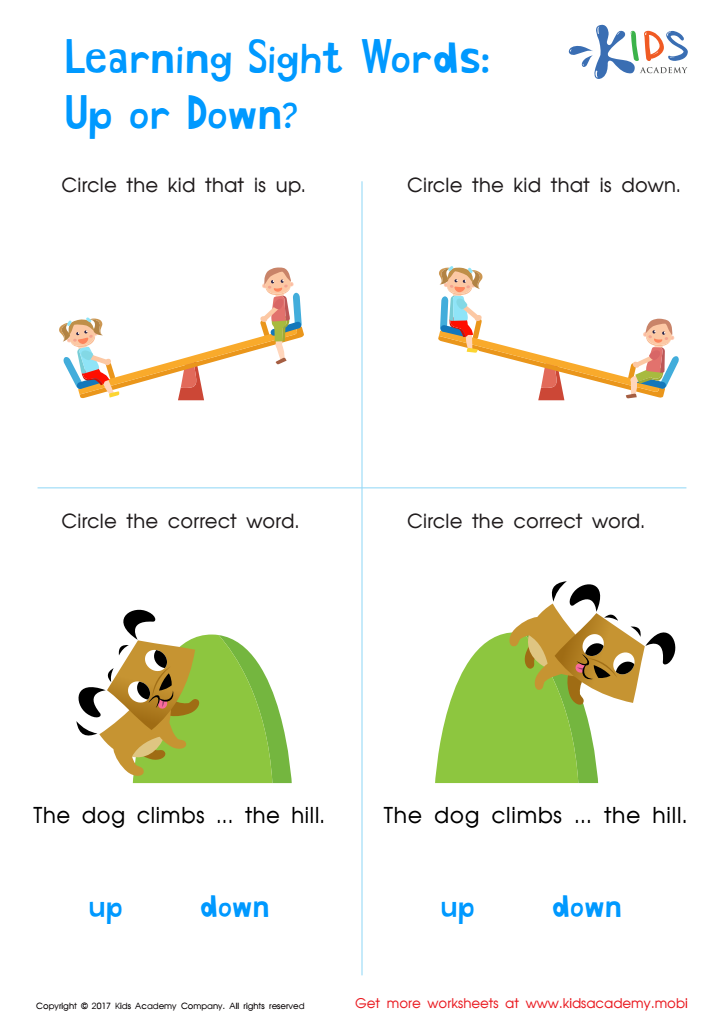
Up or Down Printable Sight Words Worksheet
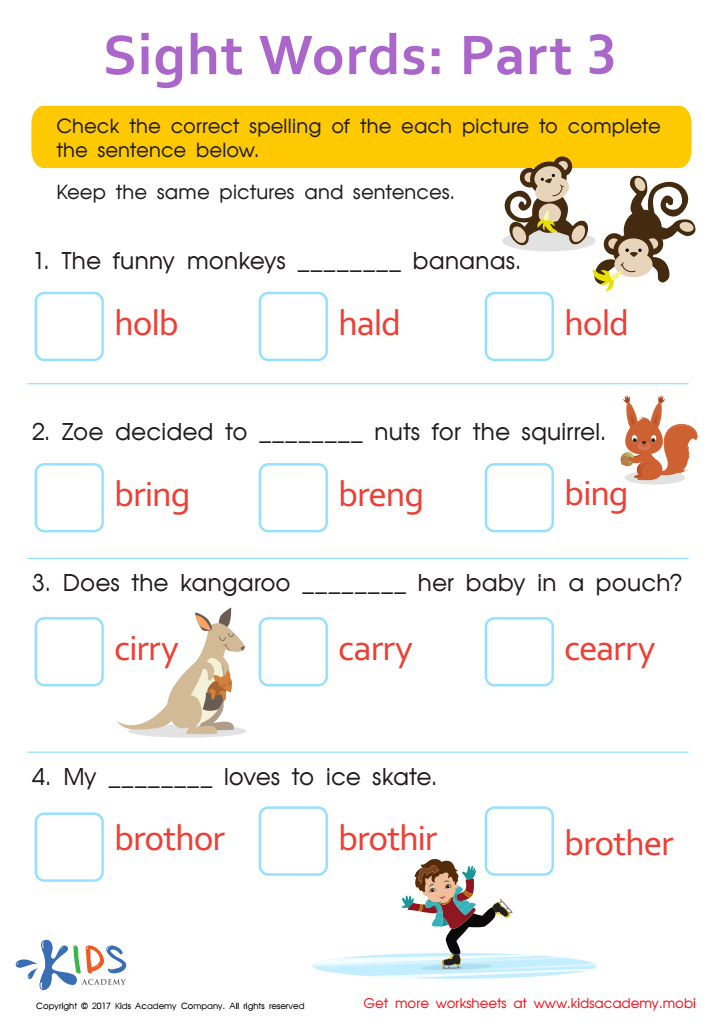
Hold, Bring, Carry, Brother Sight Words Worksheet








Sight word recognition, particularly normal sight words, plays a crucial role in early literacy development, making it essential for parents and teachers to prioritize it. Normal sight words—often referred to as sight words—are commonly used words that children are encouraged to recognize by sight rather than to decode phonetically. Mastering these words enhances reading fluency, allowing children to read more quickly and smoothly, which in turn boosts comprehension.
When children recognize sight words instantly, they can focus their cognitive efforts on understanding the overall meaning of texts rather than stumbling over familiar terms. This ease in reading encourages a love for books and reduces frustration, making reading a more enjoyable experience for young learners.
Additionally, proficiency in sight word recognition sets a strong foundation for more complex literacy skills, enabling students to tackle various texts later in their educational journey. Sounds and patterns associated with sight words often appear in reading materials, thus reinforcing their contextual understanding as they progress.
Therefore, parents and teachers should actively foster sight word recognition at home and in classrooms, supporting children’s autonomy and confidence as readers while cultivating an enriching learning environment. This investment in early literacy skills benefits children's long-term academic success and love for reading.