Categorization skills Normal Science Worksheets
4 filtered results
-
From - To
Discover our engaging "Categorization Skills Normal Science Worksheets" designed to enhance children’s understanding of scientific concepts. These worksheets help young learners develop critical categorization skills by encouraging them to sort and group various elements found in nature, such as animals, plants, and everyday objects. Tailored for early education, our worksheets blend fun activities with essential knowledge, promoting cognitive growth while making learning enjoyable. Use our resources to support your classroom activities or at-home learning sessions. With clear instructions and vibrant images, these worksheets are perfect for fostering curiosity and critical thinking in budding scientists. Unlock the joy of discovery today!
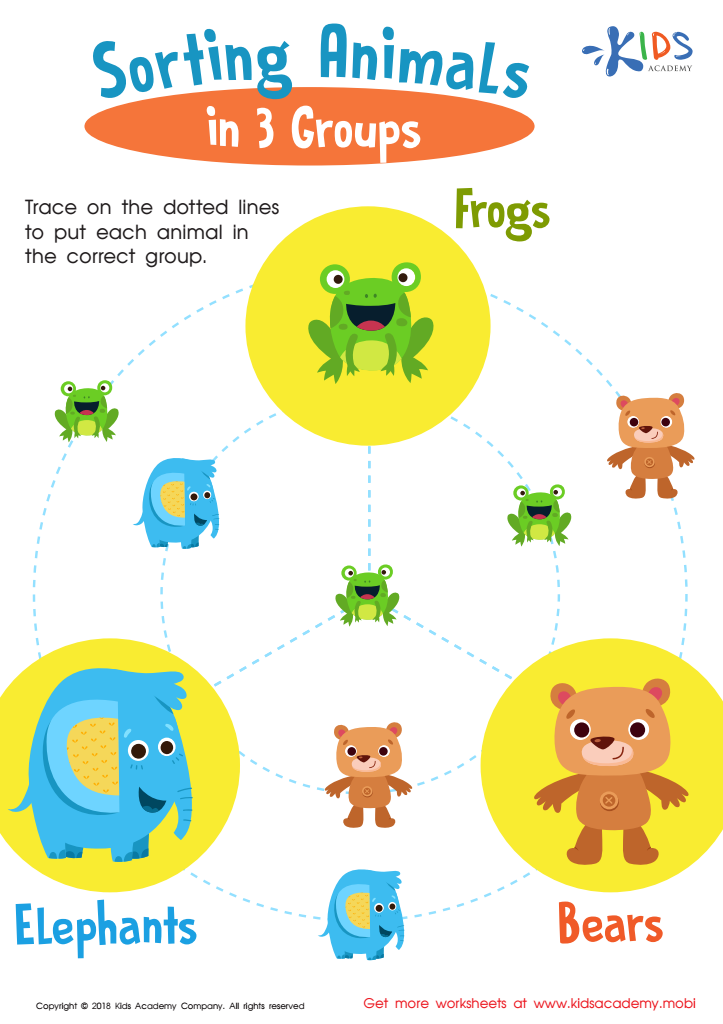
Sorting Animals in 3 Groups Worksheet
 Assign to My Students
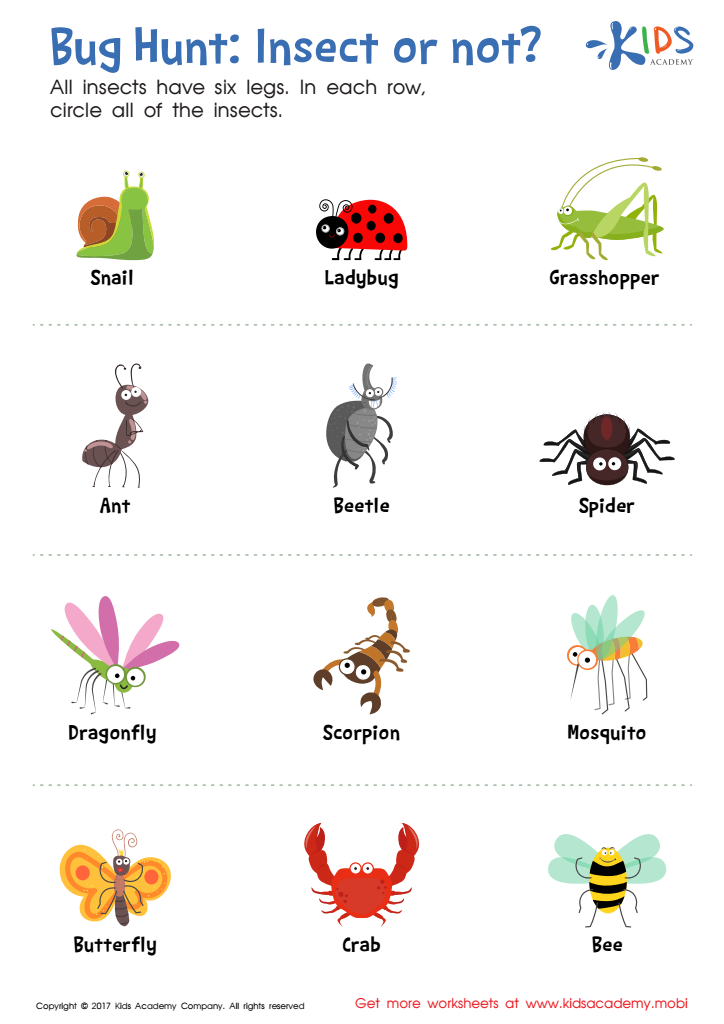
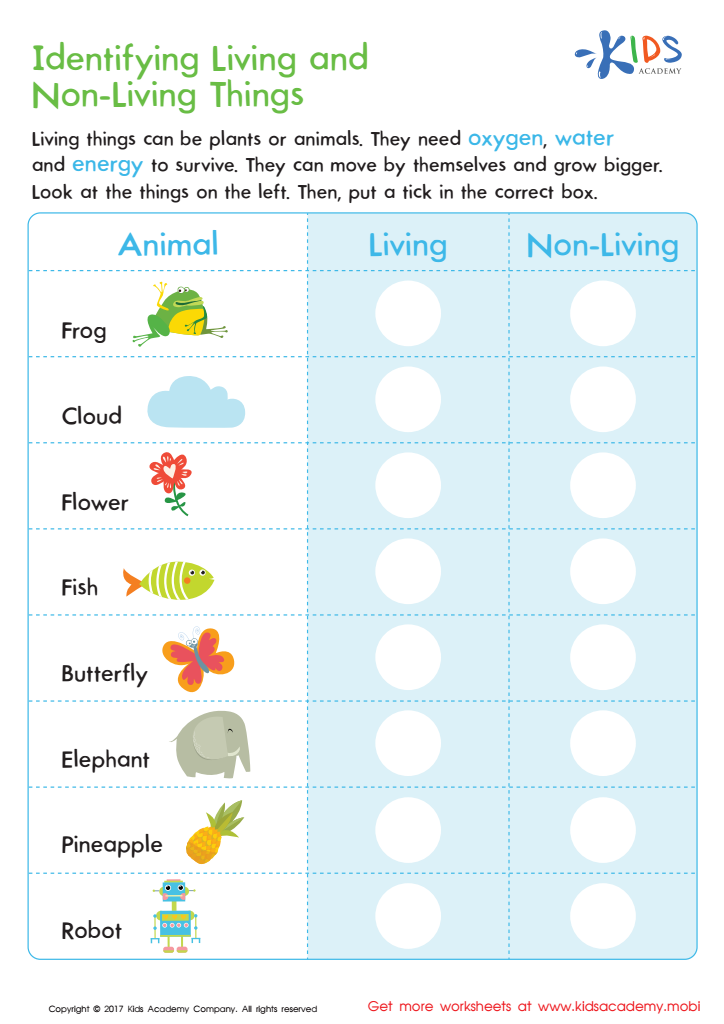
Identifying Living or Non–living Worksheet
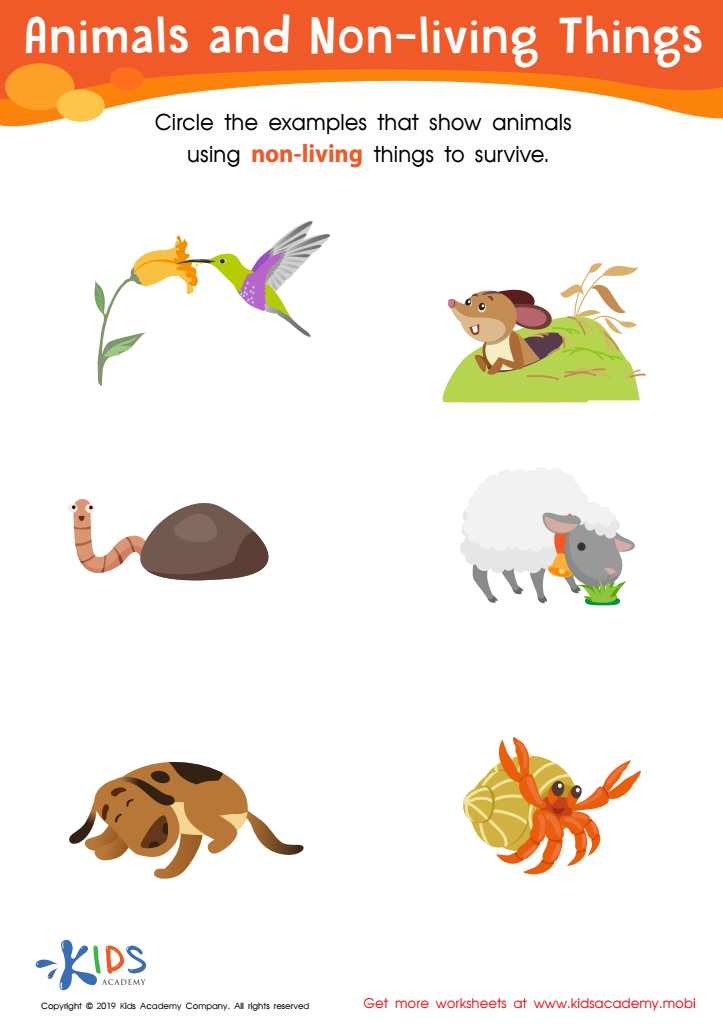
Animals and Non-Living Things Worksheet







Categorization skills are fundamental to children’s cognitive development and play a vital role in early education. These skills enable children to group objects, ideas, or experiences based on shared traits, fostering critical thinking and problem-solving abilities. Parents and teachers should care about these skills within the context of Normal Science, which emphasizes observation, classification, and inference based on empirical evidence.
By helping children develop categorization skills, adults promote a deeper understanding of the world around them. For instance, when children categorize animals, they learn to recognize differences and similarities, allowing them to draw connections and make predictions. This understanding is essential in the scientific process, where classification aids in organizing knowledge and facilitating discoveries.
Moreover, strong categorization abilities enhance language development as children learn to label and describe different categories, expanding their vocabulary. Encouraging children to notice categories in everyday life also boosts curiosity and inquiry, which are crucial for lifelong learning. Overall, fostering categorization skills is essential for building a foundation that supports scientific reasoning, analytical thought, and overall cognitive growth, making it a priority for both parents and educators in shaping future thinkers and innovators.







