Critical thinking development Normal Science Worksheets
7 filtered results
-
From - To
Cultivate your child's analytical skills with our "Critical Thinking Development Normal Science Worksheets." Tailored for young learners, these printable worksheets engage students through stimulating scientific activities designed to foster problem-solving and thoughtful reasoning. Each worksheet encourages kids to ask questions, analyse information, and draw conclusions, making science both fun and educational. They are perfect for enhancing classroom lessons or supplementing at-home learning. Give your child the tools to excel in science and beyond with activities that promote intellectual growth and a love for learning. Visit Kids Academy to explore our comprehensive collection and watch critical thinking abilities flourish.

Balanced Forces Worksheet
 Assign to My Students
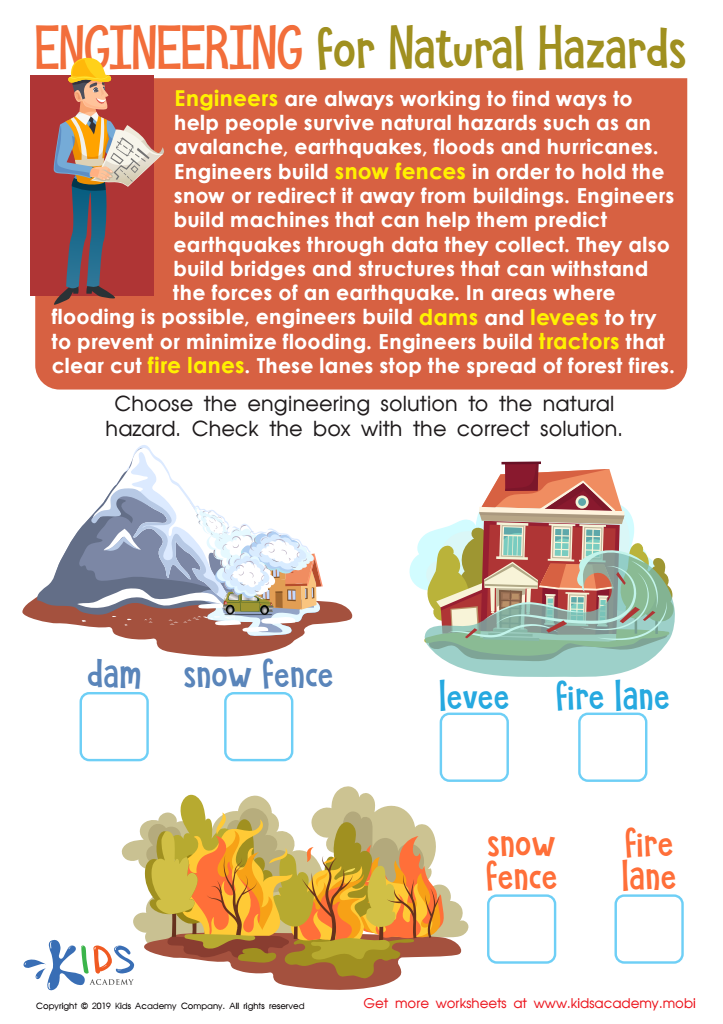
Engineering Natural Hazards Worksheet
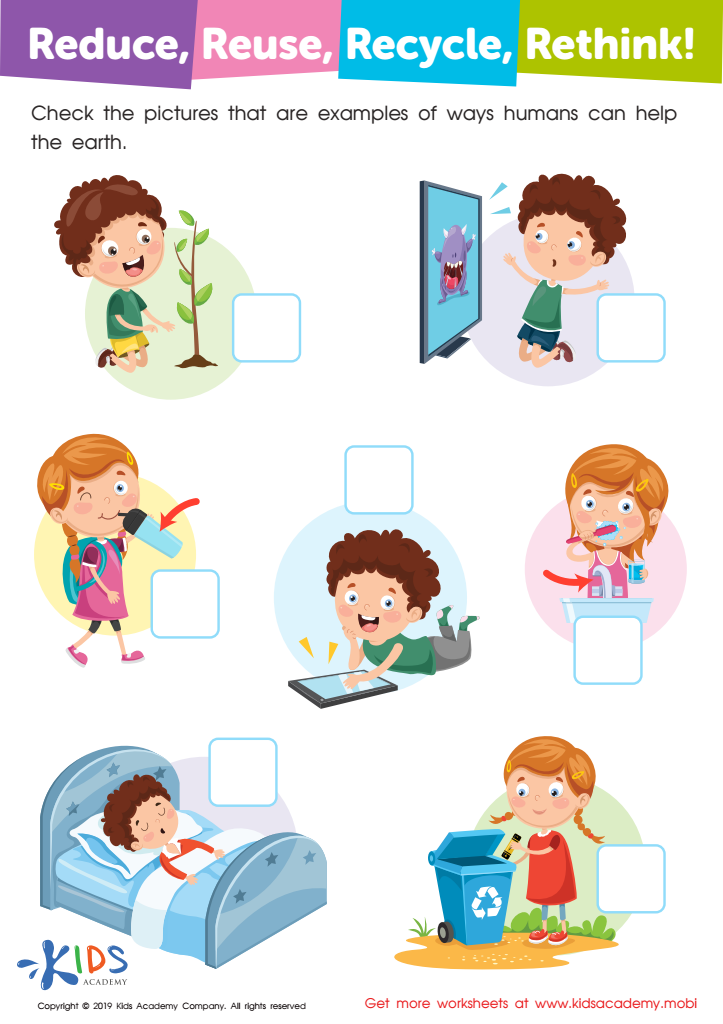
Reduce, Reuse, Recycle, Rethink Worksheet
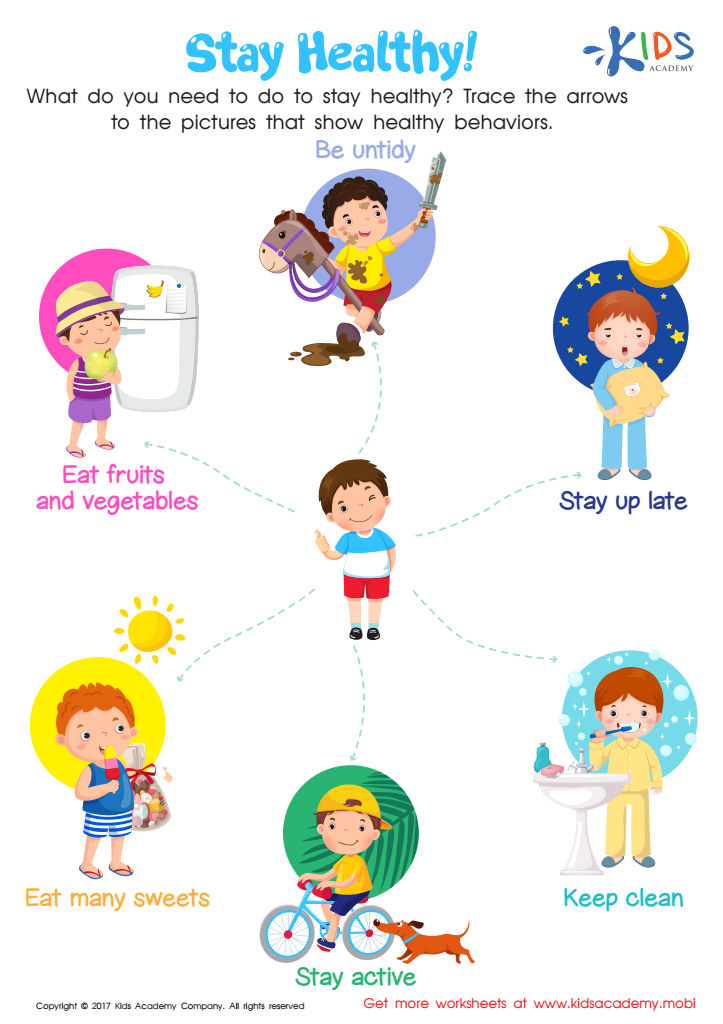
Healthy and Unhealthy Behaviors Worksheet
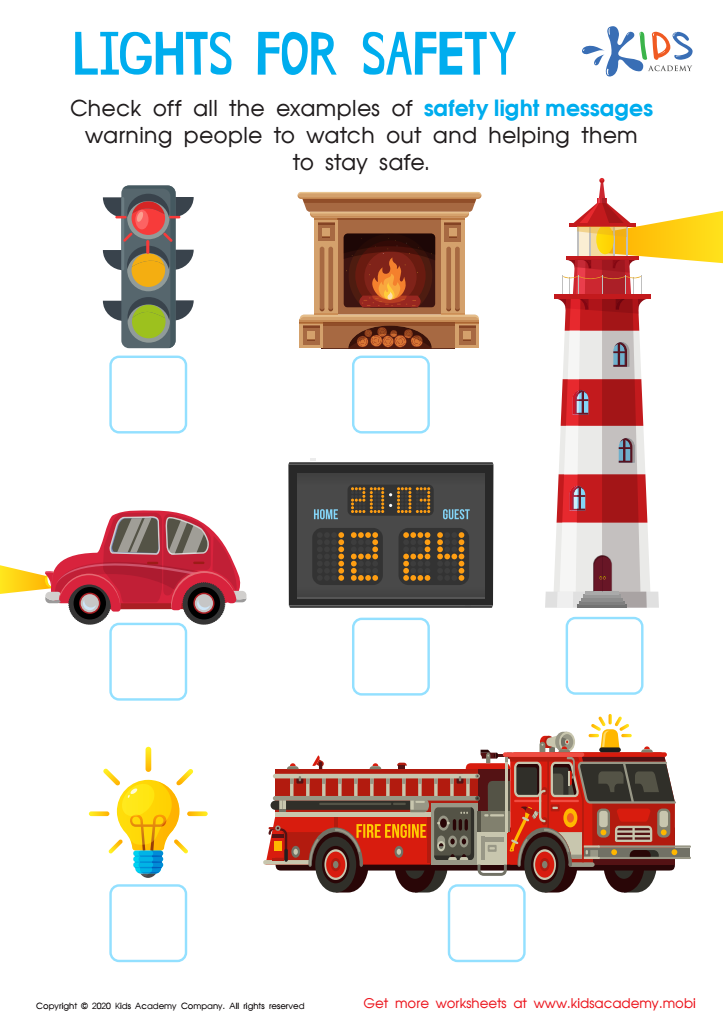
Lights for Safety Worksheet
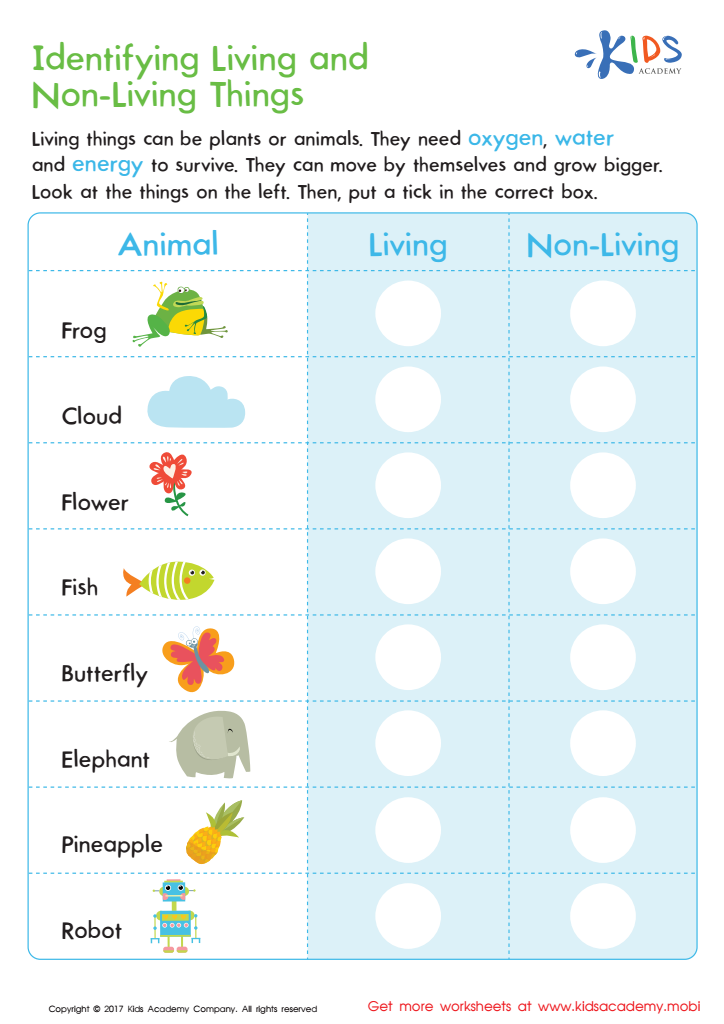
Identifying Living or Non–living Worksheet
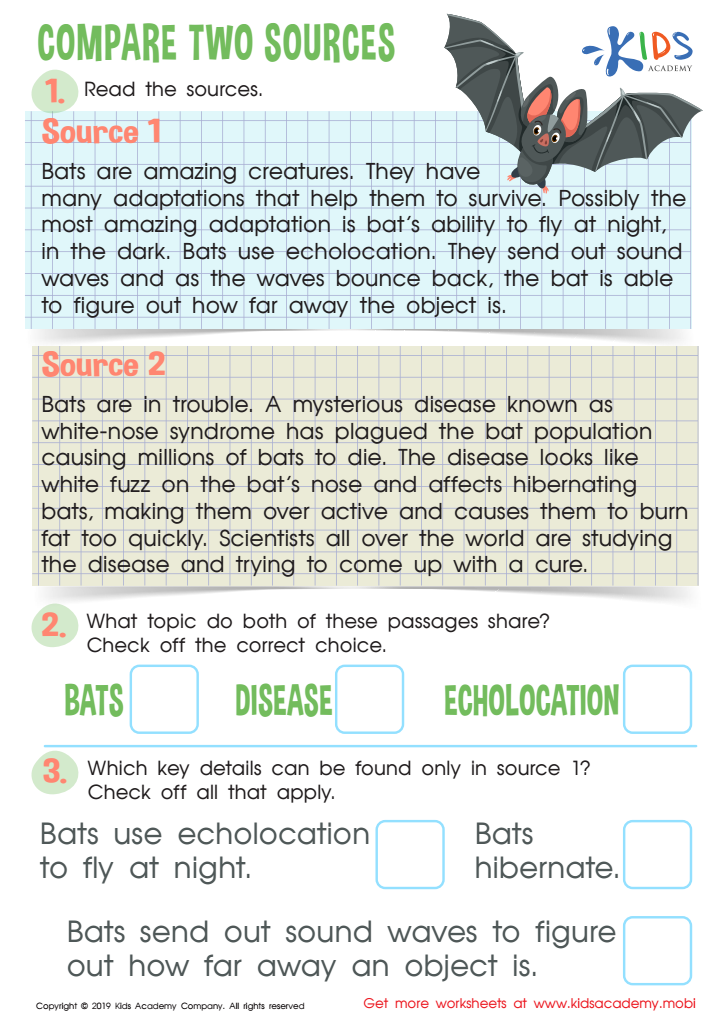
Compare Two Sources Worksheet







Parents and teachers play pivotal roles in fostering critical thinking skills in children, an essential component of "normal science." Critical thinking allows children to question assumptions, analyze information logically, and develop fact-based conclusions. This skill is vital in a rapidly evolving world where information and misinformation are abundant.
Parents and teachers nurturing critical thinking prepare children not just academically but also for real-world challenges. Through critical thinking, children learn to evaluate the credibility of sources, understand different viewpoints, and solve problems creatively. These abilities are crucial for personal decision-making, career success, and responsible citizenship.
In scientific learning, critical thinking enables students to grasp complexities, recognize patterns, and distinguish reliable data from mere opinion. This is especially important in a world increasingly driven by technological and scientific advancements. Educators using normal science strategies advocate for an inquiry-based approach where students experiment, observe, and deduce, mirroring real scientific processes.
Therefore, parents and teachers should care deeply about fostering critical thinking. It equates to empowering the next generation with the cognitive tools to navigate life's intricacies effectively—ensuring they grow not just as successful individuals but as thoughtful, informed members of society. In essence, cultivating critical thinking is laying the groundwork for a brighter, more discerning future.







