Categorizing objects Normal Science Worksheets
4 filtered results
-
From - To
Explore our "Categorizing Objects Normal Science Worksheets" designed to inspire curious minds! These engaging worksheets help young learners practice sorting and classifying objects based on shared characteristics. Perfect for early elementary students, the activities enhance critical thinking and observation skills while fostering a love for science. Each worksheet uses colorful images and relatable items to make learning fun and interactive. Ideal for both classroom and at-home use, these resources support foundational science education. Equip your students with essential categorization skills and watch them thrive in their science exploration! Download today and start categorizing the world around you!
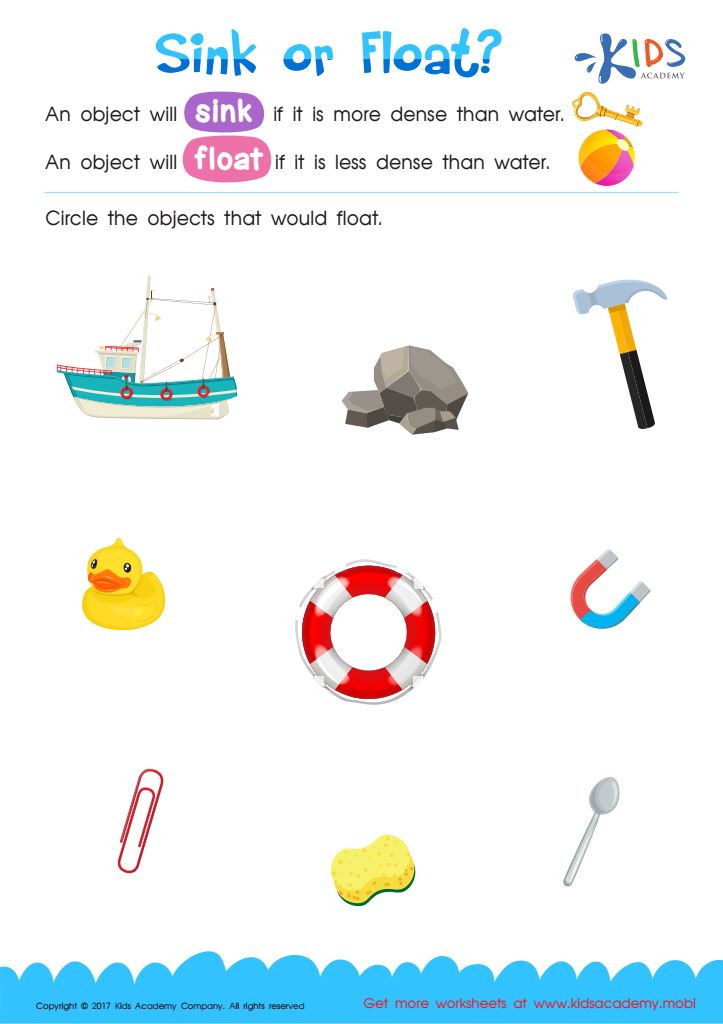
Sink or Float Printable
 Assign to My Students
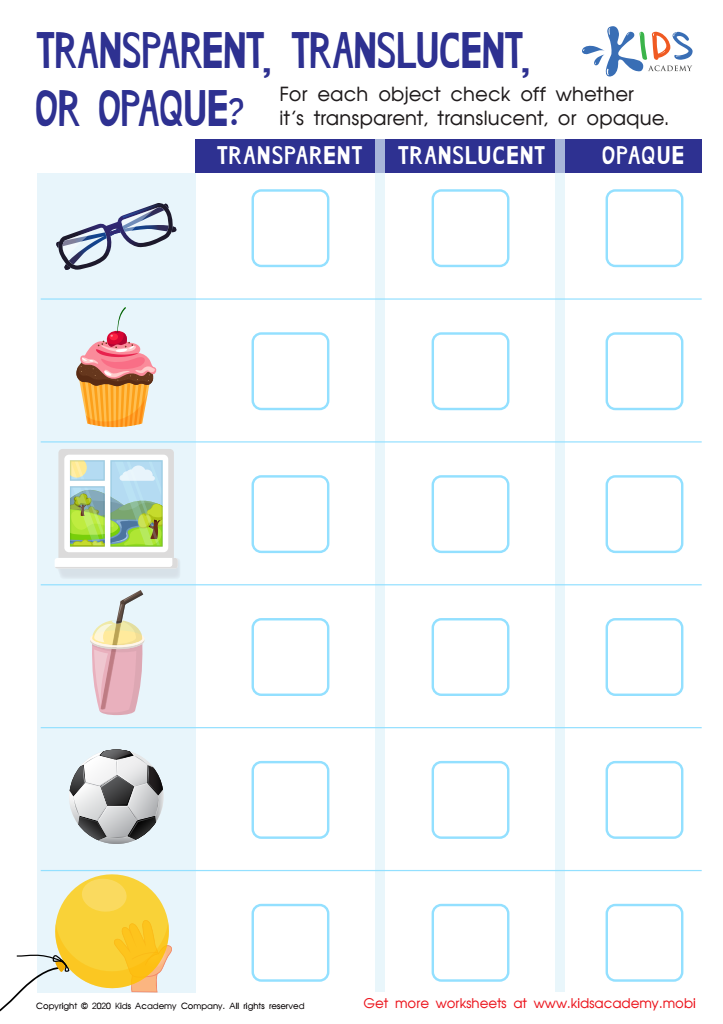
Transparent, Translucent, or Opaque Worksheet
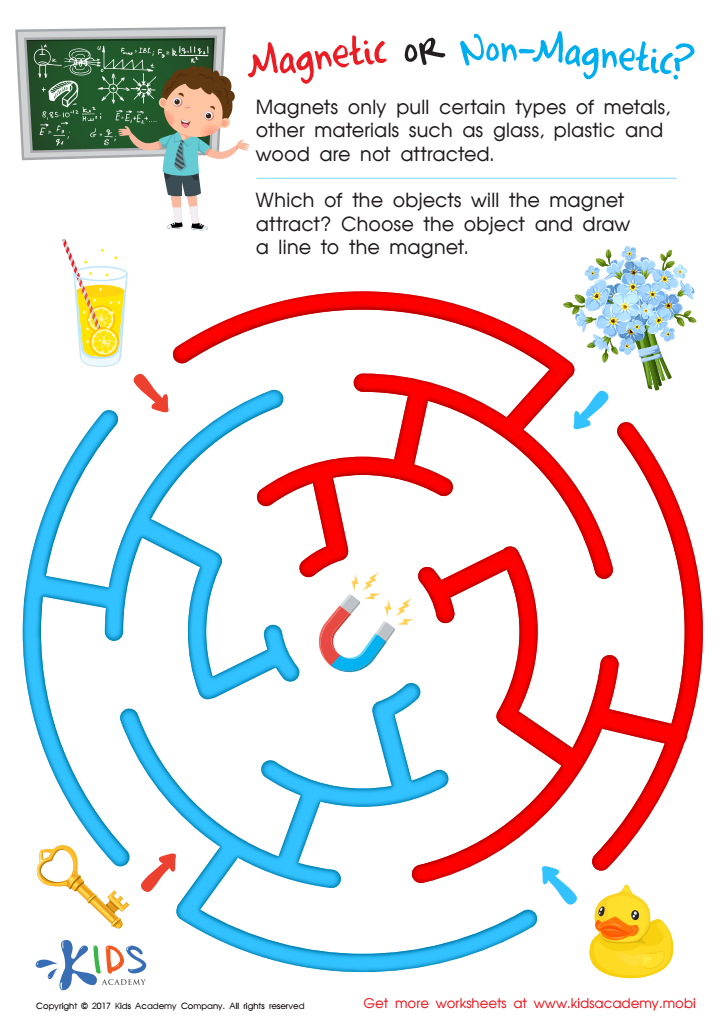
Magnetic or Non–Magnetic Worksheet
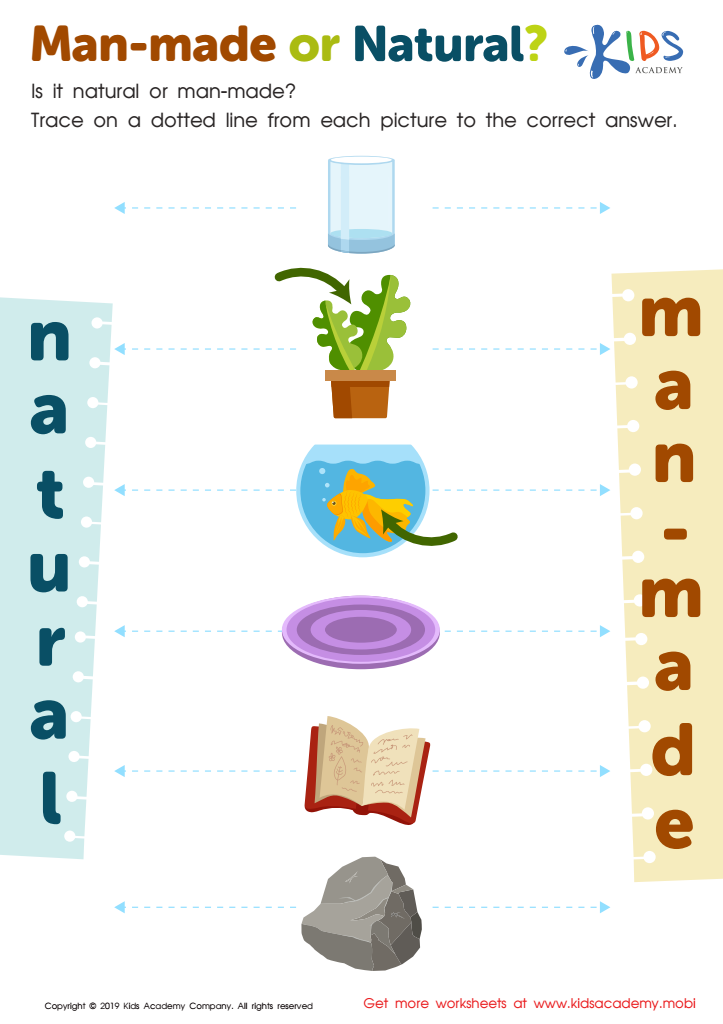
Man-Made or Natural? Worksheet


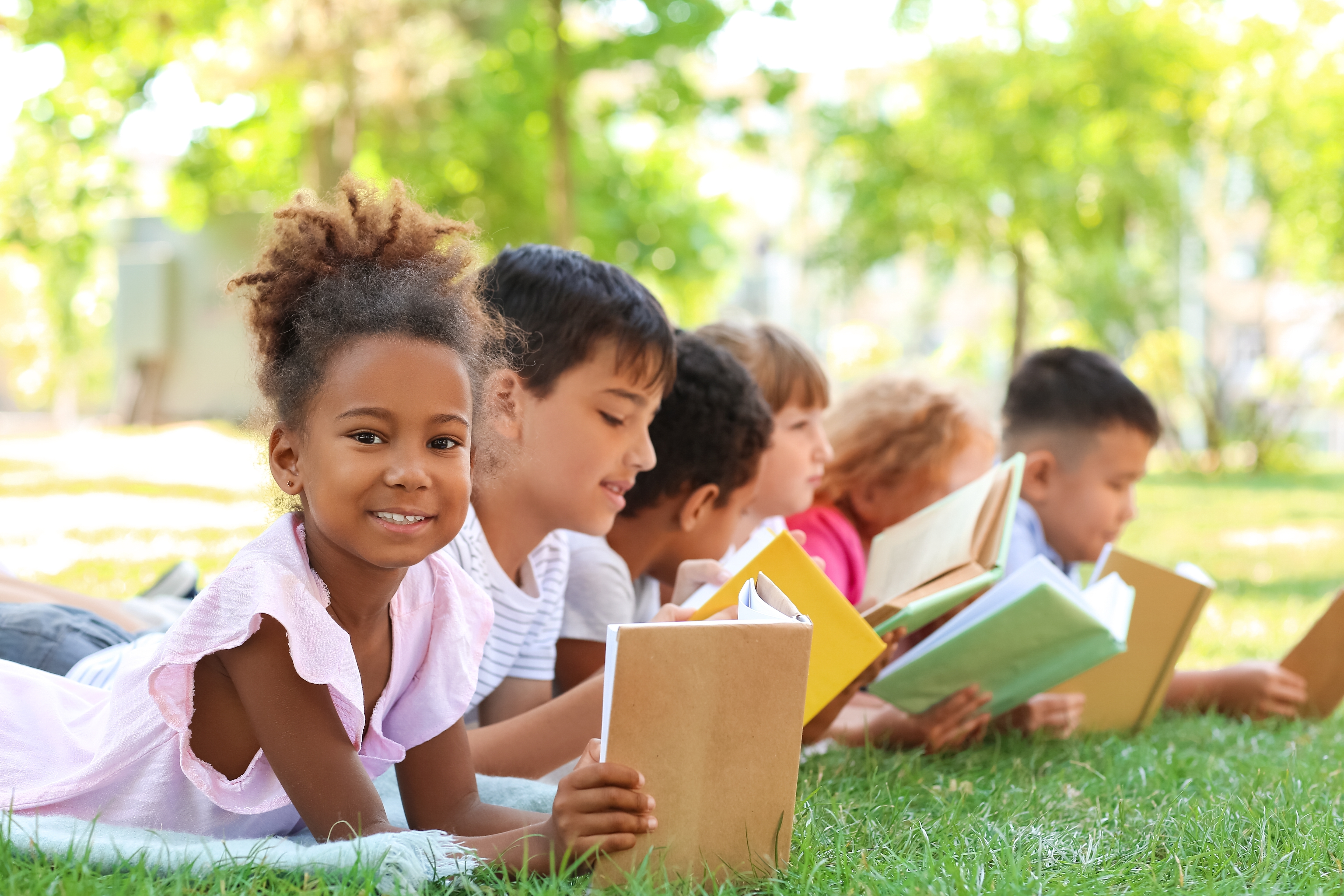




Categorizing objects is a foundational skill in early science education, often referred to as "Normal Science." It plays a crucial role in children's cognitive and intellectual development. For teachers and parents alike, fostering this skill can lay the groundwork for future learning and critical thinking.
Firstly, categorization helps children understand similarities and differences between objects, enhancing their observational skills. By grouping objects based on characteristics such as shape, size, color, or function, children learn to identify patterns, which is vital for scientific reasoning.
Secondly, categorizing objects aids in conceptual understanding. For example, distinguishing between living and nonliving things helps children grasp essential biological concepts. Recognizing how objects relate to one another promotes literacy, language development, and problem-solving skills.
Finally, these activities bolster memory and organizational skills. When children sort and classify, they practice retrieving information and making mental connections, which reinforces learning.
Incorporating categorization activities into daily routines makes learning engaging and teaches children to approach the world analytically. It's a valuable tool in producing curious, independent, and systematic thinkers. Hence, teachers and parents who emphasize categorization are setting the stage for robust educational development, preparing children for more complex scientific and intellectual challenges ahead.







