
Classification skills Normal Science Worksheets
5 filtered results
Difficulty Level
Grade
Age
-
From - To
Subject
Activity
Standards
Introduce your students to the fascinating world of science with our "Classification Skills Normal Science Worksheets" designed for young learners. These engaging worksheets help children develop essential analytical skills by organizing and grouping items based on their characteristics. The activities encourage critical thinking and improve observation skills in a fun, interactive way. Perfect for reinforcing classroom lessons, these worksheets cover a range of topics, including living and non-living things, animal habitats, and plant types. Boost your students' confidence and knowledge with our comprehensive, kid-friendly classification exercises that make learning exciting and effective.
Favorites
With answer key
Interactive
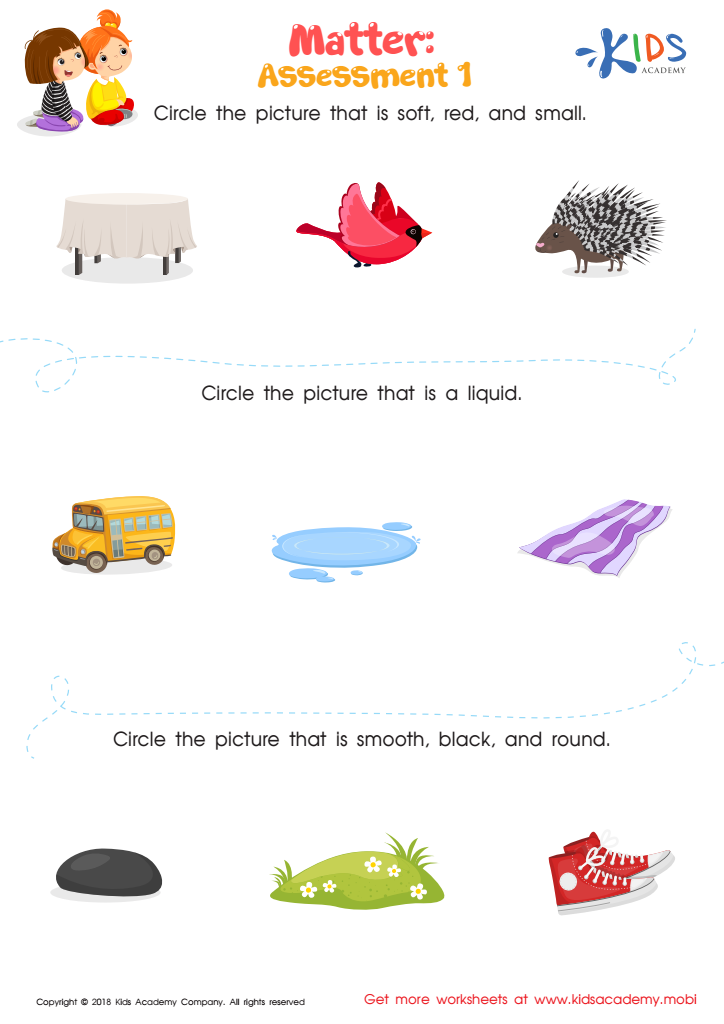
Matter: Assessment 1 Worksheet
Have your children learn that anything that has weight and takes up space is matter. Examples include buses, tables, people, animals, and more. Use this worksheet to help them identify the objects and circle the soft, red, and small one; the liquid; and the smooth, black, and round one.
 Assign to My Students
Matter: Assessment 1 Worksheet
Worksheet
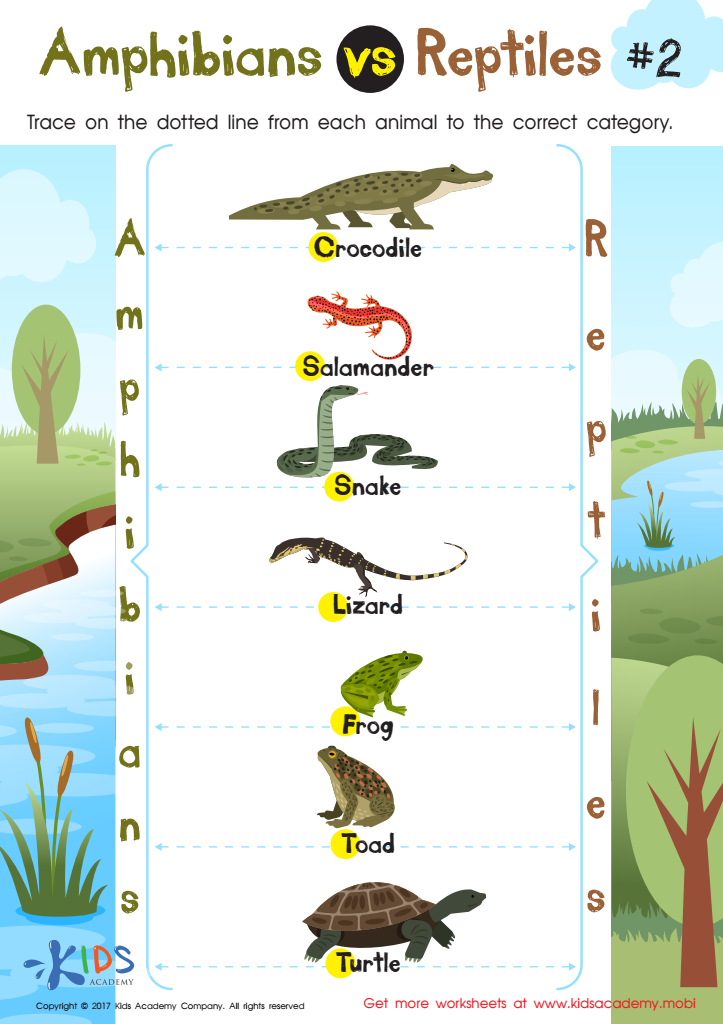
Amphibians vs Reptiles Worksheet for 3rd Grade
Let your 3rd grader challenge themselves and have fun by distinguishing between reptiles and amphibians. With this cool worksheet, they'll explore vivid pictures and learn about these fascinating creatures!
Amphibians vs Reptiles Worksheet for 3rd Grade
Worksheet
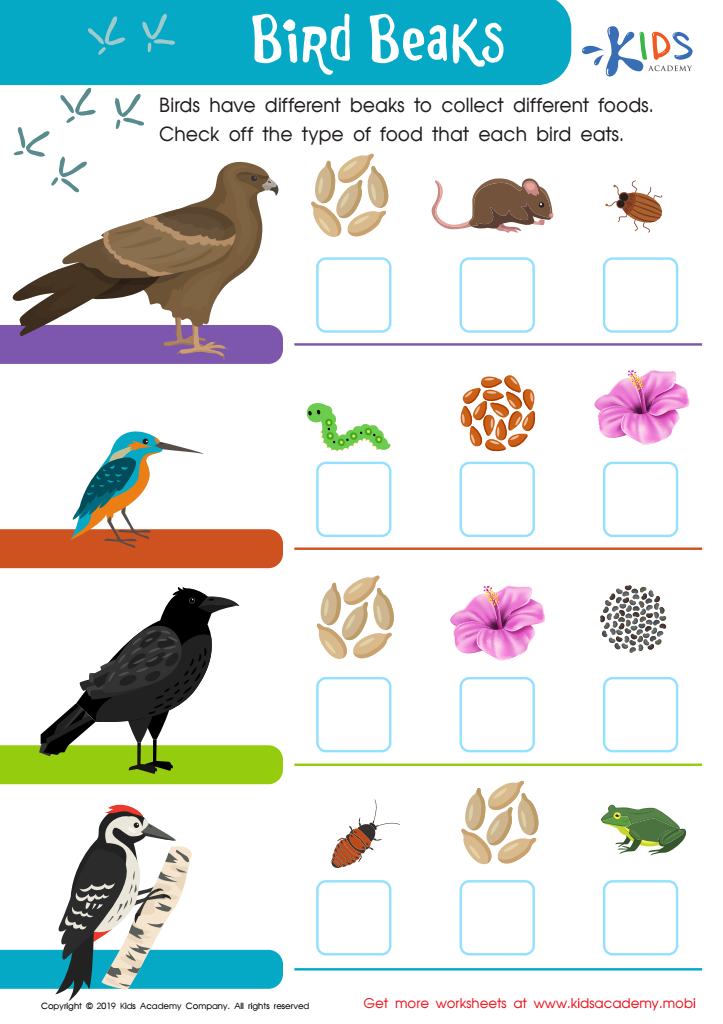
Bird Beaks Worksheet
Birds have beaks to eat different types of food. Let your little nature lover explore why with this free worksheet! They'll learn about different beak shapes and match them to the food that's best for them. Be an adorable bird watcher together!
Bird Beaks Worksheet
Worksheet
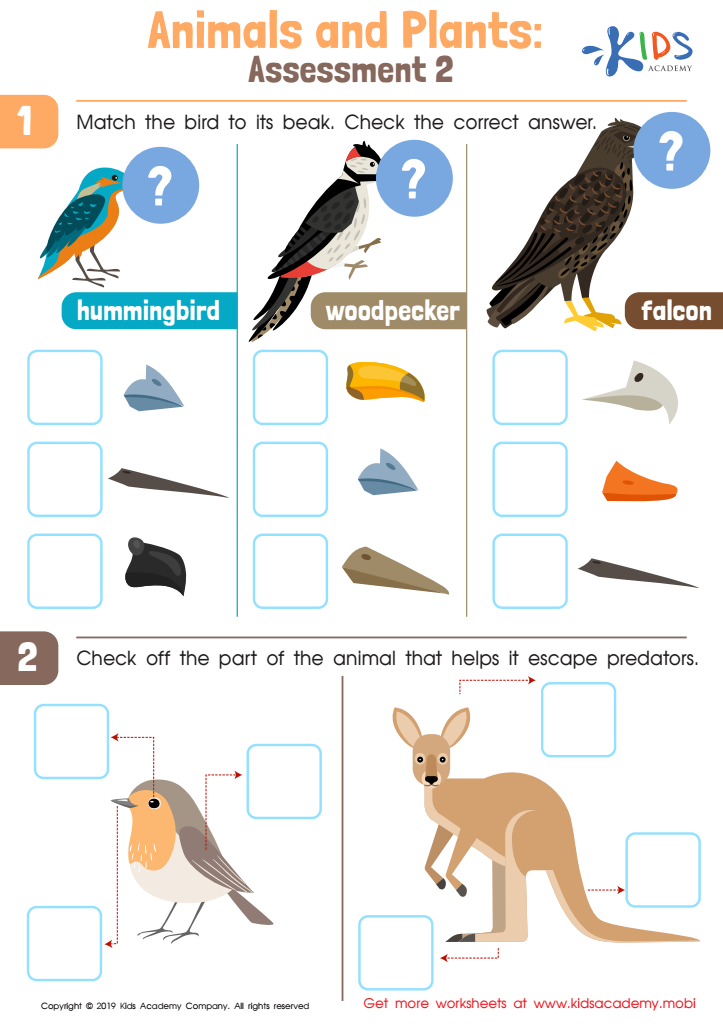
Animals and Plants: Assessment 2 Worksheet
This free PDF is ideal to quickly test your child's knowledge of animal adaptations. They'll select the right beak patterns for hummingbird, woodpecker and falcon, and identify which parts of animals help them escape predators. It's easy to assess your kid's understanding.
Animals and Plants: Assessment 2 Worksheet
Worksheet
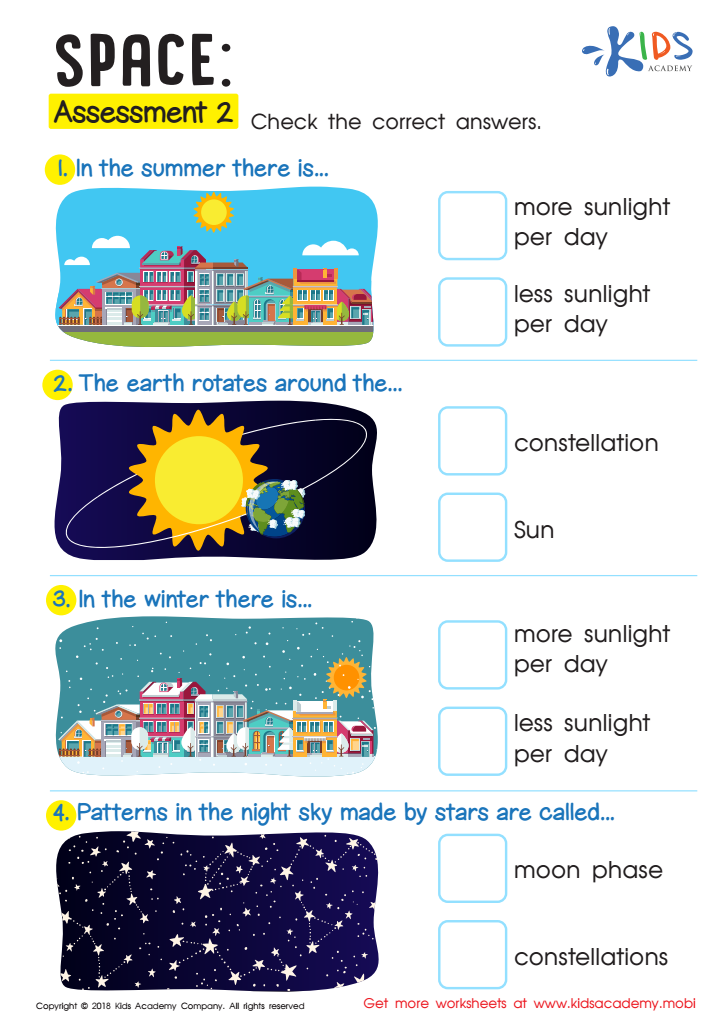
Space: Assessment 2 Worksheet
Test your kids' knowledge of the weather, constellations and Earth with this worksheet. Show them the 4 images and ask what's happening; then read the questions and options and help them pick the right answers. This printout is a helpful and fun way to learn!
Space: Assessment 2 Worksheet
Worksheet
Join Kids Academy for Free
Who is primarily going to use this learning content?



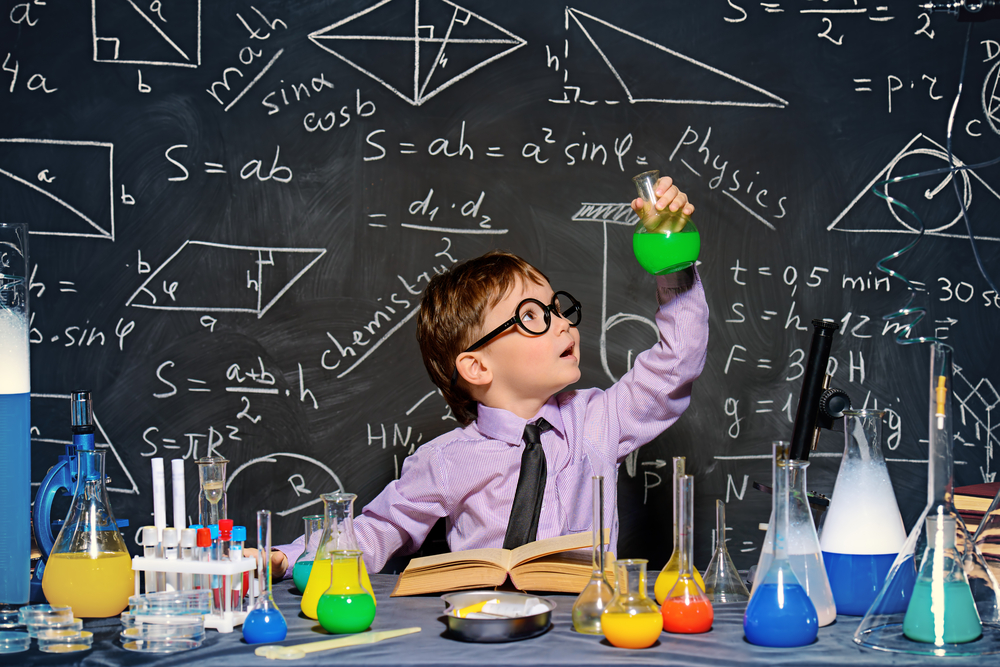
Parents and teachers should place significant emphasis on teaching classification skills as part of normal science education because these skills are foundational for a child's cognitive development and future academic success. Classification involves grouping objects or concepts based on their attributes, fostering critical thinking, and organizational skills. For young learners, it helps in developing observation skills and attention to detail, which are essential for understanding the world around them.
Learning to classify empowers students to identify patterns and relationships, which is a core component of scientific inquiry. It lays the groundwork for more complex subjects such as biology, where students learn to classify living organisms, or chemistry, where they group elements and compounds. Beyond science, classification skills are critical in everyday decision-making and problem-solving.
Moreover, these skills can boost language development because they encourage children to articulate reasons for their groupings, enhancing their descriptive and comparative language capabilities. Strong classification skills also promote independence in learning as students develop the ability to sort and organize information logically.
Thus, by ensuring that children develop robust classification skills, parents and teachers are equipping them with the tools to understand and navigate not just science, but all aspects of learning, leading to a more comprehensive and holistic educational experience.







