Comparative analysis Normal Science Worksheets
3 filtered results
-
From - To
Explore our comprehensive "Comparative Analysis Normal Science Worksheets" designed to boost students' analytical skills in science. These engaging resources help young learners master the art of comparison, enhancing their understanding of similarities and differences in various scientific concepts. Our worksheets cover diverse topics, facilitating critical thinking and encouraging students to observe patterns, categorize information, and draw conclusions effectively. Perfect for classroom activities or homework assignments, these worksheets cater to different learning styles, making science accessible and enjoyable for everyone. Dive into the world of comparative analysis and empower your students to explore and inquire with confidence!
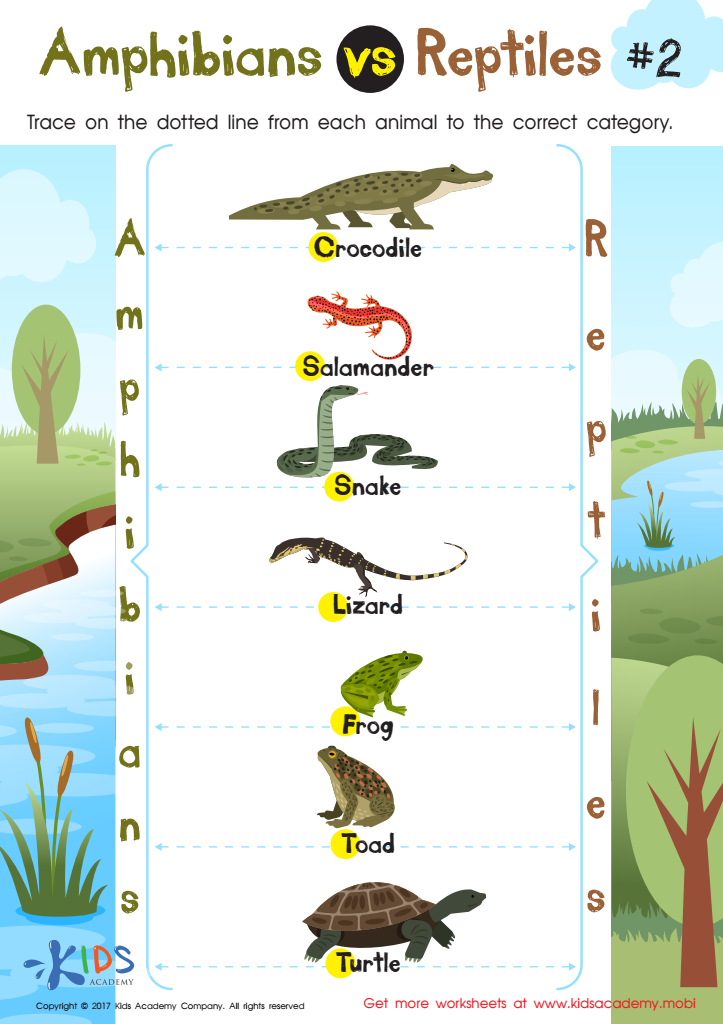
Amphibians vs Reptiles Worksheet for 3rd Grade
 Assign to My Students
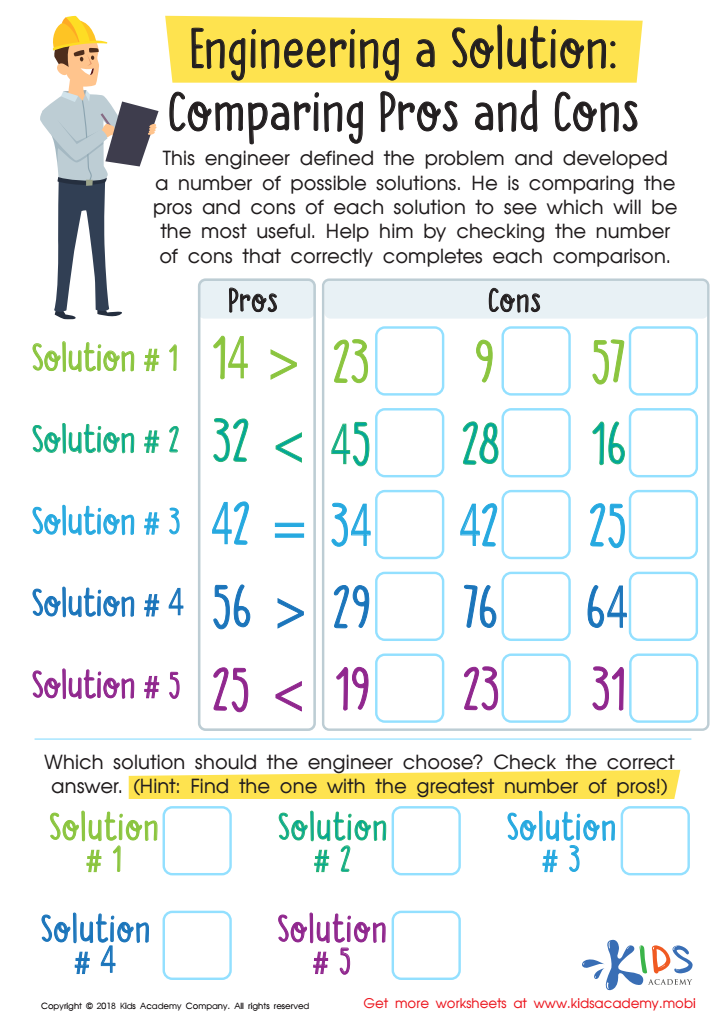
Engineering a Solution: Comparing Pros and Cons Worksheet
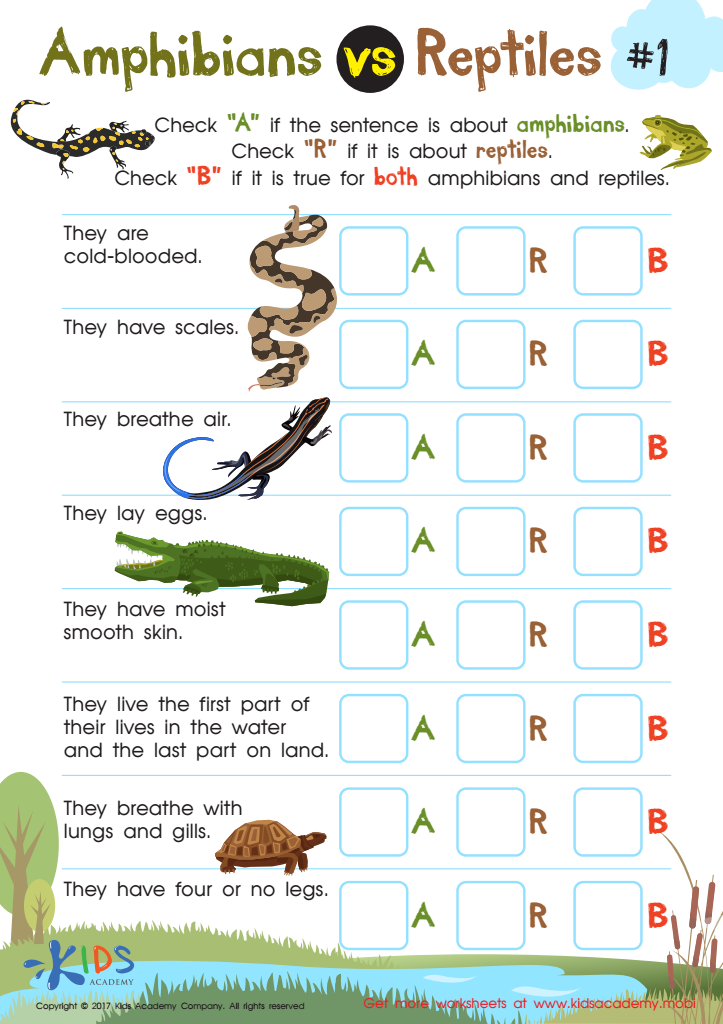
Amphibians vs Reptiles Worksheet







Parents and teachers should care about comparative analysis in normal science because it fosters a deeper understanding of scientific principles and promotes critical thinking skills among students. Normal science, a term coined by philosopher Thomas Kuhn, refers to the iterative process of research that operates within established frameworks or paradigms. Comparative analysis allows students to examine different scientific theories, hypotheses, and experiments critically, encouraging them to recognize patterns, evaluate evidence, and consider multiple perspectives.
By engaging in comparative analysis, students can better grasp the scientific method and learn how knowledge evolves over time. This approach not only enhances their ability to problem-solve but also prepares them to navigate an increasingly complex world filled with competing ideas and information sources. Furthermore, it encourages curiosity and a love for learning, qualities that are vital for lifelong education.
For parents, fostering an environment that values scientific inquiry is integral to raising informed citizens who can make educated decisions about health, technology, and environmental issues. Meanwhile, teachers can utilize comparative analysis to create dynamic, engaging learning experiences that prepare students for advanced studies and career opportunities in scientific fields. Ultimately, comparative analysis in normal science enhances educational outcomes and equips future generations with essential critical thinking skills.







