Identifying Animals Normal Science Worksheets
3 filtered results
-
From - To
Enhance your child's science skills with our "Identifying Animals Normal Science Worksheets." Designed for early learners, these worksheets provide engaging activities that help children recognize and categorize various animals. Each worksheet features colorful illustrations and easy-to-follow instructions, making learning fun and accessible. Kids will practice key concepts such as animal habitats, diets, and characteristics while developing critical thinking and observation skills. Perfect for both classroom use and home learning, our worksheets align with educational standards, ensuring a productive learning experience. Explore the fascinating world of animals and boost your child's confidence in science with our helping, interactive materials!
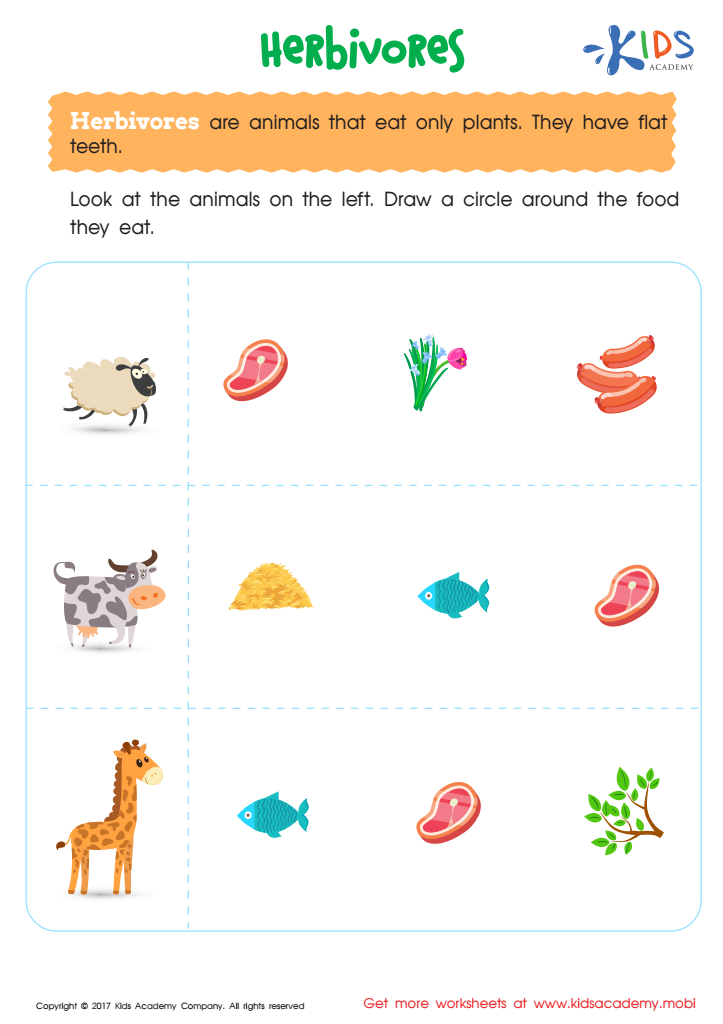
Herbivores Printable
 Assign to My Students
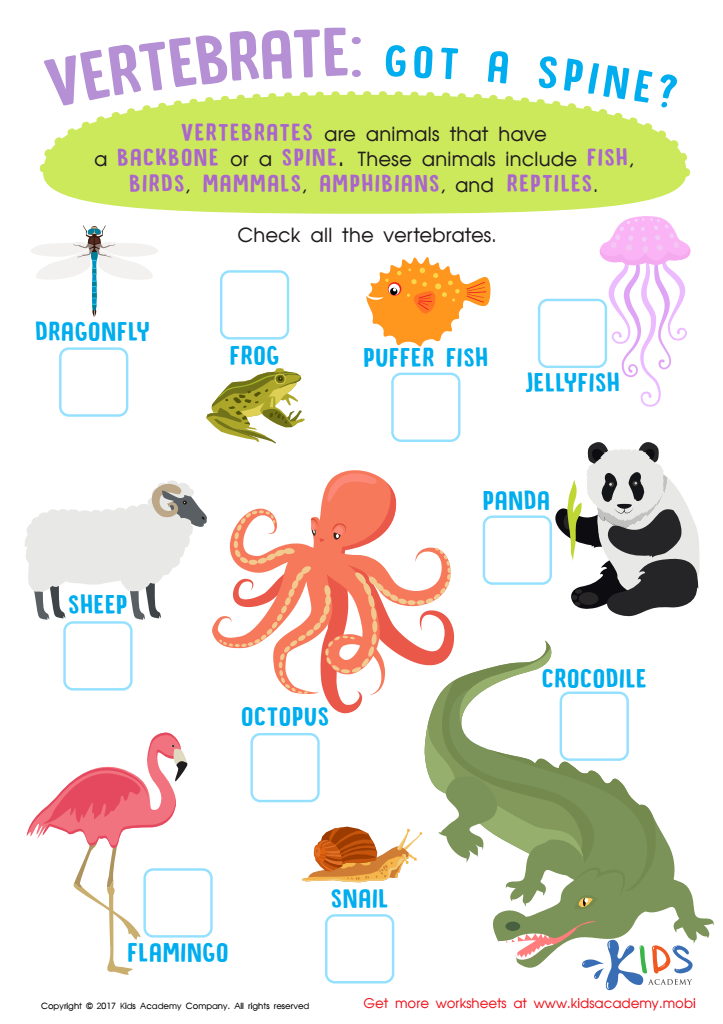
Vertebrates Animals Worksheet for 3rd Grade
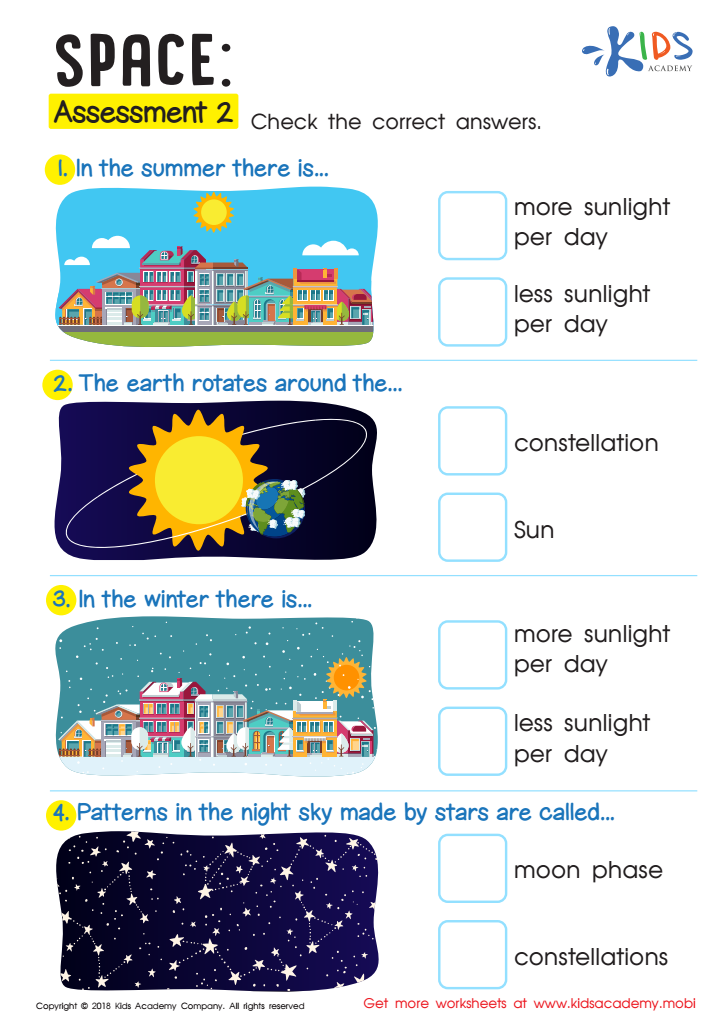
Space: Assessment 2 Worksheet






Identifying animals within the realm of "Normal Science" is crucial for both parents and teachers due to its significant impact on children's understanding of the natural world. This foundational knowledge fosters scientific literacy, equipping children to appreciate biodiversity and the ecological relationships present in their environment. By teaching kids how to identify different species, we encourage curiosity and critical thinking, key elements of scientific inquiry.
Additionally, understanding animal classification helps children develop observational skills and a sense of responsibility towards nature. These skills are vital as they enable students to engage in problem-solving and creative thinking—essentials for their future academic and life pursuits.
Further, awareness of local wildlife promotes environmental stewardship, as children learn to respect and protect the habitats around them. This is particularly relevant in a world increasingly affected by climate change and habitat destruction.
Moreover, the process of identifying animals can facilitate collaborative learning, where students discuss their findings and support each other's learning endeavors. Overall, parents and teachers who prioritize this aspect of education help cultivate informed, responsible future citizens who recognize their role in preserving the planet. This holistic approach enriches the educational experience and instills a lifelong love for learning about the natural world.







