Observational skills development Normal Science Worksheets
3 filtered results
-
From - To
Enhance your child's observational skills with our "Observational Skills Development Normal Science Worksheets." Designed for early learners, these engaging worksheets provide hands-on activities that encourage children to explore their surroundings and refine their attention to detail. Through a variety of fun exercises, children practice spotting differences, identifying details in images, and engaging in critical thinking tasks. These worksheets promote curiosity about the natural world, fostering a love for science from a young age. Perfect for home or classroom use, they support essential skill development in a playful and interactive manner. Download and inspire your child's learning journey today!
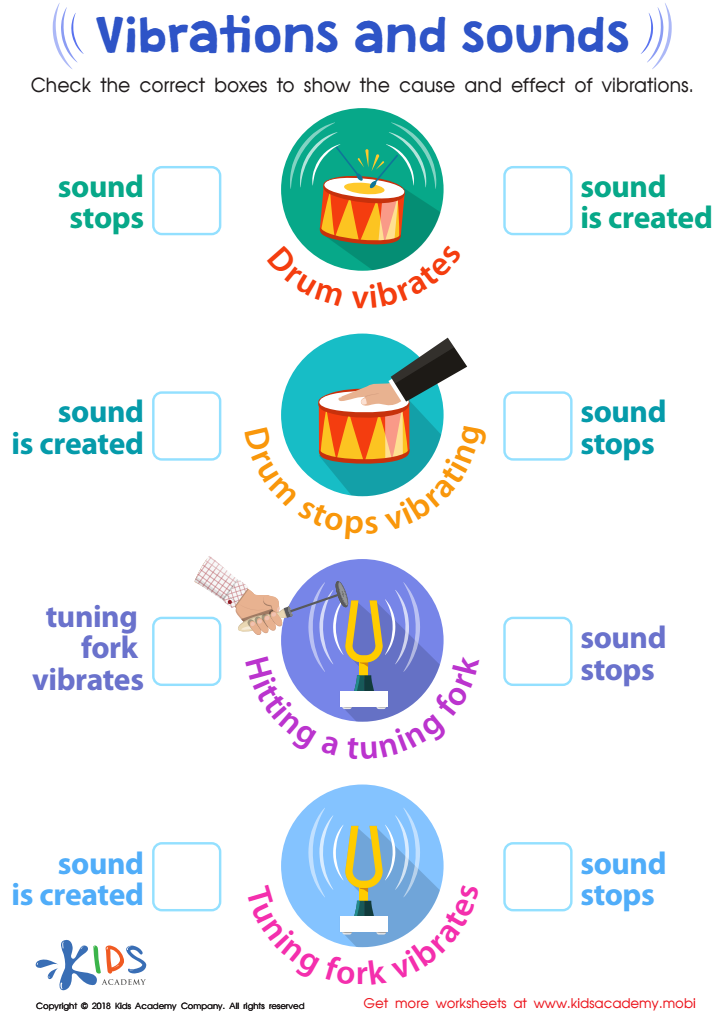
Vibrations and Sounds Worksheet
 Assign to My Students
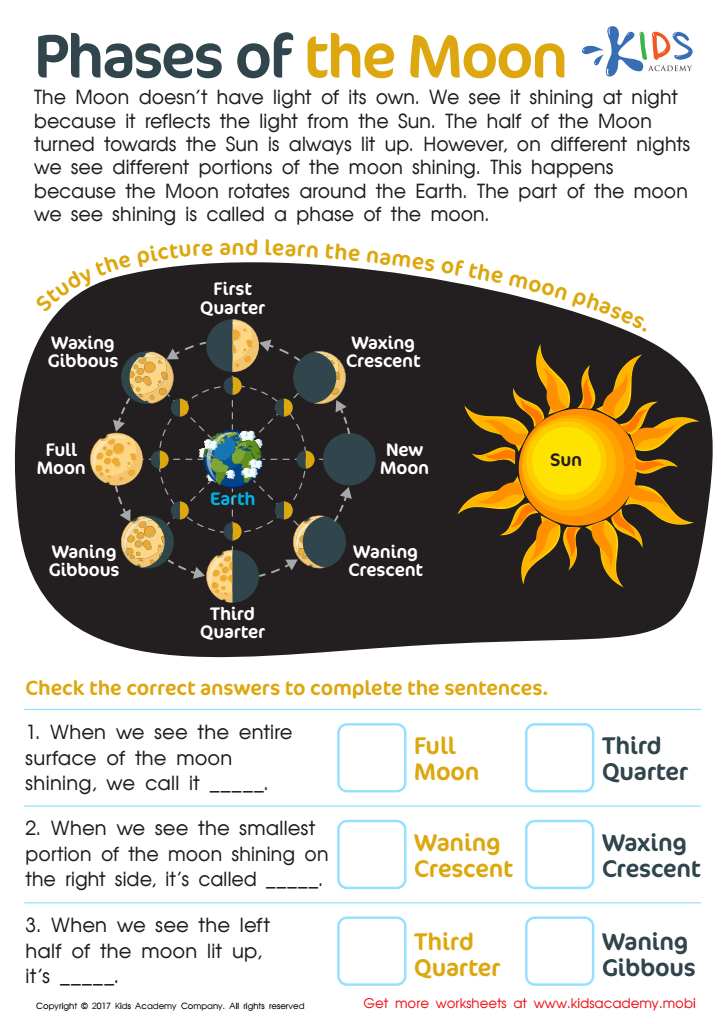
Phases of The Moon Worksheet
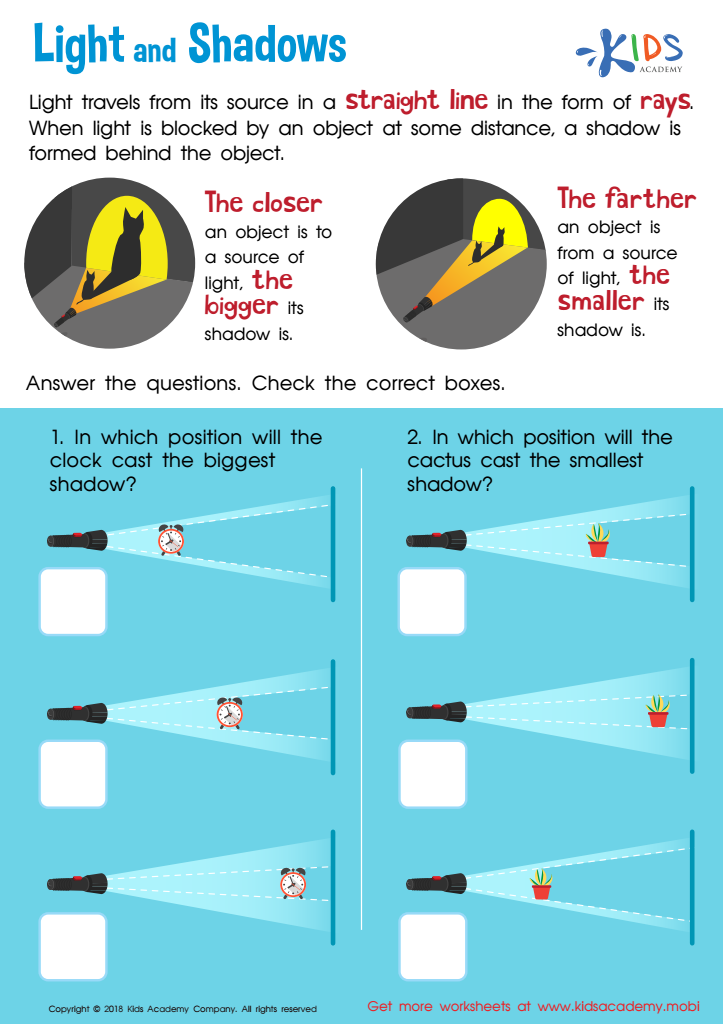
Light and Shadow Worksheet for Grade 3


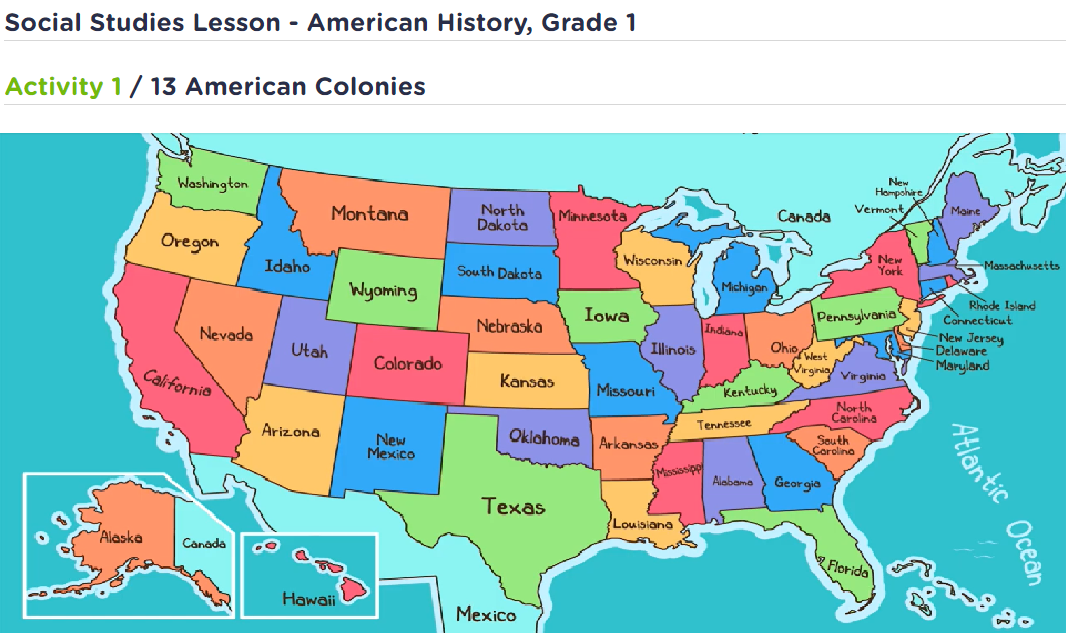

.jpg)



Observational skills are essential as they lay the foundation for children’s understanding of the world. In early childhood education, developing these skills through normal science activities is crucial for fostering curiosity and critical thinking. When parents and teachers emphasize observation, they encourage children to notice details, ask questions, and make connections, all of which are fundamental in cultivating a scientific mindset.
Effective observational skills help children engage with their environment and enhance their reasoning abilities. For example, while exploring a garden, a child learns about plant growth, differences, and ecosystems by observing first-hand rather than through instructions. This hands-on experience promotes deeper understanding and retention of knowledge.
Additionally, observational skills are intertwined with emerging literacy and numeracy concepts. Children learn to describe what they see, classify objects, and compare and contrast, all contributing to language acquisition and mathematical thinking.
By nurturing these skills, parents and teachers empower children to become active learners, encouraging an inquisitive spirit that goes beyond the classroom. Ultimately, fostering observational skills nurtures a child’s ability to think critically about their surroundings, laying the groundwork for lifelong learning and scientific inquiry. Through this lens, both parents and teachers play a vital role in guiding exploration and discovery.







