Understanding ecosystems Normal Our Planet and Environment Worksheets
4 filtered results
-
From - To
Discover the wonders of our planet with our engaging "Understanding Ecosystems" worksheets, perfect for young learners. These beautifully illustrated printables help children grasp the importance of ecosystems by explaining how living and non-living elements interact in various environments. Designed to build foundational science skills, these worksheets cover crucial topics like food chains, habitats, and biodiversity, fostering a love for nature. Suitable for classroom or home use, they align with educational standards, ensuring your child's learning journey is both fun and informative. Empower your students to become eco-conscious citizens with our vibrant and interactive resources.
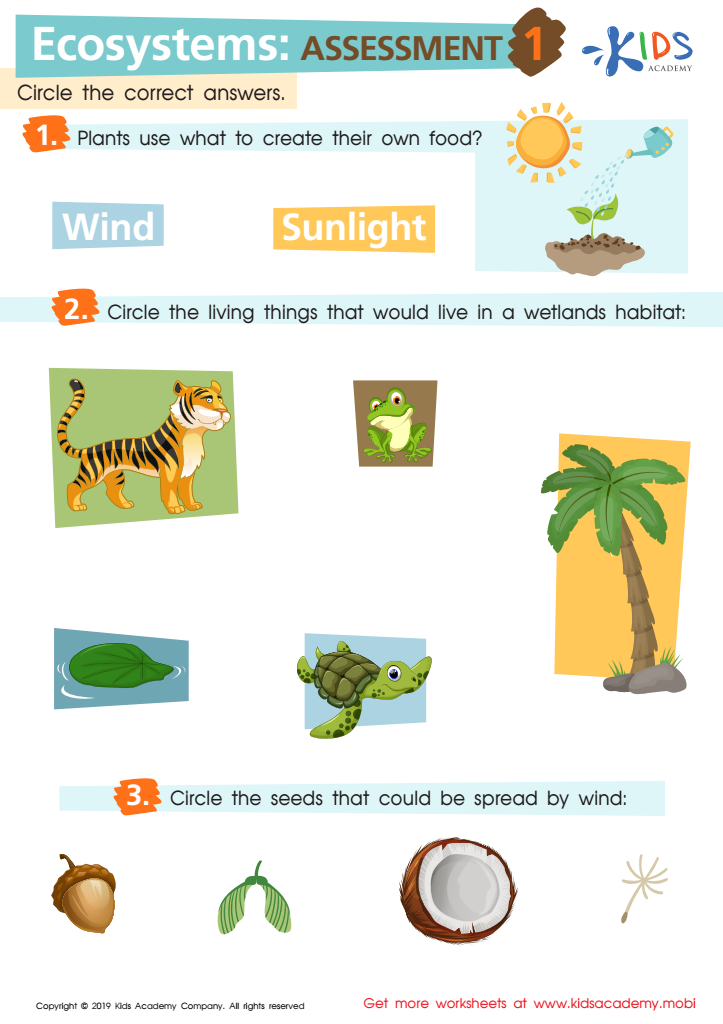
Ecosystems: Assessment 1 Worksheet
 Assign to My Students
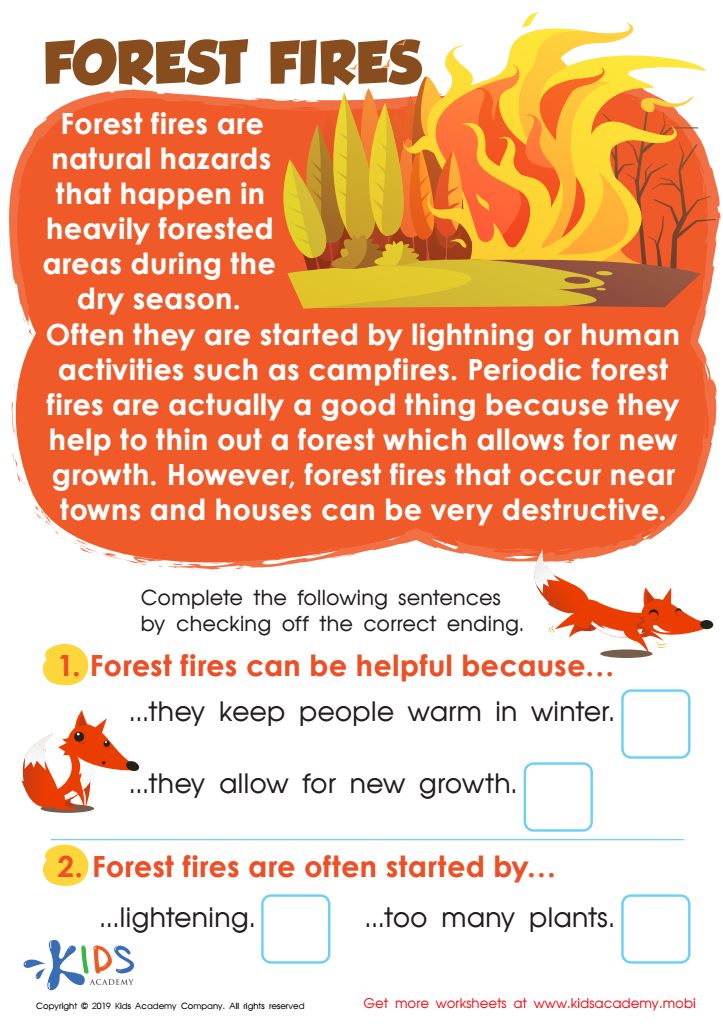
Forest Fires Worksheet
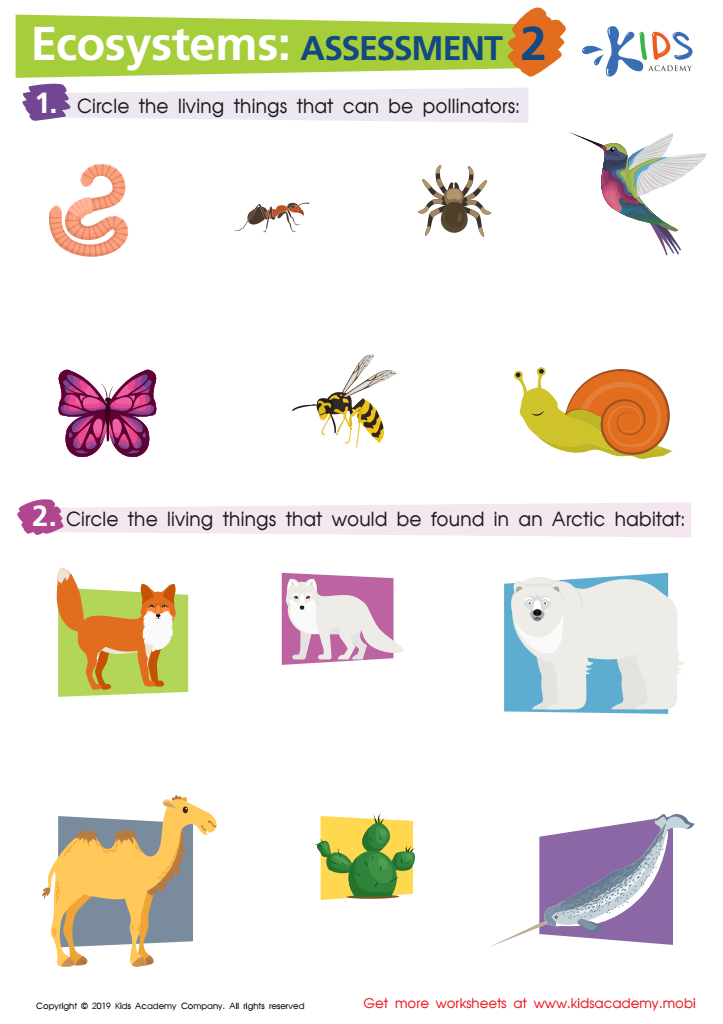
Ecosystems: Assessment 2 Worksheet
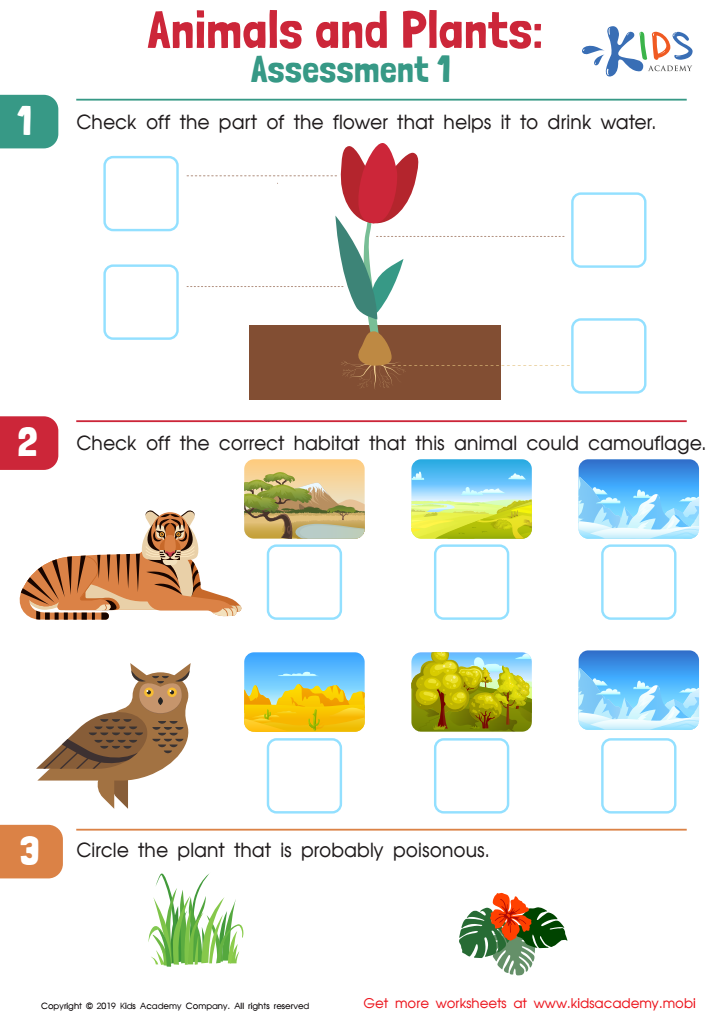
Animals and Plants: Assessment 1 Worksheet




Understanding ecosystems and our planet’s environment is crucial for both parents and teachers, as it plays a critical role in shaping the future of our children. Ecosystems encompass the intricate relationships between living organisms, including humans, and their physical surroundings. When parents and teachers grasp the importance of these connections, they can educate children on sustainability and the necessity of protecting our environment, fostering a generation of environmentally conscious individuals.
Firstly, knowledge about ecosystems enables children to appreciate biodiversity and understand the delicate balance that sustains life. It instills a sense of responsibility and respect for nature, encouraging behaviors that help preserve natural resources rather than deplete them. Secondly, awareness of environmental issues like climate change, pollution, and deforestation empowers children to be proactive problem solvers who can advocate for and implement solutions to global challenges.
For parents, teaching children about ecosystems can mean developing healthier lifestyles and fostering outdoor activities that enhance physical and emotional well-being. For teachers, it provides an opportunity to integrate practical, real-world contexts into the curriculum, making learning more engaging and relevant. By prioritizing environmental education, we equip children with the knowledge and values necessary to ensure a sustainable and thriving planet for future generations.







