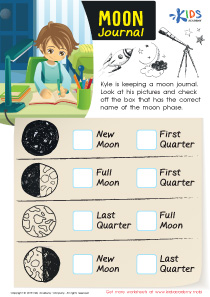
Critical thinking skills Normal Plants and Animals Worksheets
3 filtered results
-
From - To
Enhance your child's learning experience with our "Critical Thinking Skills: Normal Plants and Animals Worksheets." Designed for young learners, these engaging worksheets encourage curiosity and exploration of the natural world. Through fun activities and thought-provoking questions, children will develop important critical thinking skills as they analyze and compare different plants and animals. These worksheets promote observation, reasoning, and problem-solving abilities, making science both educational and enjoyable. Perfect for classroom use or at-home learning, our resources support foundational science skills while fostering a love for nature. Equip your child with the skills they need to thrive! Start exploring today!
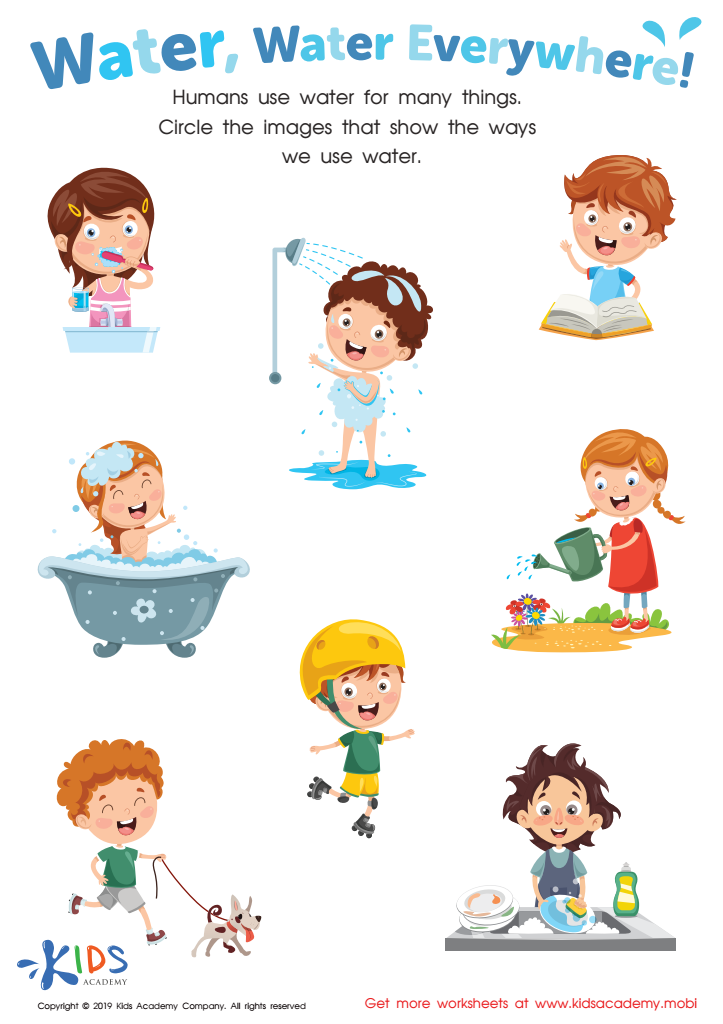
Water, Water Everywhere! Worksheet
 Assign to My Students

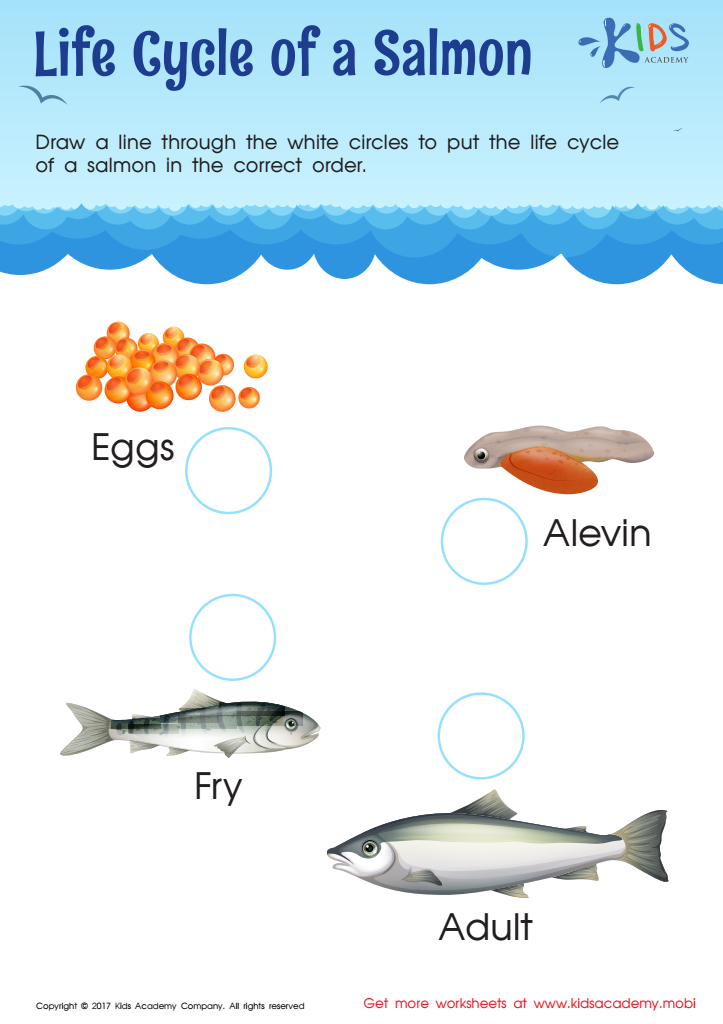
Cycle Of Salmon Worksheet
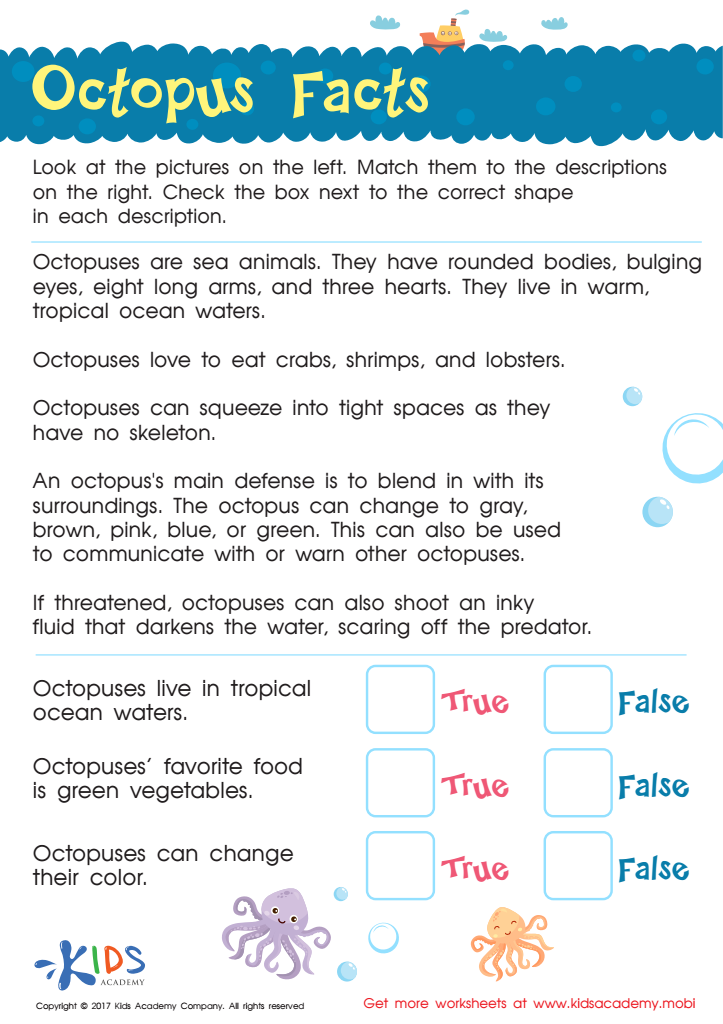
Octopus Facts Worksheet For Kids








Critical thinking skills in understanding normal plants and animals are essential for students' holistic development. For parents and teachers, fostering these skills serves multiple purposes. Firstly, critical thinking encourages inquiry-based learning, prompting students to ask questions about the natural world. This not only enhances their understanding of ecosystems but also builds a foundation for scientific reasoning.
Secondly, when children learn to evaluate information about plants and animals—such as their roles in the ecosystem, lifecycle stages, and interdependencies—they develop decision-making skills applicable in real-life scenarios. For instance, understanding how to care for plants or pets encourages responsibility and empathy.
Moreover, with environmental concerns growing globally, nurturing critical thinking instills a sense of environmental stewardship among young learners. They become more aware of conservation challenges and are better equipped to develop solutions.
Lastly, integrating critical thinking with natural science fosters a lifelong love of learning. Engaging students through hands-on activities, discussions, and problem-solving cultivates curiosity and a desire to explore further. Ultimately, parents and teachers play a pivotal role in shaping the next generation's relationship with the natural world by prioritizing these skills in education.