
Multiplication practice Normal Plants and Animals Worksheets
6 filtered results
Difficulty Level
Grade
Age
-
From - To
Subject
Activity
Standards
Enhance your child's multiplication skills with our engaging "Multiplication Practice: Normal Plants and Animals Worksheets." Tailored for young learners, these worksheets combine essential multiplication exercises with captivating themes from the natural world. Students will explore various plant and animal life, reinforcing their math skills while igniting their curiosity about science. Perfect for at-home study or classroom activities, these worksheets provide a fun and interactive way to practice multiplication, ensuring students grasp concepts with confidence. Download now to make learning math an exciting adventure intertwined with the wonders of plants and animals! Ideal for early grade teachers and parents alike.
Favorites
With answer key
Interactive
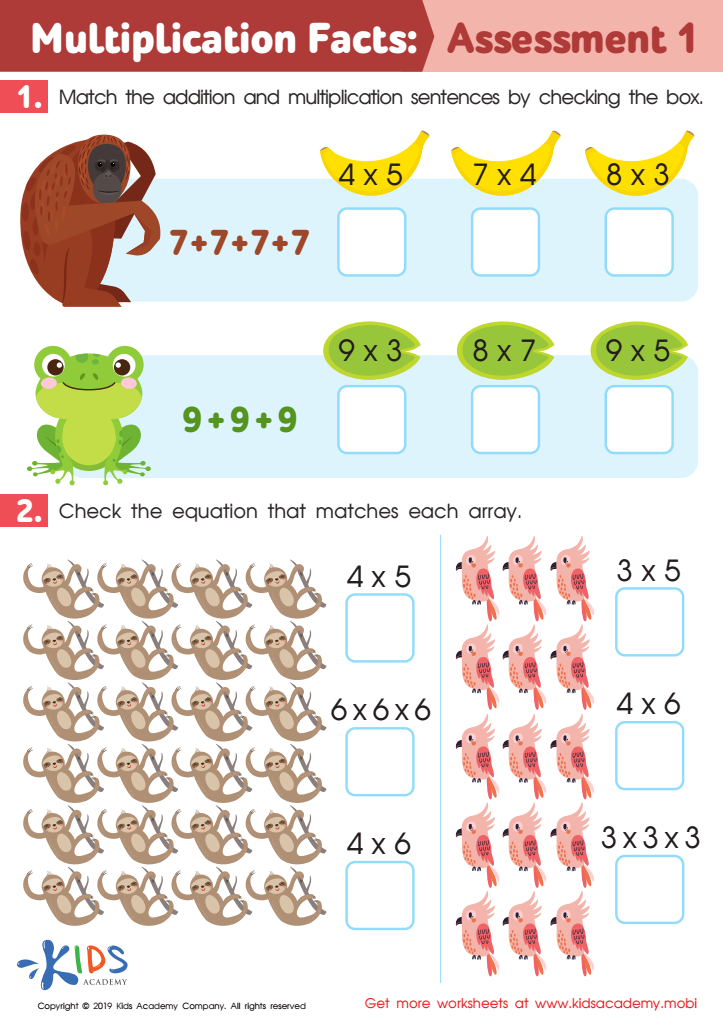
Multiplication Facts: Assessment 1 Worksheet
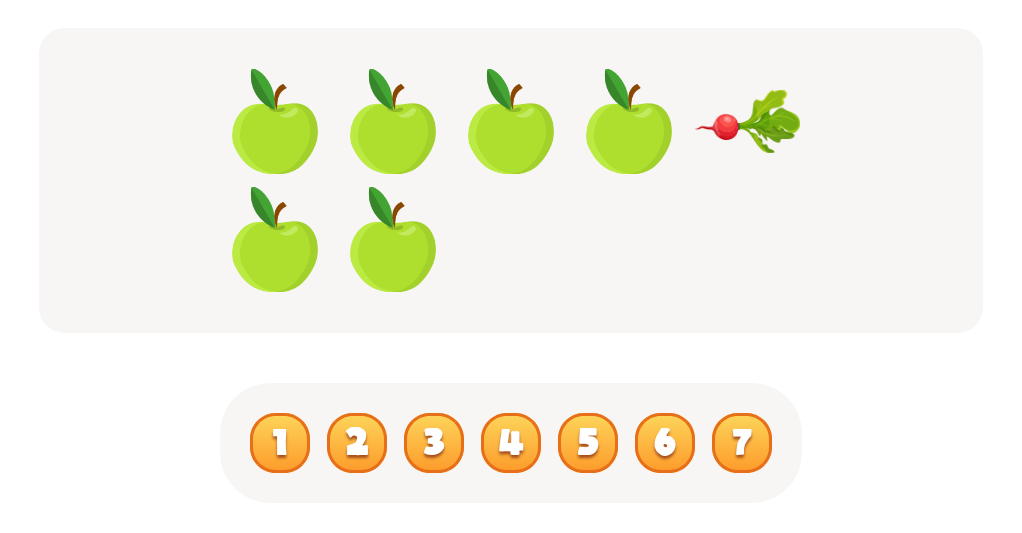
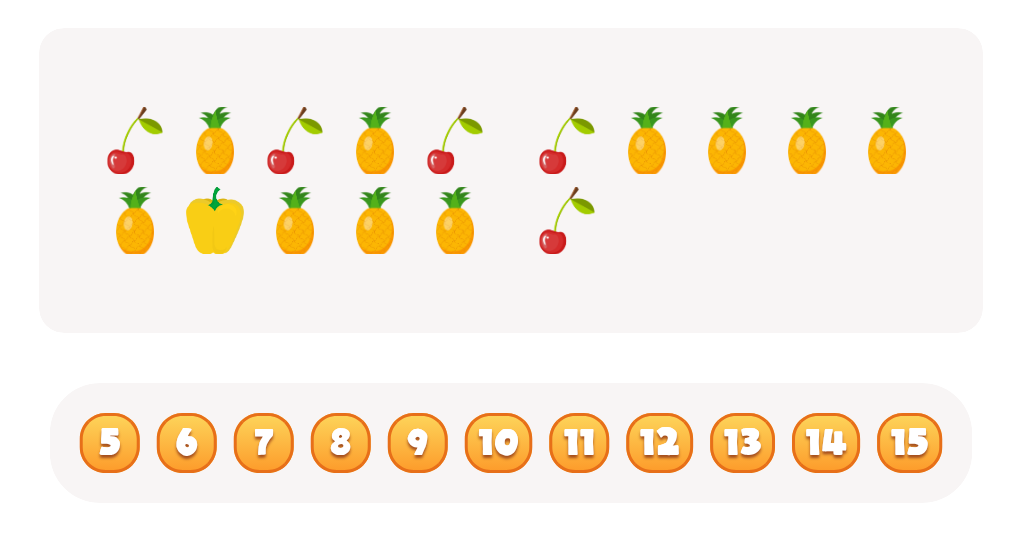
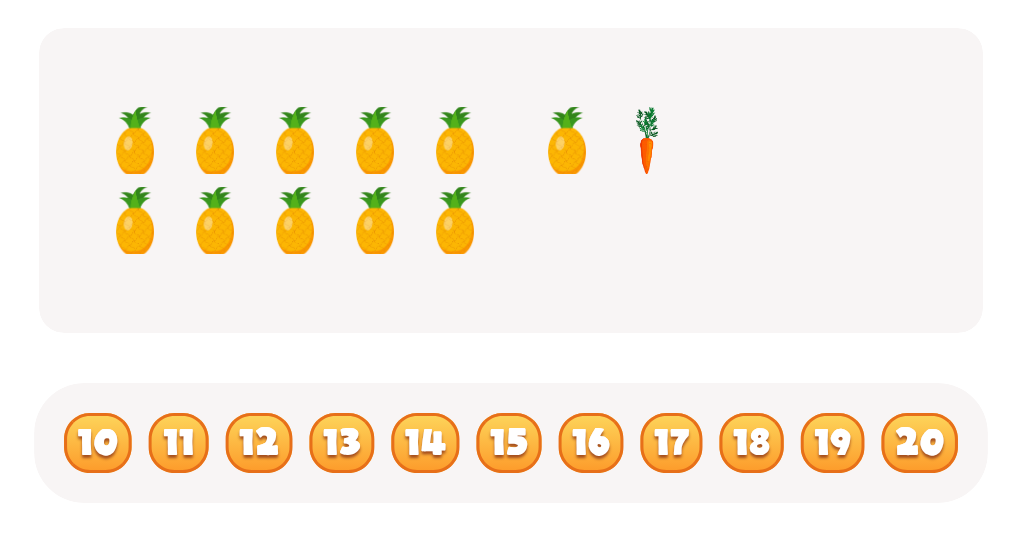
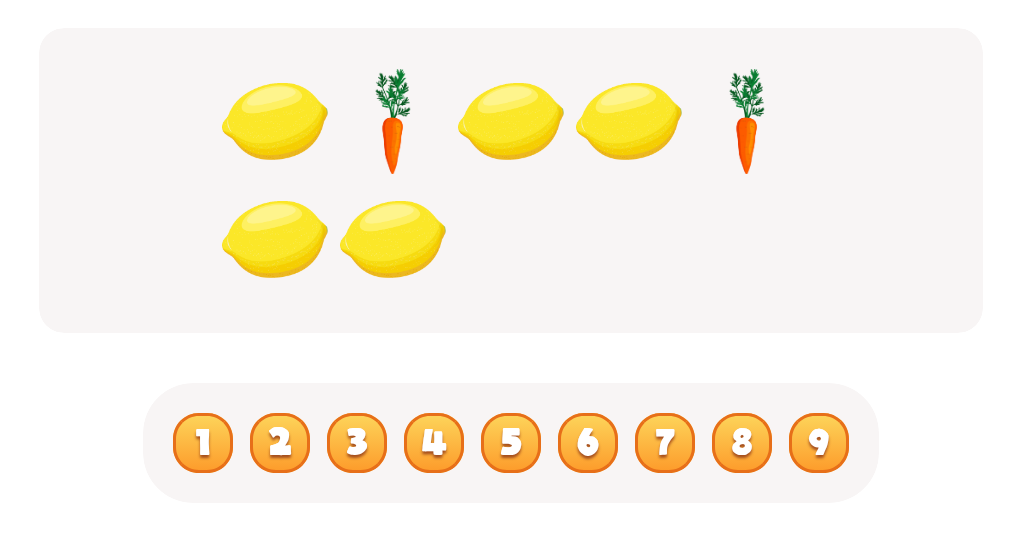
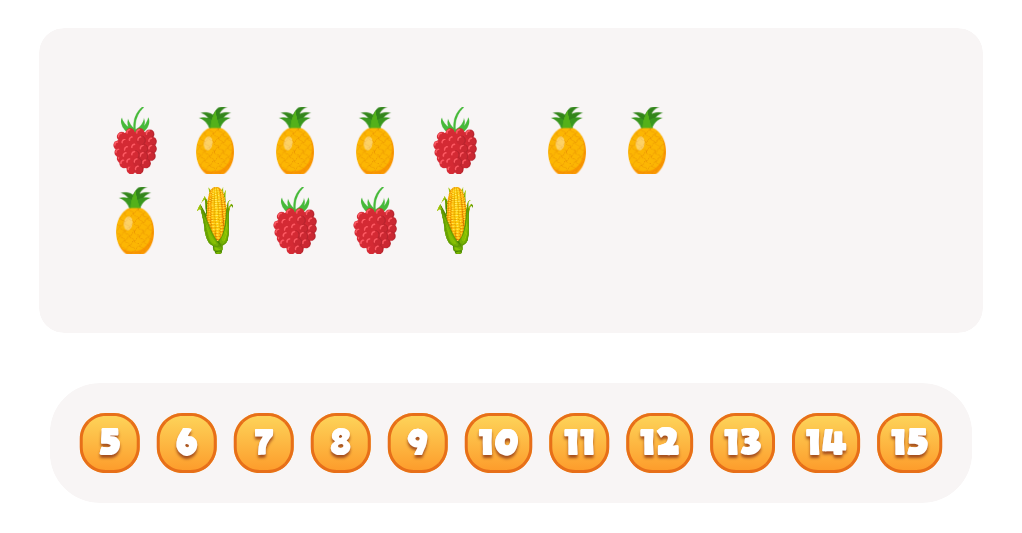
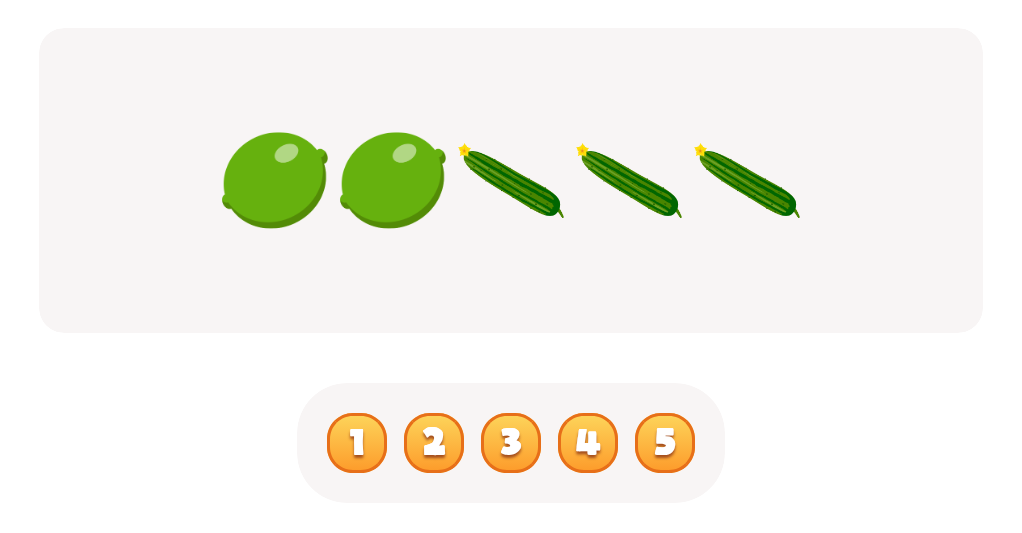
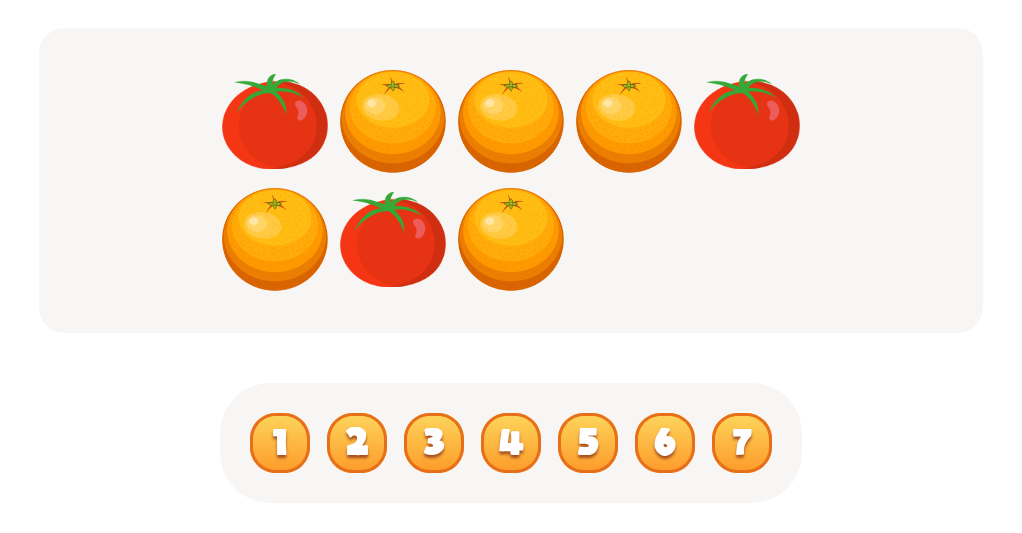
Teach your kids math with diligence, patience and practice. This colorful worksheet helps by matching addition and multiplication sentences, then checking the equation that matches each array. Perfect for kids having difficulty or to give extra practice. Help your little ones master mathematics with this printout.
 Assign to My Students
Multiplication Facts: Assessment 1 Worksheet
Worksheet

Multiplying in the Rainforest Worksheet
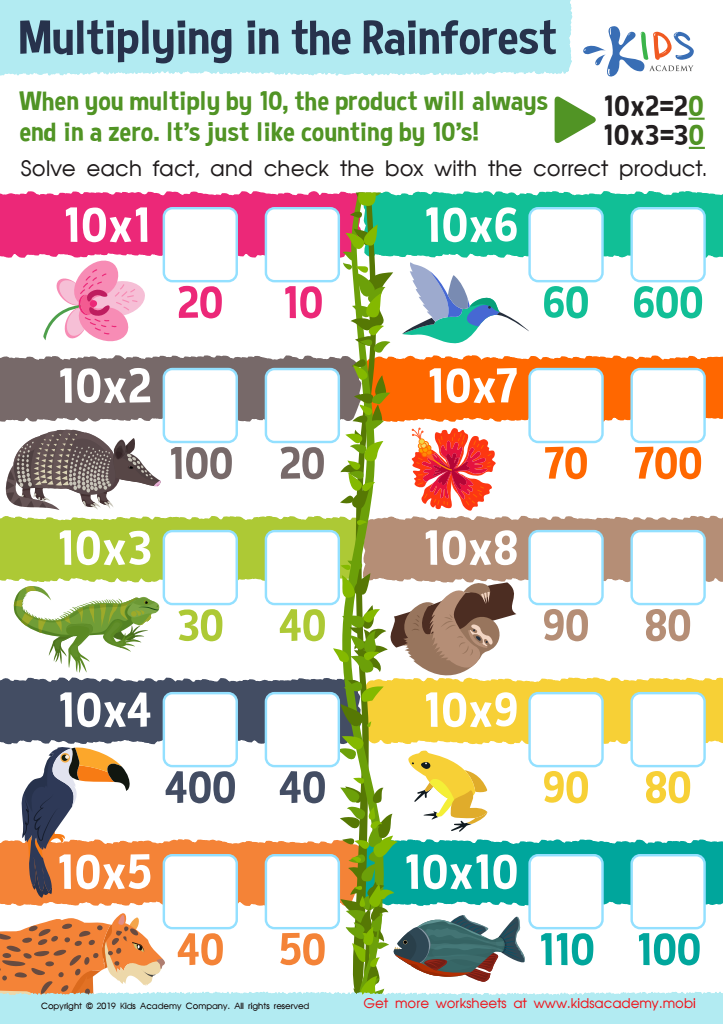
Teaching your child multiplication can be tricky. Help them out with some easy tips! Teach them that when multiplying by 10, the answer always ends in 0. Just like counting by 10's. Show them examples and encourage them to solve the facts, checking their answer with the correct product.
Multiplying in the Rainforest Worksheet
Worksheet
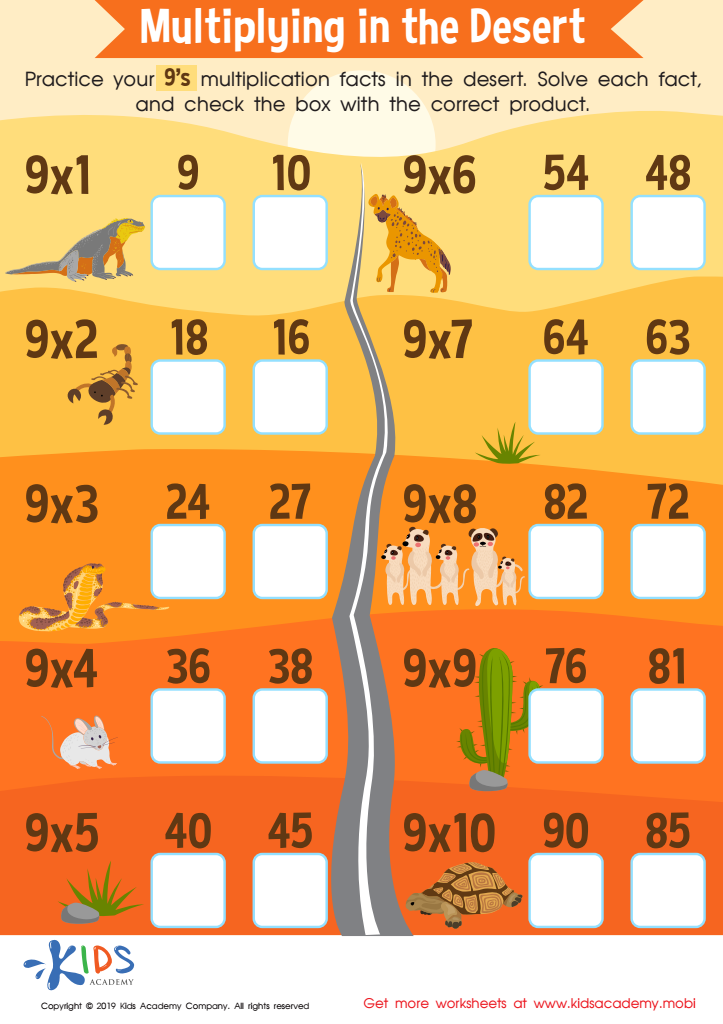
Multiplying in the Desert Worksheet
Help your kids learn the multiplication table faster by introducing them to this fun worksheet! It allows them to learn at a more engaging pace, with the added challenge of naming desert animals. Solve each fact and check the correct product, for an enjoyable and effective way to practice their 9’s multiplication facts.
Multiplying in the Desert Worksheet
Worksheet
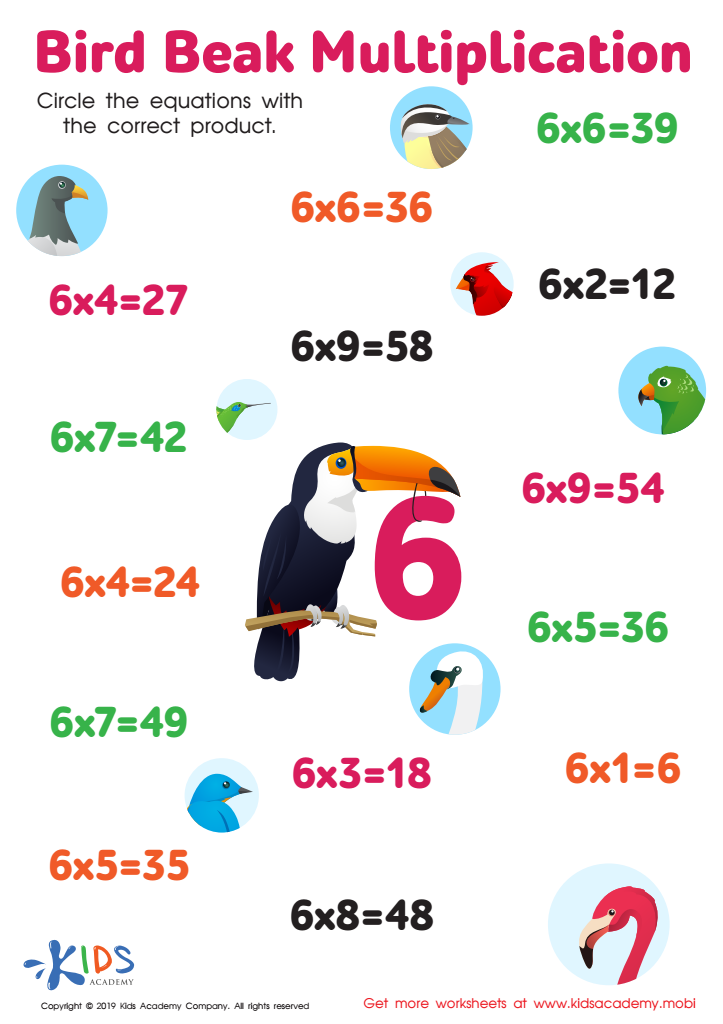
Bird Beak Multiplication Worksheet
Ask your kids to identify the birds in the pic and help them solve the equations. Then, have them circle the correct product. Encourage your kids to explore the wonders of nature with this bird-themed worksheet that'll take their interest to a whole new level, especially if they already have a pet bird or love birds!
Bird Beak Multiplication Worksheet
Worksheet
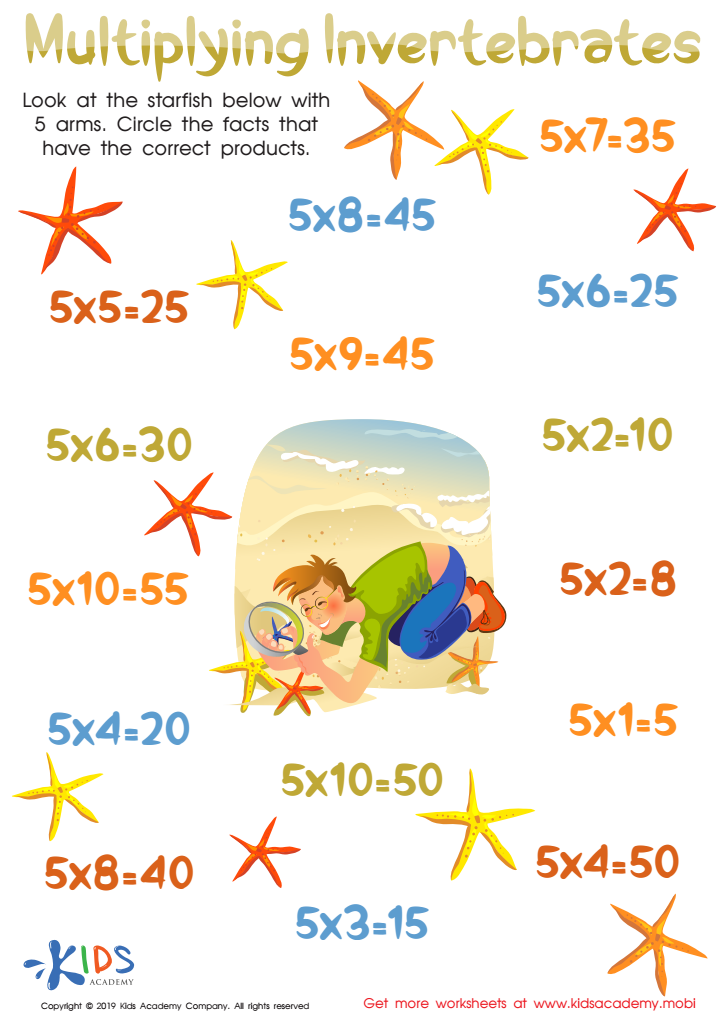
Multiplying Invertebrates Worksheet
Explain to your kids an invertebrate is an animal without a backbone. Examples: squid, jellyfish, octopus. Now, look at the starfish in the picture and help your kids circle the correct facts.
Multiplying Invertebrates Worksheet
Worksheet
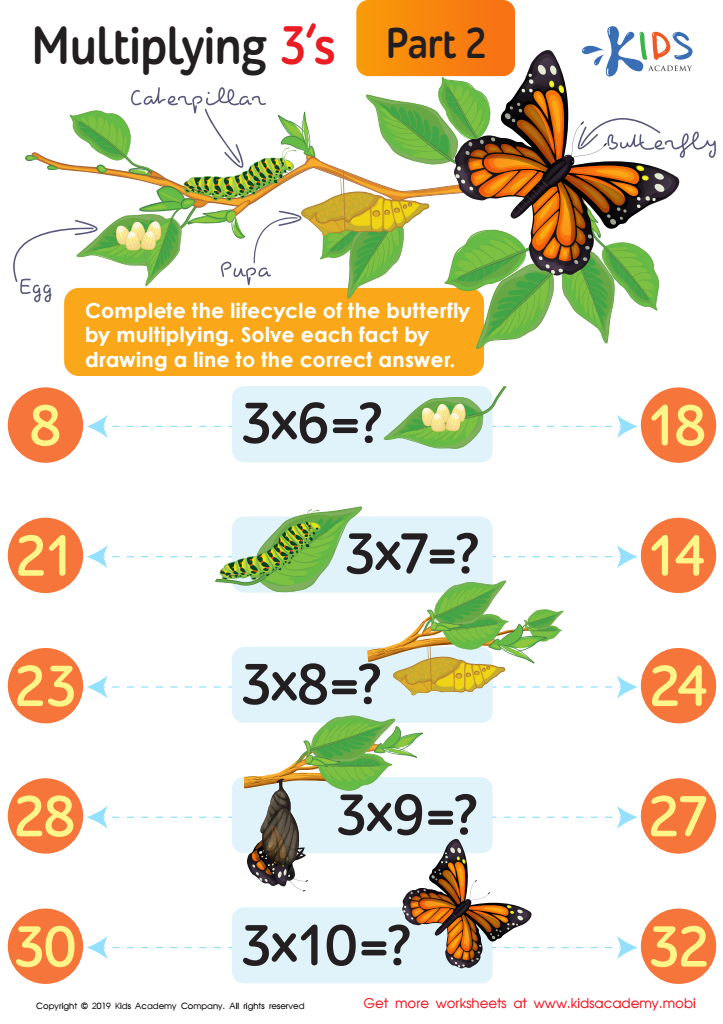
Multiplying 3s Part 2 Worksheet
Once a tiny egg, a butterfly goes through its life cycle. From egg to caterpillar to cocoon to beautiful winged creature! Ask your kids to complete the lifecycle by solving the facts on the worksheet. Help them draw a line to the right answer and let them marvel at the butterfly's amazing transformation!
Multiplying 3s Part 2 Worksheet
Worksheet
Join Kids Academy for Free
Who is primarily going to use this learning content?








Multiplication practice is essential for early learners, as it forms the foundation for more complex mathematical concepts. Understanding multiplication enhances critical thinking, problem-solving skills, and number sense, which are crucial for academic success in subjects beyond math.
Integrating multiplication practice into lessons about normal plants and animals can foster a deeper understanding of both math and science. For instance, when children learn about plants, they can calculate the number of leaves on multiple branches or the amount of sunlight hitting plants in a garden. Similarly, discussing animal populations can lead to multiplication exercises that require students to determine how many animals are in a certain area based on specific factors such as density and habitat size.
Moreover, contextualizing multiplication within real-world topics keeps students engaged and helps them see the relevance of math in everyday life. When parents and teachers demonstrate how multiplication relates to the natural world, they also promote environmental awareness and curiosity about living organisms. Ultimately, combining multiplication practice with studies of normal plants and animals not only enhances math proficiency but also nurtures a holistic understanding of science, fostering well-rounded learners. Engaging students through relevant themes makes learning more impactful and enjoyable.







