Understanding pollination Normal Plants and Animals Worksheets
3 filtered results
-
From - To
Discover engaging "Understanding Pollination: Normal Plants and Animals" worksheets designed for young learners at Kids Academy! Our vibrant visuals guide students through the essential roles of plants and animals in pollination. Enhance science education with fun activities exploring how pollen travels, the parts of flowers, and insect interactions. These worksheets nurture curiosity and solidify foundational knowledge in botany and ecology, making learning interactive and enjoyable. Ideal for classroom use and home study, they support critical learning skills and scientific thinking for early grade students. Foster a love for nature with our expertly crafted educational resources.
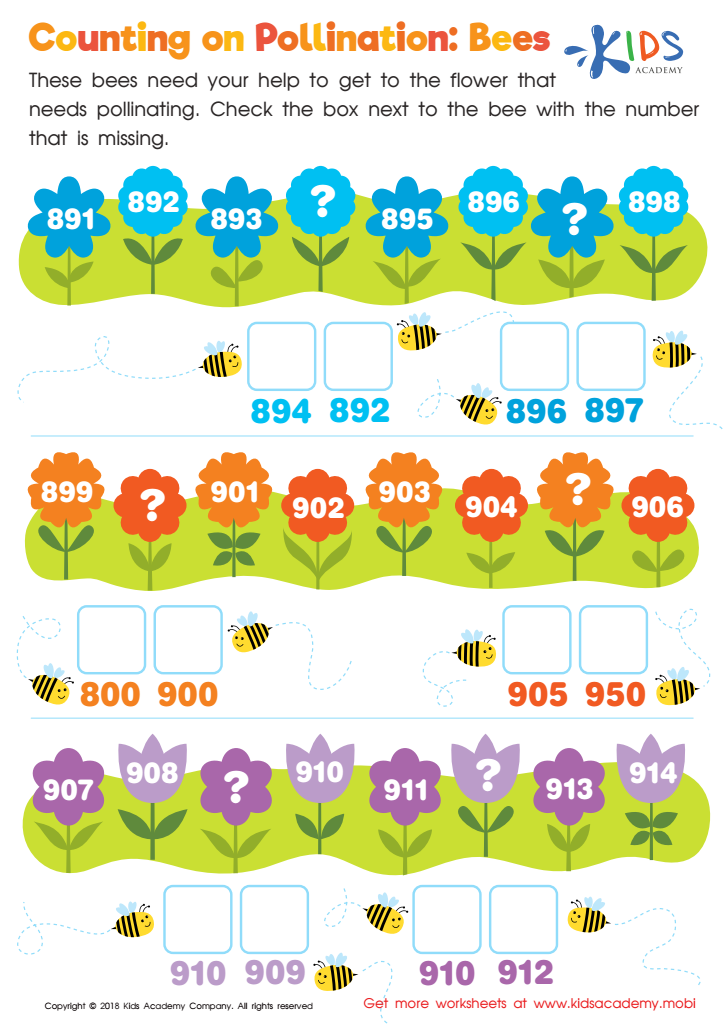
Counting on Pollination: Bees Worksheet
 Assign to My Students
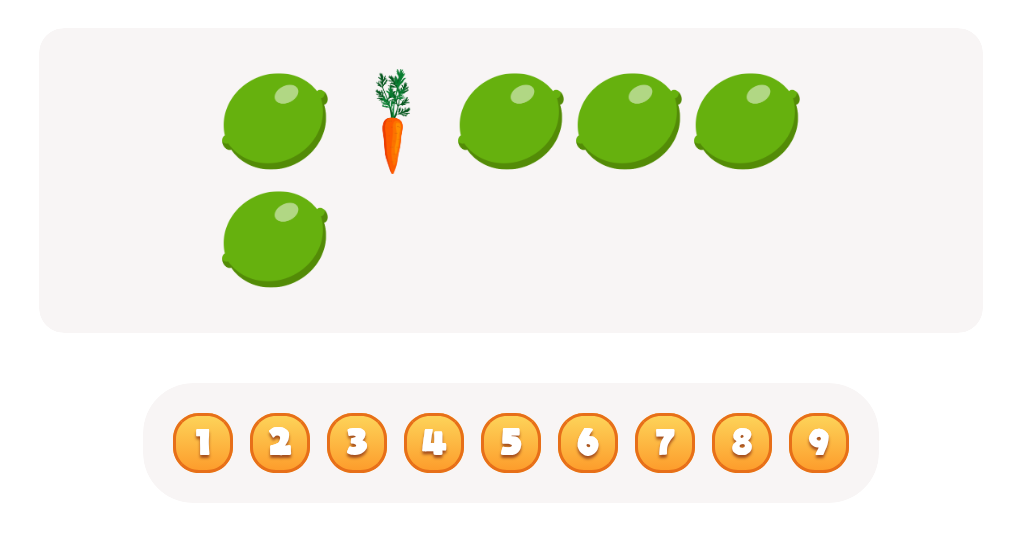

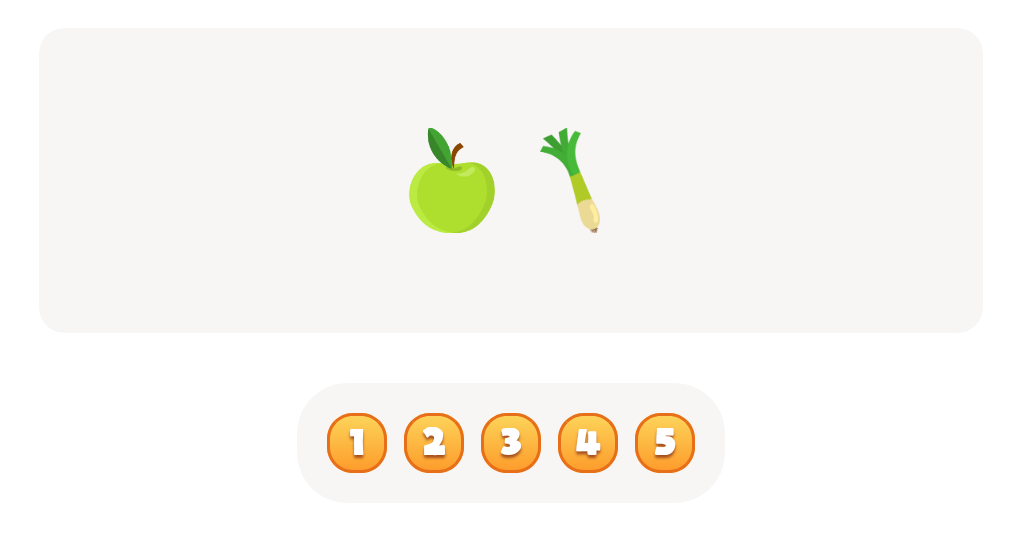
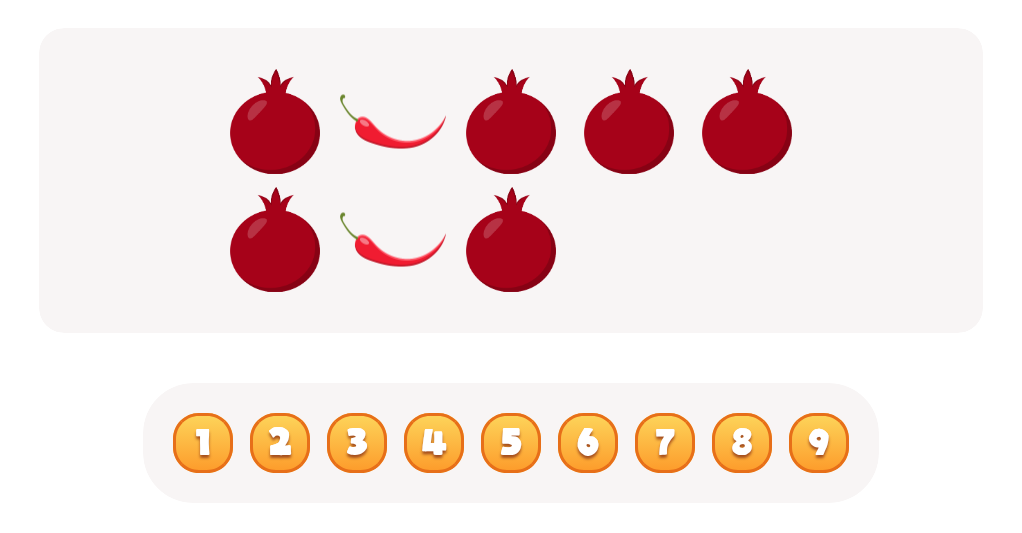
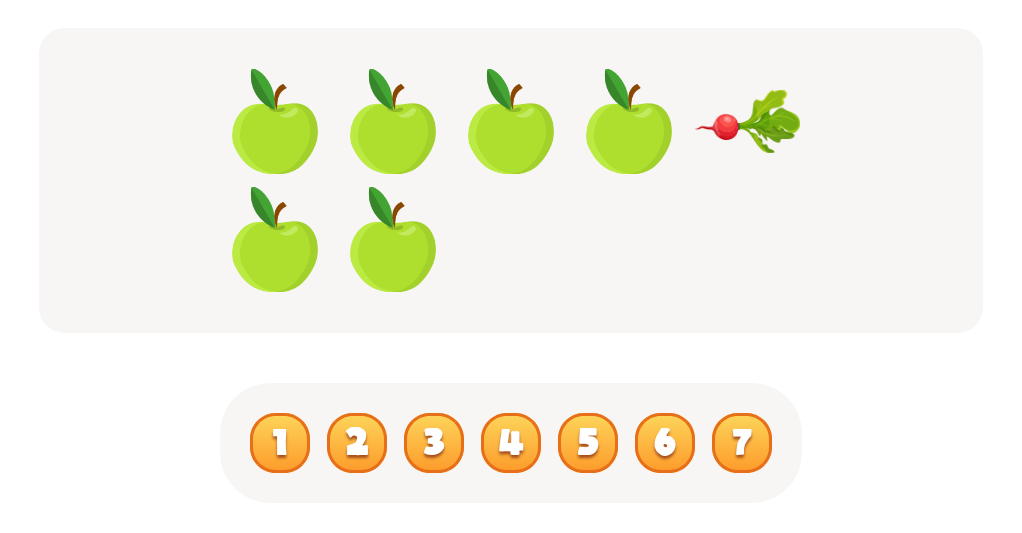
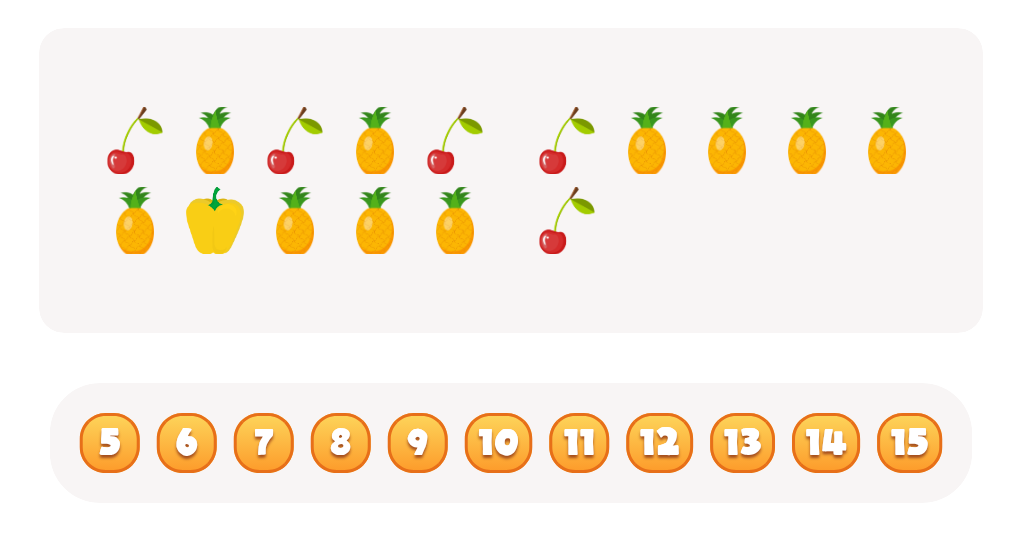
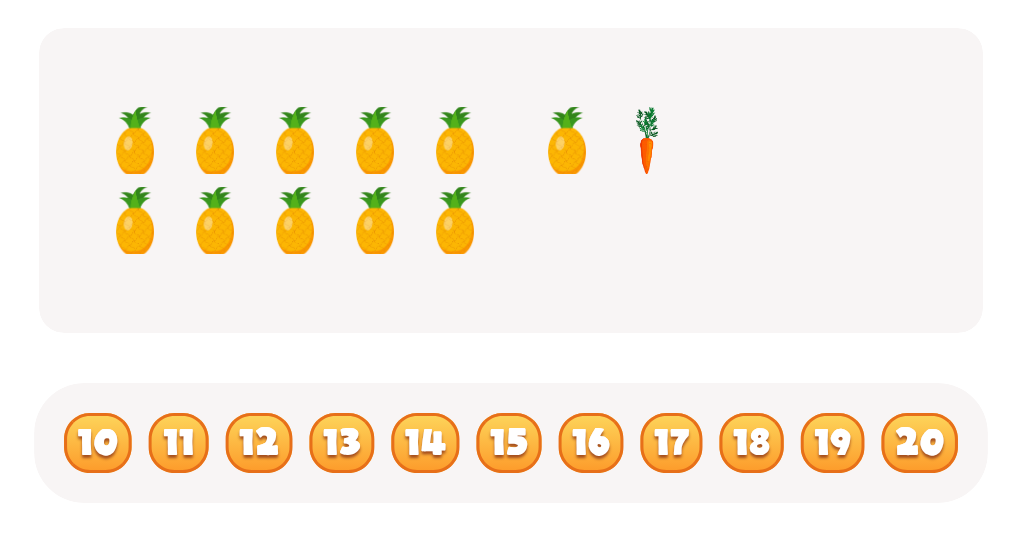
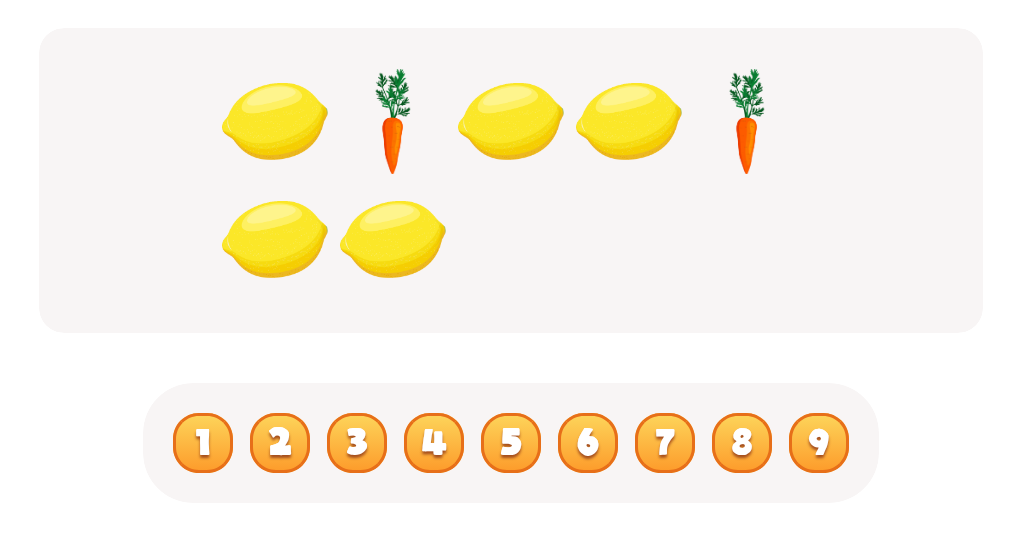
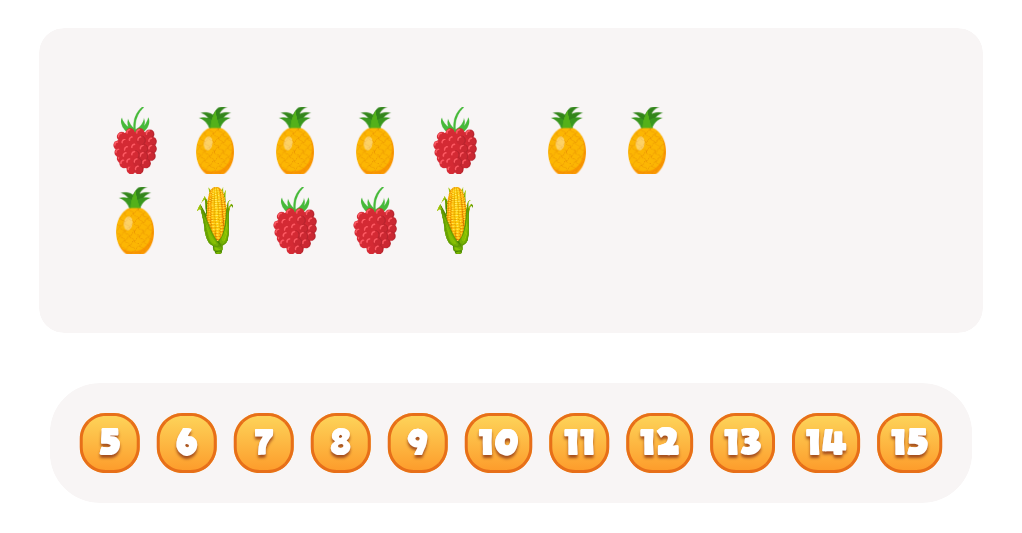
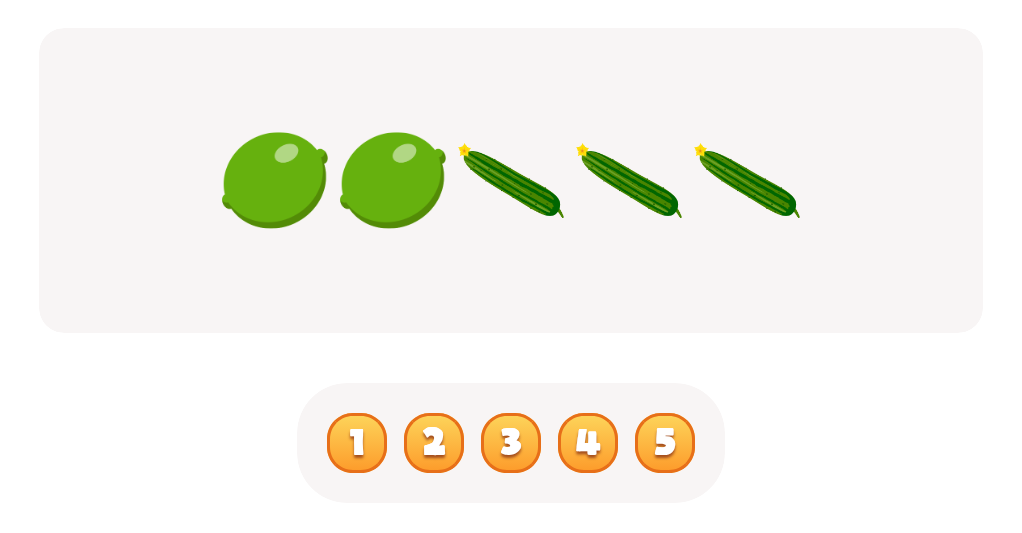
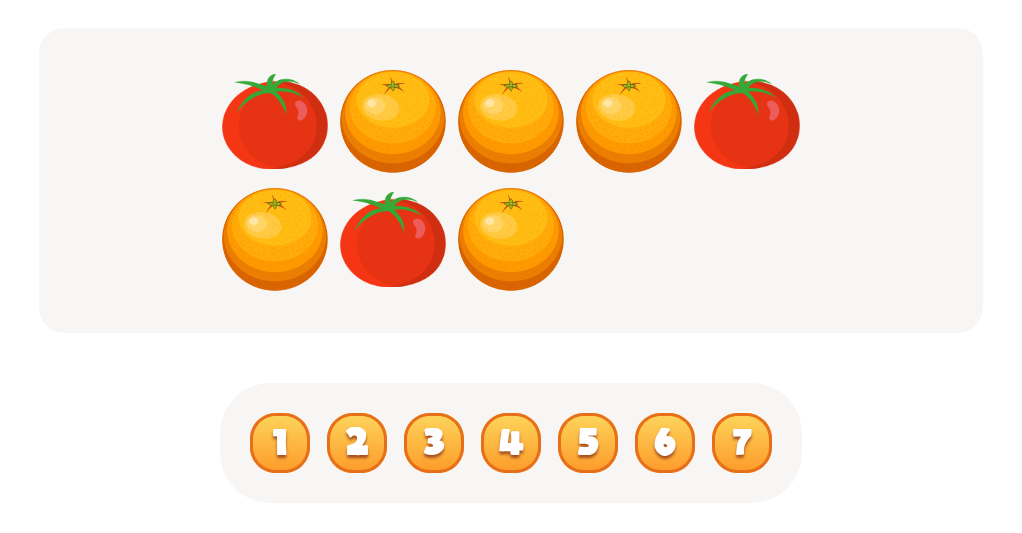
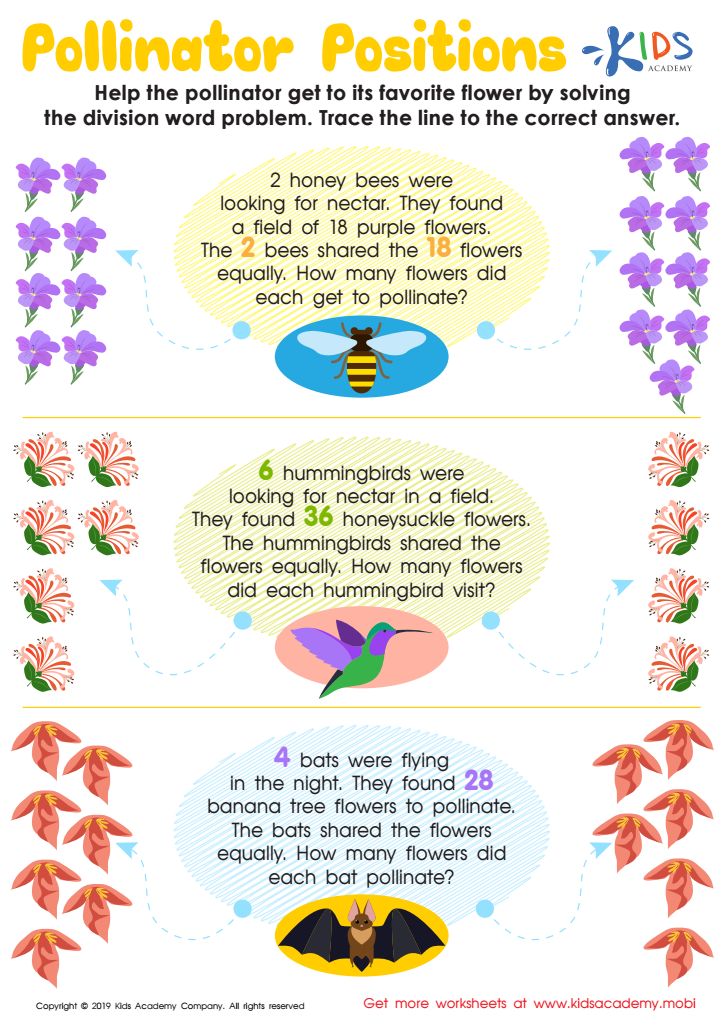
Pollinator Positions Worksheet
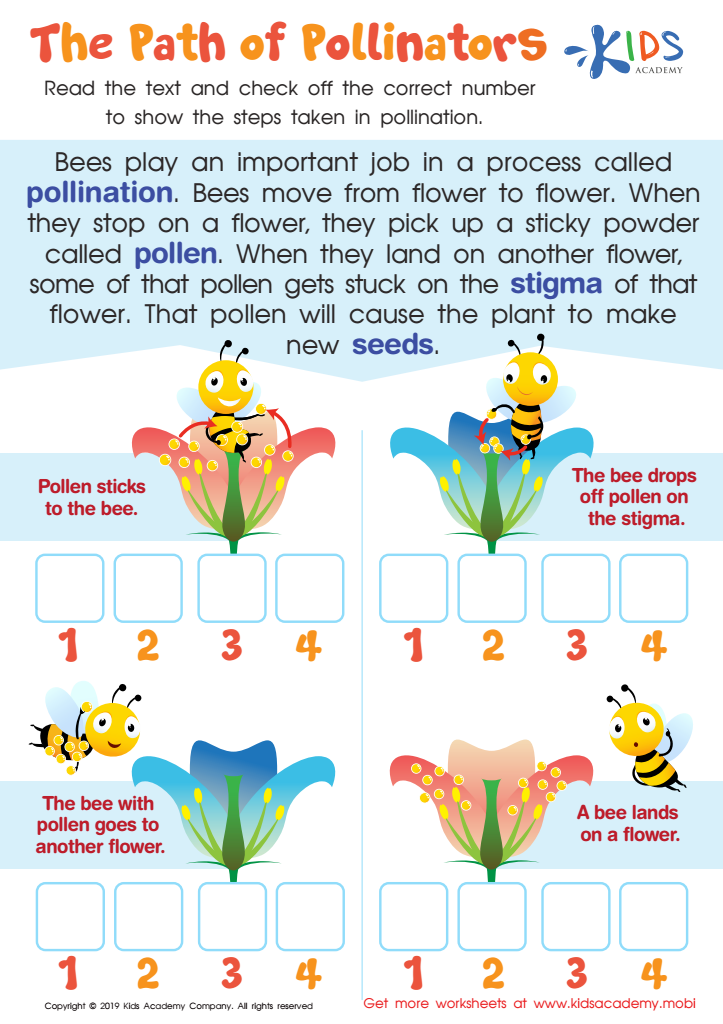
The Path of Pollinators Worksheet






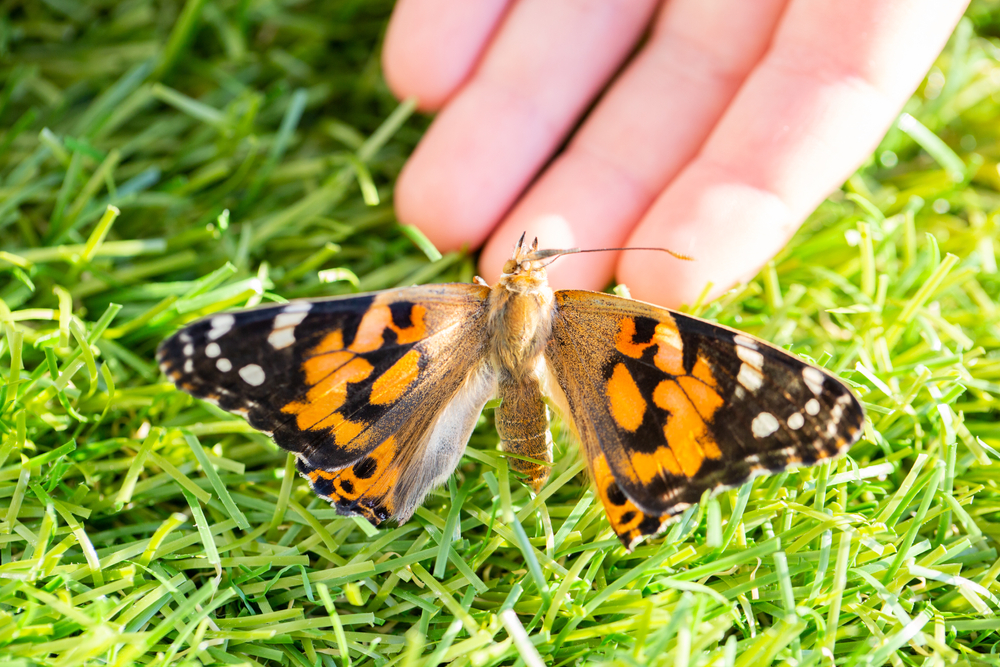

Understanding pollination is essential for both parents and teachers because it is a fundamental process for the reproduction of many plants, which in turn supports ecological balance and biodiversity. For young learners, grasping these concepts can enhance their appreciation of the natural world and foster a sense of responsibility towards the environment.
Pollination involves the transfer of pollen from the male part of the flower (anthers) to the female part (stigma), enabling plants to produce fruits and seeds. This process can be facilitated by insects like bees, butterflies, birds, bats, and even the wind. By teaching children about pollination, parents and teachers can help them understand the intricate relationships within ecosystems, recognizing how plants and pollinators depend on each other.
Moreover, awareness about pollination highlights the significance of pollinators, many of which are currently threatened by factors such as habitat loss, pesticides, and climate change. Educating children early about the importance of pollinators can encourage proactive behavior, such as starting a garden with pollinator-friendly plants or reducing pesticide use.
Understanding pollination also ties into broader educational objectives in science, encouraging inquiry, observation, and critical thinking. Children are naturally curious, and learning about the natural processes around them can stimulate intellectual curiosity and observation skills, which are key components of scientific learning and environmental stewardship.