Fine Motor Skills Normal Grade 2 Alphabet Worksheets - Page 2
27 filtered results
-
From - To
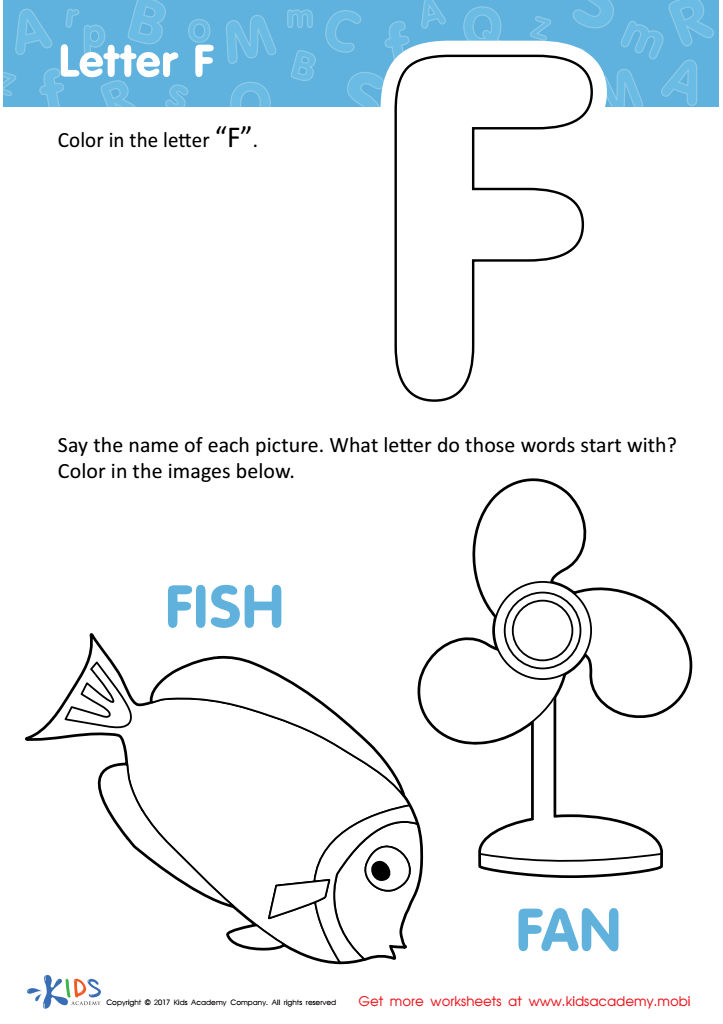
Letter F Coloring Sheet
 Assign to My Students
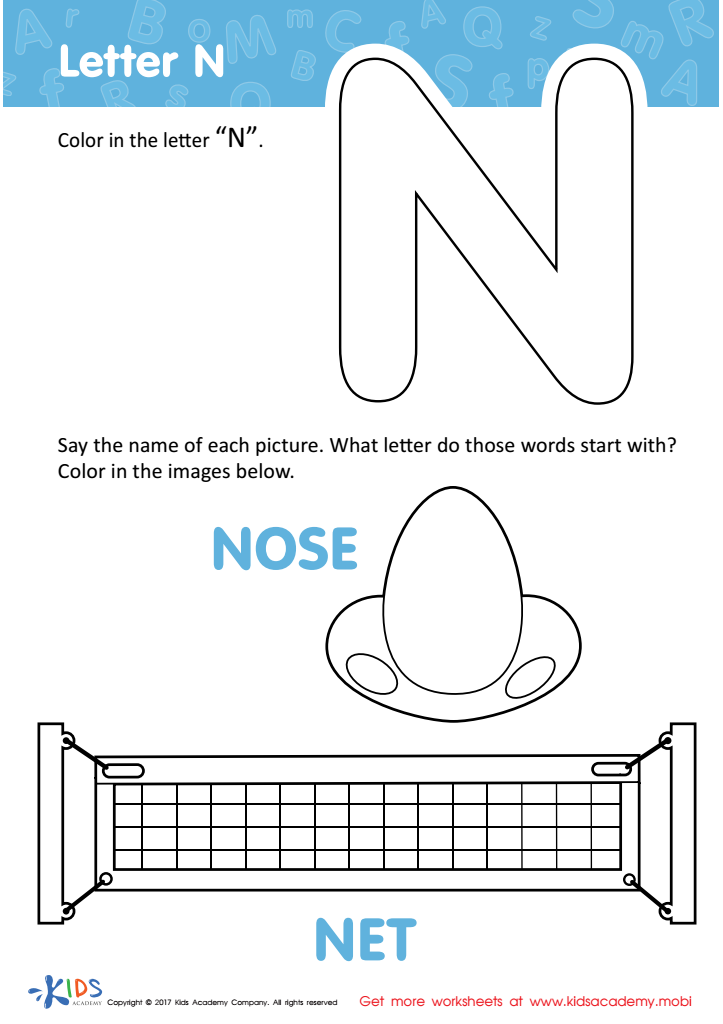
Letter N Coloring Sheet
Assign to My Students

Letter D Tracing Page








Fine motor skills are crucial for children's overall development, especially in Grade 2, when they are refining their ability to write and engage in other intricate tasks. At this stage, children begin to gain greater independence in their handwriting, art, and daily activities. Strong fine motor skills enhance their ability to form letters correctly, maintain proper spacing, and improve legibility, which is important for academic success and confidence.
Parents and teachers should prioritize these skills as they directly impact students' readiness for more complex academic tasks in the future. Proficient fine motor abilities facilitate successful participation in various subjects, from art to mathematics. Additionally, they foster concentration and the ability to follow multi-step directions, critical for following classroom instructions.
Moreover, beyond academics, fine motor skills play a role in children's self-esteem. As they master tasks like tying their shoes or using scissors, they gain confidence in their abilities. Engaging in activities that strengthen fine motor skills, such as crafting, puzzles, and writing practice, can help children enjoy learning. Ultimately, parents and teachers must care about these skills to support holistic child development, paving the way for success both inside and outside the classroom.