Motor skills development Normal Grade 2 Alphabet Worksheets
3 filtered results
-
From - To
Enhance your Grade 2 student’s motor skills with our engaging alphabet worksheets, specifically designed for second graders. These printable resources provide fun activities that promote hand-eye coordination and fine motor skills as children practice writing and recognizing letters. These worksheets encompass tracing, matching, and interactive exercises that cater to diverse learning styles, making learning both enjoyable and effective. Perfect for classroom or home use, our motor skills development worksheets foster literacy while improving dexterity. Help your child build a solid foundation in letter recognition and writing with our thoughtful and skill-focused resources, ensuring they thrive in their educational journey.

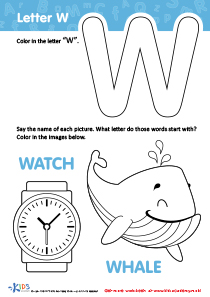
Letter H Tracing Page
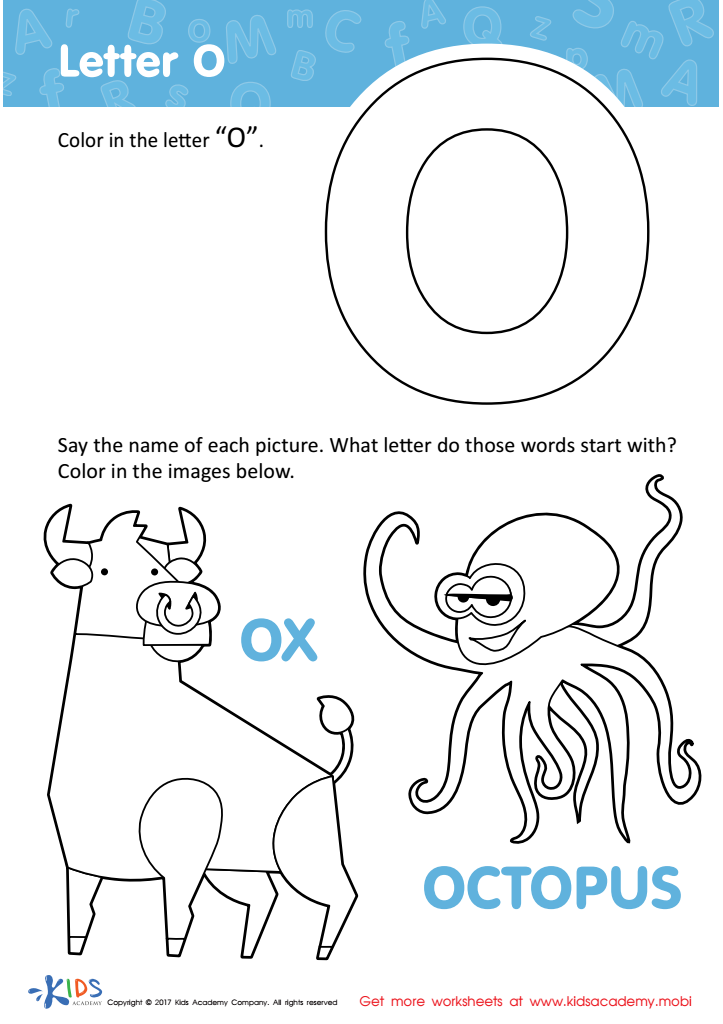
Letter O Coloring Sheet
 Assign to My Students
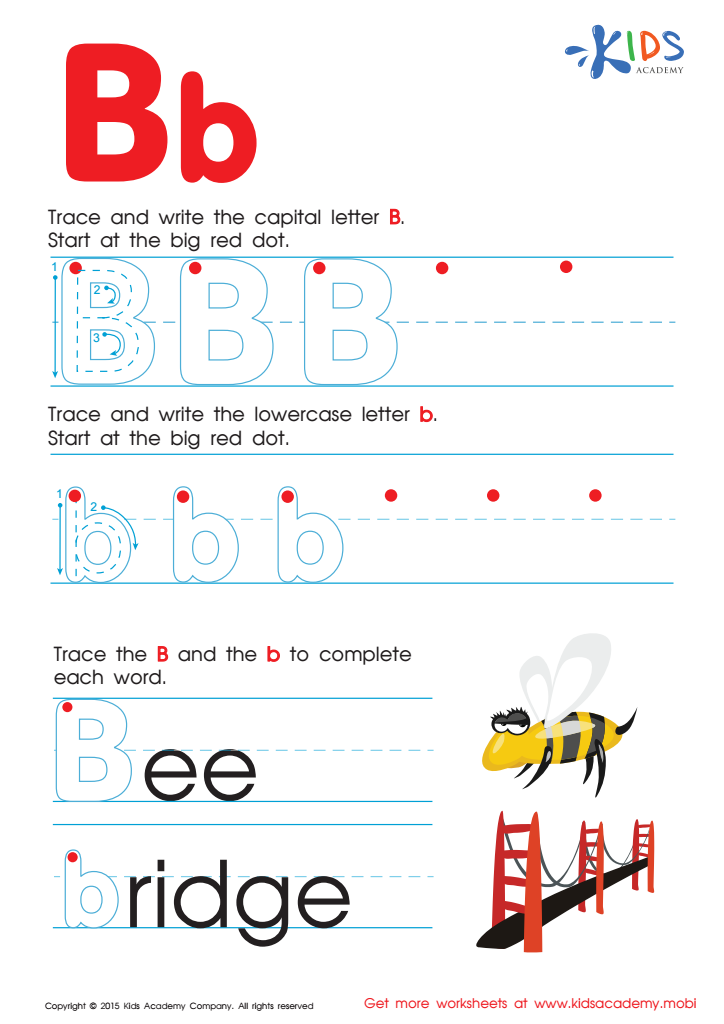
Letter B Tracing Page








Motor skills development is crucial for Grade 2 students as it forms the foundation for their overall growth and academic success. During this stage, children refine both fine and gross motor skills, which are essential for everyday activities, learning, and social interaction. Fine motor skills, such as writing, drawing, and using tools, directly impact a child's ability to complete schoolwork and engage with peers. As children learn to form the Grade 2 alphabet, they gain confidence and dexterity that will serve them across academic tasks.
Gross motor skills, which involve larger movements like running, jumping, and coordination, are equally important. They enhance physical health, encourage teamwork in sports, and improve problem-solving skills during play. Motor skills development in this critical period also supports cognitive function, allowing for improved focus and better memory retention in the classroom.
Furthermore, parents and teachers play a pivotal role in fostering these skills through engaging activities like art projects, coordinated games, and physical education. By prioritizing motor skills development, they contribute to a child’s self-esteem, social skills, and readiness for future learning challenges. Ultimately, nurturing motor skills promotes well-rounded, confident individuals who are prepared for success in all areas of life.