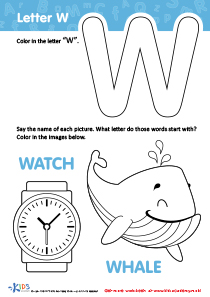
Vocabulary Building Normal Grade 2 Phonics Worksheets
4 filtered results
-
From - To
Boost your second grader's literacy skills with our engaging Vocabulary Building Normal Grade 2 Phonics Worksheets! Designed to enhance phonemic awareness, these printable worksheets provide fun and interactive activities, helping students expand their vocabulary through essential phonics concepts. Ideal for teachers and parents alike, our resources feature colorful illustrations and easy-to-follow instructions. Activities include word sorting, matching, and fill-in-the-blank exercises, all aimed at reinforcing phonetic understanding while promoting vocabulary development. Perfect for classroom use or at-home learning, these worksheets will empower young learners to confidently read and write. Unlock the power of words with our specially crafted phonics resources today!
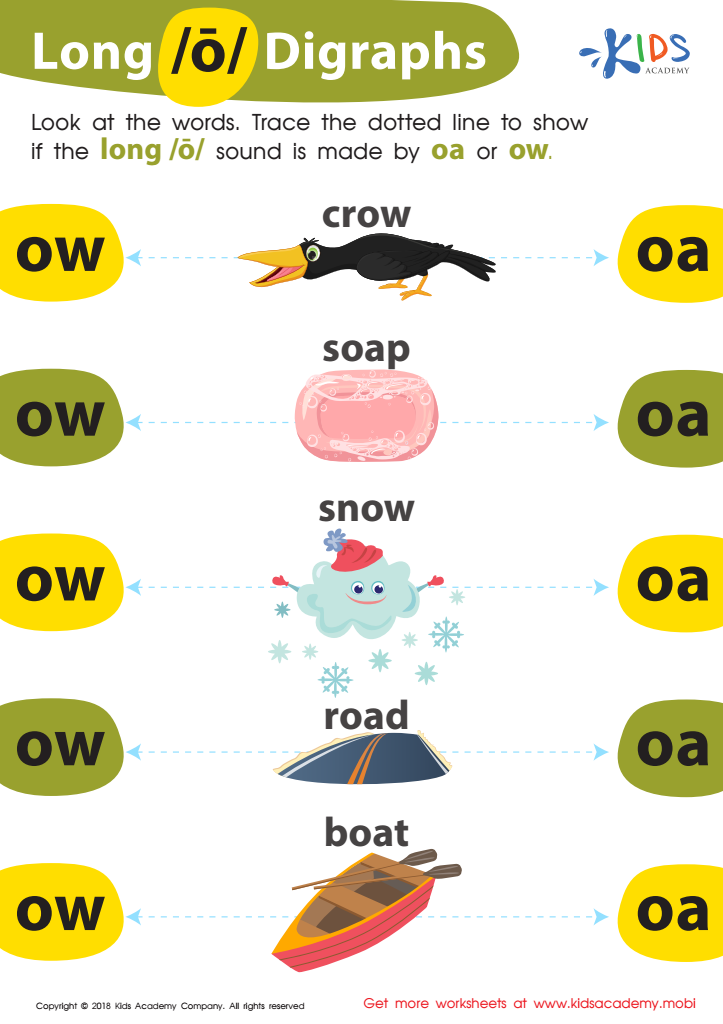
Reading: Long O Digraphs Worksheet
 Assign to My Students
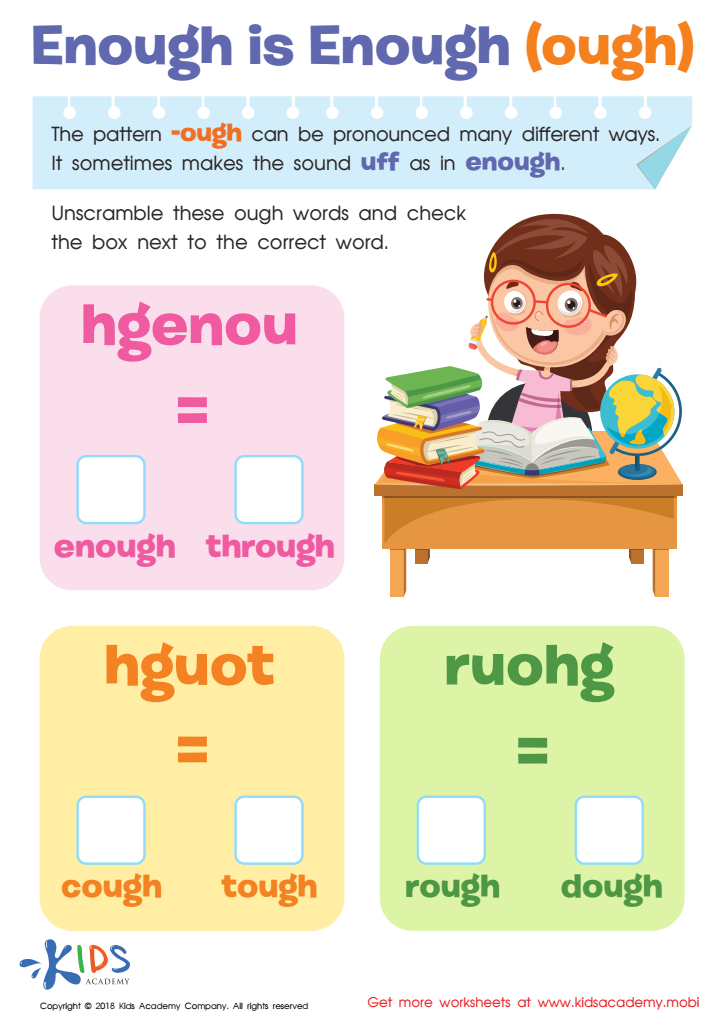
Enough Is Enough (ough) Worksheet
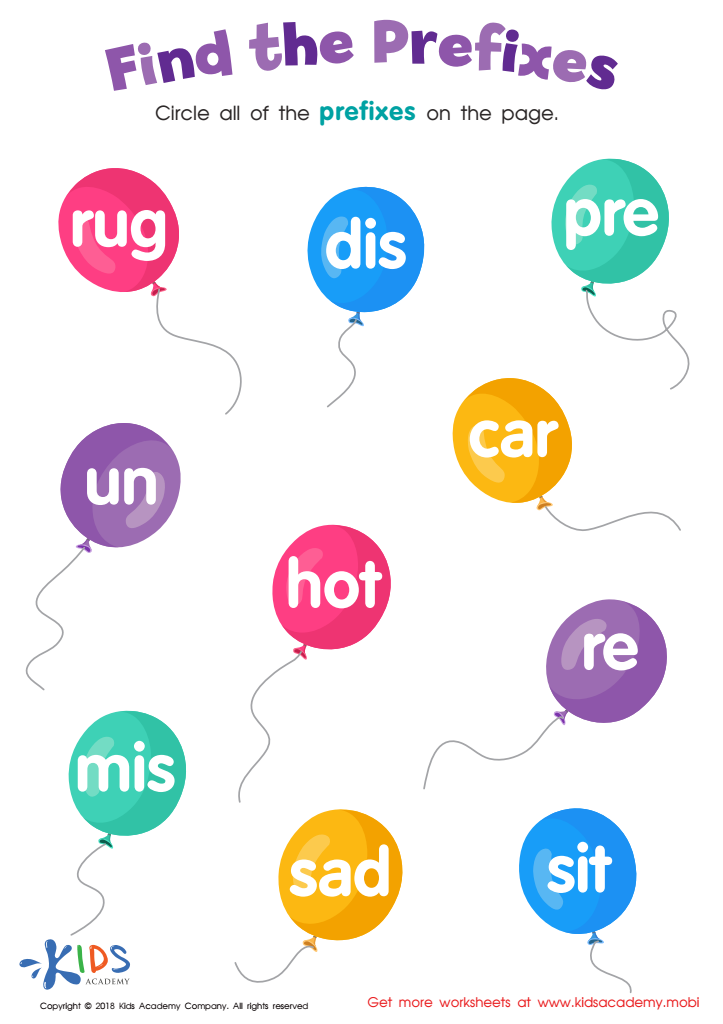
Reading: Find the Prefixes Worksheet
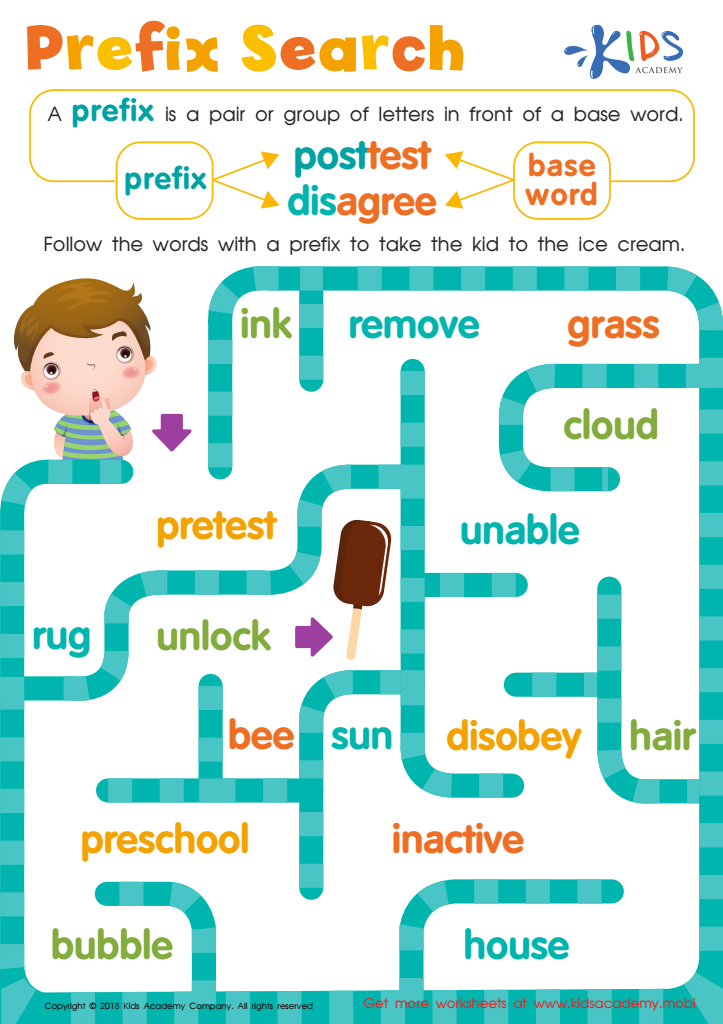
Reading: Prefix Search Worksheet



Parents and teachers should prioritize vocabulary building through normal Grade 2 phonics because it forms the foundation for effective reading and writing skills. At this age, children are transitioning from learning to read to reading to learn. A strong grasp of phonics enables them to decode words, which is essential for comprehension and fluency in reading.
Moreover, vocabulary development enhances children's ability to communicate their thoughts and ideas clearly. A rich vocabulary allows them to engage more meaningfully in discussions and express themselves accurately. As they expand their vocabulary, they gain confidence in their language skills, which influences their overall academic performance.
Additionally, phonics instruction in Grade 2 helps children make connections between sounds and letters, fostering critical thinking and problem-solving skills. Effective vocabulary building also aids in spelling and writing abilities, promoting creativity and clarity in their communication.
Finally, a solid foundation in vocabulary and phonics sets the stage for lifelong literacy development, enhancing opportunities for academic and personal growth. Investing time and effort in these areas ensures that children are well-equipped for future learning challenges, making it crucial for parents and teachers to be actively involved in this process.