Alphabet tracing Normal Grade 2 Tracing Letters Worksheets
5 filtered results
-
From - To
Discover the essential "Alphabet Tracing Normal Grade 2 Tracing Letters Worksheets" designed to enhance your child's literacy skills. Our engaging worksheets provide a fun and interactive way for second graders to practice writing letters, developing their handwriting and letter recognition. Each worksheet features clear guidelines and creative exercises that promote fine motor skills and cognitive development. Parents and educators will appreciate the structured approach that encourages learning through repetition and exploration. With these tracing worksheets, students will gain confidence in composing letters, setting a strong foundation for reading and writing success. Start your child's alphabet journey today!

Letter P Tracing Page
 Assign to My Students
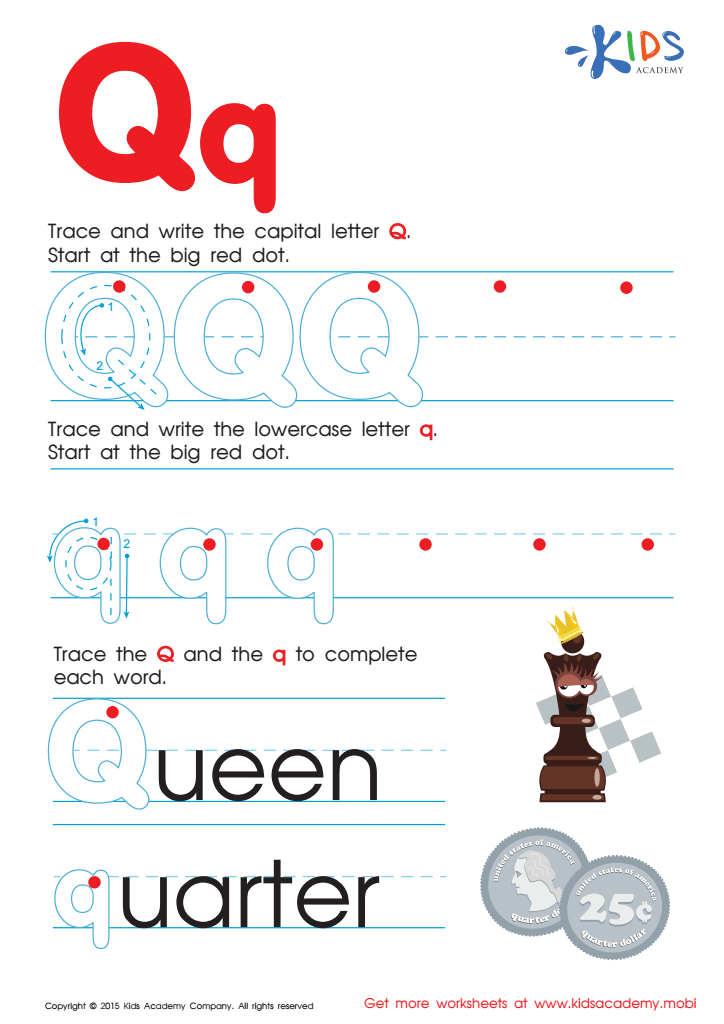
Letter Q Tracing Page

Letter H Tracing Page
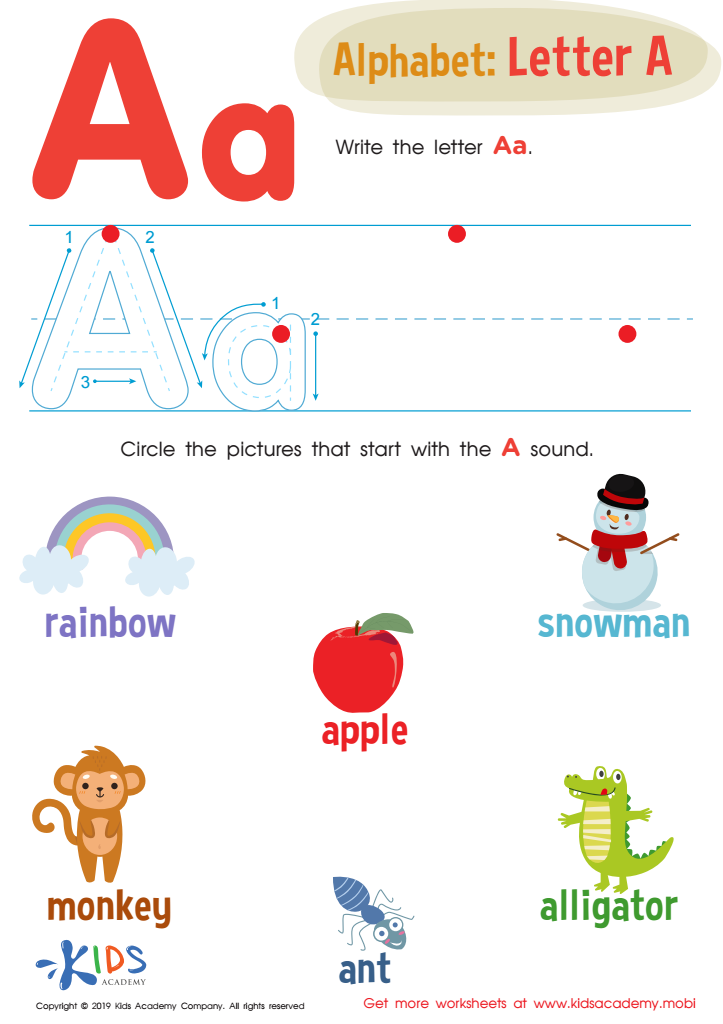
Letter A Tracing Worksheet

Letter D Tracing Page




Alphabet tracing is a crucial practice for Grade 2 students as it lays the foundation for writing skills, spelling, and early literacy development. Parents and teachers should prioritize tracing letters because it enhances fine motor skills, encouraging children to develop the strength and control necessary for effective handwriting. Engaging in letter tracing helps children recognize and remember the shapes of both uppercase and lowercase letters, promoting better letter identification.
Moreover, tracing provides a multi-sensory experience, as children feel the movements of writing while simultaneously visualizing the letters they are forming. This contributes to their understanding of letter formations and their sounds, which is essential for phonics and overall literacy. Additionally, tracing exercises can increase children’s confidence in their writing abilities, as they practice and see improvement over time.
By participating in alphabet tracing, students experience immediate feedback and the satisfaction of mastery, motivating them to continue learning. When parents and teachers encourage this practice, they foster a love for writing and learning that can positively impact a child's academic journey. Overall, focusing on tracing letters is an effective way to support children’s literacy skills and boost their self-esteem in early education.