Logical thinking development Normal Grade 2 Worksheets
5 filtered results
-
From - To
Encourage your Grade 2 students to enhance their logical thinking skills with our engaging worksheets designed specifically for their learning level. These carefully curated resources incorporate a variety of fun activities that challenge young minds to solve problems, recognize patterns, and draw conclusions. Our worksheets include puzzles, sequencing tasks, and critical thinking exercises that foster analytical abilities in an enjoyable way. With a focus on collaboration and hands-on learning, these tools not only support cognitive development but also promote creativity and engagement. Explore our logical thinking development worksheets today to empower your students on their educational journey!
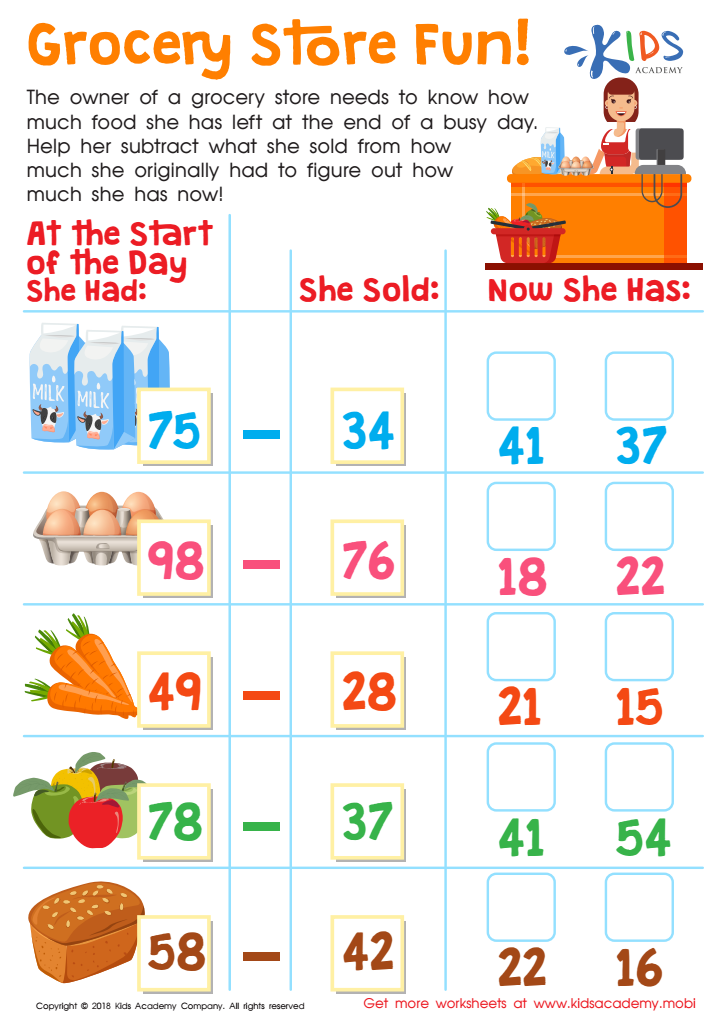
Grocery Store Fun! Worksheet
 Assign to My Students
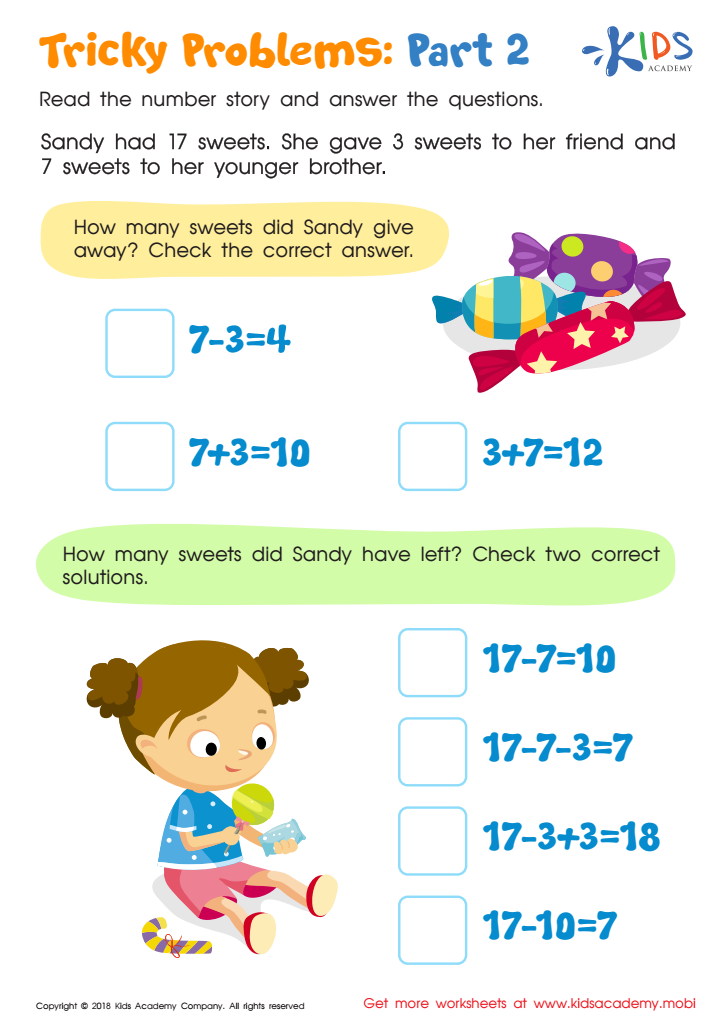
Tricky Problems Worksheet: Part 2
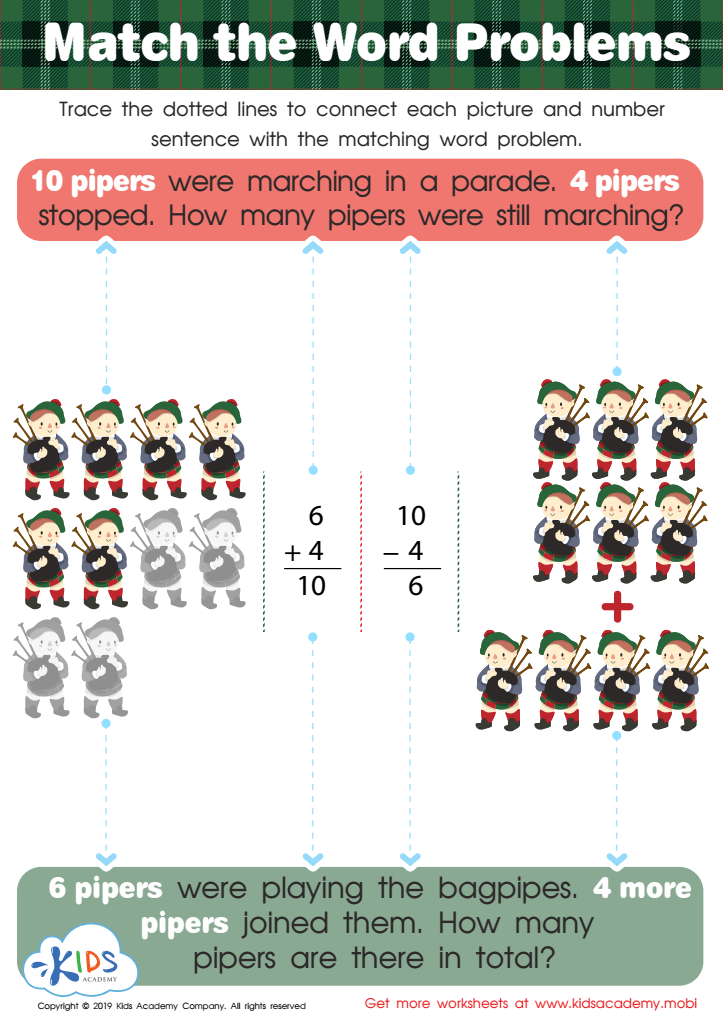
Match the Word Problems Worksheet
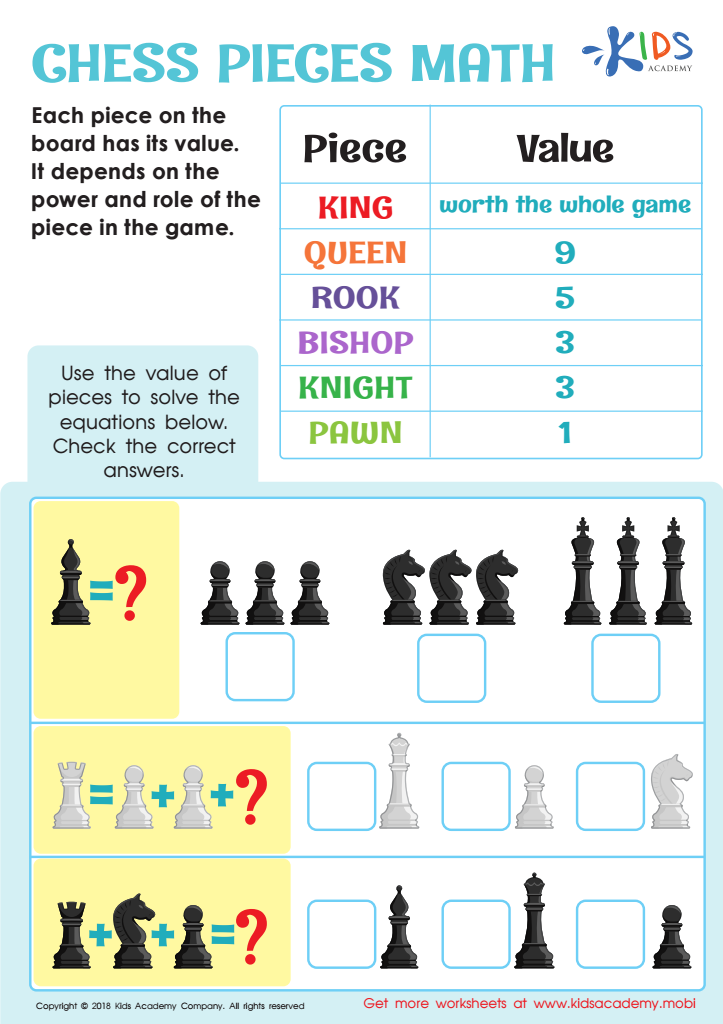
Chess Pieces Math Worksheet
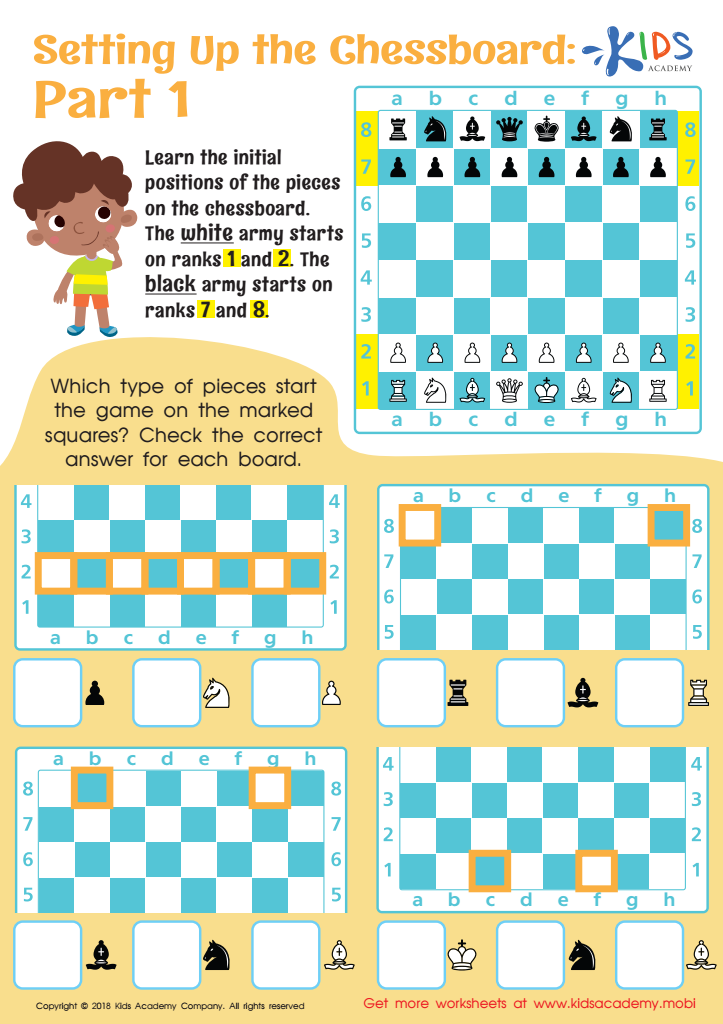
Setting up the Chessboard: Part 1 Worksheet







Parents and teachers should prioritize the development of logical thinking in Grade 2 students because it is foundational for various academic and life skills. At this age, children begin transitioning from concrete to more abstract thought processes, making it an ideal time to foster logical reasoning. Developing logical thinking enhances problem-solving skills, enabling children to analyze situations, evaluate options, and find solutions effectively. This cognitive growth lays the groundwork for subjects like math and science, where reasoning and critical thinking play crucial roles.
Furthermore, logical thinking influences language skills, helping children to understand and structure their thoughts when communicating with others. Encouraging this skill set not only supports academic achievement but also empowers children to navigate social situations, make informed decisions, and approach challenges with confidence.
Parents and teachers can nurture logical thinking through engaging activities, such as puzzles, board games, and group problem-solving tasks. These interactions encourage collaboration and creativity, fostering a love for learning. By emphasizing logical thinking in Grade 2, educators and parents can equip children with essential skills that benefit them throughout their academic journey and beyond, promoting lifelong critical thinking abilities that enhance their personal and professional lives.