Letter recognition Normal Grade 2 Reading Worksheets
3 filtered results
-
From - To
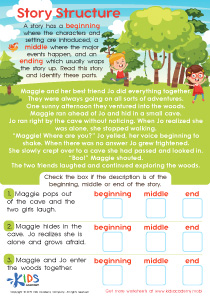
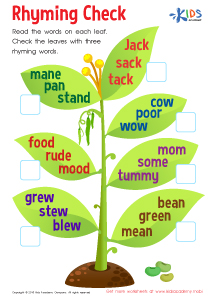
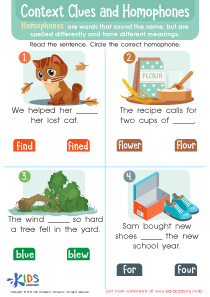
Boost your child's literacy skills with our engaging Letter Recognition worksheets designed for Grade 2 learners. These printable resources facilitate effective learning through fun, interactive activities that promote letter recognition, an essential foundation for reading success. Students can enjoy a variety of exercises including matching letters, identifying beginning sounds, and tracing practice that enhances both fine motor skills and letter familiarity. Tailored to align with curriculum standards, these worksheets offer valuable practice in a fun way, ensuring your child gains confidence in their reading abilities. Explore our collection to support your child's learning journey today!

Long and Short U Worksheet
 Assign to My Students
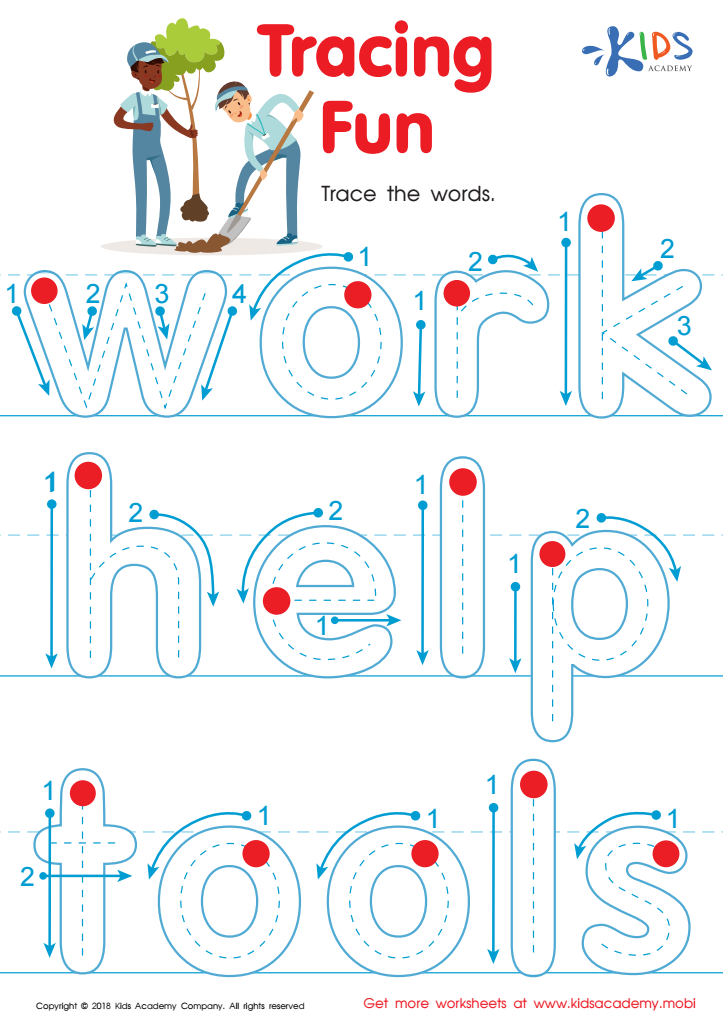
Tracing Fun Worksheet
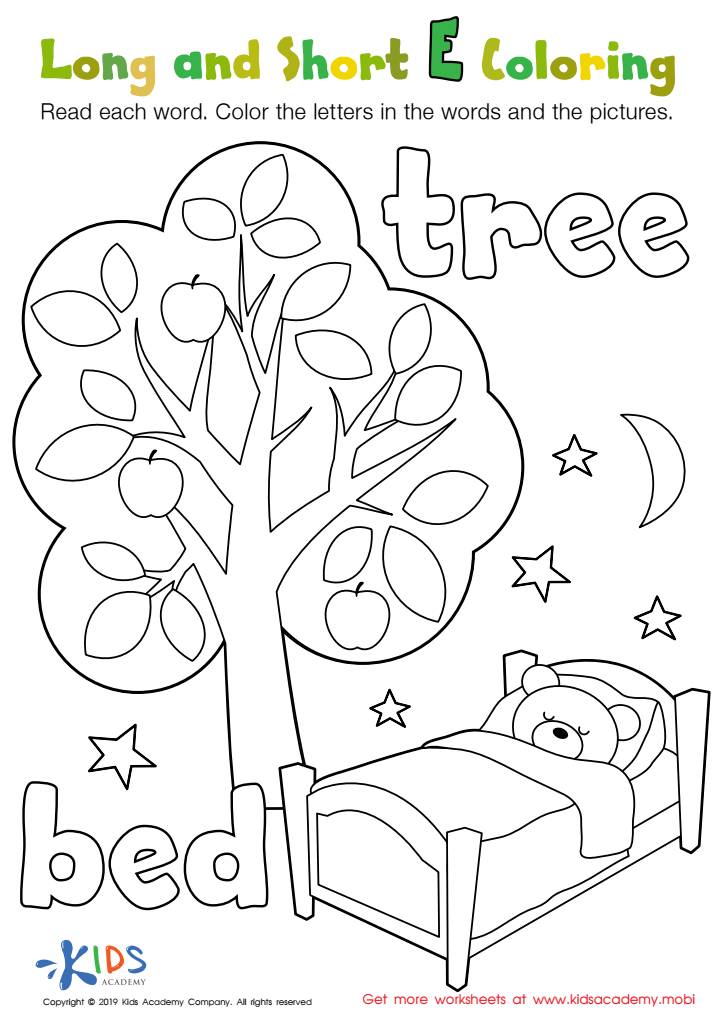
Long and Short E Worksheet
Assign to My Students








Letter recognition is foundational for literacy development, making it a critical focus for parents and teachers of children in Grade 2. At this stage, children are transitioning from learning to read to reading to learn. Mastery of letter recognition enables them to decode words, which is essential for fluency and comprehension. If children struggle with recognizing letters, they may find it difficult to read simple texts, impacting their confidence and overall academic performance.
Additionally, letter recognition supports the development of phonemic awareness, helping children to understand the sounds associated with letters. This skill is crucial as it lays the groundwork for spelling, writing, and advanced reading strategies. Parents and teachers play a vital role in reinforcing these skills through interactive activities, reading together, and providing engaging materials that promote letter recognition.
Moreover, strong literacy skills contribute to broader educational success and cognitive development. They open the door to effective communication, creativity, and critical thinking, laying a strong foundation for lifelong learning. Ultimately, attention to letter recognition in Grade 2 not only fosters literacy but also nurtures a love for reading, setting children on a positive academic path. Teachers and parents should work collaboratively to ensure children master this essential skill.