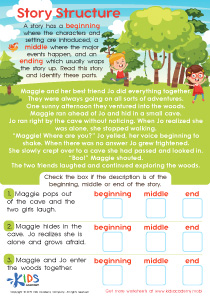
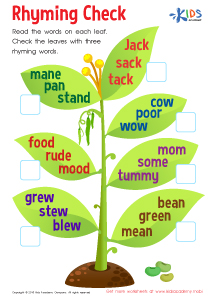
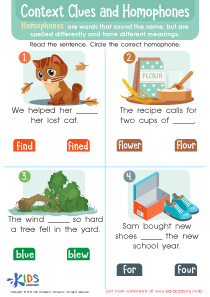
Vocabulary development Normal Grade 2 Reading Worksheets
4 filtered results
-
From - To
Unlock your child's potential with our engaging Grade 2 Vocabulary Development Reading Worksheets! Designed specifically for second graders, these worksheets provide a fun and interactive way to enhance vocabulary skills. Through a variety of exercises, kids will explore new words, practice reading comprehension, and develop critical thinking abilities. Each worksheet encourages creativity, boosts confidence, and promotes a love for reading. Whether at home or in the classroom, our thoughtfully crafted resources aim to make learning enjoyable and effective. Help your young learner thrive in their educational journey by visiting our page and accessing these valuable worksheets today!
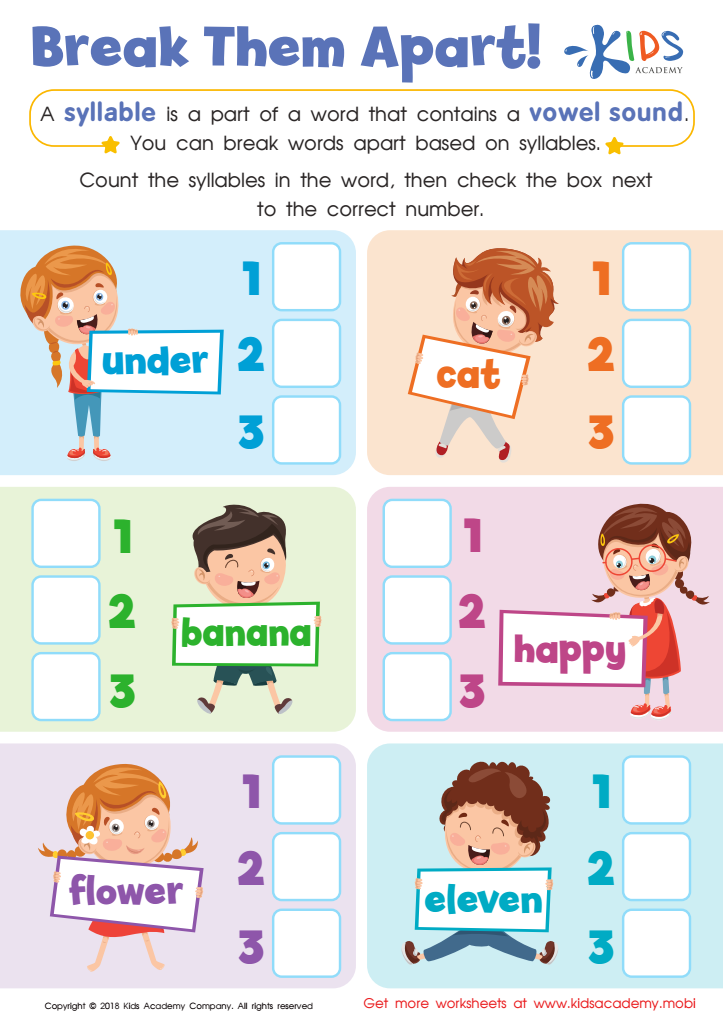
Reading: Break Them Apart Worksheet
 Assign to My Students
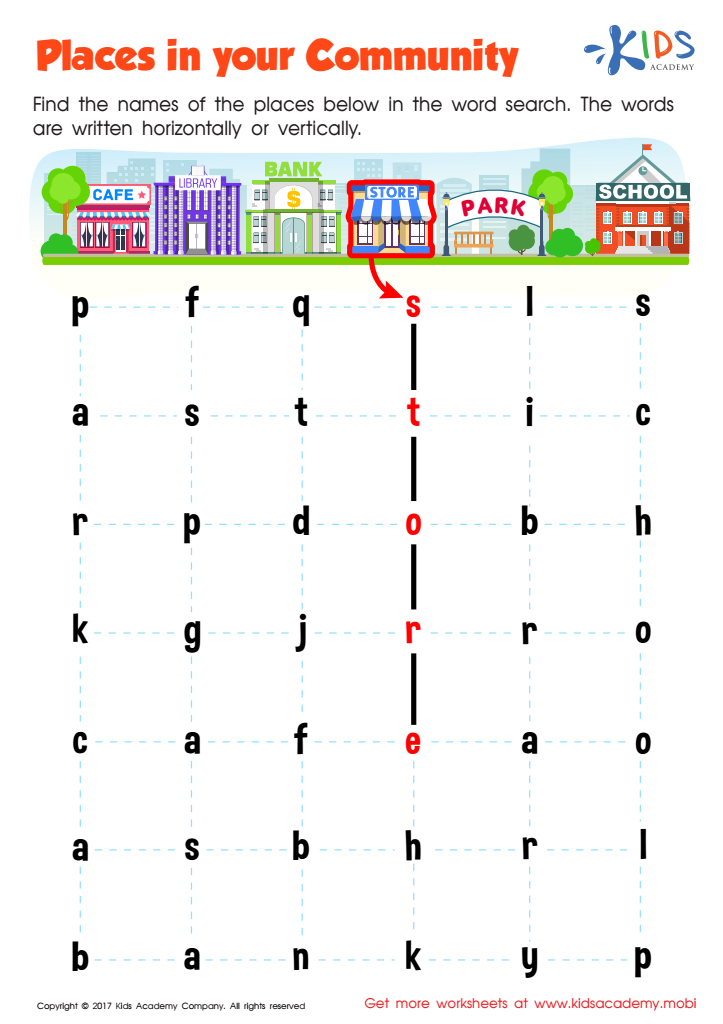
Places in Your Community Worksheet
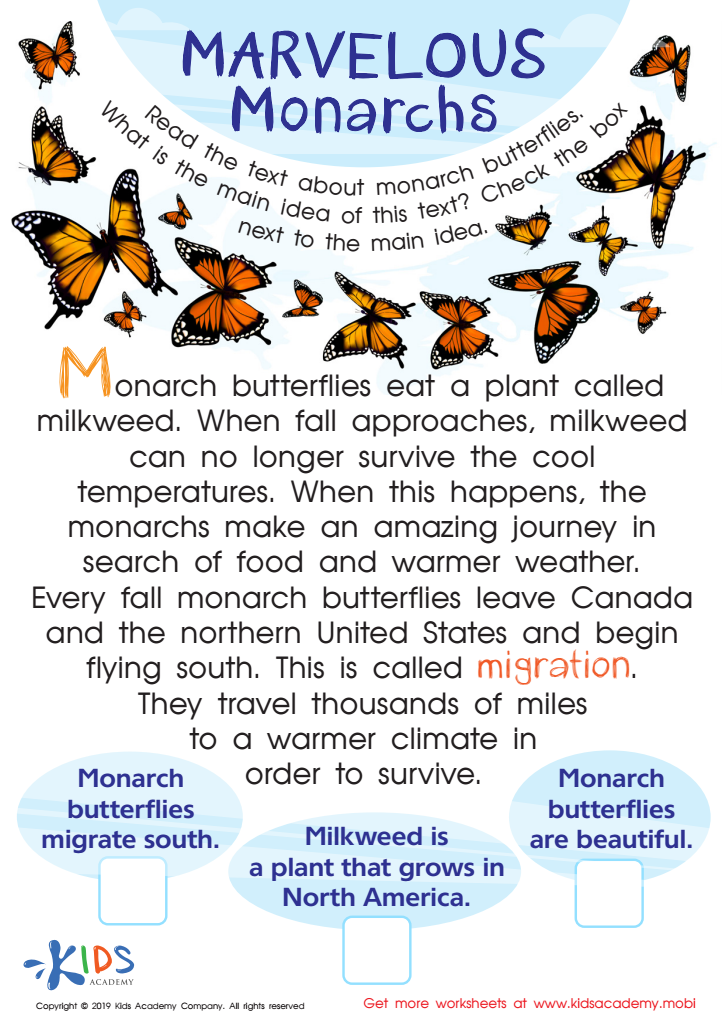
Marvelous Monarchs Worksheet
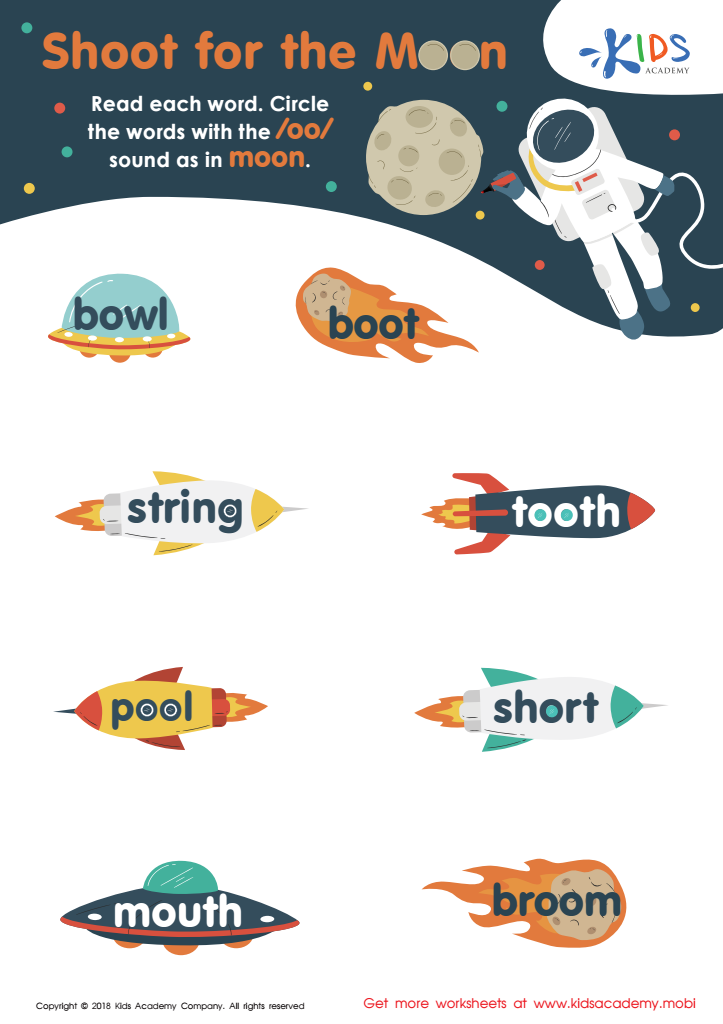
Reading: Shoot for the Moon Worksheet








Vocabulary development in Grade 2 is crucial for children's overall literacy and academic success. At this age, children are transitioning from learning to read to reading to learn, making an extensive vocabulary essential for comprehension. When parents and teachers prioritize vocabulary growth, they enable students to understand texts better, facilitate strong communication skills, and encourage a love for reading.
An enriched vocabulary enhances critical thinking and expression, allowing children to articulate their thoughts and ideas more clearly. Furthermore, a robust vocabulary supports their performance across subjects, as many concepts use specific terminology that children need to grasp for a deeper understanding.
Regular exposure to diverse vocabulary through reading, conversations, and educational games stimulates curiosity and cognitive development, leading to better problem-solving skills. Additionally, children with a broader vocabulary often experience greater engagement and confidence in their learning journey.
By investing time in vocabulary development, parents and teachers lay the groundwork for successful lifelong learners, ensuring that students are equipped with the linguistic tools they need to thrive academically. Ultimately, supporting vocabulary growth in Grade 2 fosters not just reading skills, but also social-emotional development and critical communication abilities.