Vocabulary development Normal Grade 2 Science Worksheets
3 filtered results
Difficulty Level
Grade
Age
-
From - To
Subject
Activity
Standards
Explore our engaging Grade 2 Science worksheets designed to enhance vocabulary development! These printable resources focus on key scientific concepts, terms, and language essential for young learners. Each worksheet provides a fun and interactive way for students to build their science vocabulary through various exercises including matching terms, fill-in-the-blanks, and word searches. Ideal for classroom or home learning, our worksheets support comprehension while aligning with core educational standards. Boost your child's confidence in scientific terminology and encourage critical thinking skills in a seamless, enjoyable manner. Get started today and watch your student blossom in their understanding of science vocabulary!
Favorites
With answer key
Interactive
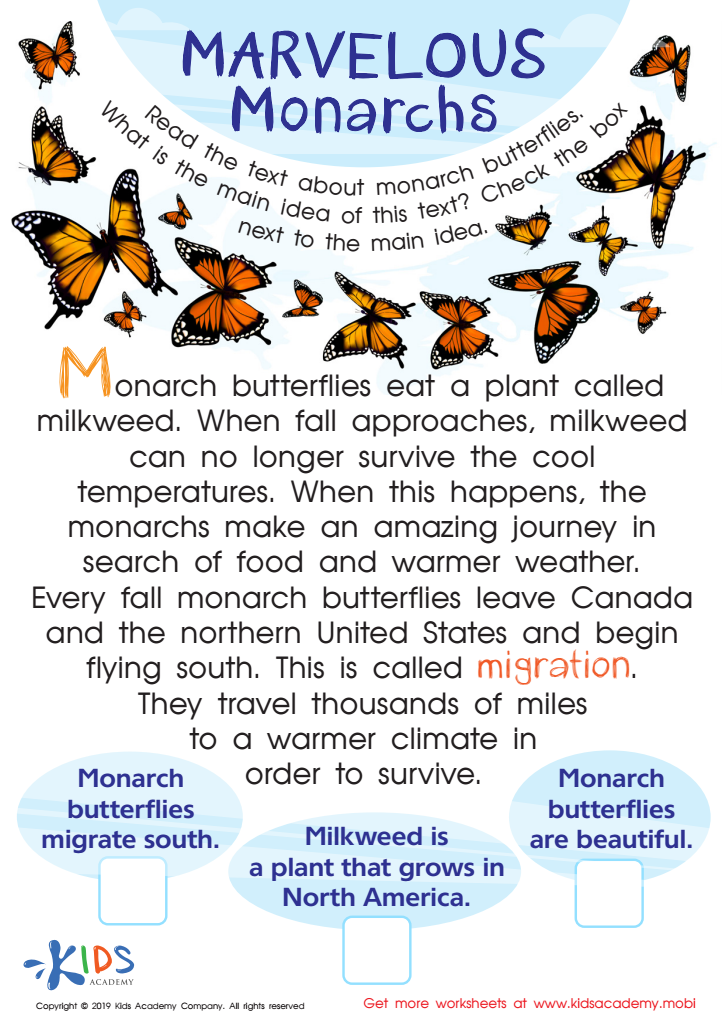
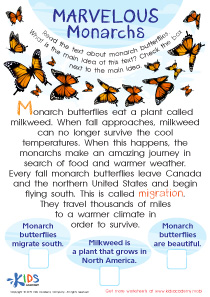
Marvelous Monarchs Worksheet
Help your kids have fun while reading - start with small words and short sentences. This worksheet can test your kids' reading and comprehension skills. Ask them to read the text about Monarch butterflies and help them locate the main idea.
 Assign to My Students
Marvelous Monarchs Worksheet
Worksheet
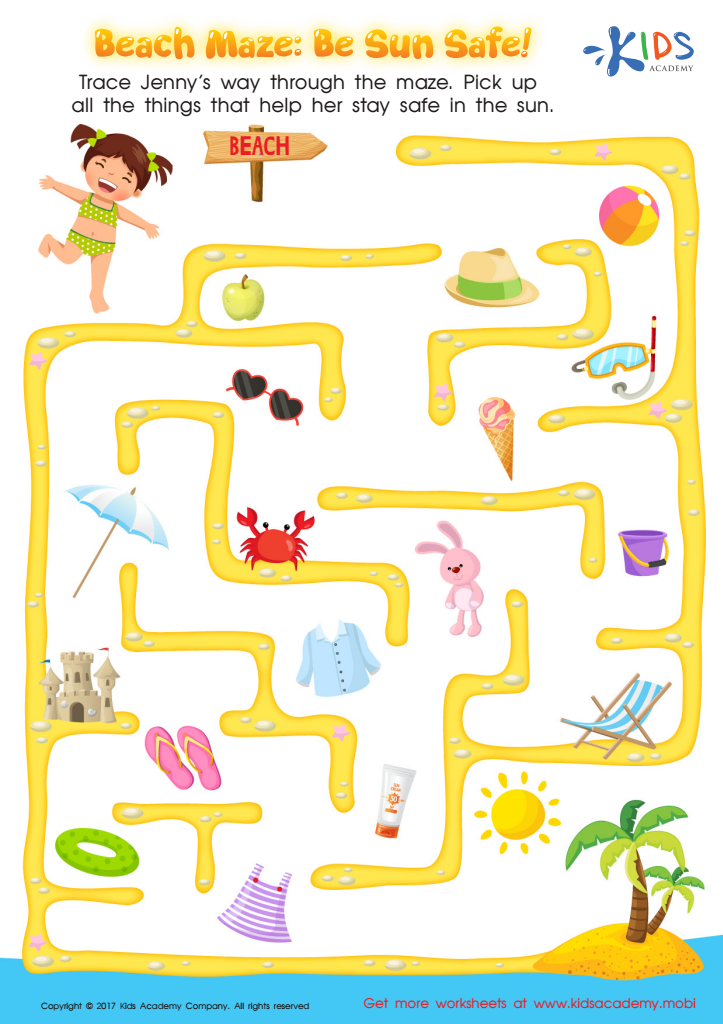
Beach Maze: Sun Safe Worksheet
Let's have fun in the sun! Use this worksheet to help guide your child - Jenny - through the maze and find the items she needs to stay safe. Your child will learn more about sun safety while they think through the maze and protect their skin.
Beach Maze: Sun Safe Worksheet
Worksheet
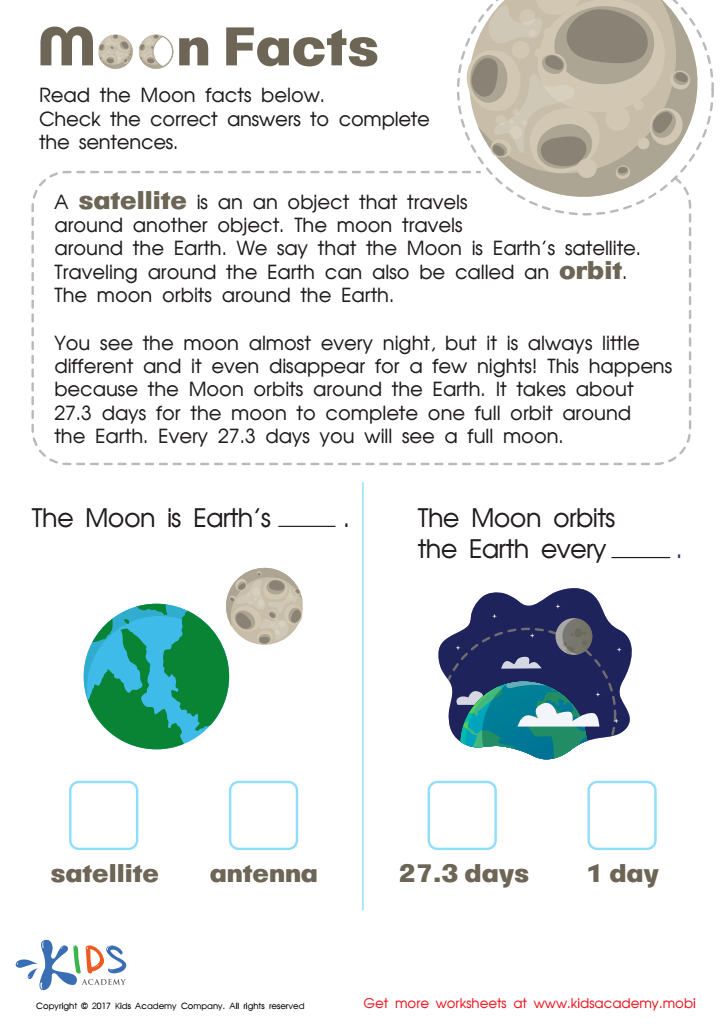
Moon Facts Worksheet
This worksheet challenges your child's reading comprehension. They'll learn all about satellites and the moon's orbit, observing the moon's fascinating phases!
Moon Facts Worksheet
Worksheet
Join Kids Academy for Free
Who is primarily going to use this learning content?





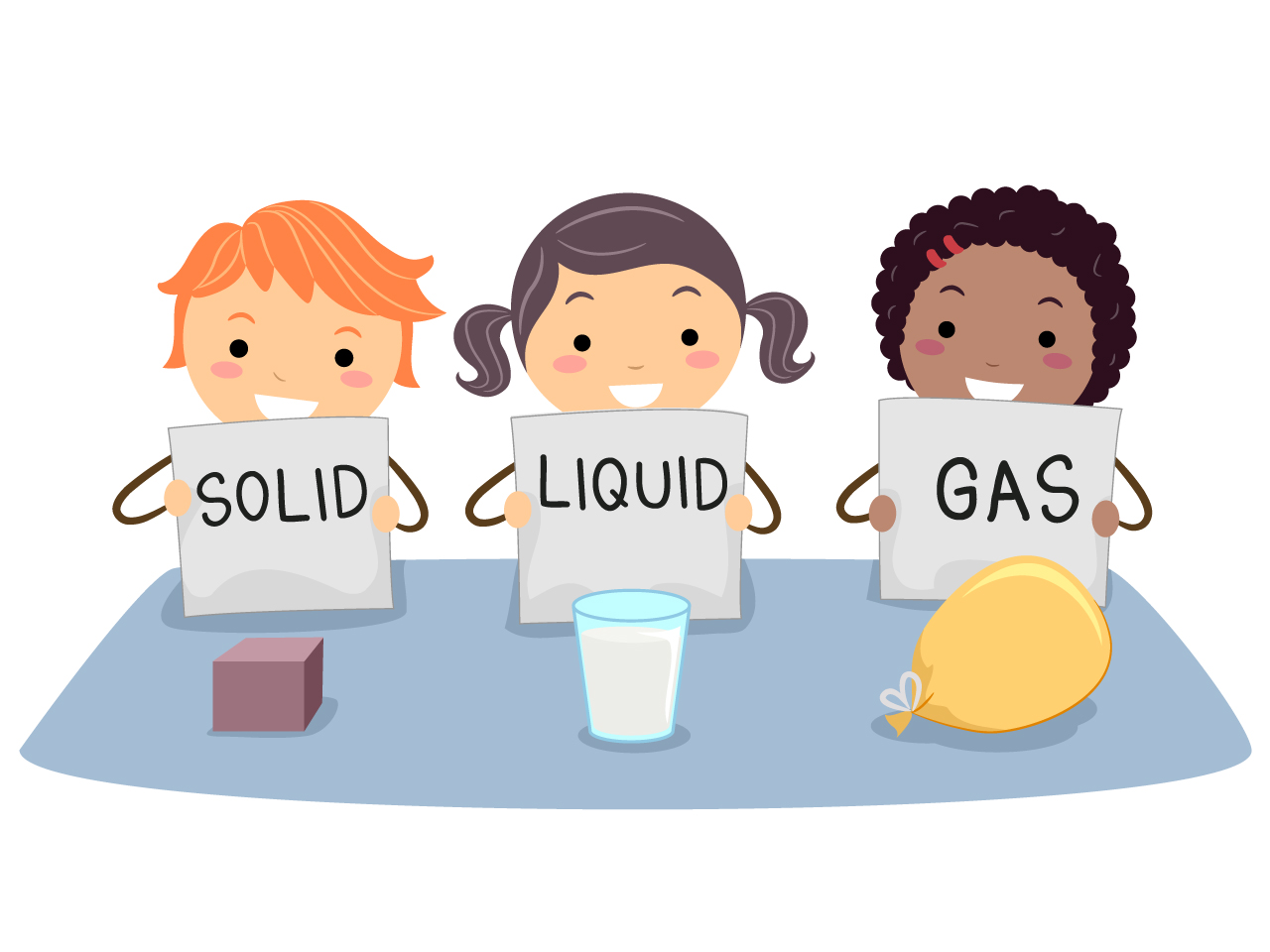
Vocabulary development is crucial in Grade 2 Science, as it lays the foundation for students' understanding of complex concepts and critical thinking skills. At this stage, children are making connections between words and the scientific ideas they represent. A rich vocabulary enhances their ability to comprehend and articulate scientific phenomena, encouraging curiosity and inquiry.
For parents and teachers, fostering vocabulary development means promoting effective communication, which is essential in learning environments. When students can accurately express their thoughts about topics like ecosystems, weather, or simple machines, they are more likely to engage in discussions, ask questions, and seek answers. This engagement is key to deepening their scientific understanding and motivating further exploration.
Moreover, a strong vocabulary can improve reading comprehension, enabling students to access a wider range of texts and resources. As they encounter new terms and phrases in science, they develop not only language skills but also critical thinking and problem-solving abilities. When parents and teachers prioritize vocabulary in science instruction, they equip students with the necessary tools to explore the world around them, fostering a lifelong interest in learning and discovery. Ultimately, vocabulary development is integral to children's overall academic success and personal growth within the classroom and beyond.