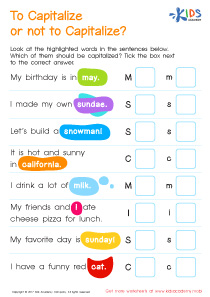
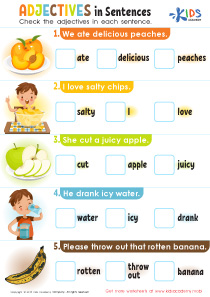
Vocabulary development Normal Grade 2 Writing Worksheets
3 filtered results
-
From - To
Boost your second graders' vocabulary skills with our engaging Vocabulary Development Writing Worksheets! Designed for young learners, these meticulously crafted printables combine fun and education, making vocabulary acquisition both enjoyable and effective. Each worksheet features diverse activities that help children learn new words, enhance their understanding of language, and develop writing proficiency. From fill-in-the-blank exercises to word association tasks, our resources encourage creative thinking and expand literacy skills. Ideal for classroom use or at-home practice, these worksheets are perfect for supporting your child's language development in an interactive way. Elevate learning today and watch your child's vocabulary flourish!
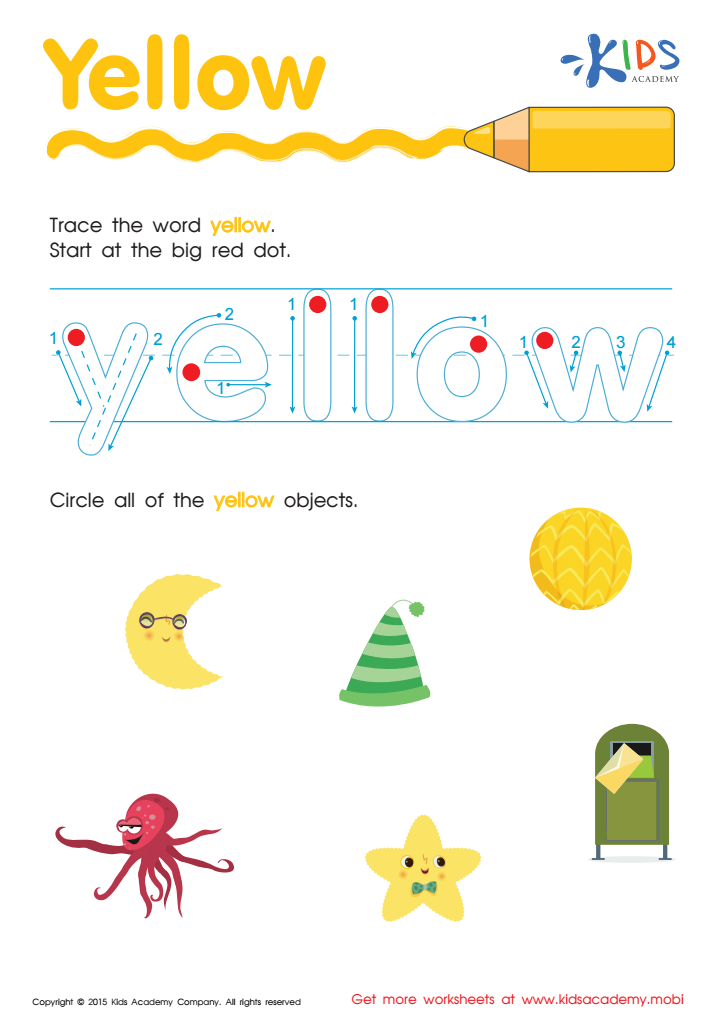
Yellow Tracing Color Words Worksheet
 Assign to My Students
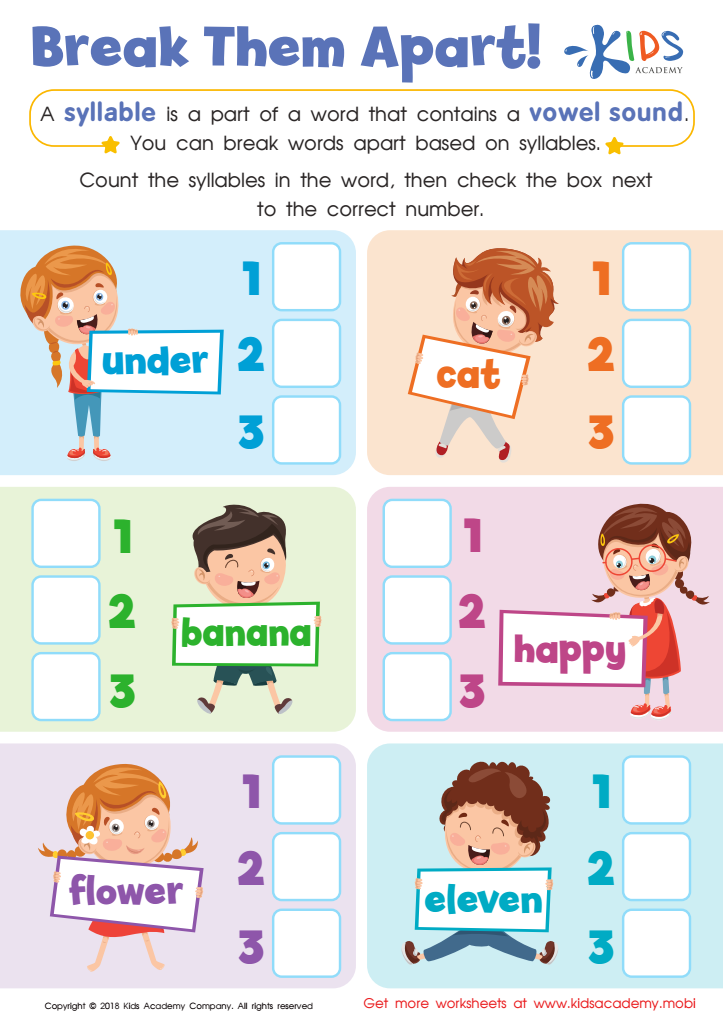
Reading: Break Them Apart Worksheet
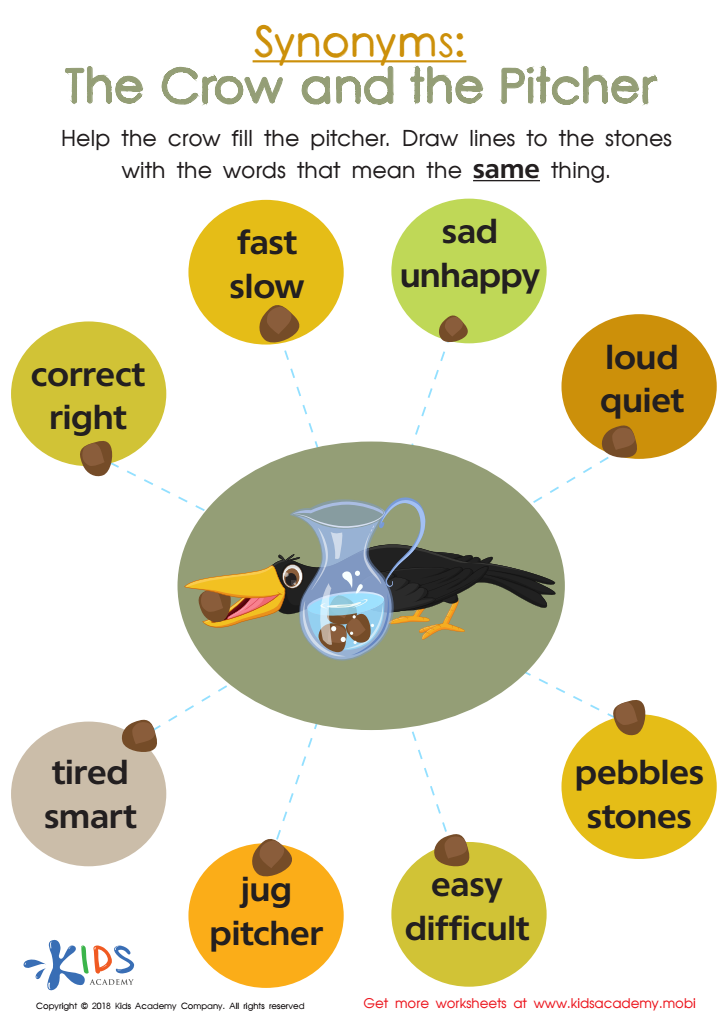
The Crow and the Pitcher Synonyms Worksheet







Vocabulary development is crucial for second graders as it forms the foundation for their reading, writing, and overall communication skills. At this stage, children's brains are growing rapidly, and they are eager to learn new words. A strong vocabulary enhances their ability to express thoughts, understand complex ideas, and participate in conversations, both at school and home.
When parents and teachers prioritize vocabulary development, they help children build confidence in their language skills. This increased vocabulary helps improve comprehension when reading, allowing them to engage with age-appropriate texts more effectively. A rich vocabulary also empowers children to articulate their emotions and needs, fostering better relationships with peers and adults.
By introducing diverse words through books, educational games, and daily conversations, parents and teachers can ensure that children are equipped for academic success. This investment not only supports language acquisition but also enhances critical thinking and creativity. Furthermore, a solid vocabulary lays the groundwork for future learning across all subjects. In summary, focusing on vocabulary development at this critical age will influence children's academic journey and everyday interactions, making it essential for both parents and educators to engage in this vital aspect of development.