Building vocabulary Normal Social Studies Worksheets
3 filtered results
-
From - To
"Building Vocabulary Normal Social Studies Worksheets" by Kids Academy offers engaging, printable materials designed to enhance students' vocabulary skills while exploring social studies. These worksheets provide various activities that foster critical thinking and comprehension, catering to different learning styles. By incorporating reading passages, word matches, and picture dictionaries, children can expand their word knowledge in historical, cultural, and societal contexts. Perfect for early-grade teachers and parents, the worksheets integrate academic rigor with interactive learning, making vocabulary acquisition both effective and enjoyable. Enhance your classroom or home learning environment with these dynamic resources from Kids Academy.
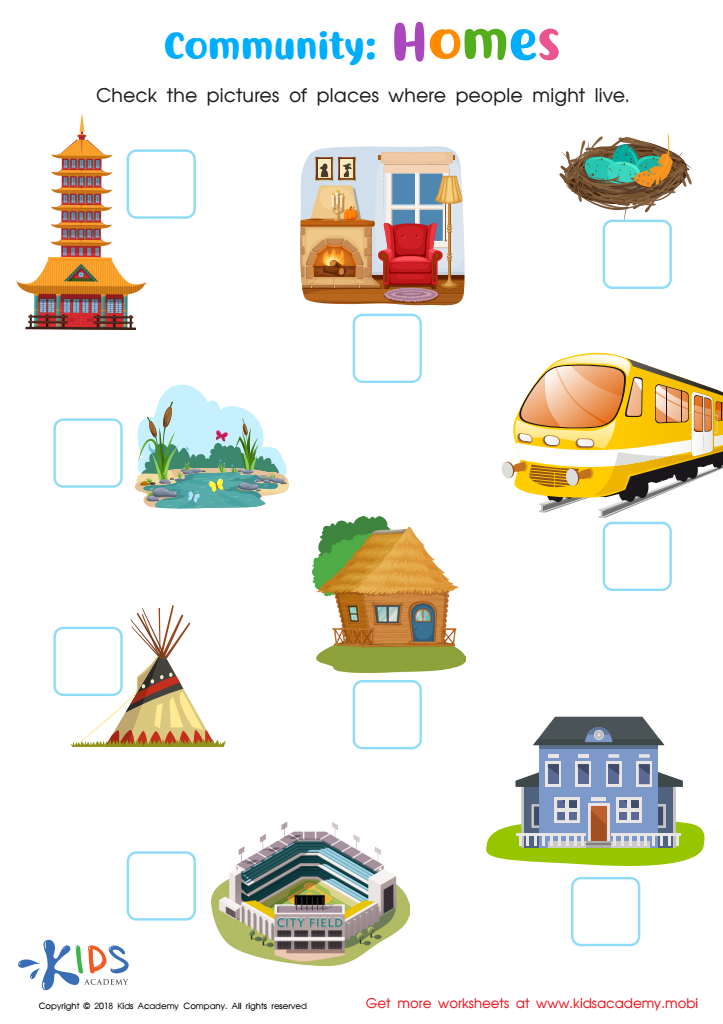
Community: Homes Worksheet
 Assign to My Students
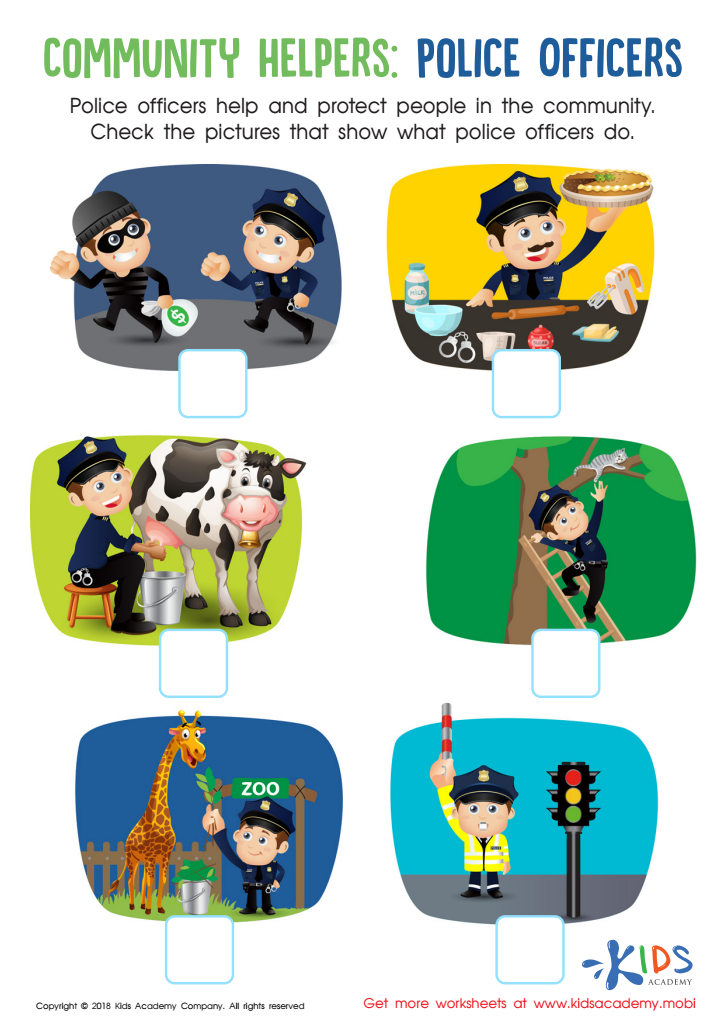
Police Officers Community Helpers Worksheet
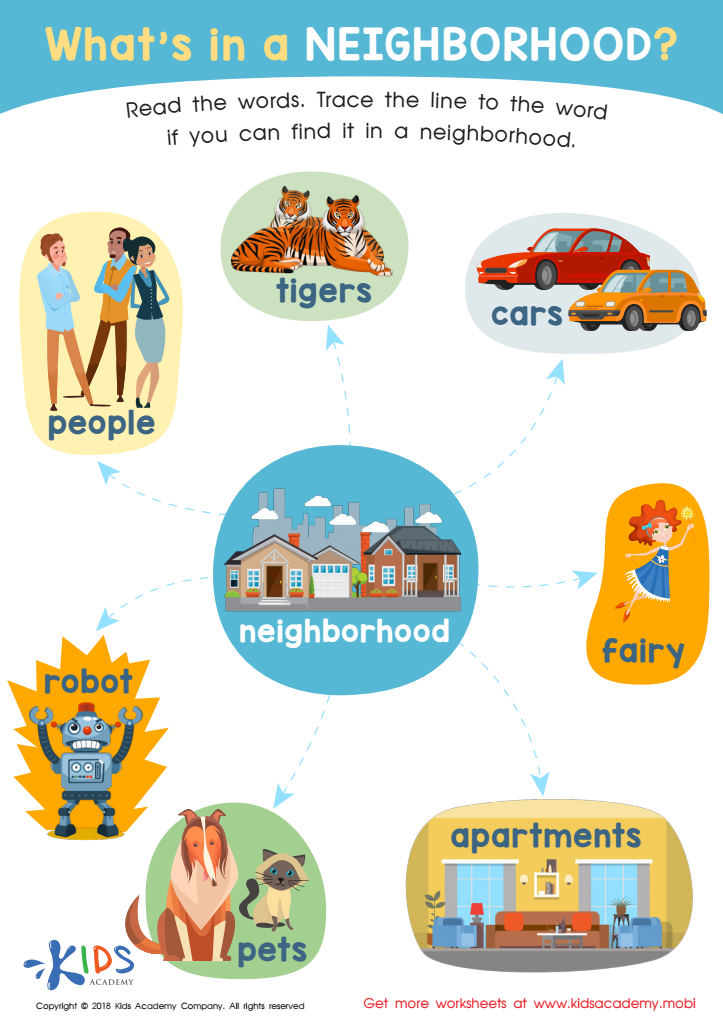
What's in a Neighborhood? Worksheet







Building vocabulary in social studies is crucial for developing foundational knowledge in young learners that applies across many aspects of their education and life. For parents and teachers, emphasizing vocabulary helps children grasp key concepts, fostering better comprehension of topics such as history, geography, and civics. A robust social studies vocabulary empowers students to understand and discuss complex subjects, enhancing their critical thinking skills.
For instance, knowing terms like "democracy," "culture," and "economy" enables students to engage in meaningful conversations about societal structures. This lexical foundation also aids in understanding written content, leading to improved reading comprehension and more effective communication skills.
Beyond academic performance, strong social studies vocabulary helps children become informed citizens. Knowing terms related to government, cultural diversity, and social systems boosts their ability to participate in civic activities and understand current events. This awareness is essential in fostering responsible, empathetic, and globally-aware individuals.
Ultimately, a strong focus on vocabulary enriches students' overall learning experience. Parents and teachers play a crucial role in implementing intentional vocabulary-building strategies, such as using specific terms in context, encouraging reading, and facilitating discussions. This investment pays dividends, equipping students with tools they need for academic success and active participation in society.