
Counting skills Normal Social Studies Worksheets
3 filtered results
Difficulty Level
Grade
Age
-
From - To
Subject
Activity
Standards
Enhance your child’s early learning with our Counting Skills Normal Social Studies Worksheets. Curated for young minds, these printable resources integrate fundamental counting exercises within engaging social studies contexts. Students will explore numbers, develop critical thinking, and learn about communities, landmarks, and traditions, all while improving their counting skills. Perfectly designed to align with educational standards, these worksheets offer fun and interactive activities that support academic growth and curiosity about the world. Encourage your child’s journey in both math and social understanding with our comprehensive collection, making learning both delightful and educational. Printable and accessible for all early learners.
Favorites
With answer key
Interactive
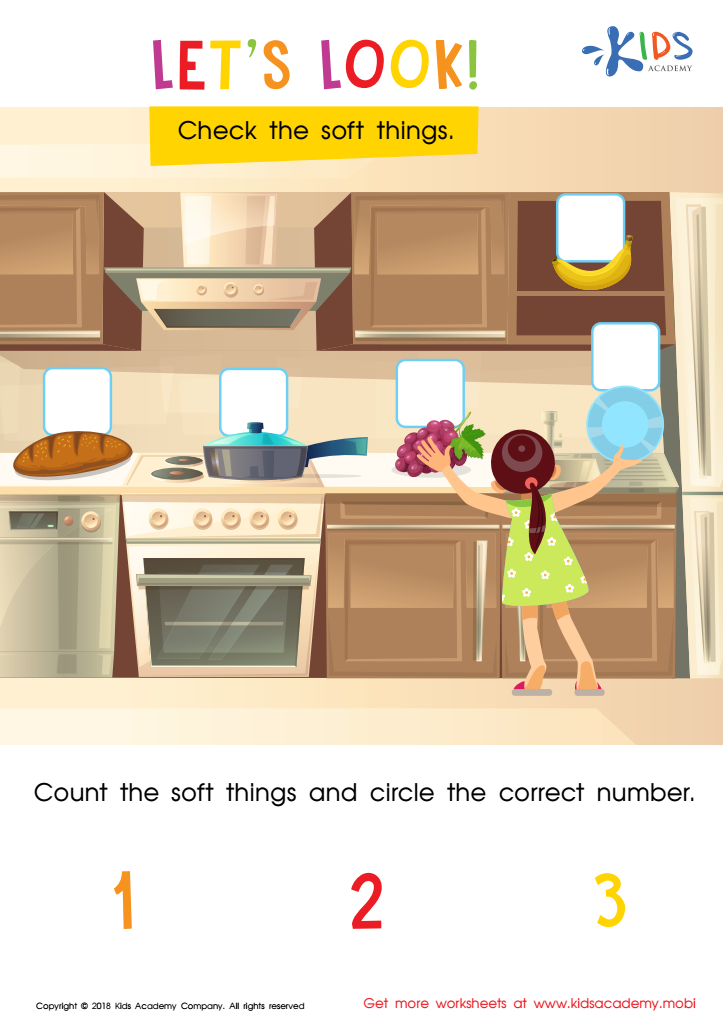
Let's Look! Assessment Worksheet
Have your child look at the picture in the printout and name the objects. Ask which ones are soft and hard and have them count the soft objects and circle the number. This worksheet will engage your child's thinking and teach them about texture.
 Assign to My Students
Let's Look! Assessment Worksheet
Worksheet
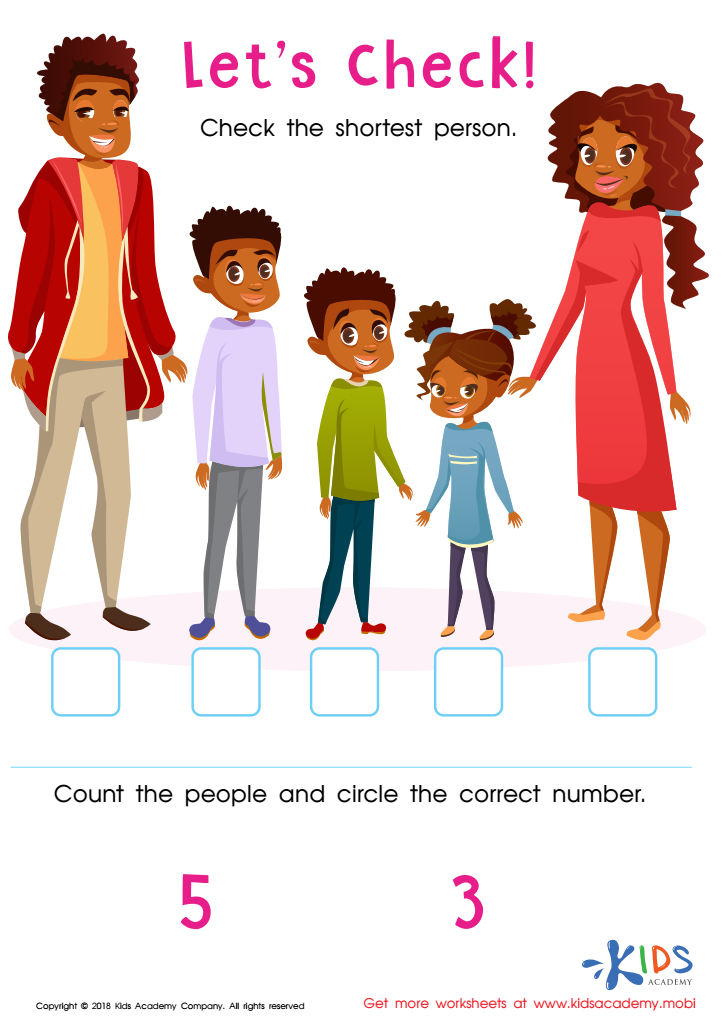
Let's Check! Assessment Worksheet
Check your child's understanding of height with this worksheet. Ask them to sort the objects in order of size and identify the tallest and shortest member of the family in the picture. See if they can correctly arrange the items from tallest to shortest.
Let's Check! Assessment Worksheet
Worksheet
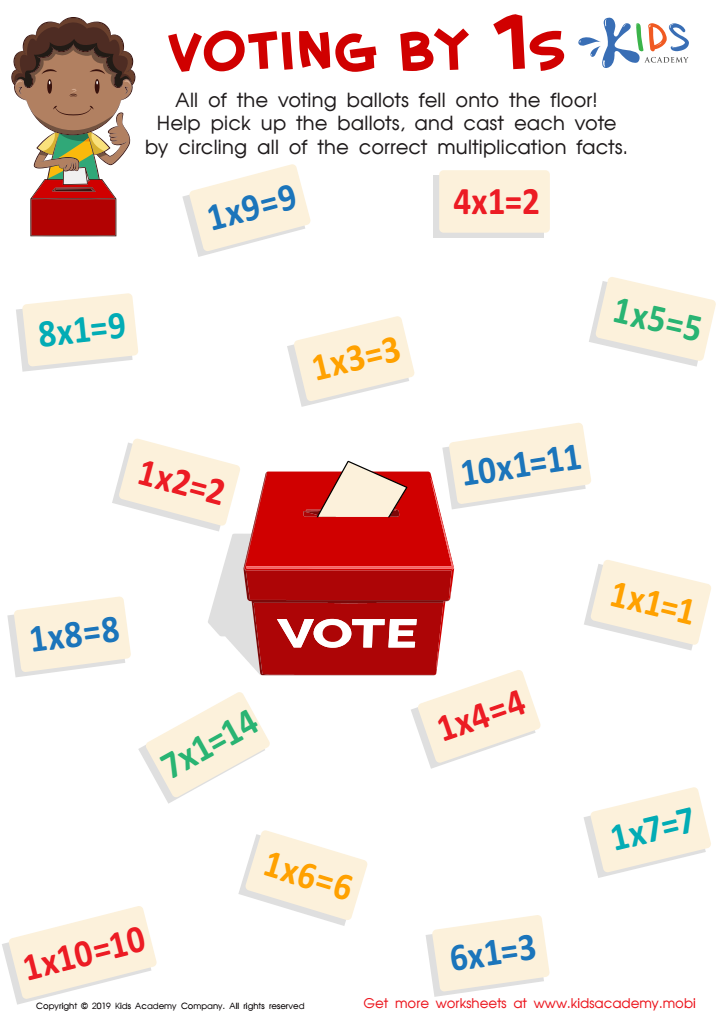
Voting by 1s Worksheet
Ask your child if they can list duties of a good citizen. These include voting, to elect right leaders. With this worksheet, the voting ballots have fallen to the floor! Help your kids pick them up and cast each vote by circling the correct multiplication facts.
Voting by 1s Worksheet
Worksheet
Join Kids Academy for Free
Who is primarily going to use this learning content?


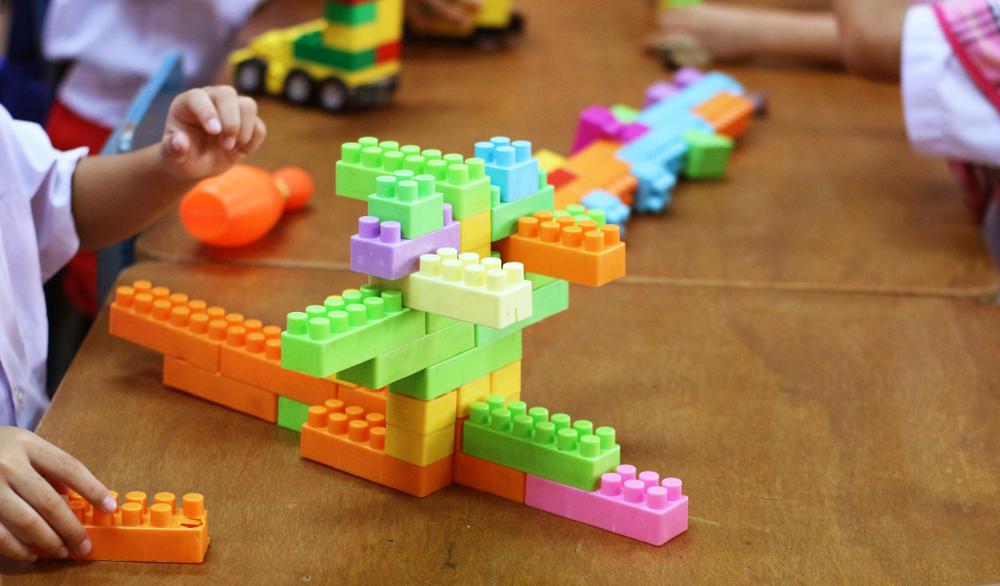





Counting skills play a fundamental role in a child's early academic development and overall intellectual growth. Both parents and teachers should prioritize these skills to help build a solid mathematical foundation. Counting is often a child's first introduction to numeracy, teaching them the principles of order, quantity, and sequence, which are essential for more advanced mathematical concepts.
When children master counting skills, they gain confidence and enthusiasm towards learning that spills over into other subject areas, including social studies. In social studies, for instance, basic counting skills are crucial for understanding timelines, quantities in historical data, and even everyday tasks like reading maps which often involve distances and measurements.
Moreover, learning to count supports cognitive development by enhancing problem-solving, critical thinking, and fine motor skills (through activities like counting beads or other objects). Furthermore, counting can boost social skills, as children often engage in group counting exercises, promoting teamwork and communication.
For parents, incorporating counting in daily routines — like counting steps, cookies during baking, or even toys — transforms regular activities into learning opportunities. For teachers, integrating counting with fun and interactive methods can make learning an engaging experience.
Ultimately, counting skills create a ripple effect, positively influencing broader academic performance and social behaviors, which underscores the essential role parents and teachers play in fostering these fundamental abilities.








