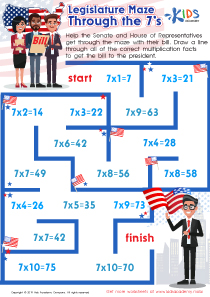
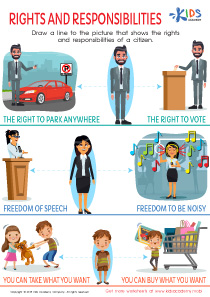
Logical Reasoning Normal Social Studies Worksheets
4 filtered results
-
From - To
Our "Logical Reasoning Normal Social Studies Worksheets" are designed to enhance critical thinking and problem-solving skills in young learners. These engaging worksheets help children develop the ability to analyze information, identify patterns, and make informed decisions, laying a strong foundation for future academic success. Each activity is carefully crafted to combine fun with educational rigor, making learning enjoyable. Suitable for various educational standards, these worksheets cover key social studies topics while challenging students to think logically. Perfect for classroom or home use, our worksheets inspire children to become independent thinkers, preparing them for real-world challenges.
 Assign to My Students
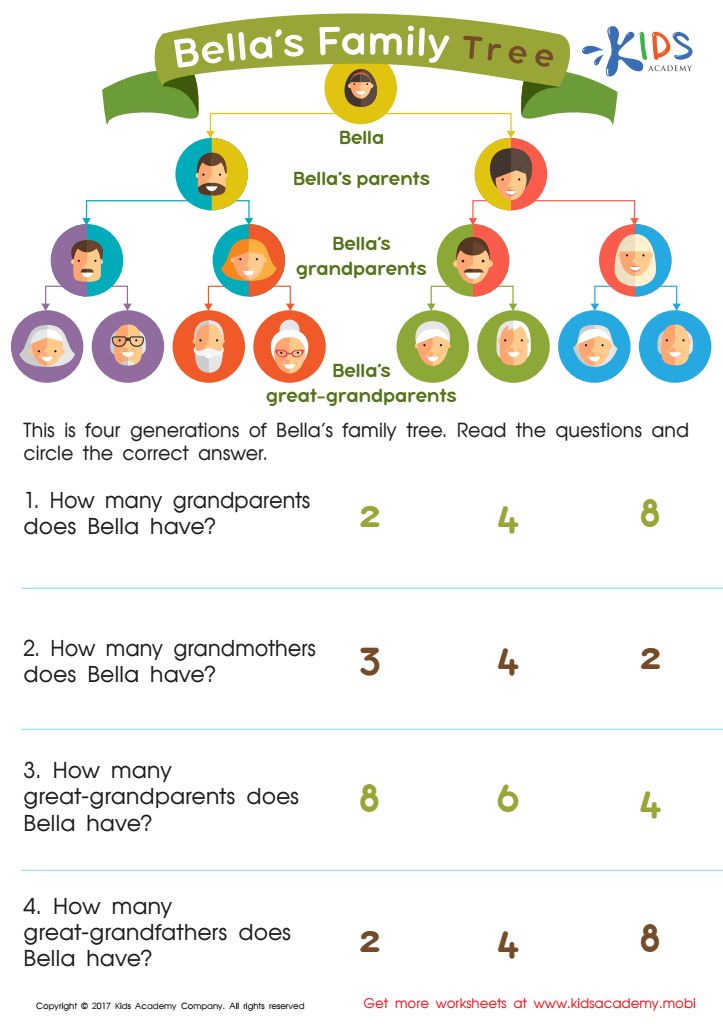
Bella's Family Tree Worksheet
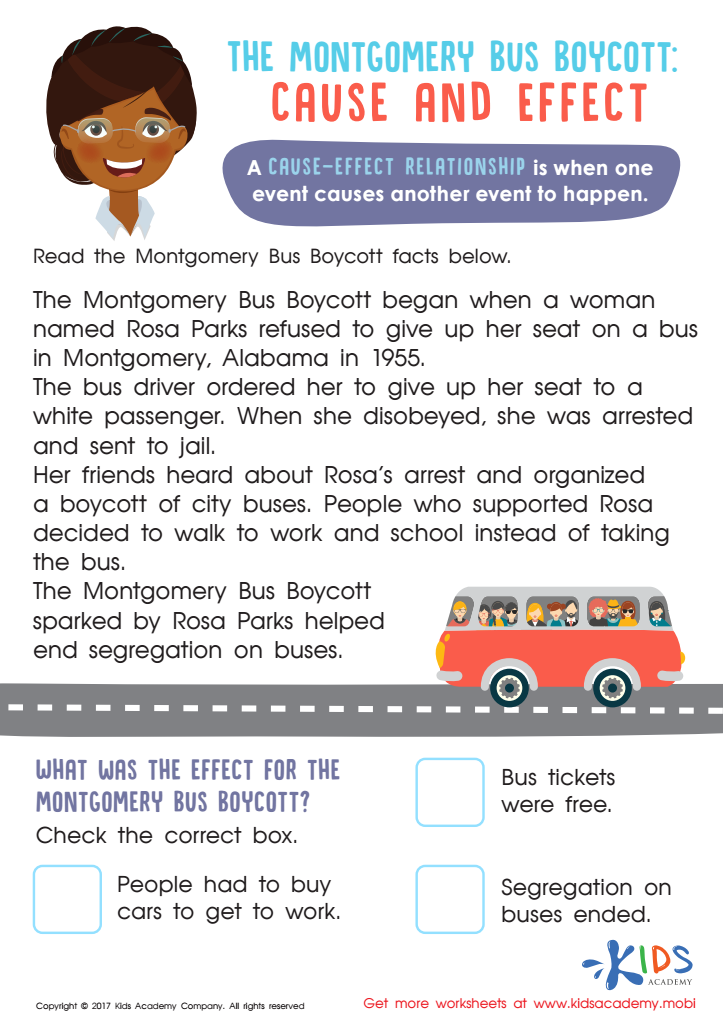
The Montgomery Bus Boycott Cause and Effect Worksheet
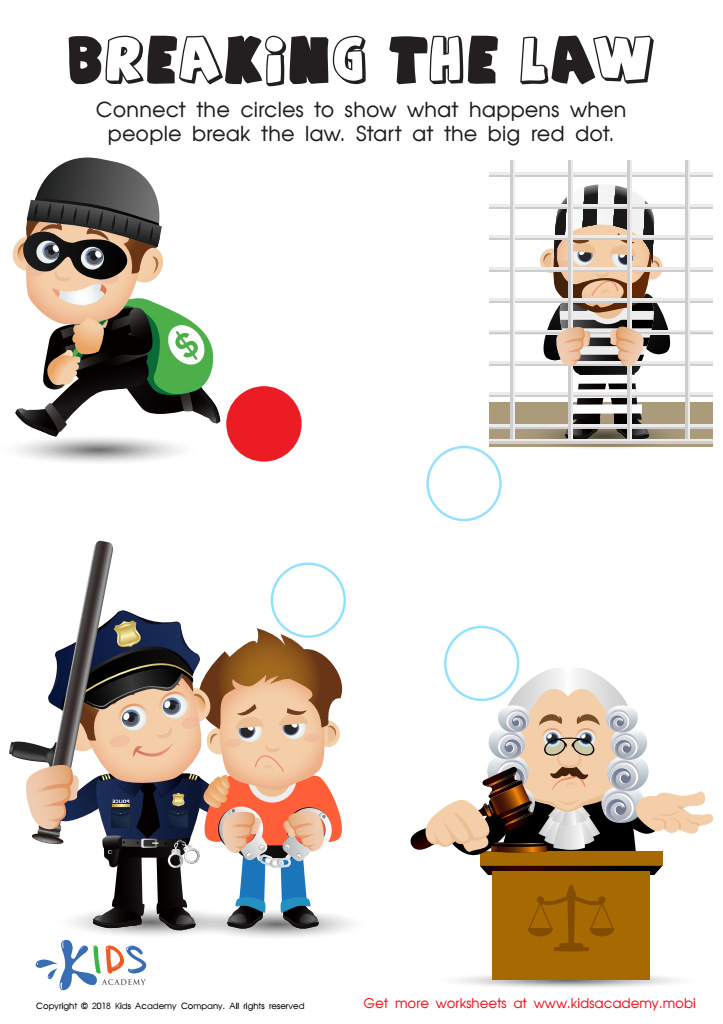
Breaking the Law Worksheet






.jpg)

Parents and teachers should care deeply about fostering logical reasoning within the context of normal social studies because it equips children with essential critical thinking and problem-solving skills crucial for their overall development and future success. Logical reasoning helps students analyze information, make connections between concepts, and construct well-grounded arguments. In social studies, this skill enables them to interpret historical events, understand governmental systems, and appreciate diverse cultures with greater depth and accuracy.
Understanding the cause-and-effect relationships in historical, economic, and social contexts helps children make informed decisions and understand the complexities of the world they live in. It also fosters empathy and awareness, which are vital for responsible citizenship. With logical reasoning, students will be able to critically evaluate sources of information, a critical skill in today’s digital age filled with misinformation and varying perspectives.
Moreover, strong logical reasoning skills contribute to better performance in standardized tests and academics overall, as these skills are foundational to mastering subjects beyond social studies, such as math and science. By prioritizing logical reasoning, parents and teachers help prepare children not just for academic achievement, but for thoughtful and informed participation in society. This holistic approach to education nurtures well-rounded, adept individuals ready to tackle real-world challenges.