Letter recognition Normal Grade 3 ABC Order Worksheets
8 filtered results
-
From - To
Discover our engaging Letter Recognition Normal Grade 3 ABC Order Worksheets! Designed to enhance students' understanding of the alphabet, these printable resources offer a fun and interactive approach to learning letter sequences. Each worksheet guides third graders in practicing letter recognition and improving their ability to arrange letters in alphabetical order. With a variety of activities tailored for different learning styles, students will develop essential skills in a playful yet educational environment. Perfect for classroom use or at home, these worksheets promote confidence and mastery in literacy. Dive into our collection today and support your child’s reading journey!

Letter P Tracing Page
 Assign to My Students
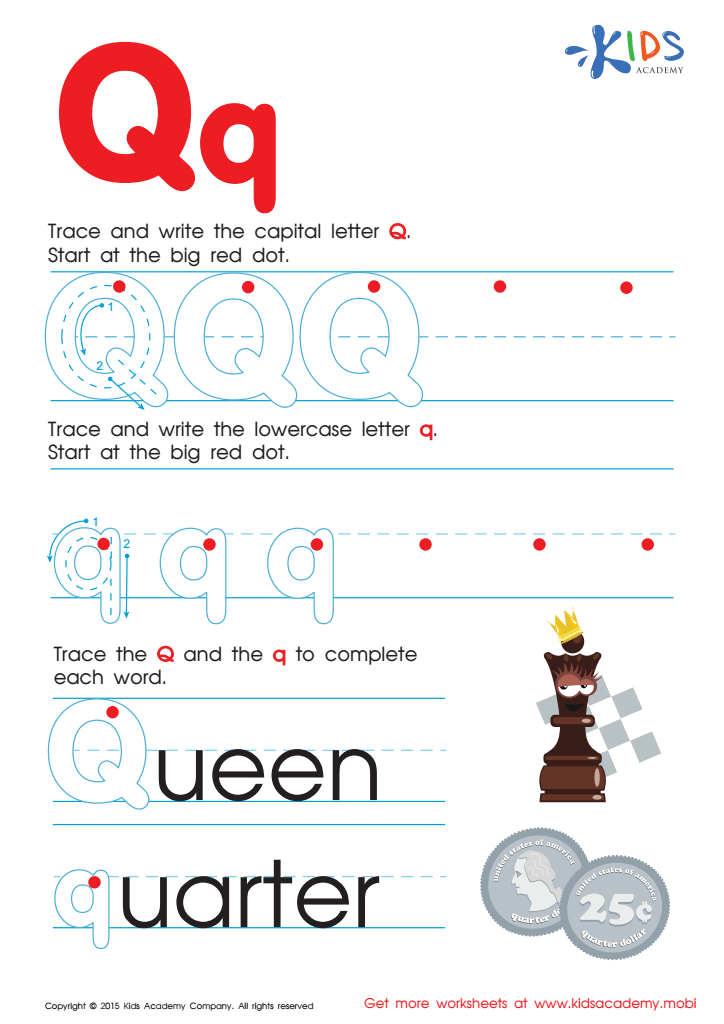
Letter Q Tracing Page

Letter H Tracing Page

Letter G Tracing Page
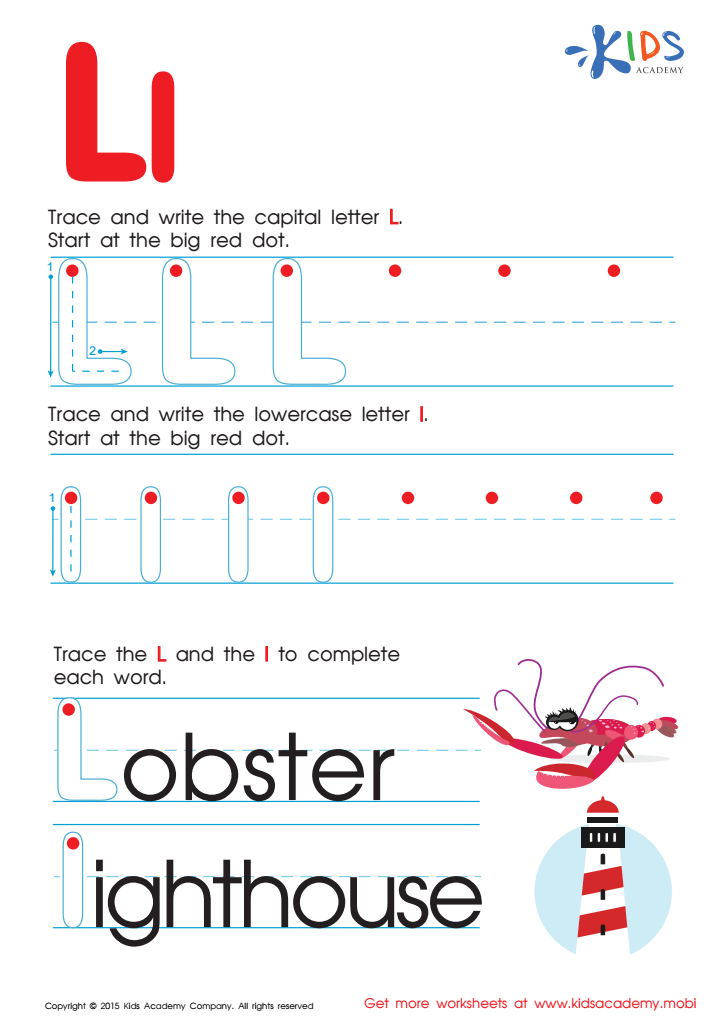
Letter L Tracing Page
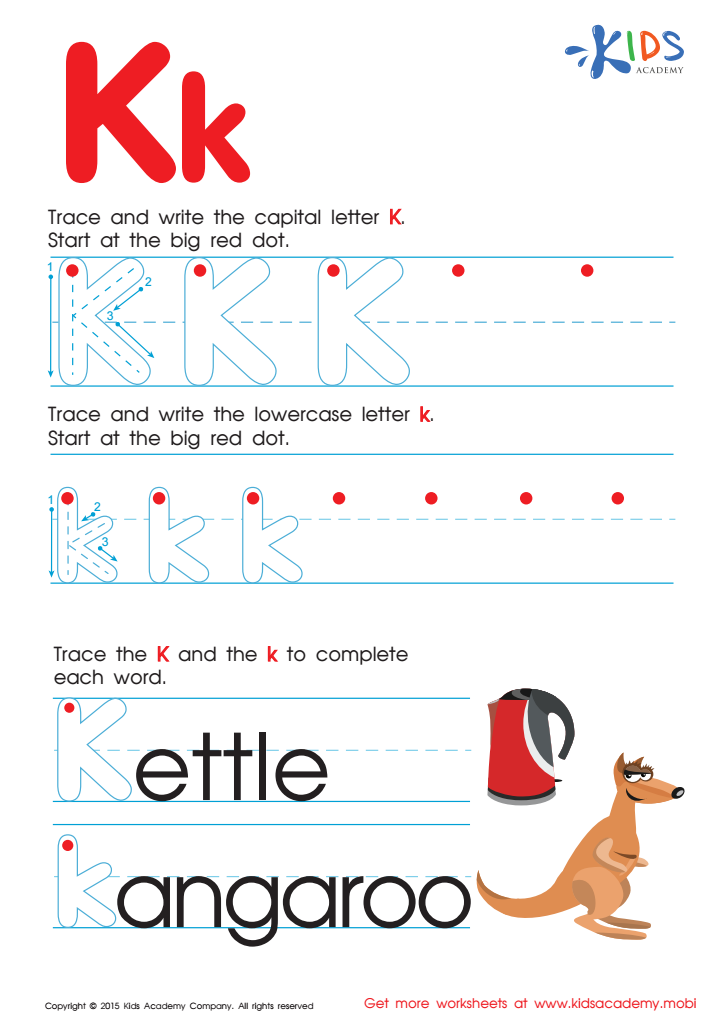
Letter K Tracing Page
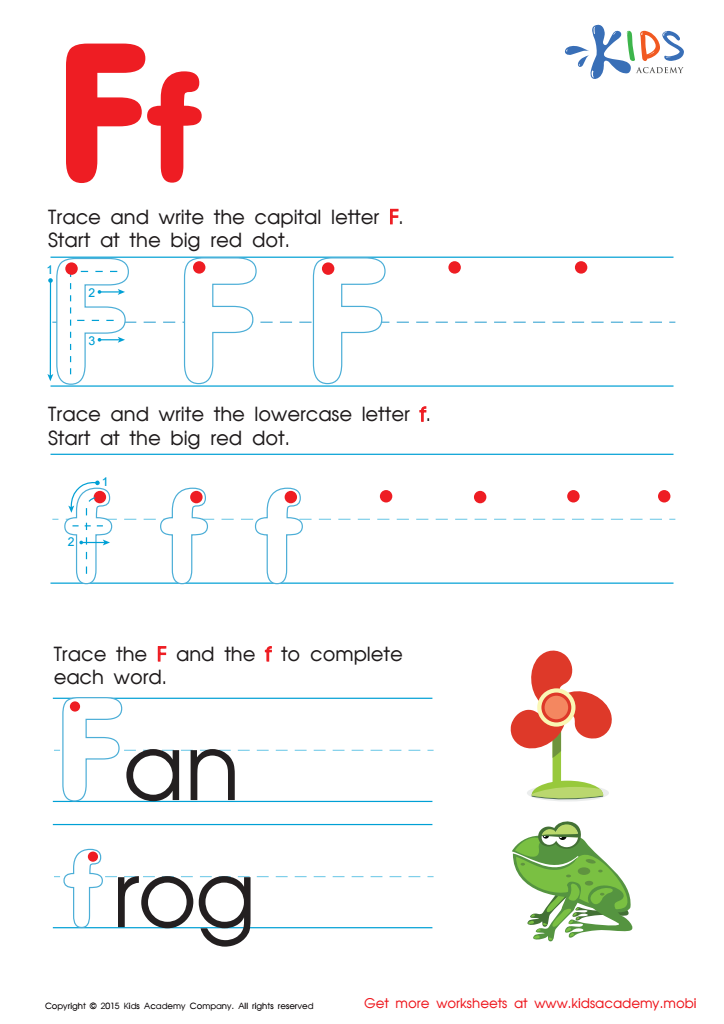
Letter F Tracing Page

Letter D Tracing Page



Letter recognition and understanding the ABC order are crucial foundations for literacy development in Grade 3 students. Parents and teachers should prioritize these skills because they significantly influence children's reading and writing abilities. Mastery of letter recognition allows children to identify words and sounds quickly, which enhances their comprehension and fluency. When children understand ABC order, they develop essential skills for organizing information, such as using dictionaries and indexes, which are important for academic success.
By engaging in activities that promote letter recognition and ABC order, educators intuitively foster a love for reading and learning. This mastery also aids in building vocabulary and spelling skills—essential tools for effective communication. Furthermore, when children are proficient in these areas, it boosts their confidence, making them more willing to participate in class discussions and reading activities.
Parents play a vital role by practicing these skills at home through fun games, reading together, or employing educational resources. By working collaboratively, educators and parents can support children’s literacy development effectively, ensuring they have the necessary tools to thrive in school and beyond. Encouraging these skills is imperative for setting students on a path to lifelong learning and academic achievement.