Word identification Normal Grade 3 Elementary Phonics Worksheets
3 filtered results
-
From - To
Discover our "Word Identification" worksheets designed specifically for 3rd graders to enhance their elementary phonics skills. These worksheets make learning fun and effective by engaging students with a variety of activities. Each worksheet focuses on helping students recognize, spell, and understand different words, contributing to a strong foundation in reading and language arts. Perfect for classroom or at-home learning, our materials are created by experts and comply with educational standards. Equip your young learners with the tools they need to boost their fluency and confidence in word identification. Start exploring and make phonics learning an exciting journey today!
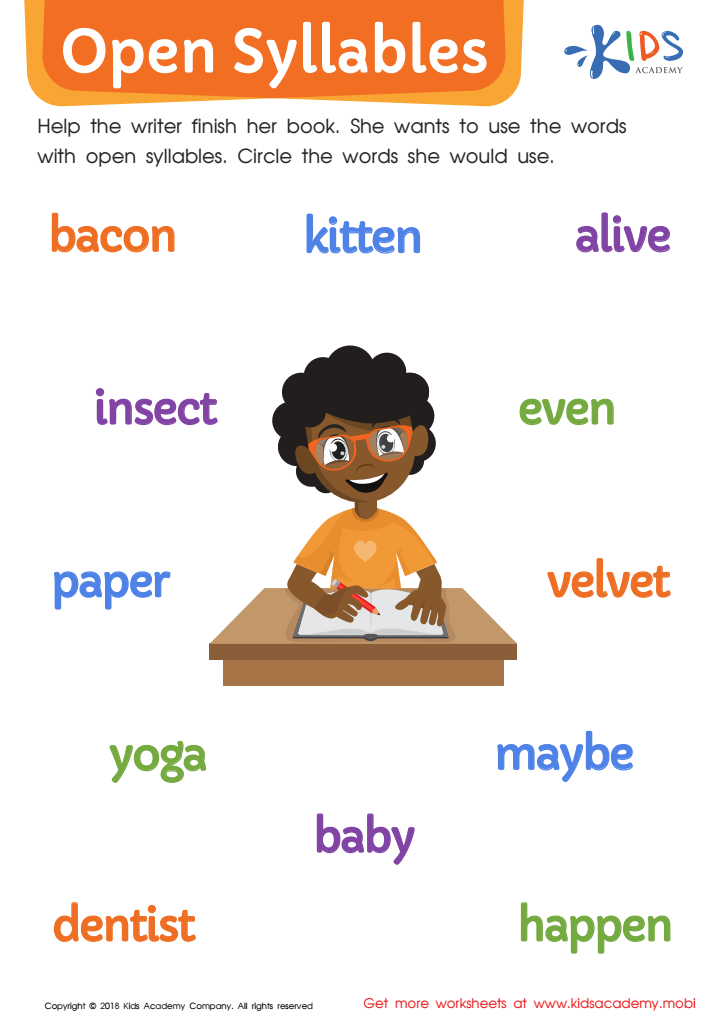
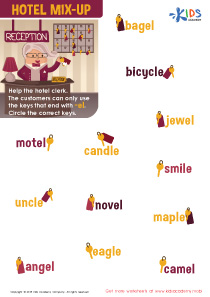
Open Syllables Worksheet
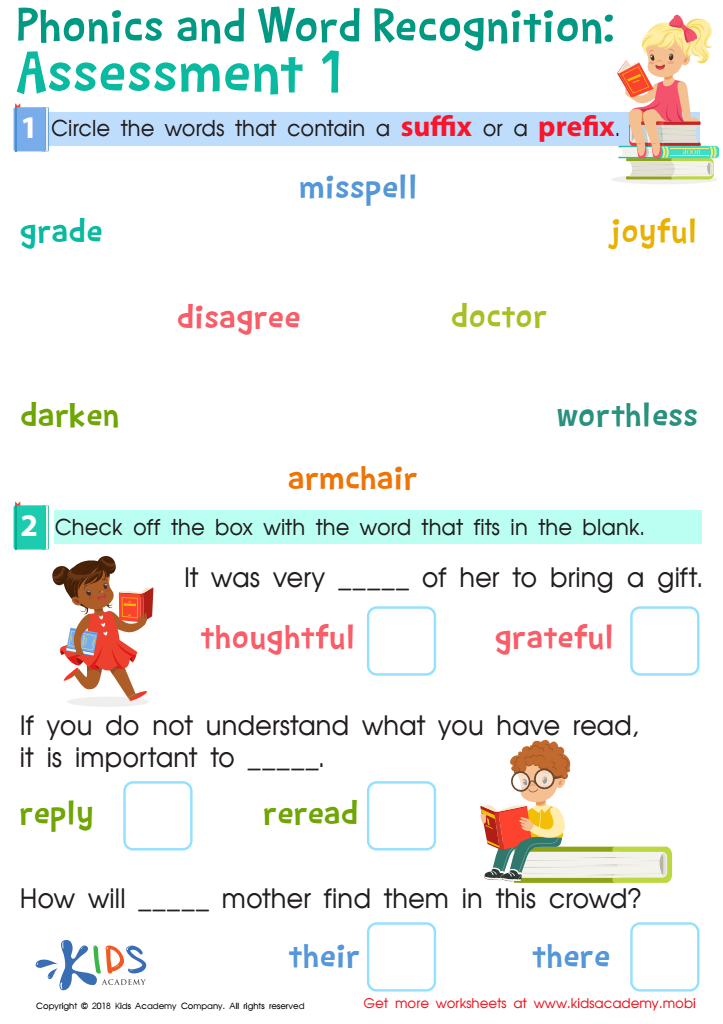
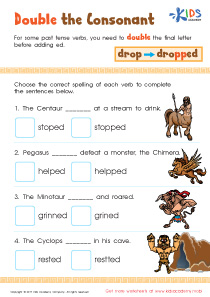
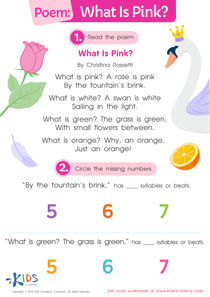
Phonics and Word Recognition: Assessment 1 Worksheet
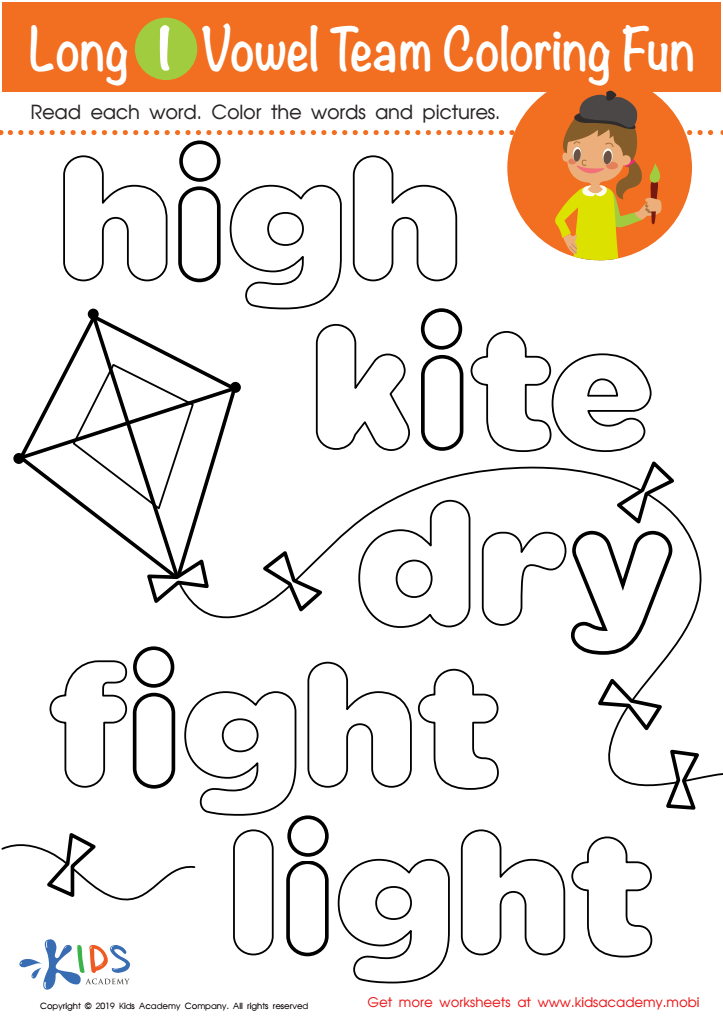
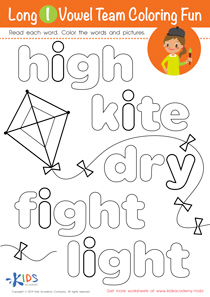
Long I Vowel Team Coloring Worksheet
 Assign to My Students



Word identification skills, particularly those reinforced through early-grade phonics, are crucial for Grade 3 students because they form the foundation for all future reading and learning endeavors. At this developmental stage, children transition from learning to read to reading to learn; hence, strong phonics skills are essential for their academic success and confidence.
Phonics helps students understand the relationship between letters and sounds, enabling them to decode unfamiliar words—a key aspect of reading fluency. Good fluency supports comprehension, as children who can read smoothly and quickly focus better on understanding the text rather than getting stuck on individual words. This skill is especially significant by Grade 3 when the complexity of text increases.
Parents and teachers who prioritize word identification and phonics lay a vital groundwork for children's literacy. Enhanced literacy skills lead to better performance across all subjects, fostering a positive attitude towards school. Moreover, strong reading skills are linked to better communication abilities and critical thinking, which are critical in both academic and everyday life.
Investing in phonics at this stage also helps identify and address any reading difficulties early on, ensuring that no child falls behind. Thus, incorporating phonics significantly influences children's overall educational trajectory and lifelong learning habits.