Spatial awareness Normal Grade 3 Worksheets
6 filtered results
-
From - To
Discover our carefully designed Grade 3 spatial awareness worksheets to help your child excel in their cognitive development. These engaging activities foster critical thinking and improve understanding of spatial relationships in a fun, educational way. Each worksheet introduces essential concepts such as shapes, patterns, and symmetry, making learning enjoyable and effective. Our resources are created by education experts to align with third-grade learning standards, ensuring your child develops strong foundational skills. Perfect for both homeschooling and classroom use, the worksheets are an excellent addition to your teaching toolkit. Boost your child's spatial intelligence today with our comprehensive collection!
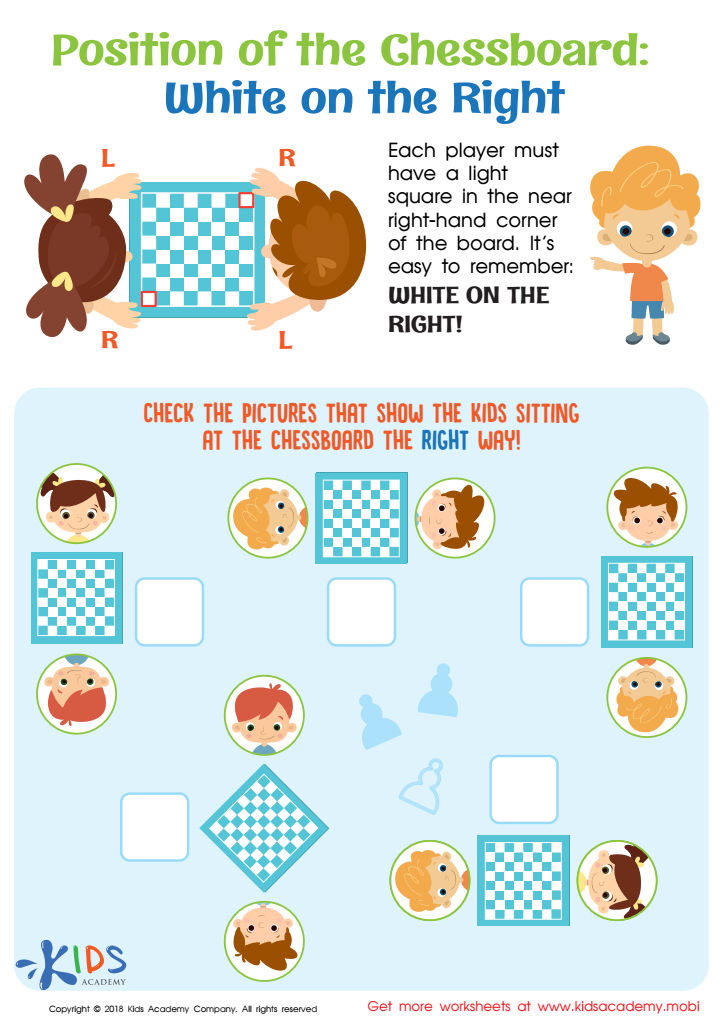
Position of the Chessboard: White on the Right Worksheet
 Assign to My Students
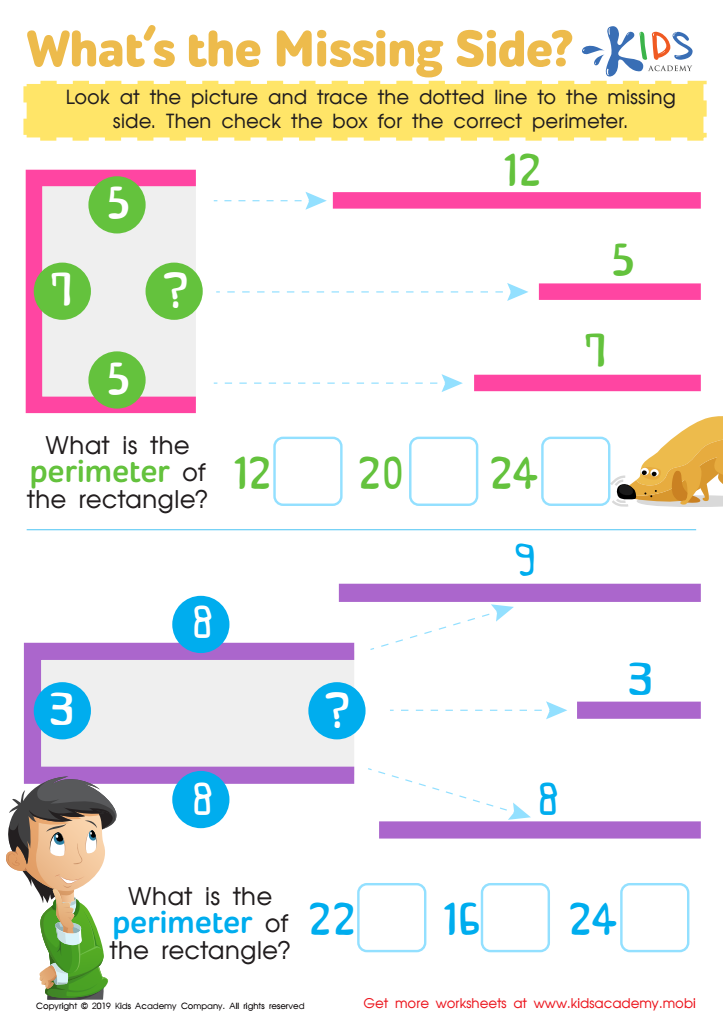
What's the Missing Side Worksheet
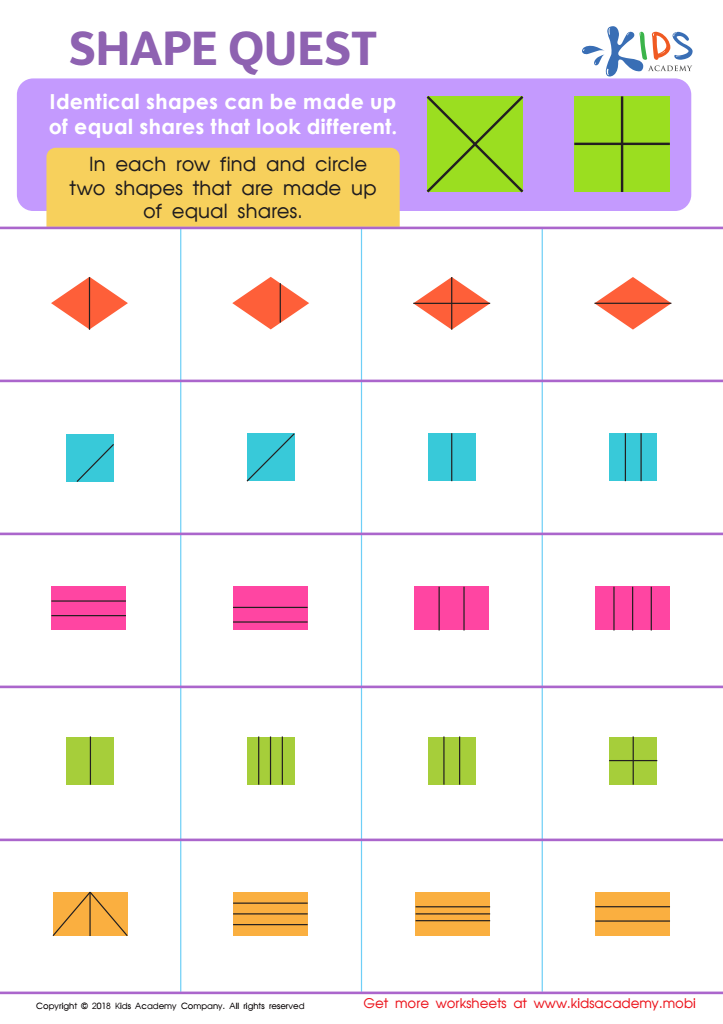
Shape Quest Worksheet
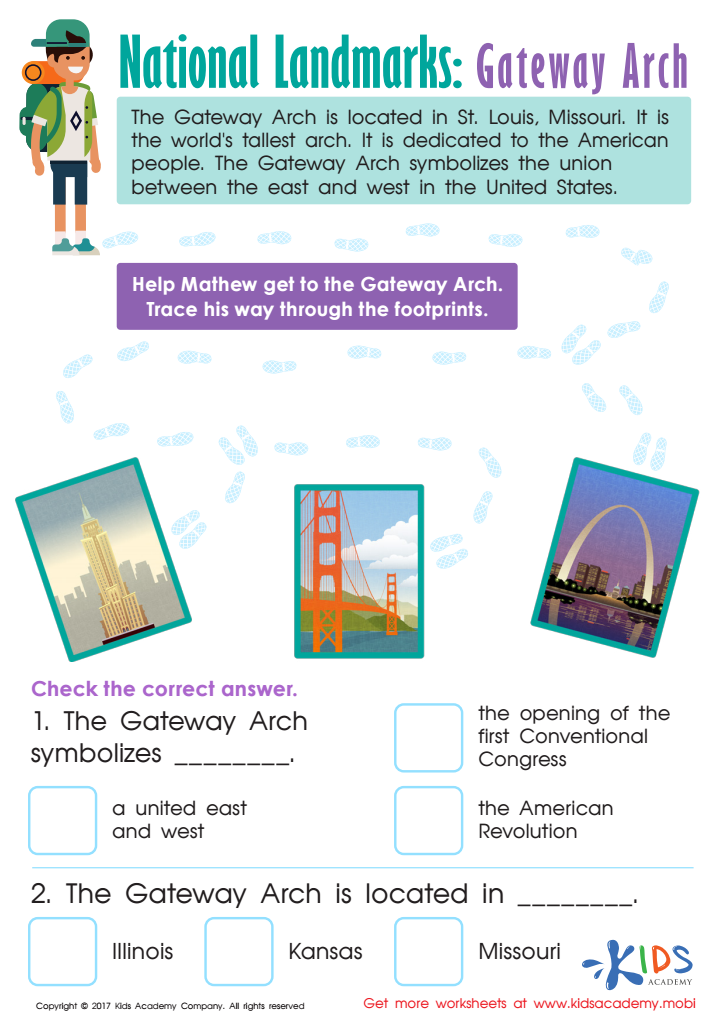
Gateway Arch Printable Worksheet
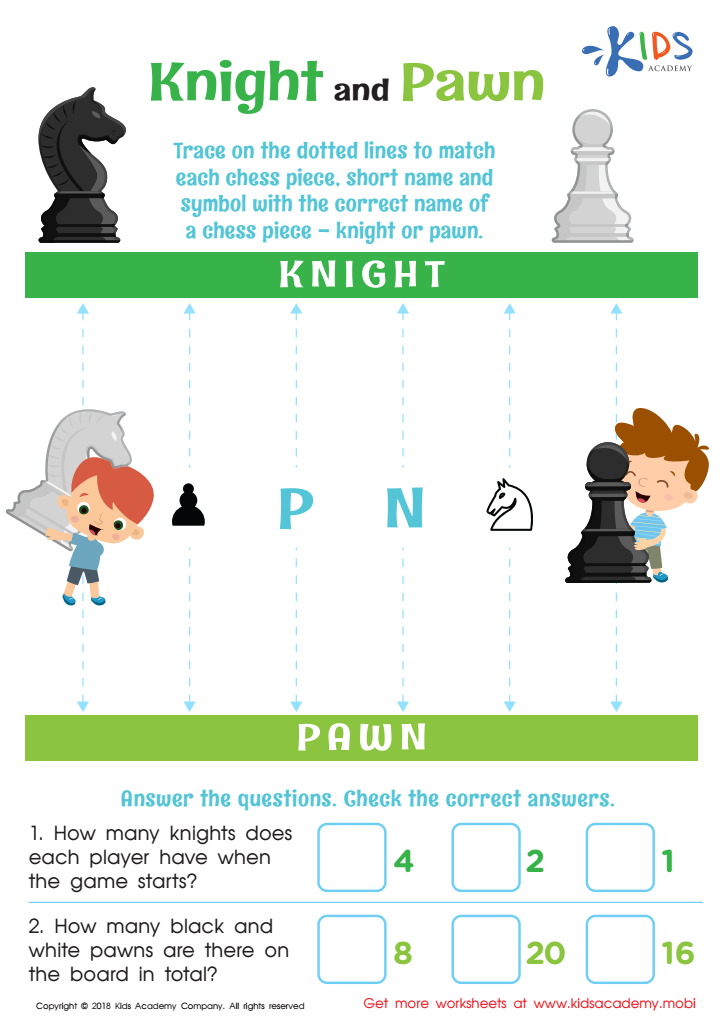
Knight and Pawn Worksheet
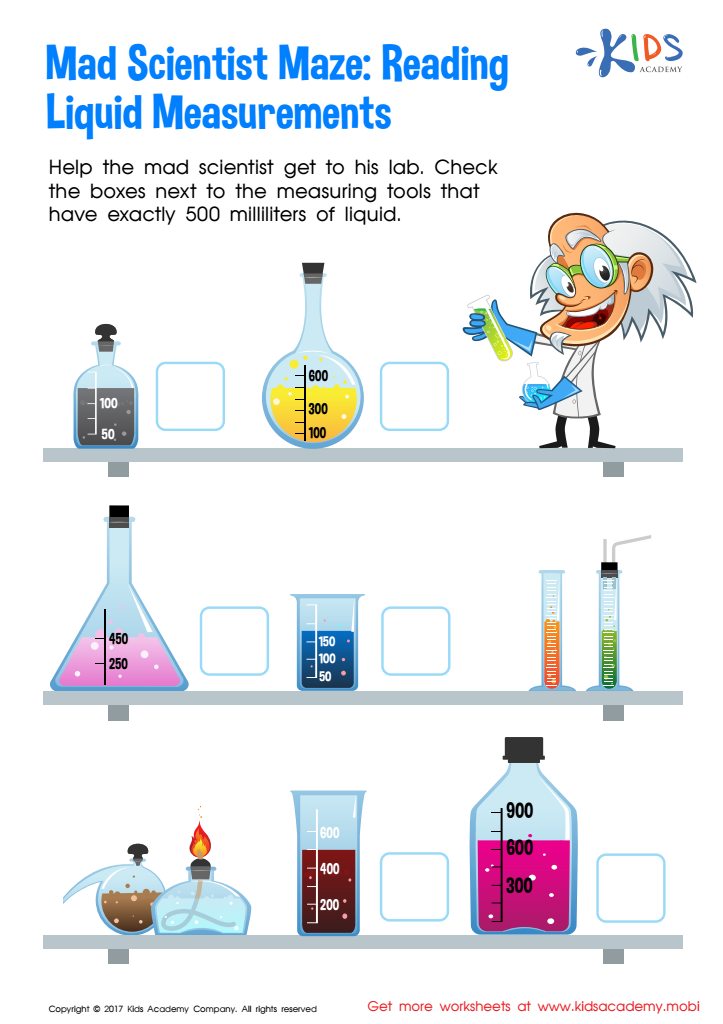
Reading Liquid Measurement Worksheet







Spatial awareness is a crucial cognitive skill that helps children understand the relationship between themselves and the objects in their environment. For Grade 3 students, developing strong spatial awareness is essential for several reasons that affect their learning and overall development.
Firstly, spatial skills are foundational for success in mathematics, particularly geometry. Recognizing shapes, understanding their properties, and grasping concepts of symmetry and spatial reasoning all stem from spatial awareness. These skills are not only part of the Grade 3 curriculum but play a role in advanced mathematical concepts later in life.
Secondly, spatial awareness influences reading and writing abilities. Understanding how letters and words fit together on a page improves both handwriting and reading comprehension. This awareness aids in tasks such as letter spacing and aligning their work correctly in written contexts.
Furthermore, spatial awareness is vital for physical activities and overall motor development. It helps children judge distances, navigate spaces during physical education, and participate effectively in sports and games, which are critical for physical health and social interaction.
Finally, fostering spatial awareness in Grade 3 can boost problem-solving skills and creative thinking. Children learn to visualize and manipulate objects in their mind, which is beneficial for various subjects and everyday problem-solving scenarios. Therefore, parents and teachers should prioritize activities and lessons that enhance spatial awareness, ensuring well-rounded growth and success in different facets of a child's life.