Visual Learning Normal Grade 3 Worksheets
3 filtered results
Difficulty Level
Grade
Age
-
From - To
Subject
Activity
Standards
Unlock your child's potential with our Visual Learning Normal Grade 3 Worksheets! Specially designed for third graders, these worksheets enhance learning through engaging visuals that make complex concepts easy to understand. Our carefully curated activities cover a range of topics, promoting critical thinking, problem-solving, and creativity. Whether it's math, reading, or science, every exercise is crafted to build essential skills while making learning fun and interactive. Perfect for in-class activities or additional practice at home, these worksheets are key to fostering academic success and a love for learning. Explore our collection today and watch your child soar!
Favorites
With answer key
Interactive
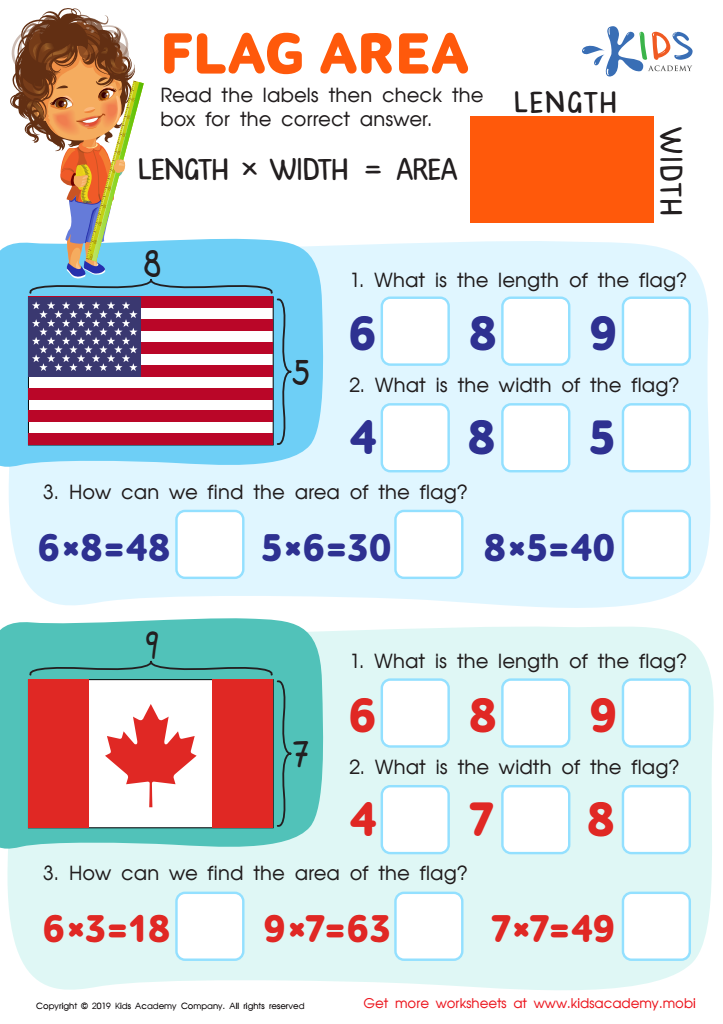
Flag Area Worksheet
Test your child's knowledge of flags by asking which ones they can identify in the image. Then, study the worksheet together. There are 6 questions with labels. Have them read each label and check the box for the correct answer.
 Assign to My Students
Flag Area Worksheet
Worksheet
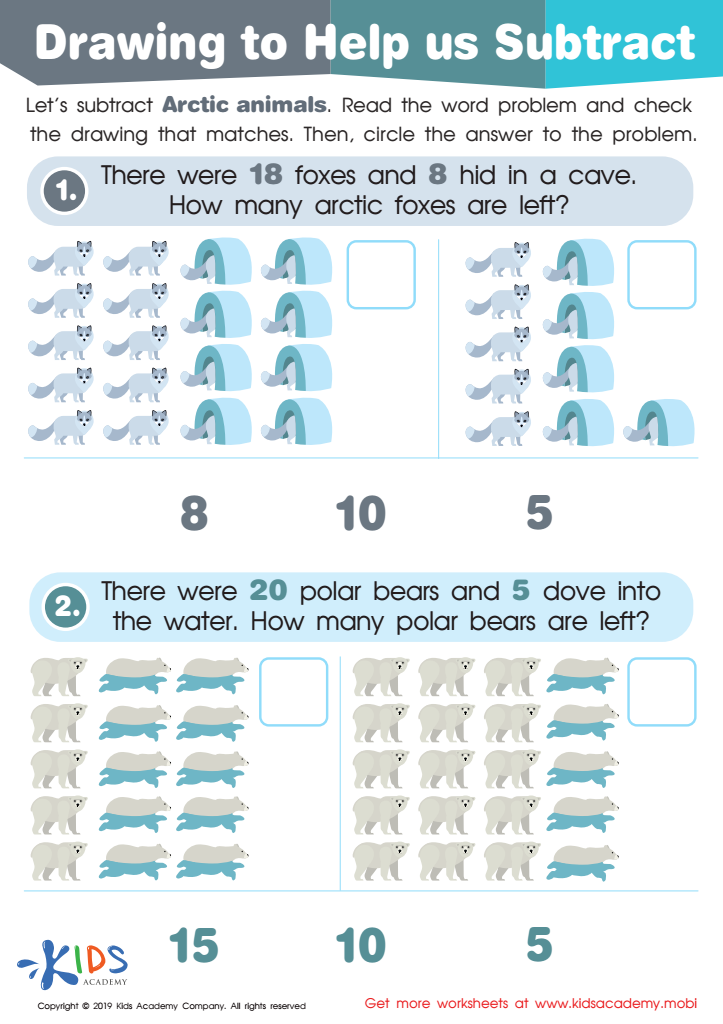
Drawing to Help Us Subtract Worksheet
Math is made fun with this free worksheet featuring Arctic animal pictures to solve basic subtraction word problems. Kids read the problem and choose the correct drawing of the animals to represent the solution. They'll have a blast with their cool animal friends while learning math!
Drawing to Help Us Subtract Worksheet
Worksheet
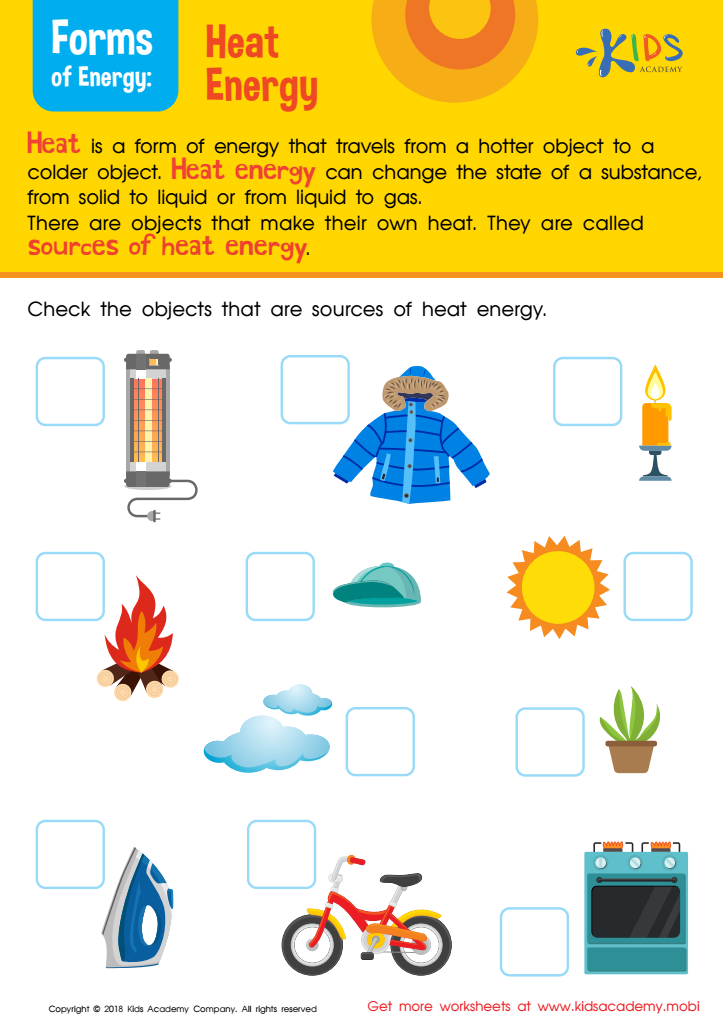
Sources of Heat Energy Worksheet
Heat energy is everywhere - from inside our homes to outside in the sun. Natural sources include the sun, geothermal energy, and volcanic activity. This worksheet helps kids identify and learn about these sources and more!
Sources of Heat Energy Worksheet
Worksheet
Join Kids Academy for Free
Who is primarily going to use this learning content?






Visual learning significantly impacts the cognitive and intellectual development of third-grade students, an age where children naturally exhibit a vivid imagination and strong receptiveness to visual stimuli. Parents and teachers should prioritize visual learning because it leverages this innate propensity, making abstract concepts more tangible. For instance, when math problems are illustrated with pictures or diagrams, they are easier for children to grasp.
Moreover, incorporating visual aids like charts, maps, and flashcards can enrich vocabulary and reading comprehension. Visual learning also enhances memory retention and recall, as students often remember information better when it's presented in a visually engaging manner. This is crucial for subjects like science and social studies, where understanding and retaining detail-heavy content is necessary.
Diverse visual tools accommodate different learning styles, ensuring all students, including those who may struggle with traditional text-based learning, can access and engage with the curriculum effectively. It encourages active learning, fosters creativity, and boosts motivation.
Overall, attentive integration of visual learning promotes a better-rounded educational experience, builds crucial foundational skills, and cultivates an enthusiasm for continuous learning. Parents and teachers who embrace this approach contribute positively to a child's academic success and personal growth.