Fine Motor Skills Normal Grade 3 Numbers Worksheets
4 filtered results
-
From - To
Enhance your third grader’s fine motor skills and numerical understanding with our "Fine Motor Skills Normal Grade 3 Numbers Worksheets". These expertly designed worksheets combine fun activities with educational content to help kids improve their precision in writing numbers and performing basic math operations. Engaging tasks and colorful illustrations make learning enjoyable while boosting dexterity and hand-eye coordination. Perfect for classroom or at-home practice, these worksheets aid in the development of essential math skills crucial for academic success. Explore a range of exercises that challenge and engage young minds, fostering both their cognitive growth and fine motor proficiency.
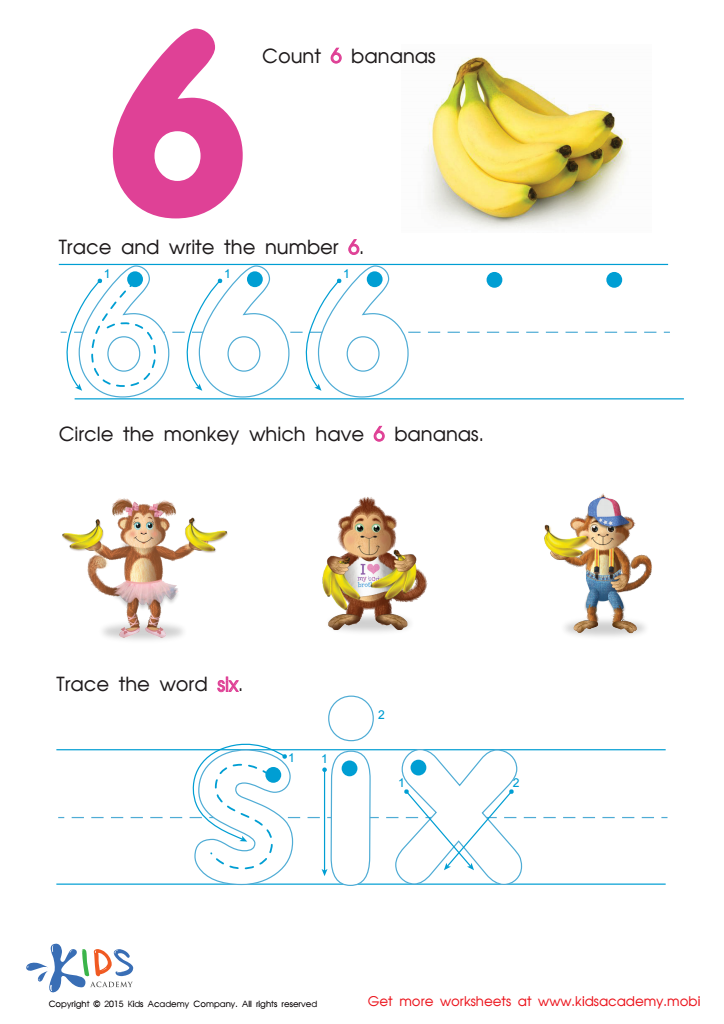
Tracing And Writing Number 6 Worksheet
 Assign to My Students
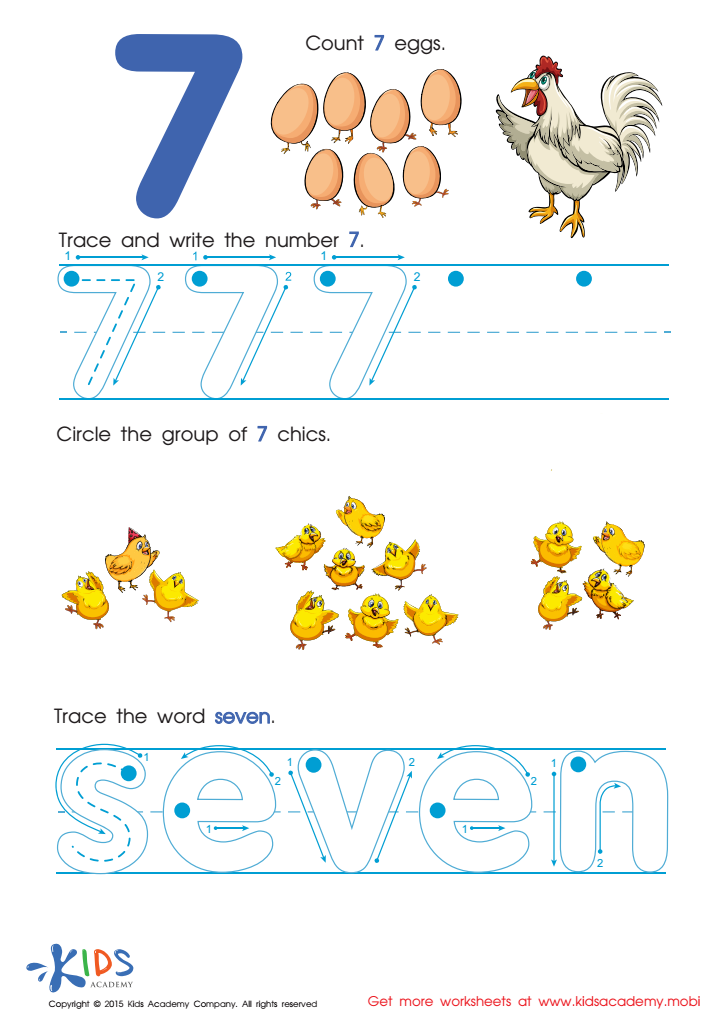
Trace And Write Number 7 with Fun Worksheet
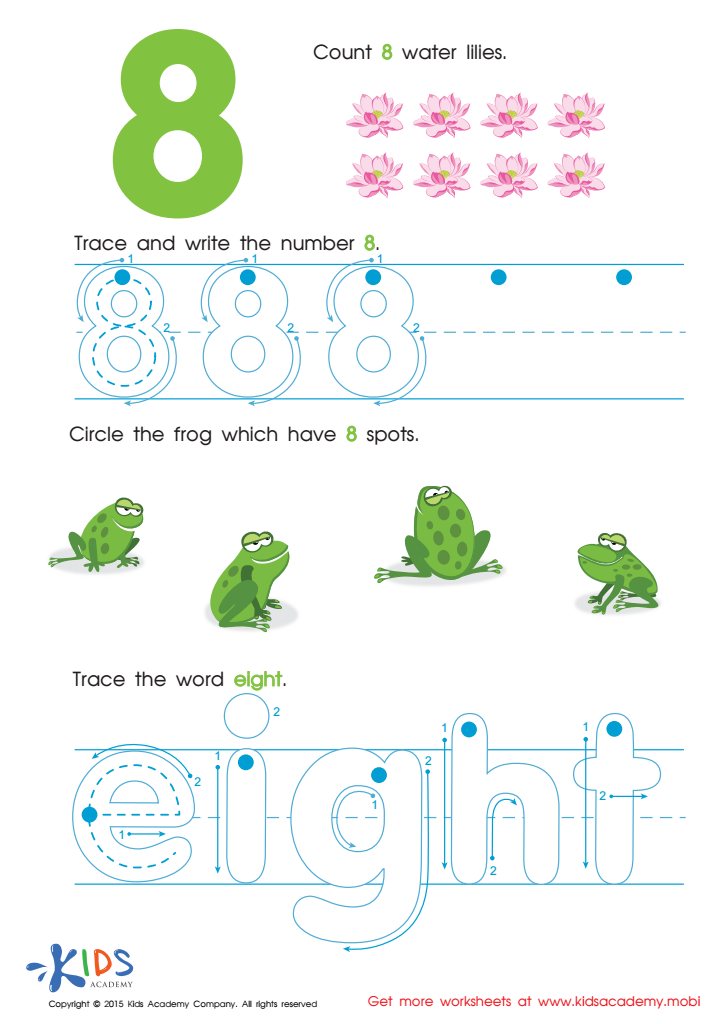
Learn Number 8 Easily Worksheet
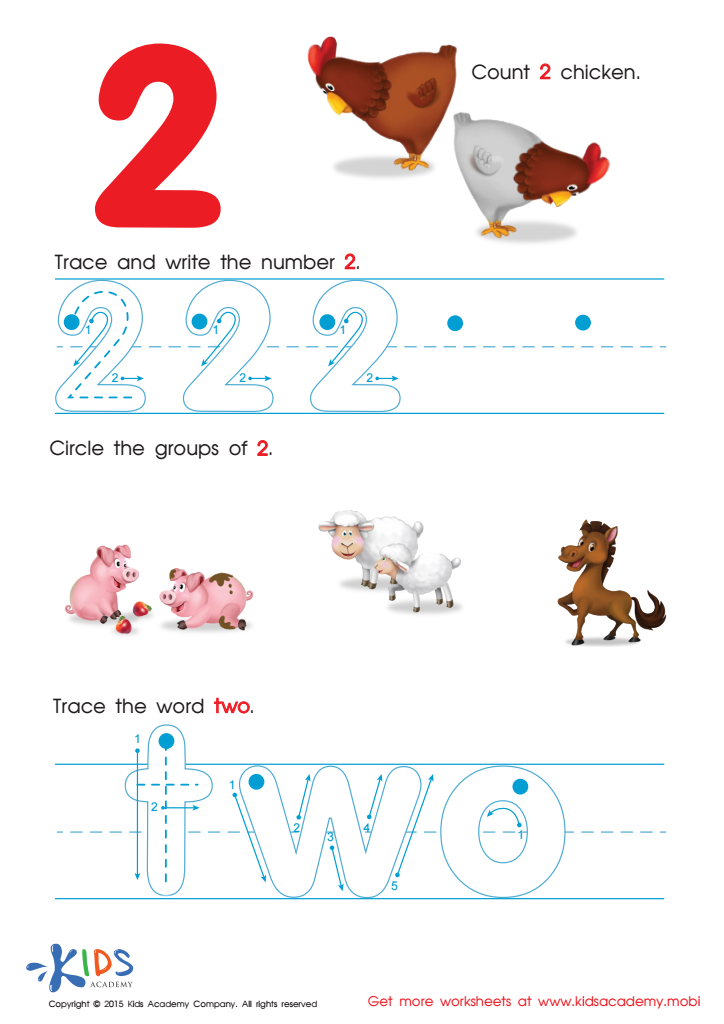
Learn to Write the Number 2 Worksheet







Fine motor skills are essential for children's overall development and impact their abilities to perform daily tasks efficiently. By the third grade, fine motor skills should be well-balanced to facilitate a child’s school performance and independence. Parents and teachers have a vested interest in ensuring these skills are honed as they directly affect the child's capacity for precise hand movements, grasp and manipulation of objects, and coordination, all of which are vital for academic success. Grade 3 signals a developmental stage where children are expected to be more self-sufficient in classroom activities, like writing, cutting, and using computer tools, all requiring refined motor control.
Deficiencies in fine motor skills can lead to frustrations, lower self-esteem, and difficulties in keeping up with peers academically, especially in writing, drawing, and organizing school materials. Teachers noticing these delays can propose interventions, such as adapted tools or specific exercises to improve hand strength and dexterity. Engaged parents can support with tailored home activities, like playing with building blocks, arts and crafts, or threading beads, which bolster fine motor proficiency.
Ensuring children are proficient in these skills by Grade 3 paves the way for greater academic success and confidence, reducing physical and psychological barriers to learning and participating fully in educational and social activities.