Hand-eye Coordination Normal Grade 3 Math Worksheets
3 filtered results
-
From - To
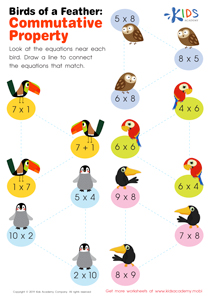
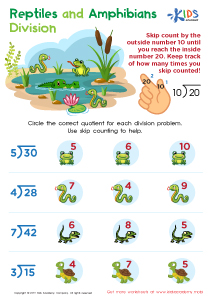
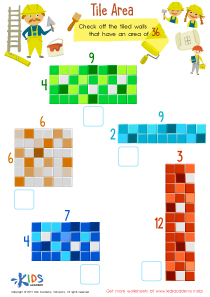
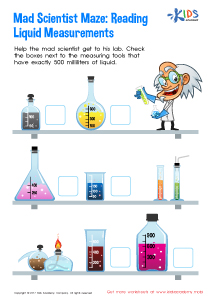
Enhance your child’s fine motor skills with our Hand-Eye Coordination Normal Grade 3 Math Worksheets. Carefully crafted, these worksheets challenge and engage third graders through fun, interactive, and educational activities, designed to bolster both their mathematical understanding and coordination abilities. Each exercise hones essential skills, preparing your child for more advanced math while fostering critical hand-eye synchronization. From tracing numbers to solving puzzles, these worksheets offer a diverse range of tasks that keep learning dynamic and exciting. Perfect for classroom use or extra practice at home, embark on a journey to develop foundational skills that support lasting academic success.
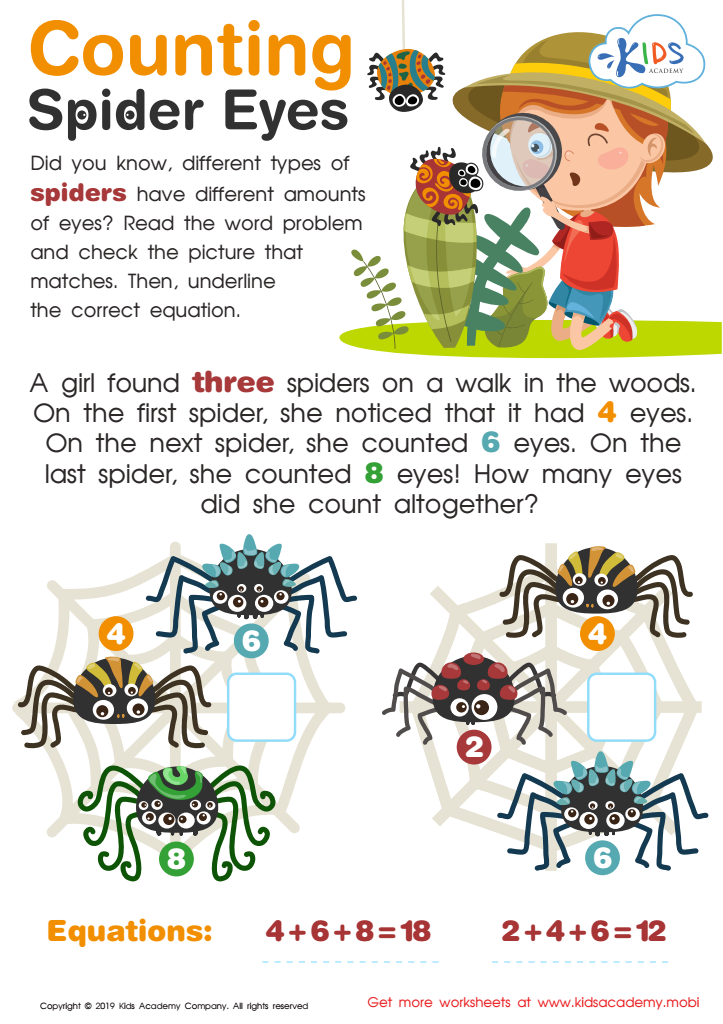
Counting Spider Eyes Worksheet
 Assign to My Students
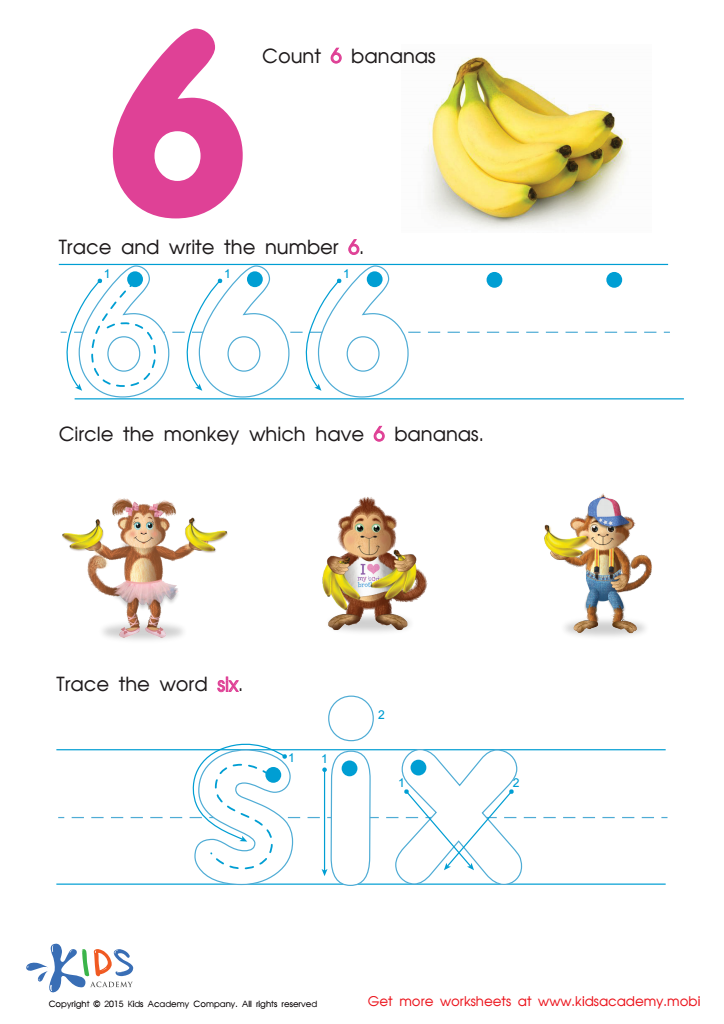
Tracing And Writing Number 6 Worksheet
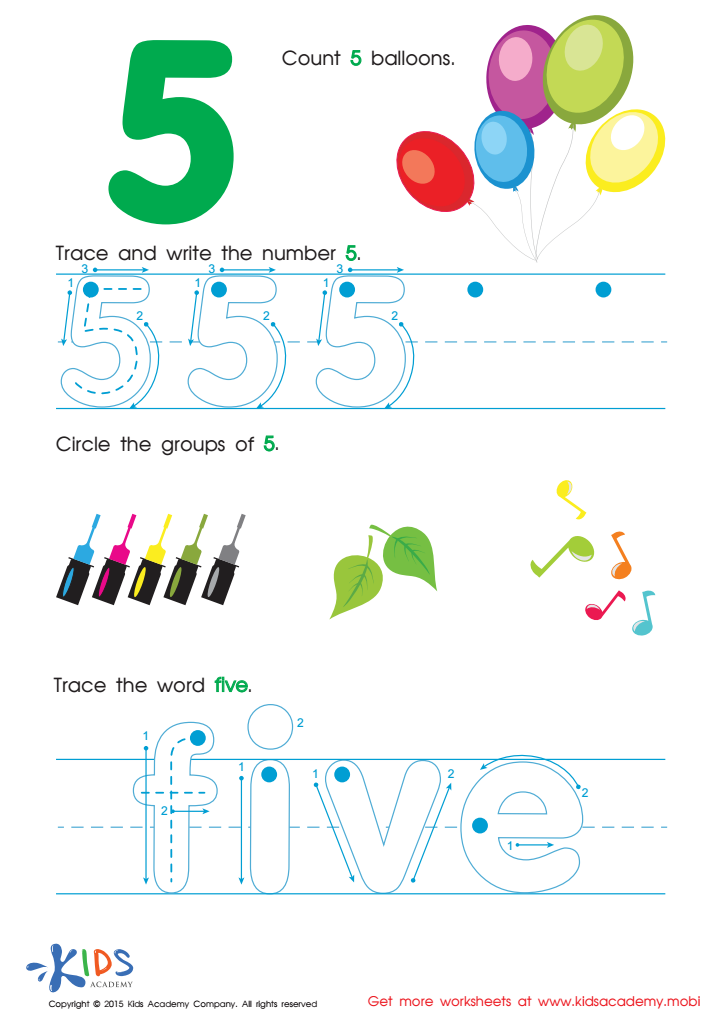
Practice Writing Number 5 Worksheet



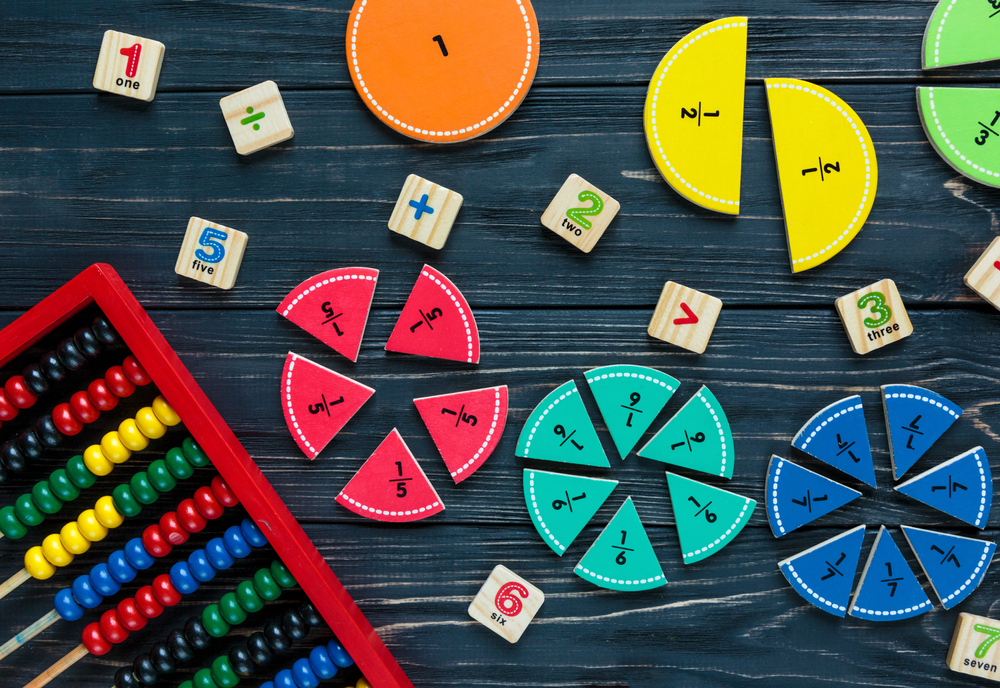




Hand-eye coordination is a fundamental skill that significantly impacts a child's ability to perform various tasks, and it's particularly relevant within a Grade 3 math curriculum. At this stage, activities often involve the integration of visual information with fine motor tasks—such as writing numbers, aligning columns, drawing shapes, and using rulers or other measurement tools. Proficient hand-eye coordination allows children to accurately copy and draw geometric figures, align their work neatly, and interact with hands-on learning materials like blocks or number lines.
Moreover, effective hand-eye coordination supports the development of other academic and life skills. It enhances a child's ability to participate and enjoy physical activities, promoting overall health and well-being. When children are skillful in coordinating their hands and eyes, they are more likely to feel confident and capable, giving them a positive attitude towards learning and problem-solving.
Ensuring that children develop good hand-eye coordination also prepares them to succeed in more complex tasks as they progress in school. As work demands become more sophisticated, students with well-developed coordination experience fewer frustrations and are able to engage more fully with tasks, maintaining their focus and increasing their academic performance. Therefore, parents and teachers should view the encouragement of hand-eye coordination not just as an added benefit, but as an essential element of a child's early educational experience.