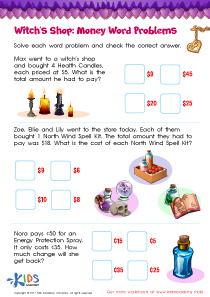
Reading comprehension Normal Grade 3 Two-step Word Problems Worksheets
3 filtered results
-
From - To
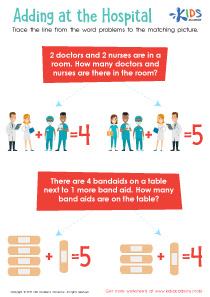
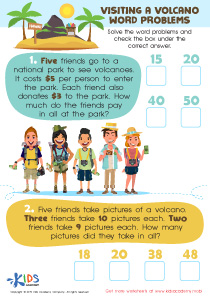
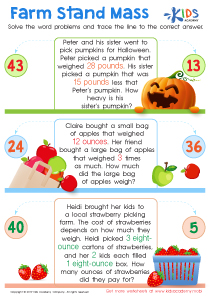
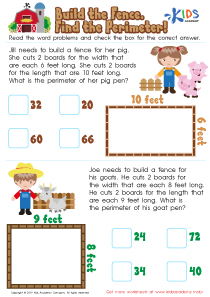
Enhance your third grader's reading comprehension and math skills with our engaging Two-Step Word Problems Worksheets. Designed specifically for normal grade 3 students, these worksheets combine reading practice with mathematical challenges. Each problem requires kids to read carefully, understand the context, and solve using two steps, promoting critical thinking and problem-solving abilities. These activities are perfect for classroom use or additional practice at home. Help your child build confidence in both reading comprehension and math as they navigate through fun, educational word problems. Start today and watch them excel in multiple subjects!
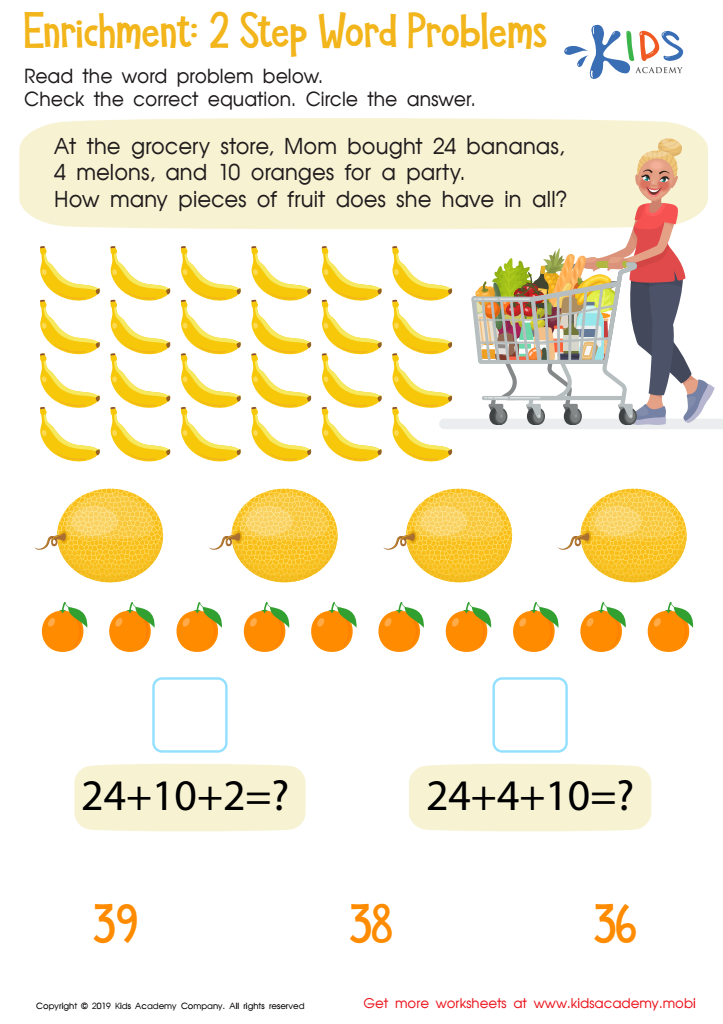
Enrichment -2 Step Word Problems Worksheet
 Assign to My Students
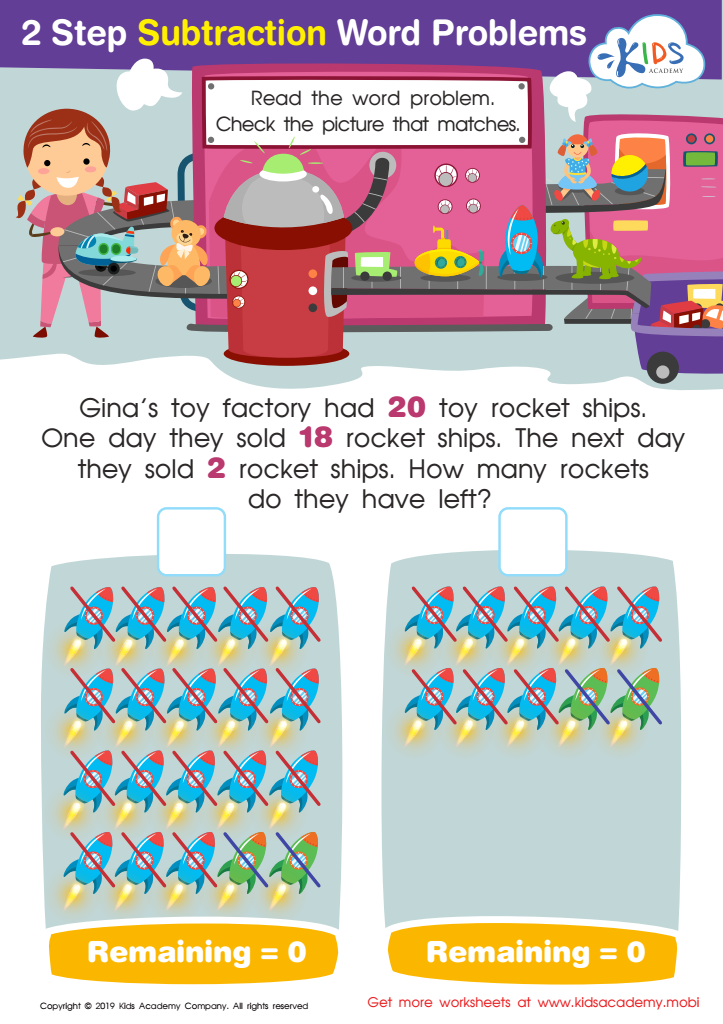
Step Subtraction Word Problems Worksheet
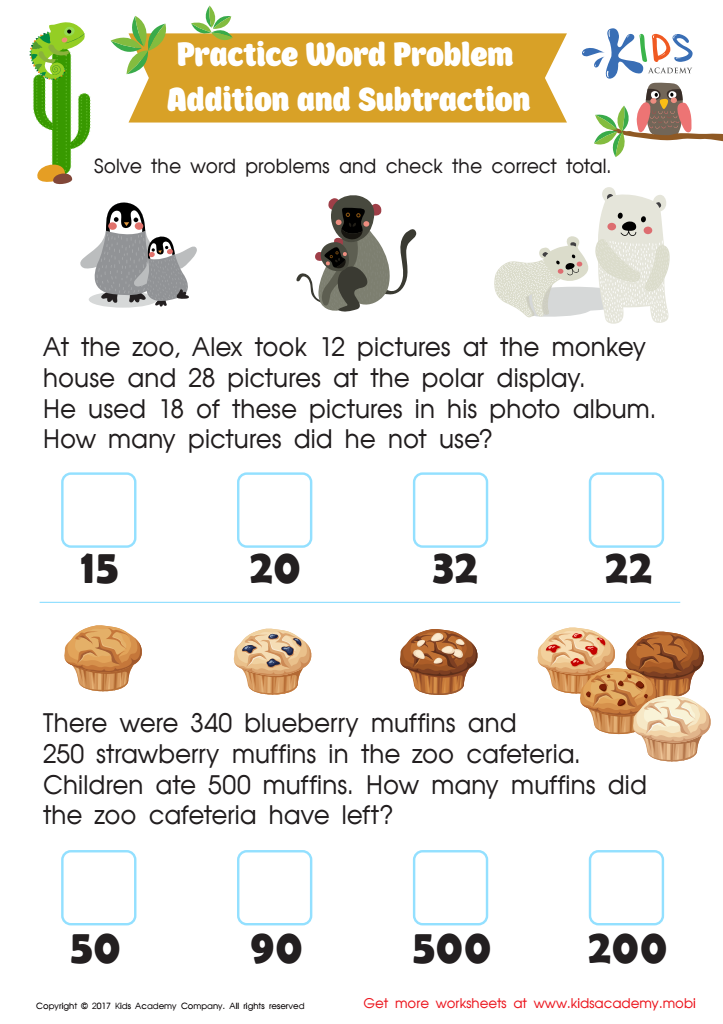
Addition and Subtraction: Word Problems Worksheet



Reading comprehension and tackling two-step word problems in math are vital skills for third graders as these form the cornerstones of academic and real-life achievements. First and foremost, strong reading comprehension skills ensure that children can understand and follow instructions accurately. This impacts all subjects, from following a chapter in science to completing a social studies project. When children comprehend what they read, they are better at critical thinking and applying concepts, rather than merely memorizing information.
Two-step word problems integrate reading comprehension with mathematical reasoning, serving as cross-disciplinary exercises. These problems require students to decipher the written problem, extract key information, and then carry out multiple steps to arrive at the solution. This nurtures logical thinking, sequencing, and multi-step planning capabilities.
Teachers and parents should pay attention to the mastery of these skills to identify any early difficulties a child may be experiencing. Early detection of issues enables timely interventions, ensuring the child doesn’t fall behind and becomes frustrated or disengaged with learning. Strong foundations in reading and mathematics build the confidence necessary for tackling more complex subjects in higher grades, fostering a growth mindset. Essentially, staying engaged with a child’s progress in these areas equips them with essential life skills for future academic success and day-to-day problem-solving.