Reading comprehension Normal Grade 3 Reading Fiction Worksheets
21 filtered results
-
From - To
Enhance your child's reading skills with our Grade 3 Reading Fiction Worksheets, designed to improve reading comprehension through engaging and enjoyable activities. These worksheets encourage students to analyze characters, summarize plots, and make predictions, fostering critical thinking and understanding of literature. Each worksheet aligns with educational standards and is tailored to the capabilities of third-grade learners. By providing diverse fiction selections, your child can explore different narratives while honing their comprehension skills. Perfect for classroom or home use, these fun and interactive worksheets are an excellent resource for promoting literacy and a lifelong love for reading. Explore and download today!
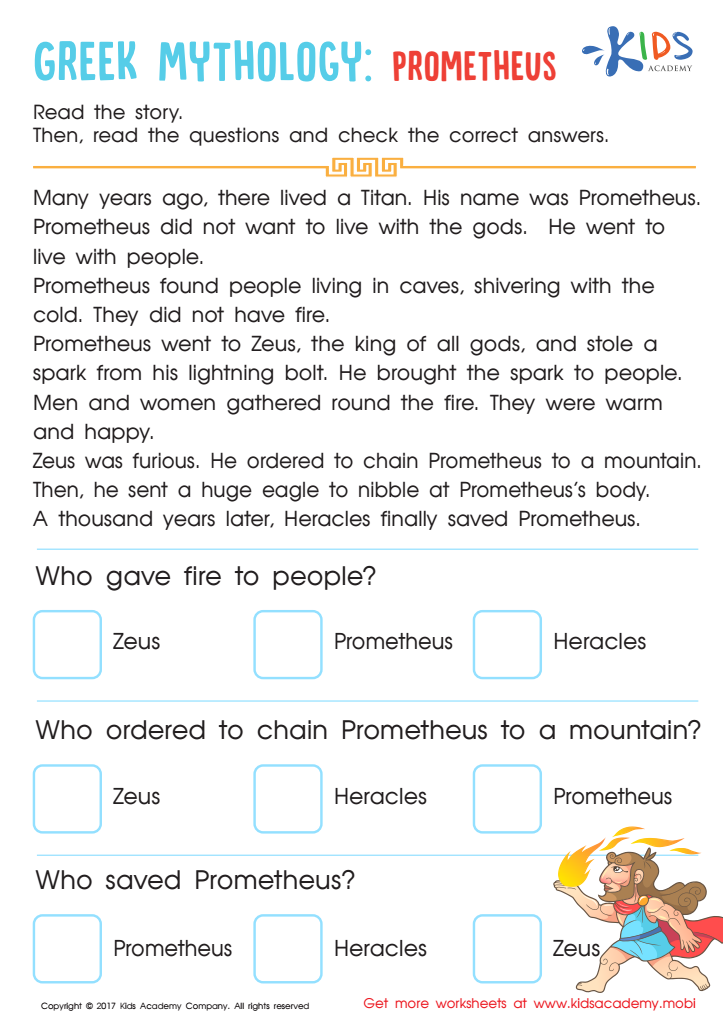
Prometheus Story Worksheet
 Assign to My Students
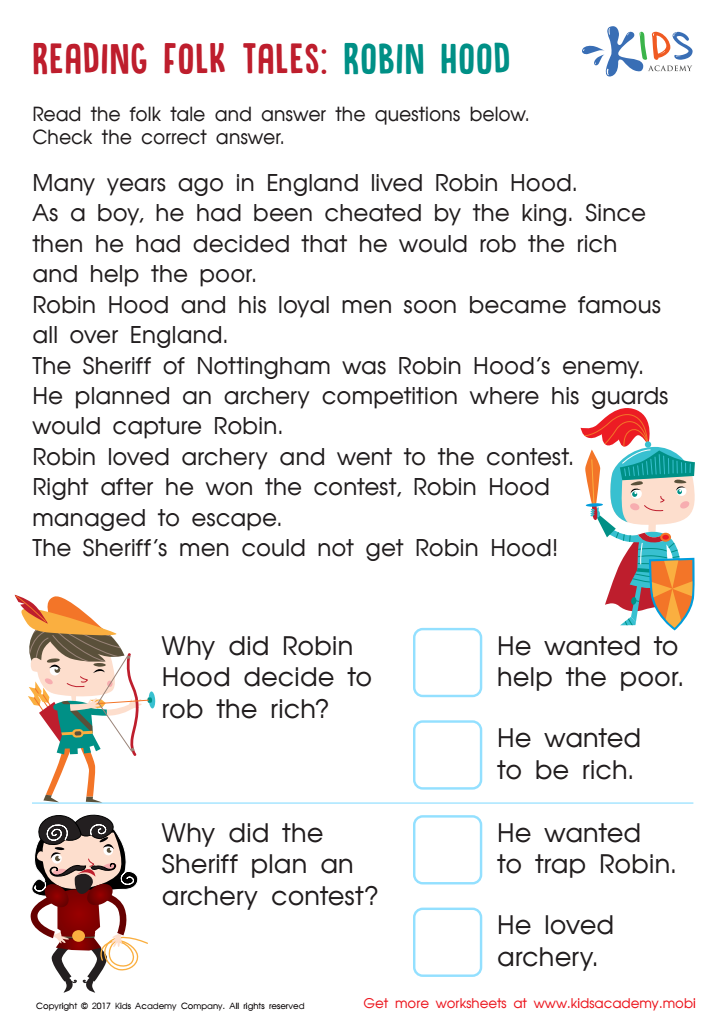
Robin Hood Folktale Worksheet
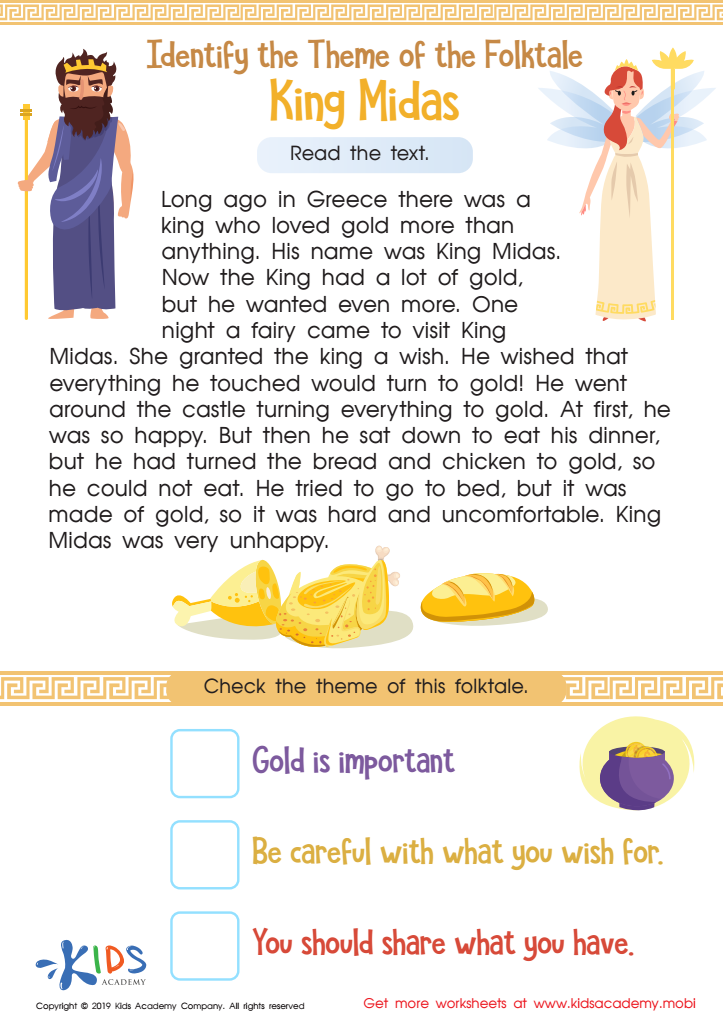
King Midas Worksheet
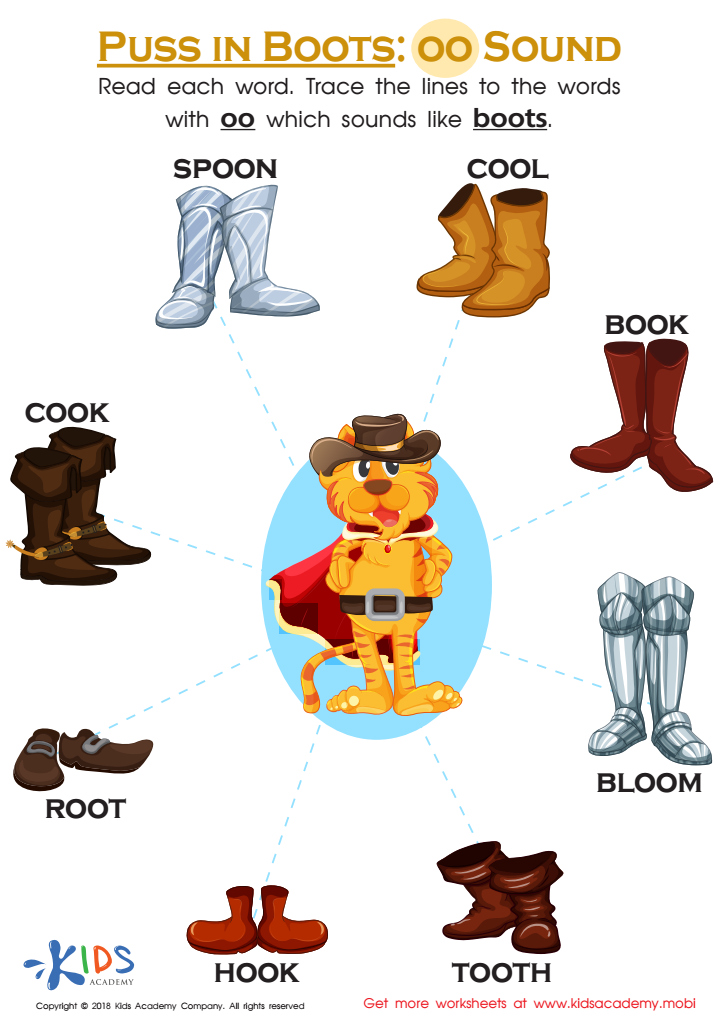
Puss in Boots: OO Sound Worksheet
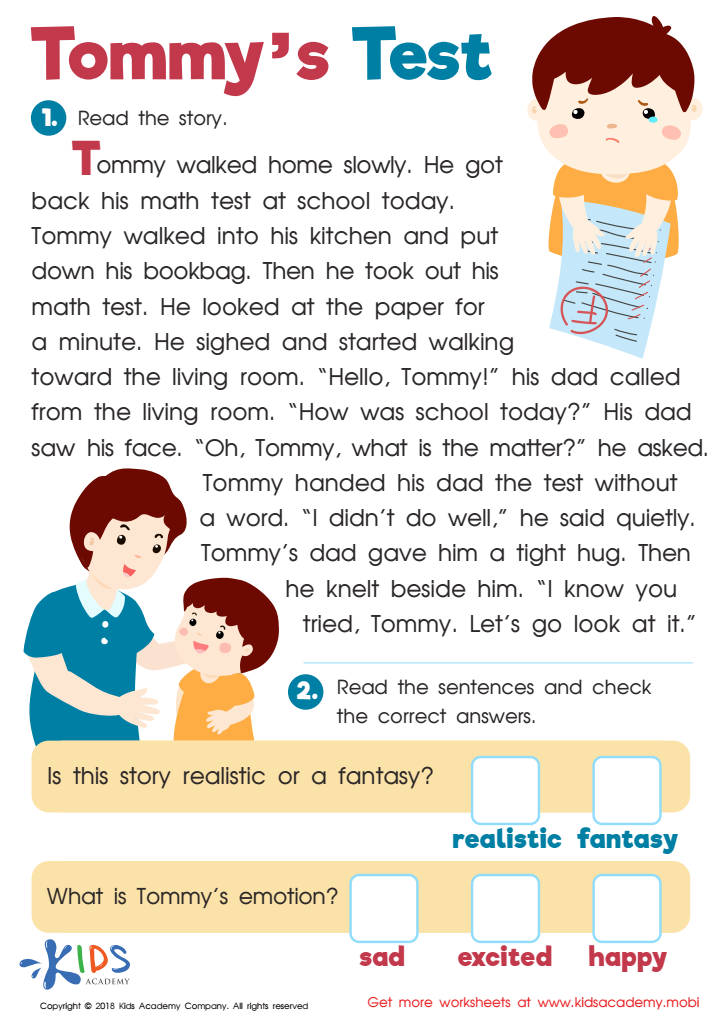
Tommys Test Worksheet
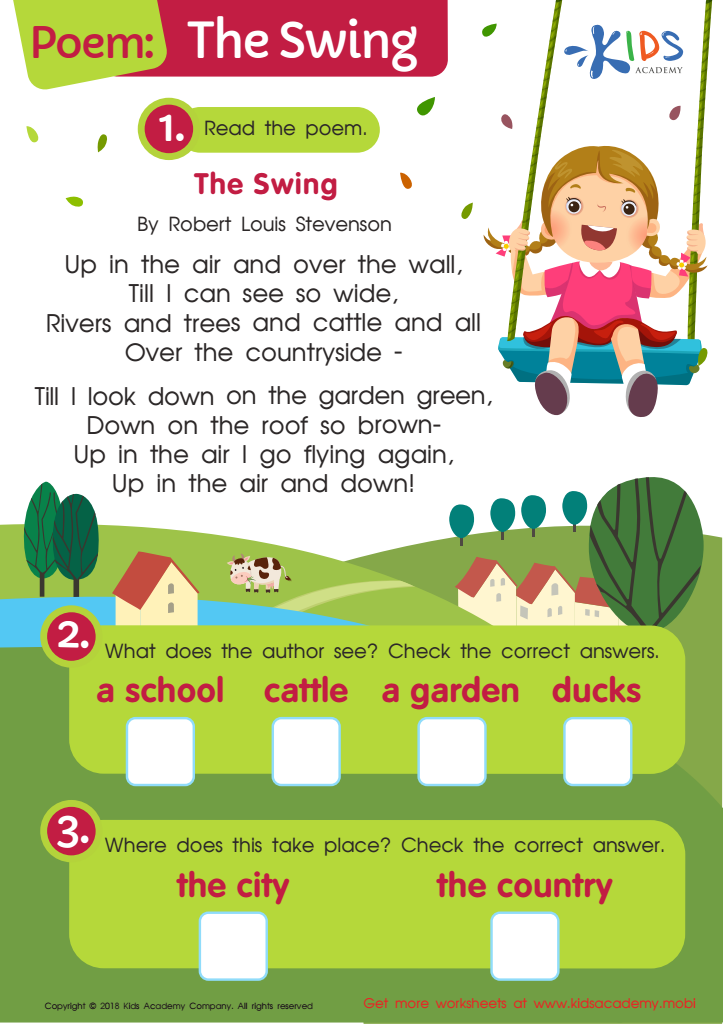
Poem: The Swing Worksheet
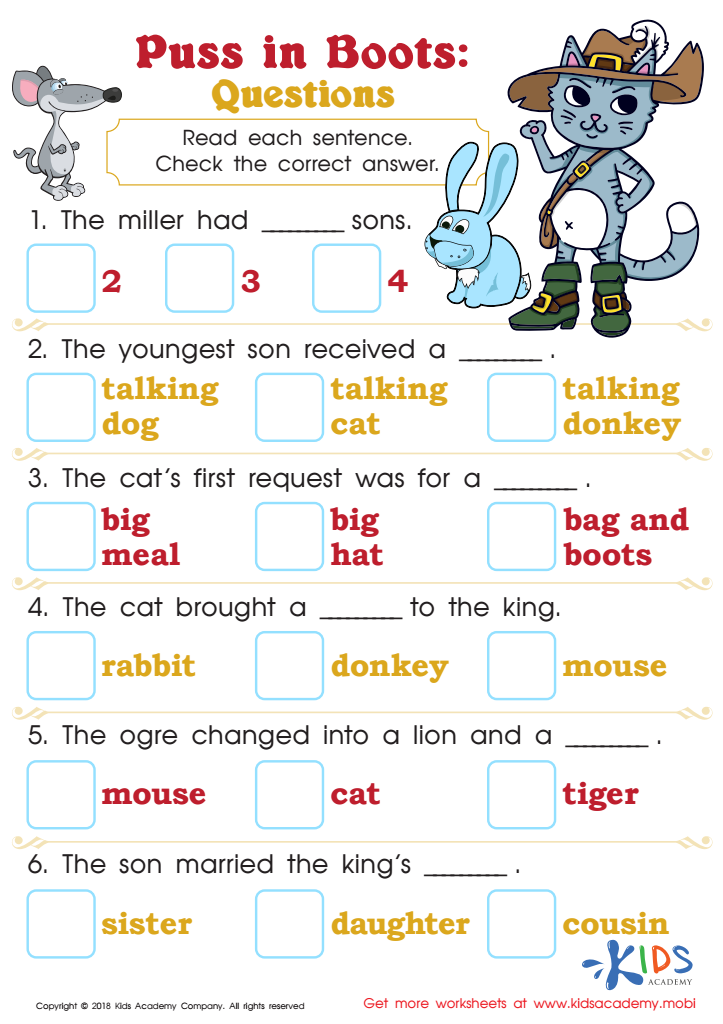
Puss in Boots: Questions Worksheet
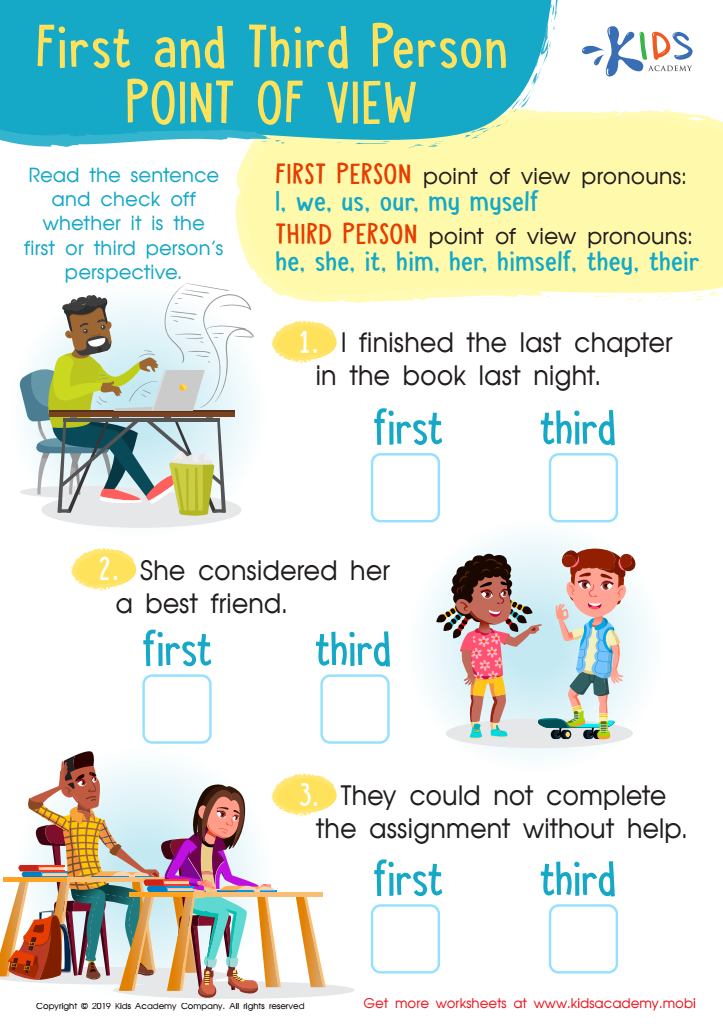
First and Third Person Point of View Worksheet
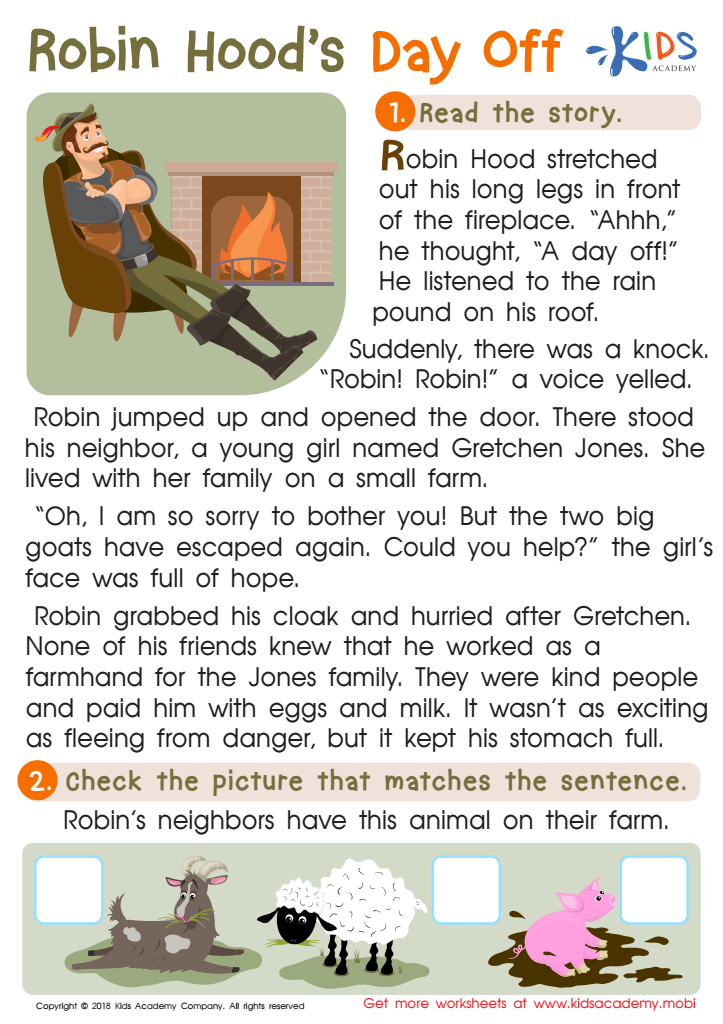
Robin Hood's Day Off Worksheet
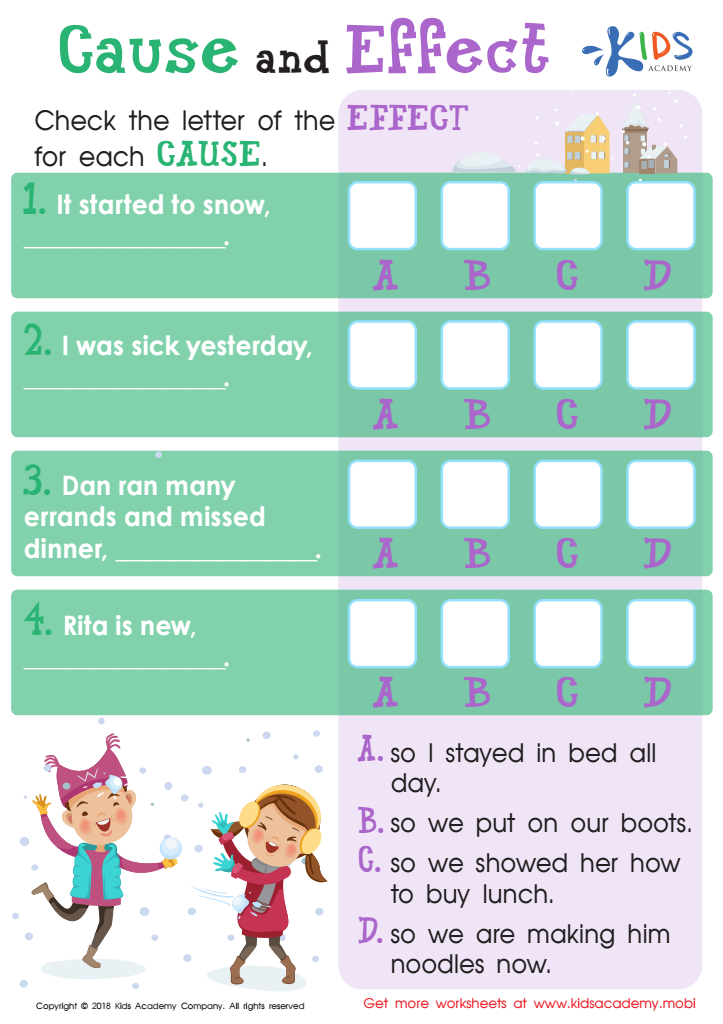
Cause and Effect Worksheet
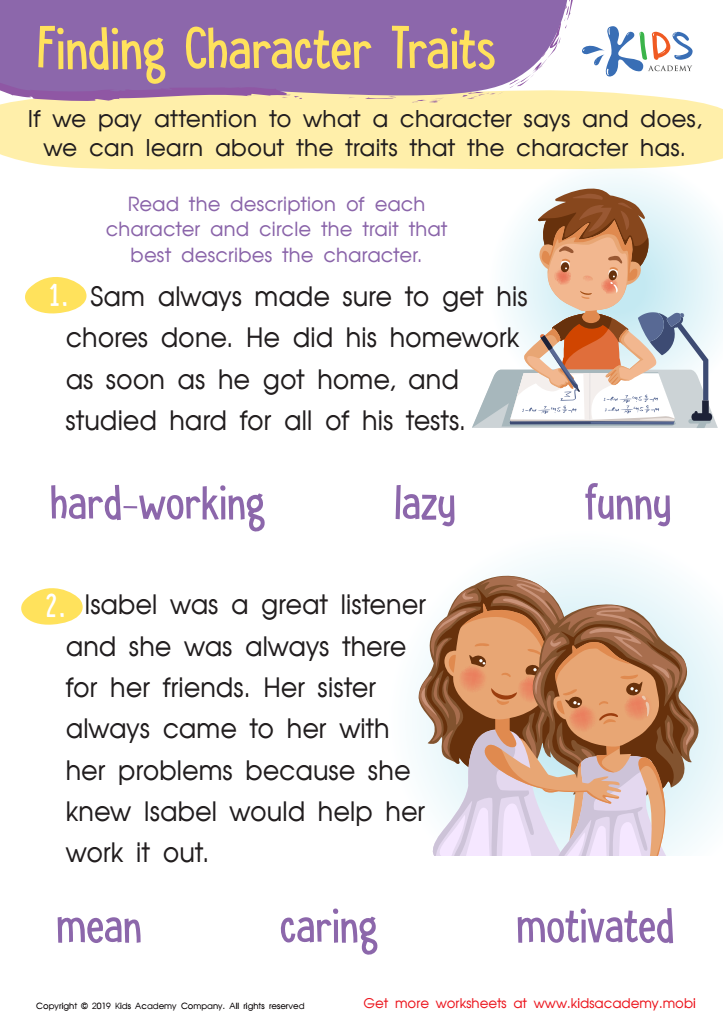
Finding Character Traits Worksheet
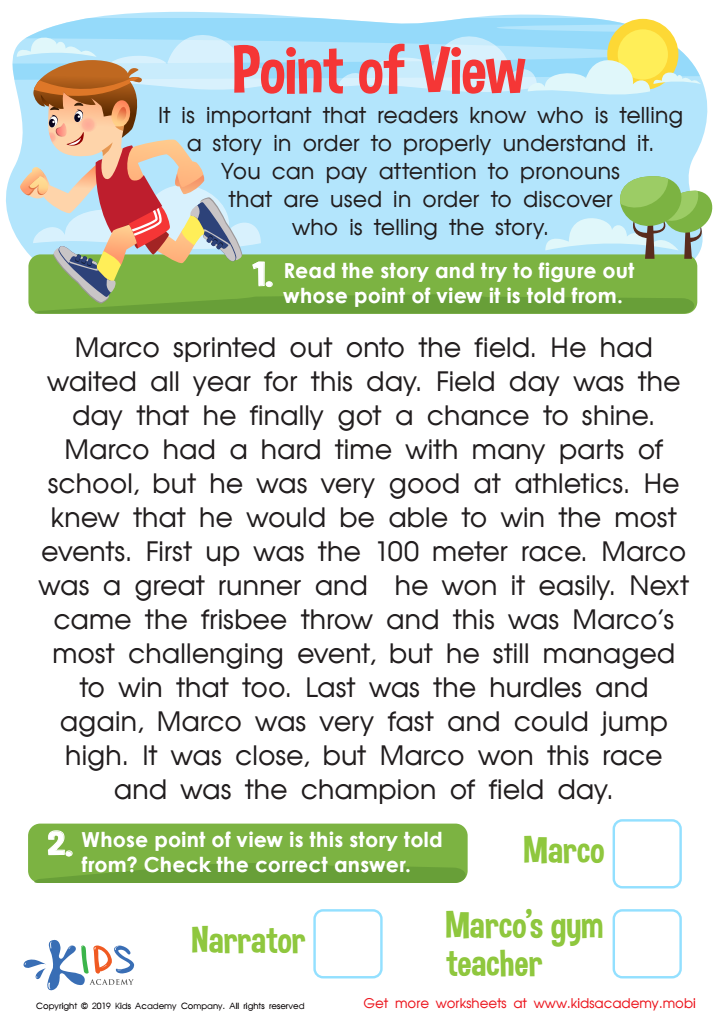
Point of View Worksheet
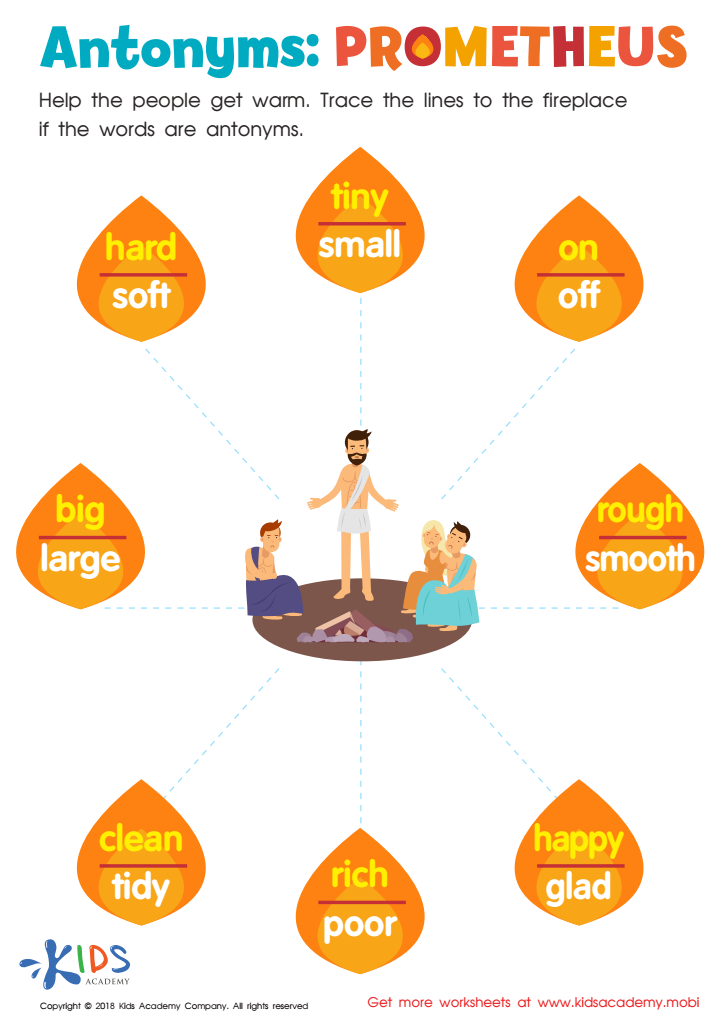
Antonyms: Prometheus Worksheet
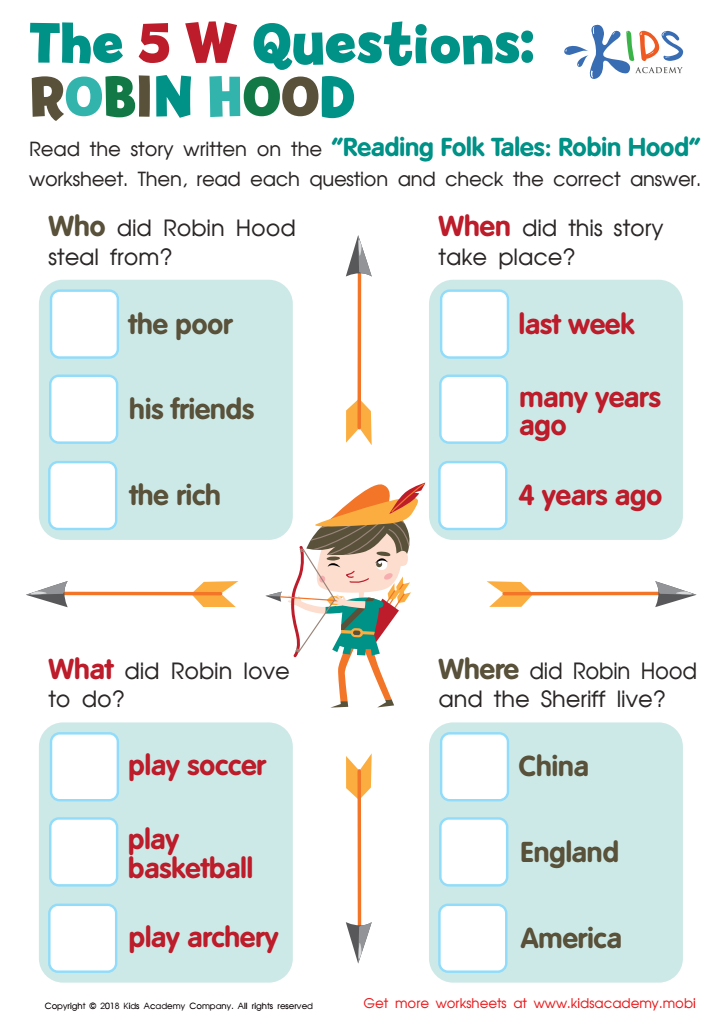
The 5 W Questions: Robin Hood Worksheet
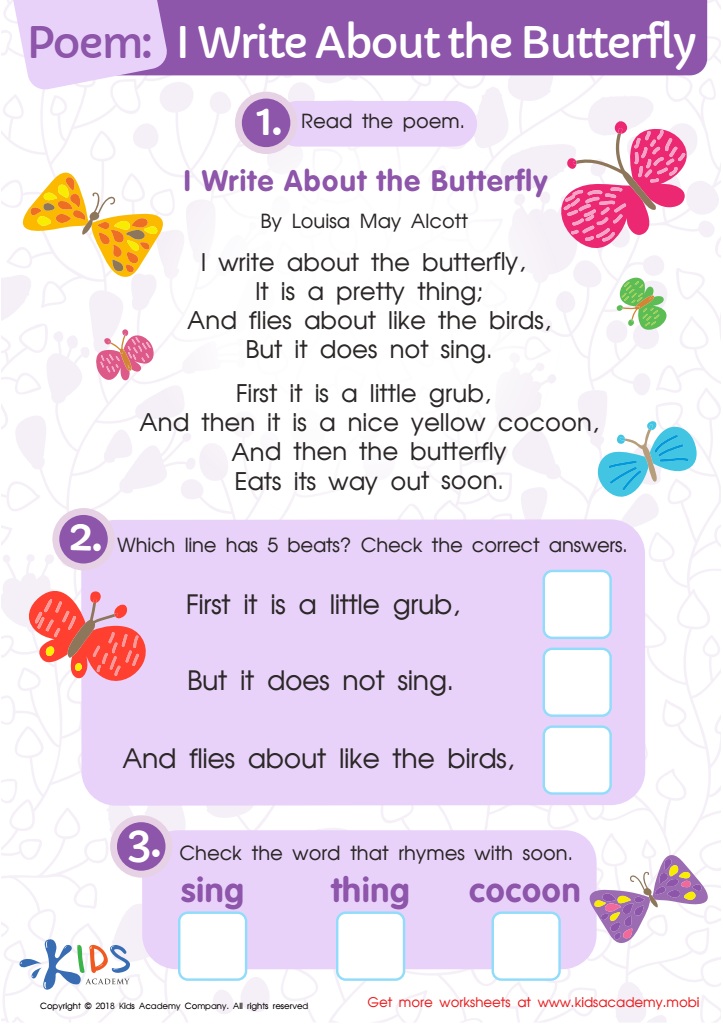
Poem: I Write About The Butterfly Worksheet
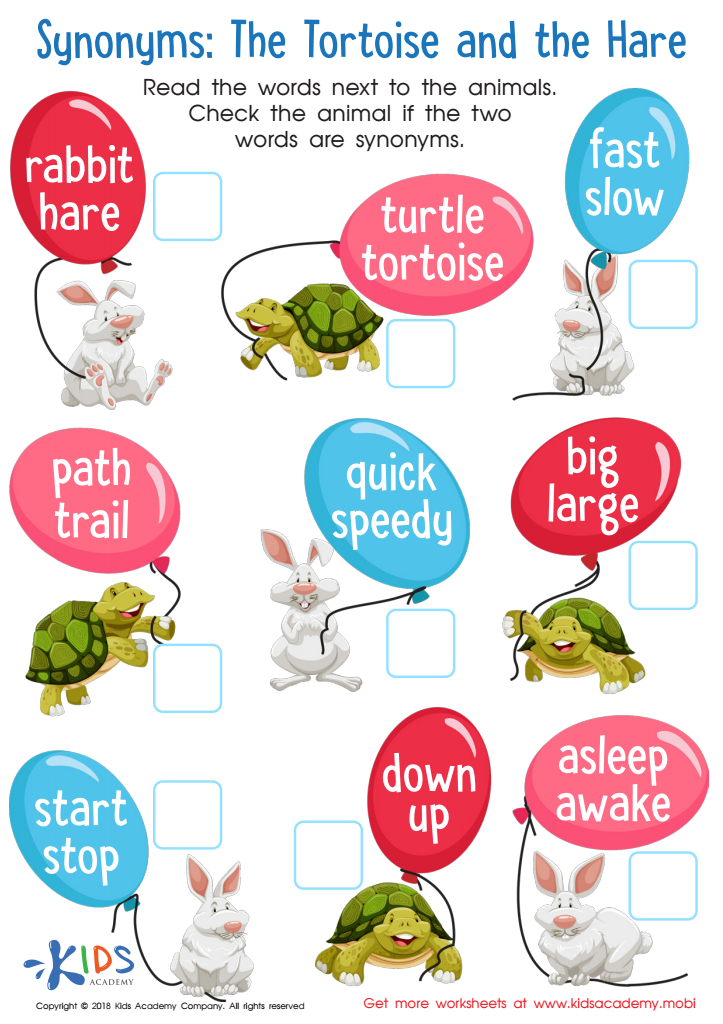
Synonyms: The Tortoise and Hare Worksheet
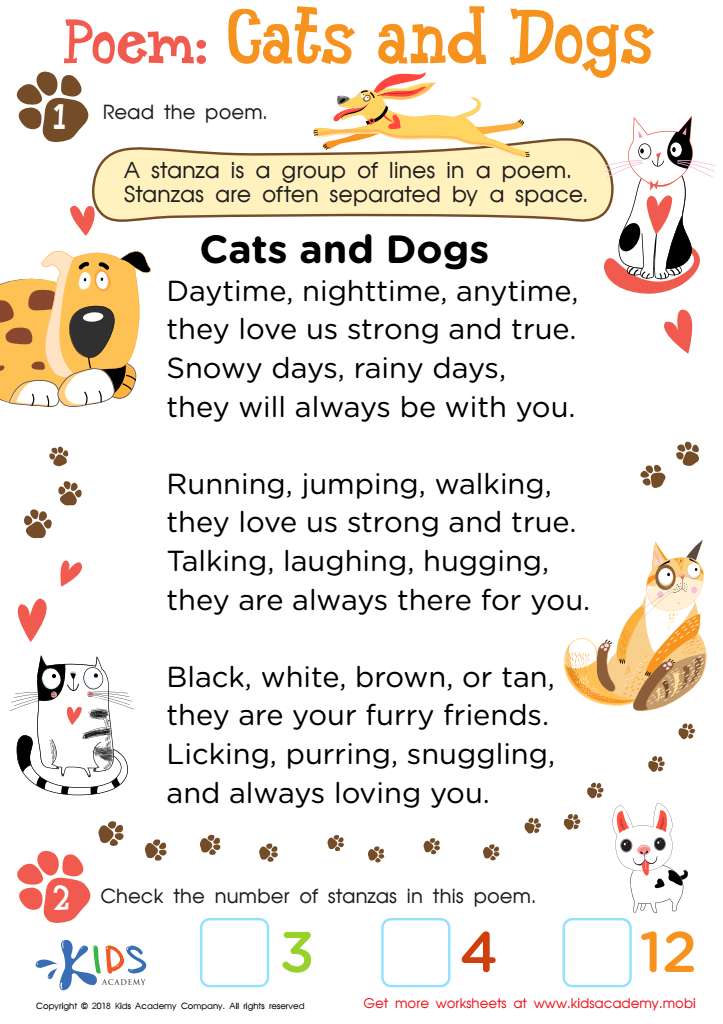
Poem: Cats and Dogs Worksheet
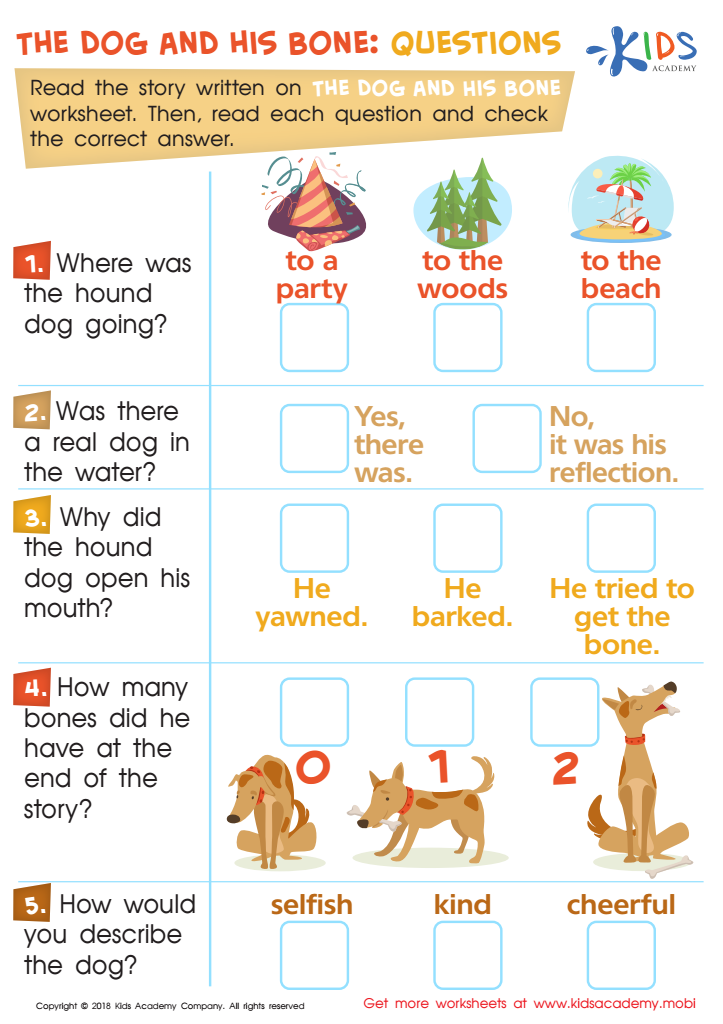
The Dog and His Bone: Questions Worksheet
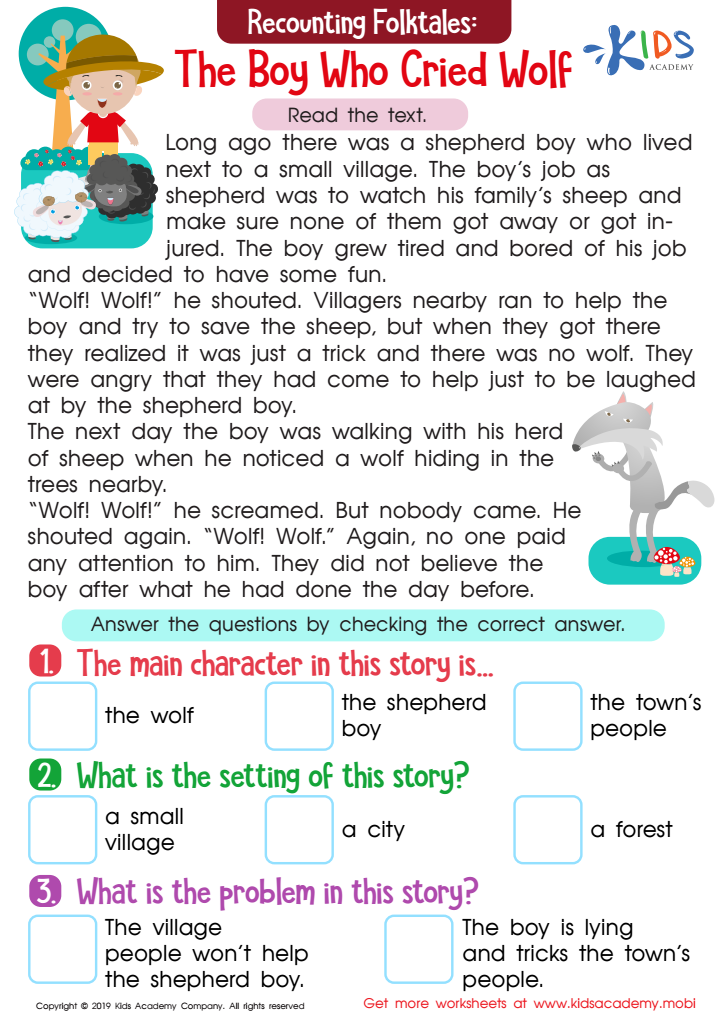
The Boy Who Cried Wolf Part 1 Worksheet
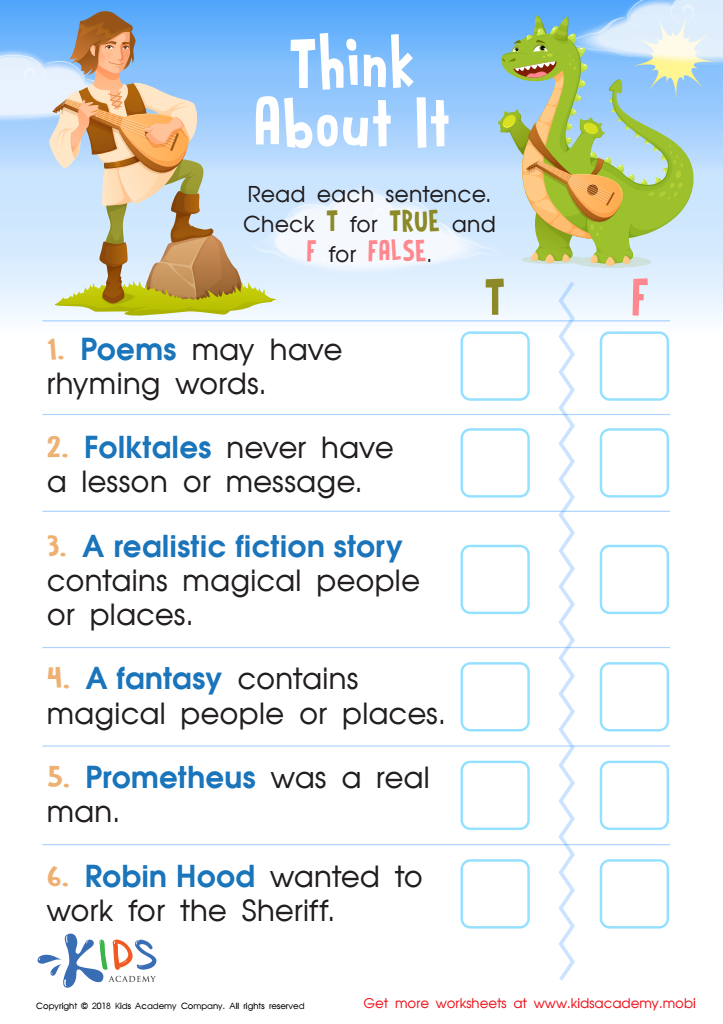
Think About It: Assessment Worksheet
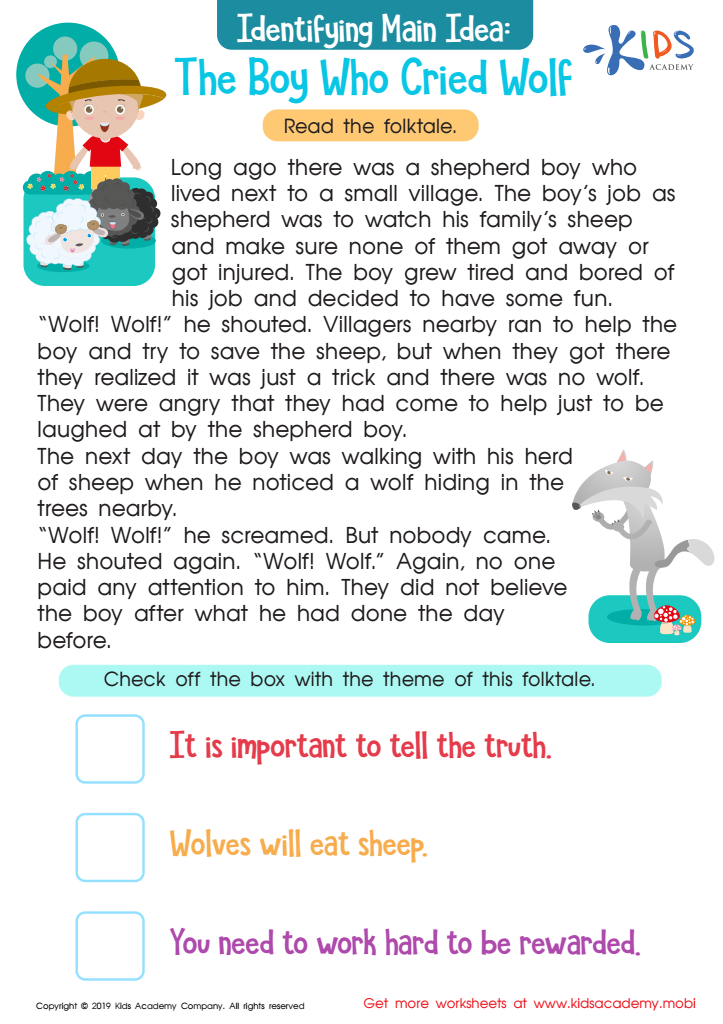
The Boy Who Cried Wolf Part 2 Worksheet








Reading comprehension is a critical skill that significantly impacts a child's overall academic success, especially in Grade 3, where foundational skills are solidified. At this stage, students transition from learning to read to reading to learn; thus, their ability to understand and interpret fiction becomes paramount. When children grasp the narrative structure, character development, and themes, it enhances their analytical skills and imagination. Understanding fiction also fosters empathy, allowing children to relate to diverse characters and experiences, promoting social-emotional development.
Parents and teachers should take note that strong reading comprehension opens up avenues for improved performance in all subjects, as many academic areas require reading and interpretation of texts. We're not just nurturing fluent readers, but critical thinkers. Moreover, children who enjoy reading are more likely to develop a lifelong love for literature, leading to a richer, more informed worldview.
In short, prioritizing reading comprehension in Grade 3 supports cognitive, emotional, and social growth. It creates a solid foundation for lifelong learning, helping children navigate both academic and real-world challenges efficiently. Parents and educators play crucial roles in fostering these skills through engaging discussions and supportive reading environments. Their involvement can immensely influence a child's educational trajectory.